The Silence Strategy: Trump's Calculated Retreat in the Minneapolis Crisis

The Uncharacteristic Silence of the Bully Pulpit
The silence from the West Wing is deafening, and in its void, the howling winds battering Minneapolis sound all the more ominous. In any other January of the last decade, a catastrophe of this magnitude—a fatal shooting compounded by catastrophic infrastructure failure in a Democrat-led city—would have been immediate fuel for the executive bonfire. One can almost script the phantom tweets from the Trump of 2020: attacks on "failed leadership," calls to "liberate" the city, and a rhetorical framing of the chaos as a natural consequence of liberal governance.
Yet, as emergency crews struggle to navigate the ice-choked streets of the Twin Cities and the death toll from the combined shooting and blackout climbs, the frantic aggressive feedback loop characteristic of the 45th presidency is conspicuously absent in the 46th. This uncharacteristic restraint marks a pivotal deviation in the political calculus of Donald Trump’s second term. Instead of the expected firestorm, the White House has issued only terse, operational briefings focused on FEMA deployment and National Guard logistics.
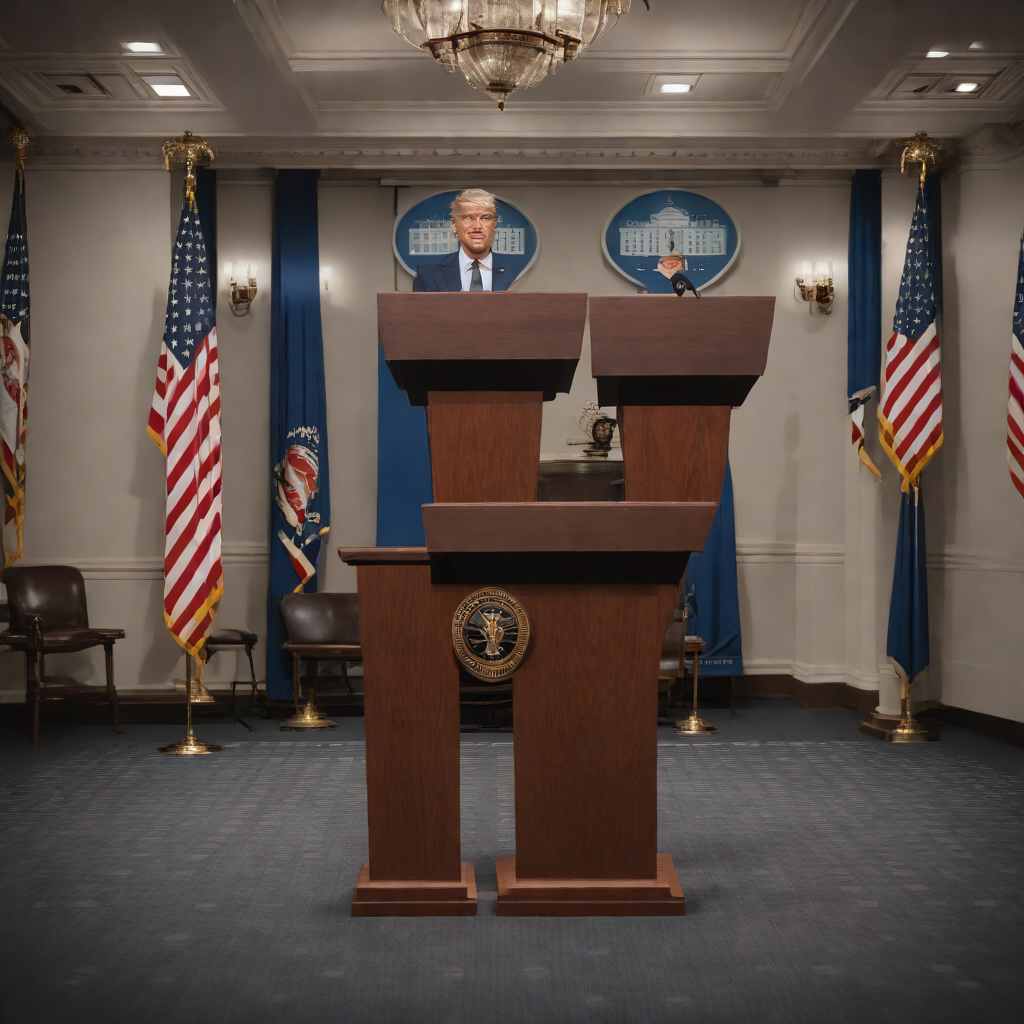
The "Bully Pulpit," historically used by this administration as a bludgeon to widen cracks in the social fabric for political gain, has been surprisingly dormant. This is not the silence of indifference, but the calculated quiet of a strategist realizing the board has changed. As noted by Julian Zelizer, a historian at Princeton University, in a recent interview with The Atlantic, "We are witnessing the transition from a presidency of performance to a presidency of survival. You cannot troll a collapsed power grid."
Minneapolis as a Microcosm of Systemic Fracture
The wind chill on Lake Street isn't just a meteorological fact today; it’s a physical manifestation of the paralysis gripping the Twin Cities. The "Century Storm" has done more than bury Hennepin County in snow; it has exposed the brittle nature of the social contract in the Trump 2.0 era. We are witnessing what crisis management experts call a "compound fracture" of civic trust. The shooting wasn't an isolated burst of violence; it occurred against a backdrop of rolling blackouts and the suspension of emergency services—a direct consequence of the grid failures that federal deregulatory policies were promised to prevent, but arguably accelerated.
For a resident shivering in a dark apartment in the Phillips neighborhood, the breakdown of order isn't theoretical or ideological. It is immediate and existential. The administration’s hesitation to attack reveals a terrifying new political reality: the situation is too volatile to spin. Internal memos from the Department of Homeland Security, leaked earlier this week, suggest that the White House is acutely aware that Minneapolis is not an outlier but a precursor. If the federal government cannot deliver basic heating oil and security to a major metropolitan area during a climate event, the "America First" promise of robust domestic strength begins to look hollow.
The Limits of Polarization Politics
This week, the absence of executive commentary is louder than any rally speech. For nearly a decade, the Trump playbook has been defined by a predictable, kinetic energy: identify a crisis, assign a partisan villain, and dominate the news cycle with combative rhetoric. Yet, as the National Guard establishes a perimeter around the darkened neighborhoods of Minneapolis, the President’s social media feed remains uncharacteristically disciplined.
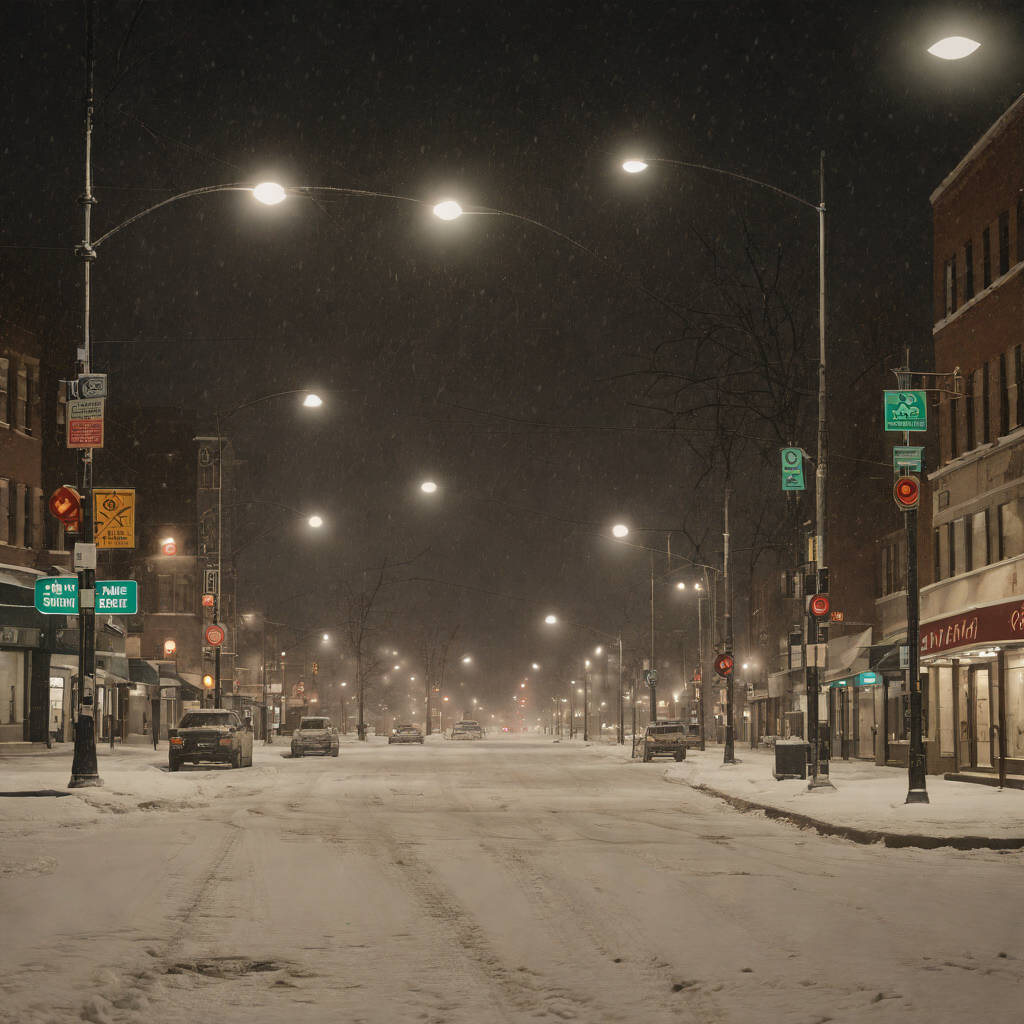
The "Minneapolis Freeze"—a compounding disaster of infrastructure collapse, prolonged blackouts, and the subsequent outbreak of violence—has stripped away the luxury of ideological positioning. When the power grid failed in Hennepin County, effectively trapping 400,000 residents in sub-zero temperatures, the standard political algorithm of blaming "radical local leadership" dissolved against the sheer, biting physical reality of the crisis. Residents shivering in unheated apartments are not auditing municipal voting records; they are looking to the federal government for immediate, tangible survival.
This shift reveals the hard limits of the "America First" deregulation agenda when it collides with legacy infrastructure. The administration finds itself in a paradoxical bind: the very dismantling of federal oversight that fueled the economic boom of 2025 is now being scrutinized as a contributor to the grid's fragility. Political analysts suggest that the President’s advisors are acutely aware that a "Hurricane Katrina moment" is a bipartisan vulnerability. If the federal response is perceived as prioritizing political scoring over disaster relief, the backlash will not be contained to blue states.
Governability in the Era of Deregulation
The core of this crisis lies in the rapid deregulation that has defined the last twelve months. By aggressively dismantling federal oversight in favor of market absolutism, the administration effectively delegated the maintenance of social infrastructure to the private sector and state budgets. In Minneapolis, this abstract policy hit the concrete reality of the "Adjustment Crisis."
The disconnect is stark when looking at the economic indicators versus the reality on the ground. While the S&P 500 continues to rally on the promise of AI integration and reduced corporate tax burdens, the "governance gap"—the disparity between federal capacity and local need—has widened to historic levels. The administration is now forced to confront the paradox of its own making: a strongman presidency presiding over a weakening federal apparatus.
The Governance Gap: Federal Infrastructure Spending vs. State Emergency Outlays (2020-2026)
In this vacuum, the governability test becomes paramount. The administration's quiet maneuvering—reportedly pressuring private equity firms to stabilize the Minneapolis logistics hub behind closed doors—indicates a desperate attempt to patch the system without publicly re-engaging the machinery of government they promised to dismantle.
The Strategic Gamble
From Mar-a-Lago, the response has been less about dramatic pauses and more about calculation. Typically, a crisis in a Democratic stronghold like Minneapolis would trigger an immediate, visceral reflex. Yet, the Executive Branch has remained uncharacteristically opaque. This absence of "attack mode" suggests a sobering realization within the West Wing: the events in Minnesota are not merely a partisan failure to be exploited, but a systemic collapse too volatile to touch without getting burned.
However, this vacuum of executive leadership comes with a steep price tag: the erosion of federal authority. While the President waits, the social contract in Minnesota is fraying at an alarming speed. Reports from the Star Tribune describe neighborhood watch groups in the Powderhorn Park area effectively replacing a police force unable to navigate the unplowed, debris-strewn streets. When the central government is perceived as absent—whether by indifference or strategy—power does not disappear; it devolves.
Conclusion: A Test of the Second Term
Ultimately, this quietude marks a stark departure from standard operating procedure. This strategic restraint suggests a dawning realization within the administration: the events in Minneapolis are not a culture war skirmish that can be won with polarization, but a systemic governance failure that threatens the core promise of "America First" stability.
With the EU watching the "Railgate" fallout and the US-EU AI governance rift widening, images of an American city spiraling into chaos without a coherent federal response would be devastating to US soft power. A report from the Center for Strategic and International Studies (CSIS) highlights that adversaries are already weaponizing footage from Minneapolis to paint a picture of American decline. In this context, the President’s restraint is a defensive measure.
The silence buys him time, but every hour depletes the reservoir of public trust required to govern a nation already on edge. The "governance over performance" approach is likely a specific containment strategy for a crisis that possesses "uncontrolled volatility." Once the immediate danger to life subsides, the pressure to return to the offensive will mount. But for now, the Minneapolis crisis has drawn a red line that even the most aggressive populist instincts have hesitated to cross: the realization that when the lights go out and the systems fail, rhetoric provides no heat.