The Canvas Witness: Preserving Truth When the Survivors Are Gone
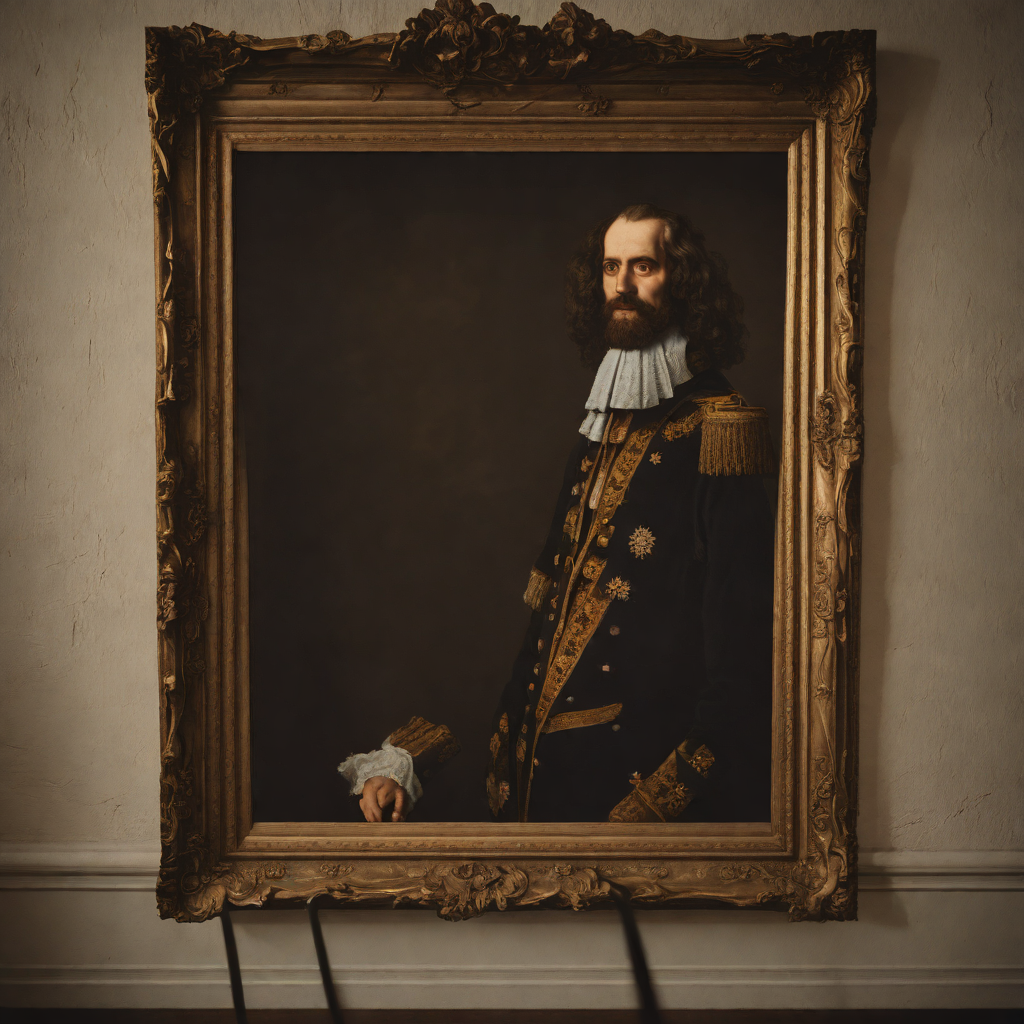
Shadows and Light in the Gilded Hall
The chandeliers of the Picture Gallery at Buckingham Palace are accustomed to illuminating the triumphs of empire, but on this Tuesday evening, January 27, 2026, they cast their light on a more somber realization: the era of the eyewitness is ending. The reception, hosted by King Charles III to mark Holocaust Memorial Day, was less a celebration and more a solemn changing of the guard.
Four years have passed since these portraits were unveiled in 2022, a moment when the subjects stood beside their likenesses. Today, the gallery felt noticeably emptier. The vibrant presence of Zigi Shipper, who passed in 2023, and the indomitable spirit of Lily Ebert, who died in 2024, were absent from the room, replaced entirely by the oil and canvas that now serve as their eternal proxies.
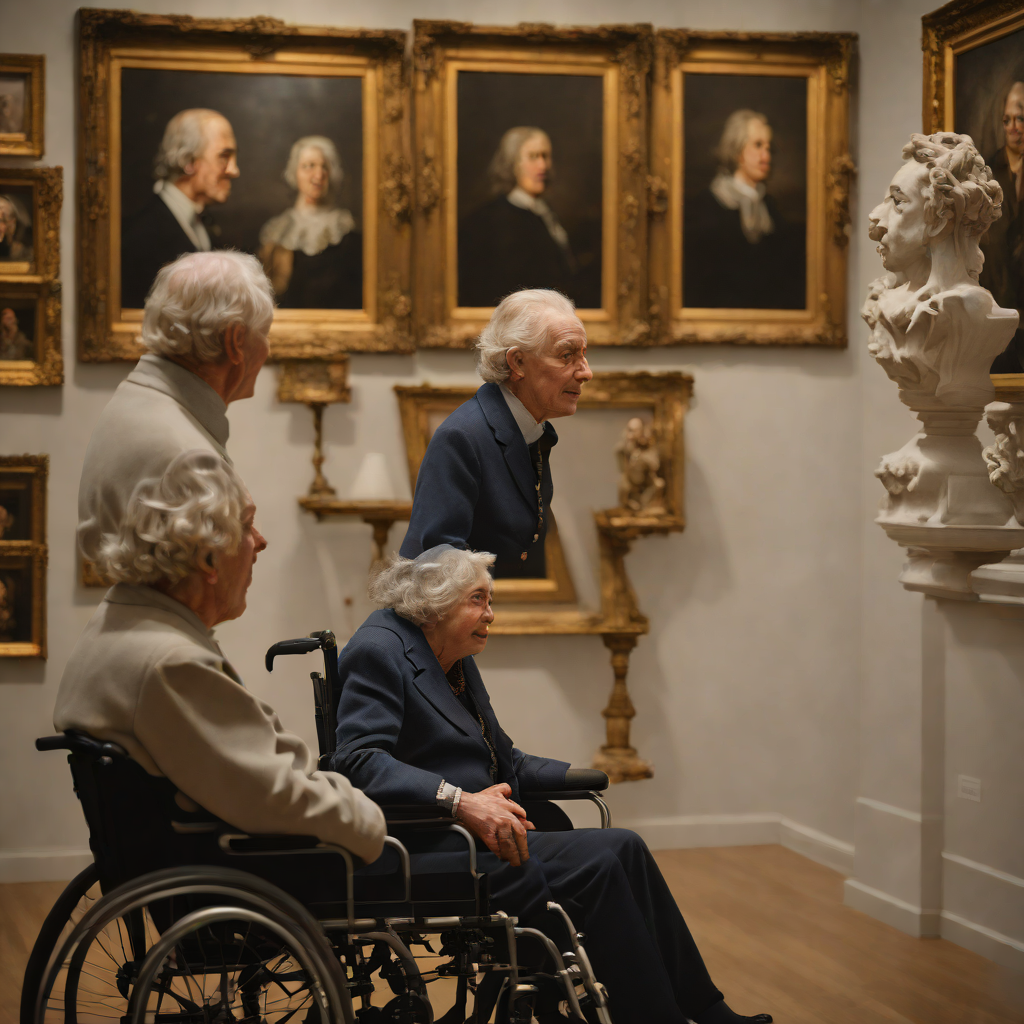
This visual silence speaks louder than any eulogy. The seven portraits, commissioned for the Royal Collection, were intended to be a "living memorial," but as 2026 dawns, the collection is rapidly transforming into a historical archive. The few remaining survivors move through the Gilded Hall with a fragility that contrasts sharply with the permanence of the art on the walls.
For the American observer, often caught in the churn of a 24-hour news cycle that privileges the immediate over the enduring, the scene offers a stark lesson in the necessity of institutional stewardship. The transition flagged by historians for decades is no longer theoretical; it is here. The burden of proof is shifting from the tattoo on a wrist to the plaque in a museum.
Canvas as Witness
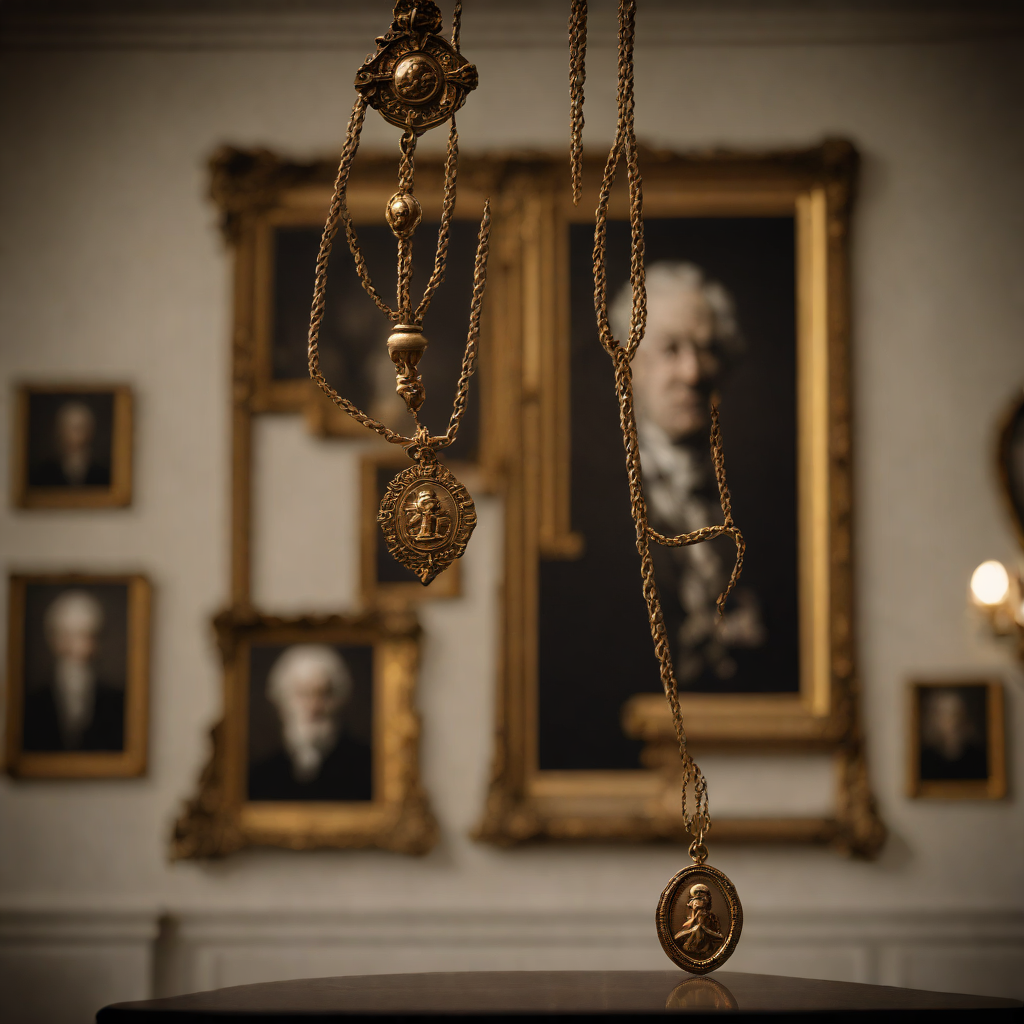
Standing before Ishbel Myerscough’s painting of Lily Ebert, visitors often note the specific luminosity of the gold pendant painted on Ebert’s chest. For educators and historians viewing the work, it feels less like a painting and more like a paused conversation—an expectation of speech from a figure who can no longer testify.
The portrait of Ebert is unsparing yet tender. Myerscough captured the Auschwitz survivor’s formidable gaze—the eyes of a woman who promised herself she would survive to tell the story. Now, that painted gaze is the primary testimony remaining. The collection, titled Seven Portraits: Surviving the Holocaust, was intended to act as a living memorial, but in the harsh light of 2026, the context has shifted. Zigi Shipper, whose warmth was immortalized in Jenny Saville’s visceral, translucent style, is gone. Manfred Goldberg, painted with stoic grace by Clara Drummond, remains a vital link to the past, yet his portrait hangs alongside those who have already departed, creating a triptych of presence and absence that underscores the terrifying fragility of memory.
The artistic choices across the collection reject the monochrome tropes of victimhood. There are no striped pyjamas here, no barbed wire backgrounds. Instead, the artists focused on the individuality of the survivors in their final years. In Saville’s portrait of Shipper, the brushstrokes are loose, almost ephemeral, suggesting a spirit that refuses to be pinned down by the weight of its trauma. This diversity of style asserts a crucial political and human rights point: these individuals were not a monolith defined solely by genocide; they were, and are, distinct, complex human beings.
The Fragility of Freedom in a Hardened World
The somber atmosphere at the Palace lands with an unsettling resonance in a year defined by the hardening of global borders and the resurgence of isolationism. With the Trump administration's renewed focus on deregulation and the tightening of immigration policies—echoed across the Atlantic by a "Fortress Europe" similarly anxious about migration—the concept of "freedom" is undergoing a radical stress test.
It is no longer the universal abstract celebrated in post-war treaties, but a transactional commodity, often secured by exclusion. As noted by the Holocaust Memorial Day Trust, the fragility of freedom is not theoretical; it is exposed whenever the rule of law bows to the expediency of security or the populism of the moment. The "Adjustment Crisis" of 2026, with its economic anxieties driving a wedge between white-collar stability and the working class, further exacerbates this divide, creating fertile ground for the very scapegoating narratives that history warns against.

The dissonance between the painted eyes of the survivors and the headlines of the day is palpable. In the portrait of Zigi Shipper, there is a warmth that belies the horror of his youth; yet, viewing it today requires confronting the uncomfortable reality that the liberal international order, which facilitated his survival and subsequent life in the UK, is fracturing. Critics argue that the West is retreating into a defensive crouch. Analysis suggests that the "Never Again" pledge is being quietly redrafted into "Never Us," as nations prioritize sovereign impermeability over humanitarian obligation.
The Crisis of Testimony
This transition is not merely sentimental; it is a structural crisis for historical truth. For eighty years, the "Never Again" mandate relied on the visceral, irrefutable presence of the witness. When a survivor rolls up their sleeve to reveal a tattooed number, the debate ends. But as 2026 dawns under the shadow of a fractured information ecosystem—where deepfakes proliferate and algorithms prioritize engagement over accuracy—the loss of the living witness removes the ultimate verification mechanism.
For educators on the front lines, this abstraction is already palpable. Five years ago, digital interactions with survivors held students spellbound through the authenticity of human connection. Now, without that direct link, the Holocaust risks becoming just another piece of "content" in a feed, sandwiched between AI influencers and gaming streams. Without the human tether, skepticism creeps in.
This shift underscores the fragility of instructional models that presume facts, once presented, are self-evident. In an era where political leaders rail against "institutional narratives" and champion a deregulated marketplace of ideas, the truth is no longer a protected asset—it is a commodity fighting for market share. The United States Holocaust Memorial Museum has long anticipated this moment, pivoting aggressively toward holographic testimonies and immersive VR. Yet, the question remains: Can a hologram carry the moral weight of a human hand?
The Monarchy as Memory Keeper
For King Charles, this is a calculated deployment of "soft power" at a moment when hard political power is increasingly fractured. By placing a survivor of Bergen-Belsen on the same walls as Tudor Kings, the Monarchy is asserting that the memory of the Holocaust is as central to the Western democratic identity as the Crown itself.
This pivot to "institutional stewardship" suggests that the ultimate defense against the erosion of freedom is not just legal—protected by the Constitution or the courts—but cultural. If the First Amendment protects the right to speak, institutions like the Royal Collection are asserting a duty to remember. As the last generation of survivors fades, the burden of proof shifts from the tattoo on a forearm to the paint on a canvas, asking us whether art is strong enough to hold the line against the comfortable numbness of forgetting.