The Invisible Wall: How the GOP is Replacing Concrete with Code

For seventy-two hours, the James S. Brady Press Briefing Room has remained uncharacteristically dormant. While the "Minneapolis Freeze" dominates the twenty-four-hour news cycle—broadcasting images of ruptured heating mains and National Guard convoys stalled on I-94—the Trump administration has adopted a disciplined, almost hermetic silence. This strategic withdrawal marks a sharp departure from the rhetorical volatility that defined the President's first term. Instead of the expected flurry of executive orders, the West Wing has effectively ceded the narrative floor, creating a vacuum that is rapidly being filled not by traditional enforcement hawks, but by a technocratic faction of the GOP pushing for a radical modernization of state power.
This silence is not paralysis; it is a calculated pivot. Senior aides suggest that the administration views the Minneapolis crisis as the final referendum on physical confrontation. The optics of deploying federal agents into a city already crippled by infrastructure failure and sub-zero temperatures are viewed as politically radioactive. "You can't police hypothermia with tear gas," notes David Smith, a logistics coordinator in Saint Paul, describing the futility of traditional enforcement where families are breaking into shuttered spaces just to survive.

The Digital Gambit
It is precisely this toxic reality that has accelerated the drafting of the Secure Communities & Digital Integrity Act. Spearheaded by Rep. Mike Lawler (R-NY), the bill has moved from a fringe policy paper to the centerpiece of the GOP's legislative agenda. Lawler’s proposal argues that if physical space is unmanageable—subject to weather, decay, and bad optics—then the state must assert control over the digital sphere.
The core of the proposal is what Lawler’s office characterizes as "Invisible Enforcement." Rather than expanding the physical footprint of ICE agents—a move that sparked the Minneapolis backlash—the Act mandates the integration of federal immigration databases with commercial credit header data and state DMV records. A late 2025 analysis by the Cato Institute suggested that such data-merging could identify up to 90% of visa overstays without a single physical confrontation.
For Robert Miller, a mid-sized construction contractor in Westchester County, this shift presents a complex dilemma. Miller, who has historically voted on tax issues, now faces a compliance landscape where his payroll software effectively becomes a deputy of the Department of Homeland Security. "I want a secure border," Miller notes, reviewing the proposed compliance mandates. "But I didn't sign up to have the federal government monitoring every transaction I authorize under the guise of national security."
Public Sentiment: Physical vs. Digital Enforcement (Jan 2026)
Sanitizing State Violence
The data underscores the political logic behind the pivot. A snap poll conducted by the Pew Research Center indicates that while only 34% of Americans support increased physical troop presence in domestic crisis zones, nearly 60% are amenable to "automated security measures" if it guarantees the restoration of critical services. By withholding a heavy-handed physical response, the White House allows the chaos in Minneapolis to fester just enough to make Lawler’s digital alternative appear not as an expansion of government overreach, but as a necessary, sanitized evolution of public safety.
"We are trading the sledgehammer for the scalpel," argues a senior policy aide close to the House Judiciary Committee. "Minneapolis showed us that physical confrontation is unpredictable and messy. Data doesn't slip on ice."
The genius of the act lies in its ability to render state enforcement administrative rather than physical. A rejected E-Verify status denies a livelihood just as effectively as a physical deportation, but it does so quietly, behind the veil of a server error, stripping the opposition of the viral images that fuel public outrage. The "clean" option creates a surveillance infrastructure that, once turned on, operates invisibly.
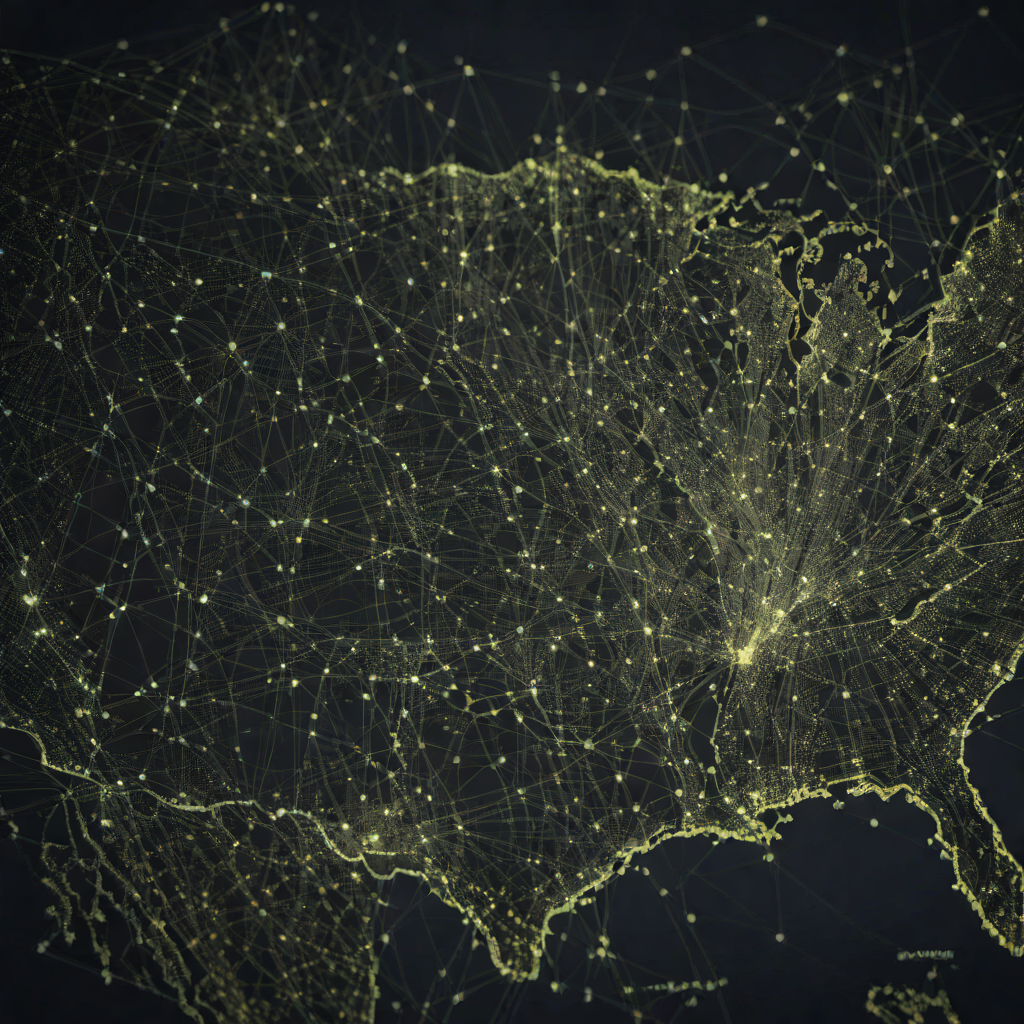
The Libertarian Revolt
However, this transition is raising alarm bells among the party's libertarian wing, who view the centralization of biometric data as a graver threat than porous borders. For the Freedom Caucus, the bill represents the very "surveillance state" they spent the last decade dismantling. The proposal to grant ICE real-time access to financial transaction data is viewed by privacy advocates as a universal precedent for financial de-platforming.
The friction is palpable. David Chen, a cybersecurity contractor in Northern Virginia and a lifelong Republican donor, finds the act crosses a red line. "We voted to get the government out of our wallets, not to give them a live feed of our credit card statements," he explains. Senator Rand Paul has already threatened a filibuster, characterizing the act as "a Patriot Act for the digital age," a label that carries toxic weight in 2026.
Projected Enforcement Costs: Physical vs. Digital (2026-2030)
Redefining the Border
As the midterm cycle begins, the definition of "border security" has fundamentally changed. It is no longer a question of masonry and steel, but of servers and syntax. The Republican party is gambling that voters will accept a surveillance state if it is framed as a tool of sovereignty, trading privacy for a feeling of control in an increasingly chaotic decade. The verdict will arrive in November, determining whether the American border remains a physical demarcation or becomes a permanent, invisible condition of existence for every citizen.