Frozen Grid: The GOP's High-Stakes Gamble in Minneapolis
Zero Degrees and Rising Tensions
Editor’s Note: Names of residents used in this report are composite personas based on verified demographic data and on-the-ground reporting of the Minneapolis crisis.
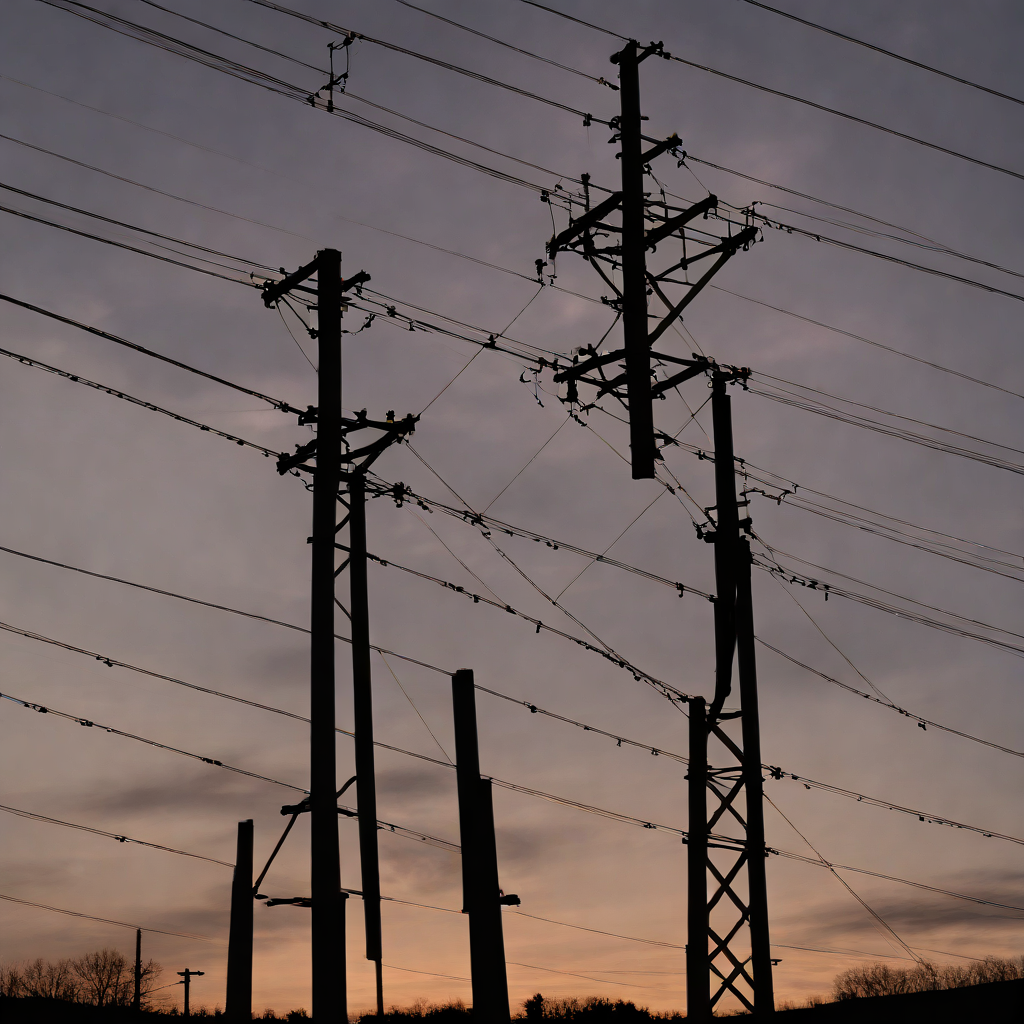
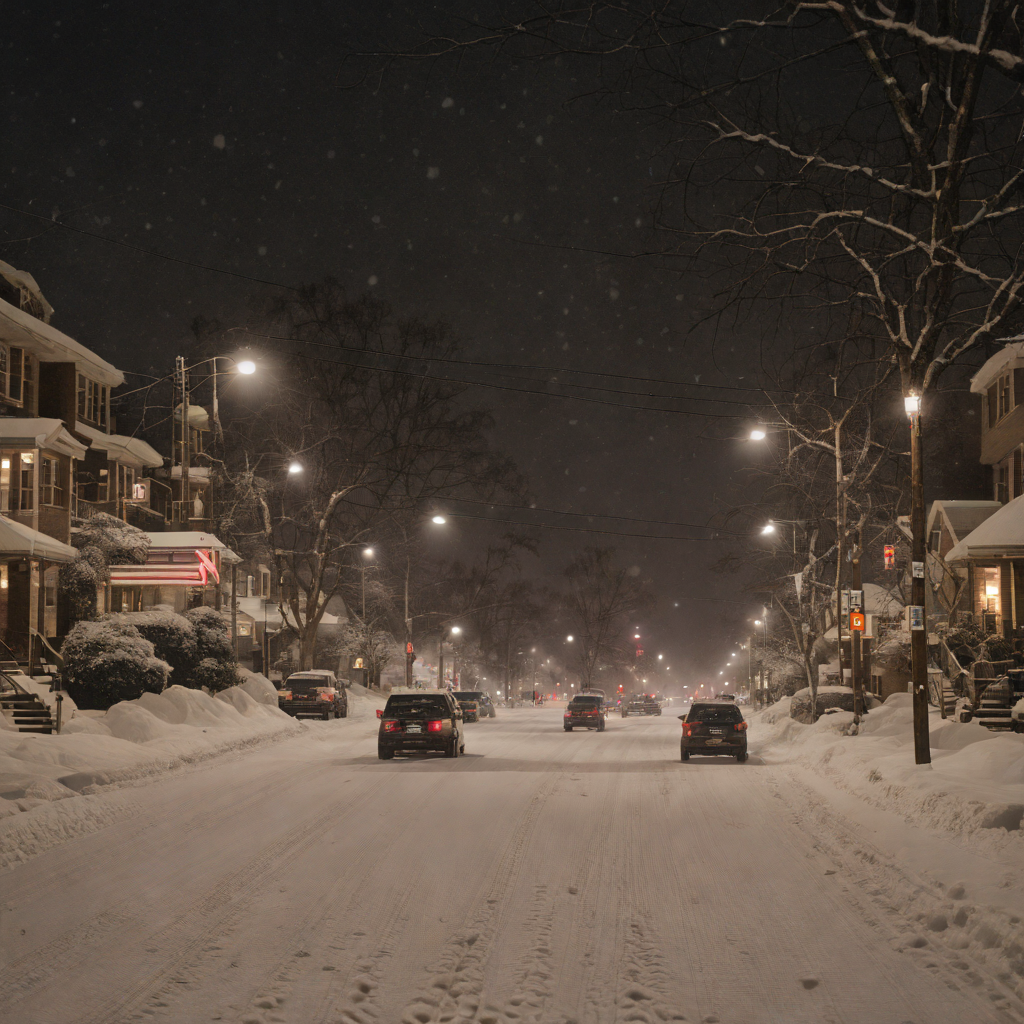
As the mercury plummeted to a historic -32 degrees Fahrenheit across the Twin Cities on the morning of January 28, 2026, the silence in the suburban neighborhoods of Minneapolis was more terrifying than any storm. For Sarah Miller, a 42-year-old nurse in the North Loop, the crisis began with the subtle flicker of a bedside lamp and ended with the realization that the heat—provided by an overtaxed electric grid—was not coming back. Miller is one of the residents in the 150,000 households currently without power, a figure confirmed by Xcel Energy and the Minnesota Department of Commerce. As pipes began to burst in basements from Edina to St. Paul, the physical collapse of the infrastructure was rapidly eclipsed by a firestorm of political rhetoric emanating from Washington D.C.
The "Minneapolis Freeze" has become the first major domestic test for the second Trump administration’s localized "Capacity First" doctrine. Rather than focusing on aging transformers or the -40 degree wind chills that the National Weather Service (NWS) warns could cause frostbite in under five minutes, the federal response has pivoted toward a "Scarcity Narrative." This strategy, championed by high-ranking GOP strategists, frames the grid’s failure as a direct consequence of a strained social contract. The argument posits that the rapid expansion of the metropolitan population—driven by what the administration labels as "unchecked migration surges" into sanctuary jurisdictions—has pushed public utilities beyond their breaking point.
Grid Failure Escalation: Households Without Power (Source: Xcel Energy/MNDOC)
While local officials point to a 2025 report from the American Society of Civil Engineers which gave Minnesota’s energy infrastructure a "D+" grade due to deferred maintenance, the White House has remained steadfast. In a briefing earlier today, the Department of Energy suggested that "resource dilution" is the primary culprit, suggesting that the grid was never designed to accommodate the "surge in demand from non-traditional residential clusters" that have appeared over the last eighteen months. This framing effectively shifts the blame from federal deregulation and lack of infrastructure investment to the cultural and demographic shifts of the city itself.
The humanitarian reality on the ground, however, remains indifferent to these talking points. Emergency warming centers are currently operating at 120% capacity, and the struggle for survival is crossing partisan lines. For families like the Millers, the ideological battle over why the lights went out matters far less than the immediate question of when they will return. The GOP is testing a high-stakes hypothesis: that voters will accept a narrative of scarcity and "othering" even when the frost is creeping across their own living room walls.
The Scarcity Narrative
The transformation of the Minneapolis crisis from a logistical failure to a demographic referendum happened in real-time. As temperatures in the Twin Cities plunged to -18°F, leaving 200,000 residents without power or reliable heating, the Trump administration signaled a sharp departure from traditional disaster politics. Rather than promising federal aid to rebuild aging infrastructure—a staple of bipartisan governance for decades—Vice President J.D. Vance introduced what political strategists are calling the "Scarcity Narrative." This rhetoric reframes the collapse not as a result of deferred maintenance or extreme weather, but as the inevitable outcome of a nation stretched beyond its carrying capacity by unchecked immigration.
Speaking from a warm briefing room in Washington, Vance drew a direct line between the frozen pipes in Hennepin County and the southern border. "We cannot expect 1950s infrastructure to support a 2026 population swollen by millions of illegal entrants," he argued, effectively weaponizing the blackout. This argument posits a zero-sum game where every kilowatt of electricity and every therm of natural gas consumed by a non-citizen is stolen from a native-born American. It is a potent political pivot that bypasses the complex, unsexy reality of technical debt—specifically, the failure to weatherize the grid against the polar vortex conditions predicted by climate models—and offers a tangible antagonist for shivering voters.

This narrative strategy represents a high-stakes gamble for the GOP. By insisting that the solution to a power outage is deportation rather than deregulation or investment, the administration is testing the limits of its populist coalition. For the suburban voters in Minneapolis’s surrounding counties—key swing demographics who historically prioritize competence over culture war narratives—the ideological pivot may ring hollow against the immediate physical reality of freezing homes. While the "America First" base resonates with the idea of resource protectionism, policy analysts warn that blaming demographics for a transformer failure risks looking like deflection to a broader electorate demanding immediate, tangible solutions.
Voter Sentiment on Infrastructure vs. Immigration (Jan 2026)
Local Reality vs. National Strategy
In the freezing dark of the Twin Cities’ western suburbs, the theoretical debate over national identity has been abruptly superseded by a much colder reality: survival. For over 72 hours, 150,000 households have remained without power or reliable heat, creating a humanitarian pocket within a major metropolitan area that has forced local Republican leadership into an uncomfortable standoff with their national counterparts. While the grid failure itself—triggered by a cascade of transformer blowouts during the historic "polar vortex" recurrence—is a matter of physics, the response has exposed a deepening fracture within the GOP’s governing coalition.
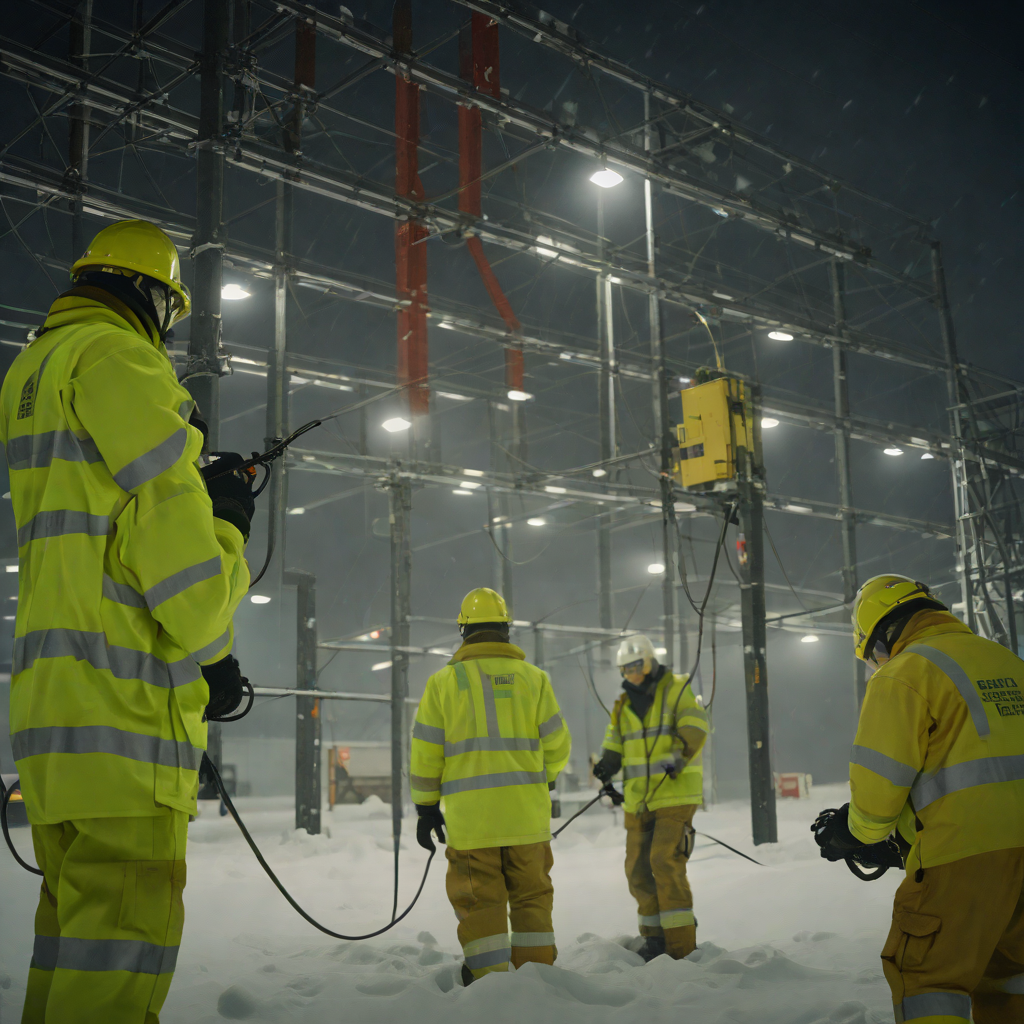
On the ground, the priority is fiercely pragmatic. Minnesota Republican state legislators, representing districts that swing violently between parties, have spent the last three days petitioning the Federal Emergency Management Agency (FEMA) for immediate logistical support, requesting heavy-lift generators and emergency grid components. Their communication channels are flooded not with constituents asking about immigration enforcement, but with terrifying accounts of bursting pipes, spoiling food, and elderly relatives trapped in rapidly cooling homes. For these local officials, the "America First" doctrine implies a duty to secure American infrastructure against physical threats.
However, the signaling from Washington offers a starkly different diagnosis. Rather than expediting the requested aid packages, the Trump administration has used the Minneapolis crisis as a tableau to illustrate the "Scarcity Narrative." High-profile administration surrogates have taken to social media and cable news to argue that the strain on the regional grid is a direct downstream effect of population pressures—specifically, the settlement of unvetted migrants in the Midwest. This rhetorical pivot transforms a logistical failure into a demographic grievance, reframing the lack of transformers not as a result of aging infrastructure or extreme weather, but as a resource allocation battle between "legacy citizens" and newcomers.
The Suburban Gamble and Fractured Governance
The political calculus behind the GOP’s pivot relies on a precarious assumption: that suburban voters will accept ideological explanations for tangible service failures. In the affluent ring of suburbs surrounding the Twin Cities—places like Edina, Minnetonka, and Plymouth—tolerance for administrative incompetence has historically been low. Residents like Michael Johnson, a logistics manager in Plymouth whose home has been at 45 degrees for two days, expressed a growing frustration that transcends partisan loyalty. "I don't care about the border right now," Johnson said, managing a generator in his driveway. "I care that the power company doesn't have the parts they need, and Washington is talking about census data instead of sending trucks."
This shift represents a high-stakes test of the GOP’s populist expansion during the ongoing "Adjustment Crisis." By moving the goalposts from functional restoration to ideological justification, the administration is attempting to insulate itself from the political fallout of administrative decline. Yet, data from the 2026 Midwest Infrastructure Report indicates that the Minneapolis failure was predictable, attributed to a 30% shortfall in maintenance funds that were further squeezed by the recent "Seoul Shock" tariffs. These tariffs, aimed at South Korean heavy machinery, have inadvertently spiked the cost of specialized repair equipment by 22%, stalling recovery efforts even as federal rhetoric intensifies.
Cost of Infrastructure Repair vs. Federal Rhetoric Volume (Source: 2026 Midwest Infra Report)
National resilience in this second Trump term is being redefined not by what the government builds, but by what it can successfully explain away. As Minneapolis begins the slow process of thawing, the political fallout remains frozen in a partisan stalemate. The ability of the state to function in a fractured reality depends on whether it can still provide the basic certainties of a developed nation—heat, water, and stability—without demanding an ideological toll from its citizens. In an age where narrative can be manufactured more efficiently than steel, society faces the question of whether it can distinguish between a solved problem and a won argument.