The Open Door Dilemma: Can 770 Be Both Sanctuary and Fortress?
A Sanctuary Breached
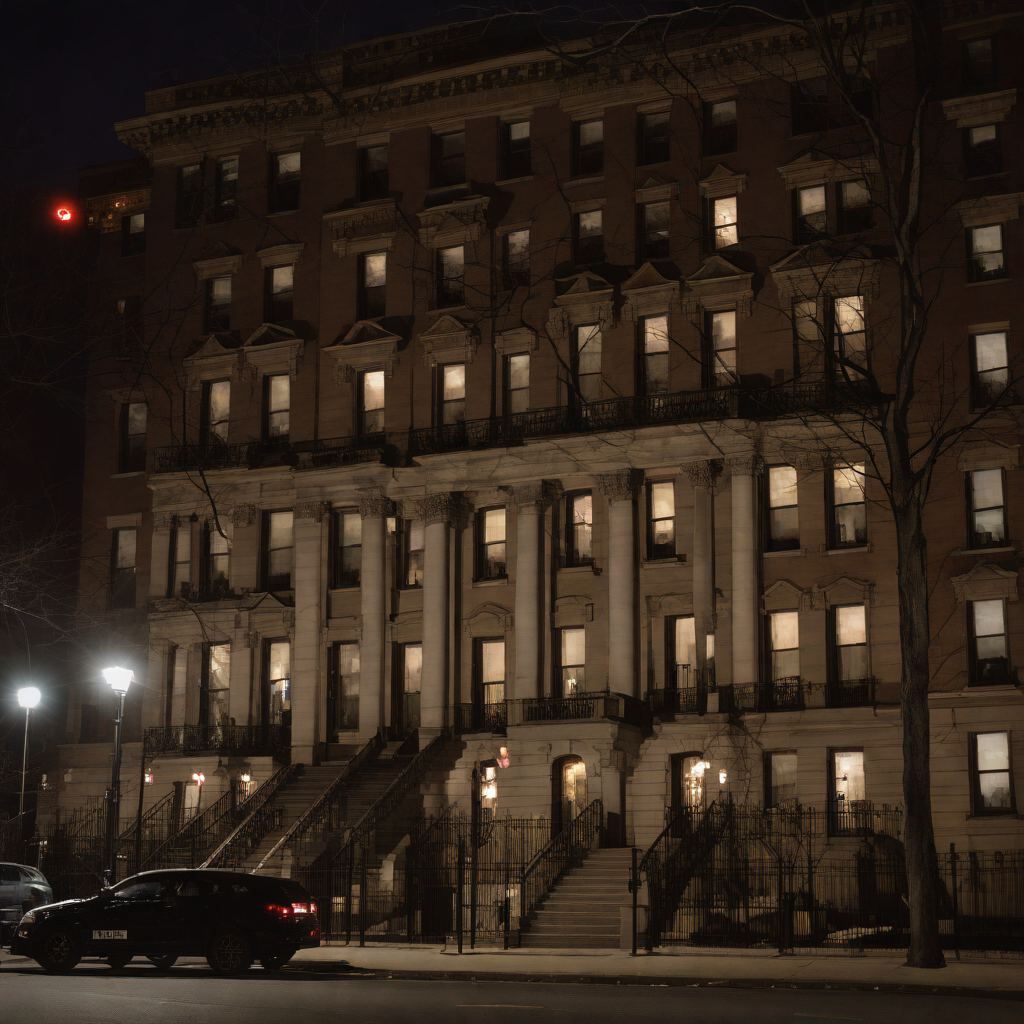
The familiar hum of a Wednesday evening on Eastern Parkway was shattered by the screech of tires and the sickening crunch of metal against stone. On January 28, 2026, a vehicle deliberately mounted the curb and rammed into the facade of 770 Eastern Parkway, the world headquarters of the Chabad-Lubavitch movement. The immediate aftermath was a scene of chaos and disbelief. Dust and debris filled the air as shouts erupted, mixing with the blare of a car alarm. For a few terrifying moments, no one knew if the assault was over or if it was just the beginning.
The New York Police Department confirmed the arrest of a 42-year-old male suspect at the scene. According to an initial NYPD release, the driver has a history of documented mental health challenges with no discernible ties to any organized terror group. While the investigation remains focused on the individual's motives, the act itself was a targeted strike on a global symbol of Jewish life that prides itself on accessibility.
More Than a Building
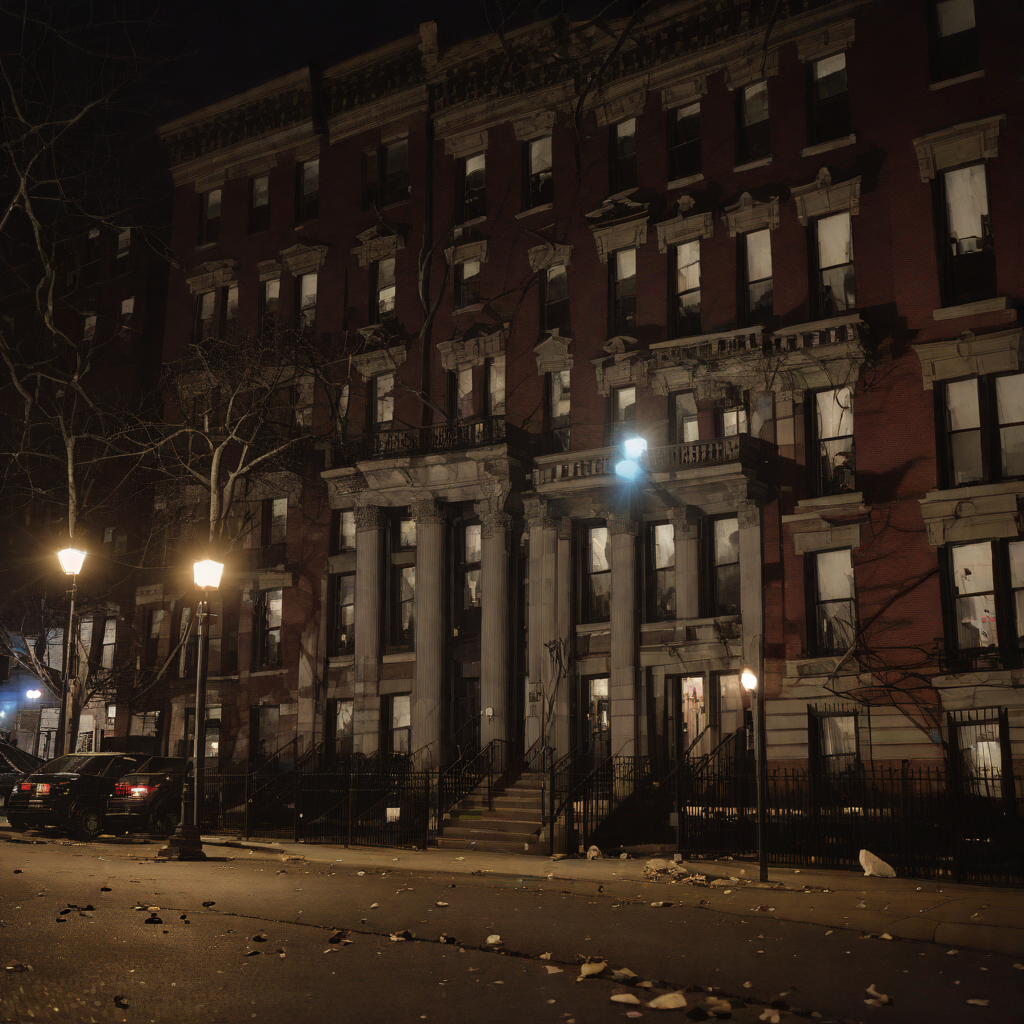
To the uninitiated, it is simply a Gothic Revival townhouse in Brooklyn's Crown Heights. But for the global Chabad-Lubavitch movement, it is "770"—the singular, symbolic center of a spiritual world. More than a headquarters, it is a place of pilgrimage, study, and prayer, a site whose image is replicated in Chabad centers from Texas to Thailand. An attack on this building is not merely an act of local violence; it is an assault on a global Jewish artery.
The building's immense significance stems from its history as the home and synagogue of the movement's last two leaders, Rabbi Yosef Yitzchak Schneersohn and his son-in-law, Rabbi Menachem Mendel Schneerson, known universally as "the Rebbe." The Rebbe broadcast his teachings from 770, transforming it into the command center for a worldwide network of emissaries. For his followers, the building is imbued with his presence and purpose. "Every brick is sacred," a Chabad scholar once told the New York Times. "When you pray at 770, you feel connected to the entire history of the movement and to every Jew in the world."
This week's assault, however, is not the first time the building's sanctity has been tested. The community carries the memory of two starkly different, yet cumulative, traumas in recent years. In January 2024, a chaotic brawl erupted over an unauthorized tunnel dug by a group of students attempting to connect to the main synagogue. That incident, a painful family affair that resulted in arrests and a temporary closure for a structural safety assessment, was a conflict within the movement. Yet it exposed how quickly the building’s open nature could be turned against itself. The memory of another, earlier attack by a vehicle also lingers over Crown Heights, serving as a grim benchmark for modern security threats and prompting a constant, tense dialogue about balancing openness with safety.
The Open Door Dilemma
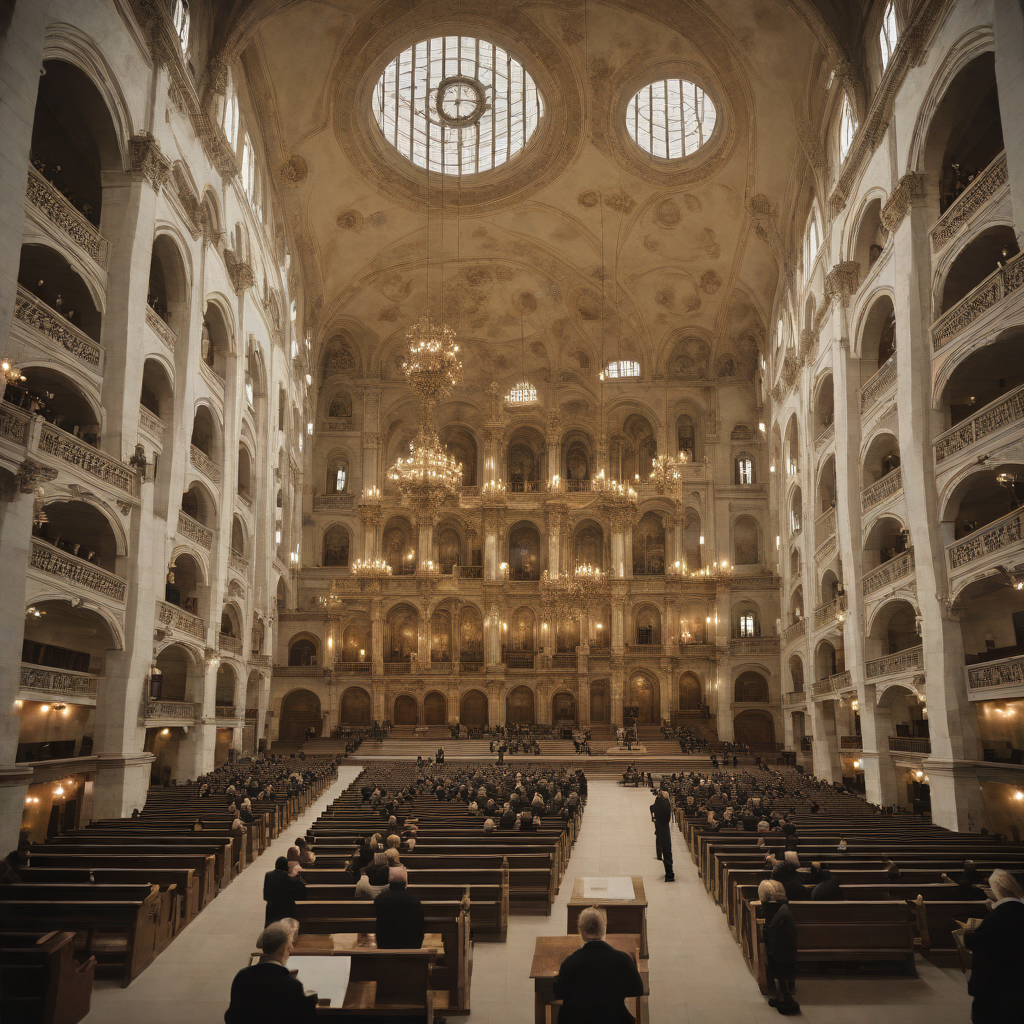
The January 28th attack represents a critical stress test, escalating the threat from internal disruption to external, kinetic assault. It weaponizes the very public accessibility that is central to the institution's mission and brings a long-standing debate to a painful forefront. The Chabad-Lubavitch world headquarters is not a fortress; it is a spiritual hub designed to be perpetually open, a core tenet of its global outreach mission. For decades, its doors have welcomed a constant flow of visitors for prayer and study, 24 hours a day. This philosophy of radical accessibility now finds itself in direct conflict with the harsh realities of urban security in 2026.
The dilemma is profound. To "harden" 770 with the type of security now common at airports or government buildings—mantraps, extensive screening, restricted access—would be to betray its foundational purpose. Yet, to ignore the escalating threats is to invite tragedy. As noted by Rabbi Motti Seligson, a spokesperson for the movement, after the 2024 incidents, there was a profound reluctance to turn the headquarters into a fortress. The core mission of 770, he argued, was one of openness.
In the aftermath of this week's ramming, the response in Crown Heights was not one of panic, but of practiced, solemn resolve. The flashing lights and cordoned-off streets were a painfully familiar tableau. Drawing from the deep well of experience, the community's reaction is both a reflection and an evolution of that prior resolve. The conversation has sharpened, moving beyond recovery to prevention. This single building in Crown Heights thus becomes a microcosm of a larger societal debate: How do free and open institutions survive in an age of targeted violence?