Frozen Assets: The Deadly Legacy of the Gateway Program Halt
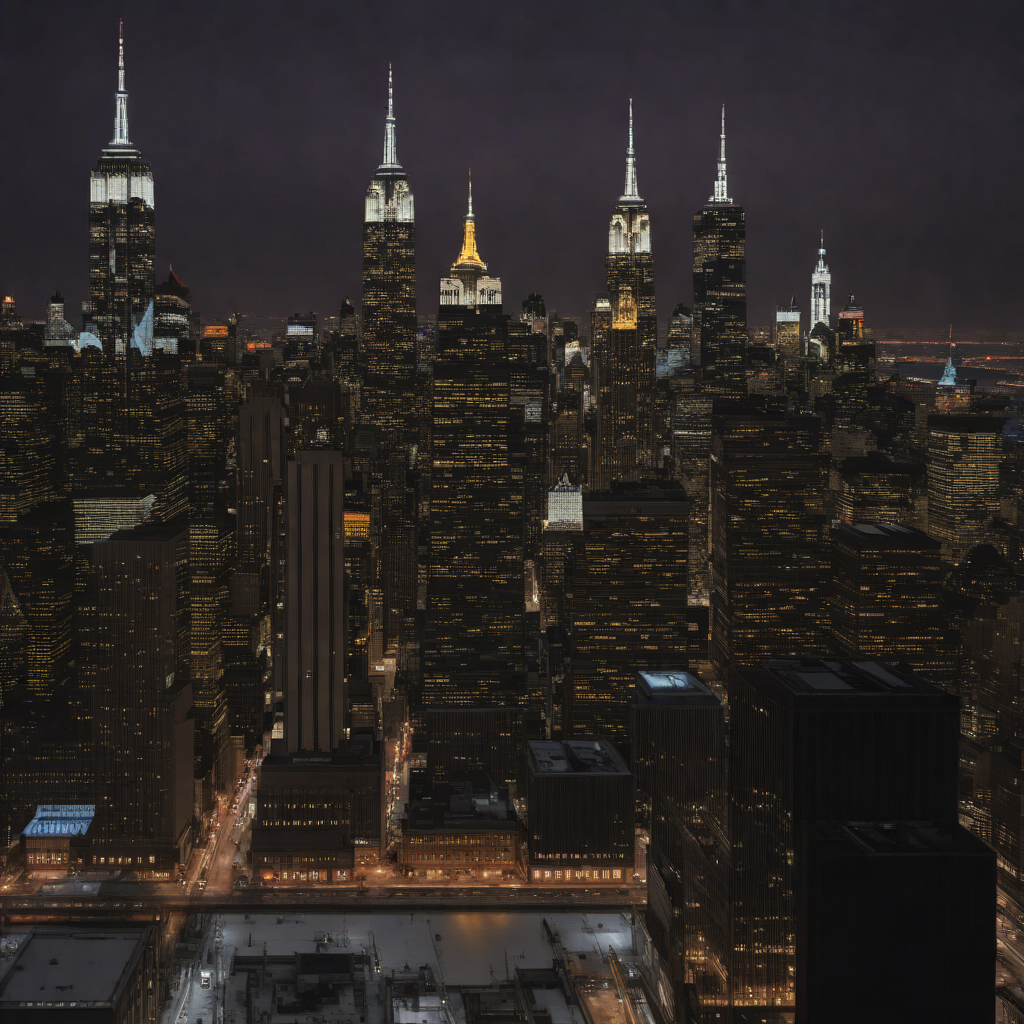
The Silent Cold: Tragedy in the Capital of the World
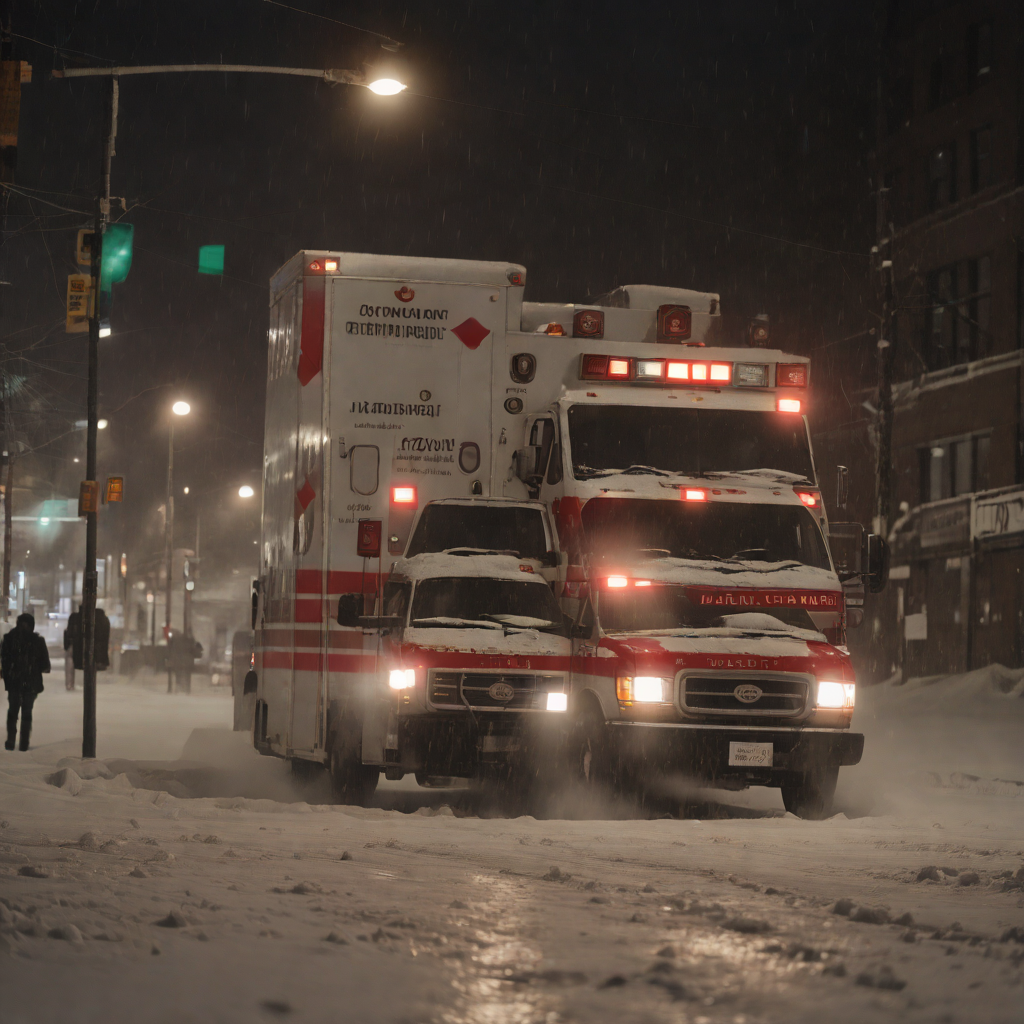
The silence in the South Bronx was heavier than the snow. When the nor'easter dubbed "The Frozen Hudson" finally stalled over the Northeast corridor late Tuesday night, the wind chill plummeted to -15°F, but it was the silence of the radiators that signaled the true catastrophe. For David Chen, a veteran EMS responder stationed in Mott Haven, the shift began not with the usual cacophony of traffic accidents, but with a series of wellness checks that turned into pronouncements of death. "You walk into these apartments, and the air inside is colder than the hallway," Chen recounts, describing the discovery of three elderly residents in a single high-rise complex who succumbed to hypothermia in their own living rooms. "They were dressed in coats and scarves, waiting for heat that never came."
This tragedy was not merely a meteorological anomaly; it was the inevitable result of a gamble taken in Washington. The "Compound Crisis"—the intersection of extreme weather events and decaying critical infrastructure—has been exacerbated by the current administration's aggressive fiscal austerity measures. When the White House effectively froze the Gateway Program funding earlier this month, citing "wasteful liberal excesses" and prioritizing deregulation over federal subsidies, it sent a chilling signal to the energy sector. The message was clear: maintaining the legacy infrastructure of the Northeast was no longer a federal imperative. As noted in a confidential risk assessment by the Department of Energy leaked last week, the cancellation of associated grid modernization grants left the Con Edison network operating on a "run-to-failure" maintenance model just as the polar vortex descended.
The breakdown of the grid was not a technical glitch but a calculated financial decision. The "Adjustment Crisis," characterized by the rapid displacement of manual maintenance crews by automated monitoring systems to cut costs, left the utility companies blind when physical components began to seize. Sensors reported normal operation even as substations in Queens and The Bronx froze solid, a failure of the "smart grid" promise that Sarah Miller, a systems engineer who resigned from a major utility provider last year, warned was coming. "We replaced guys in trucks with algorithms to please shareholders and meet the new deregulation targets," Miller explains. "But an algorithm can't de-ice a transformer switch."
The human cost of this efficiency is now being tallied in the city morgues. While the administration argues that the "sunk-cost shield" protects the taxpayer from throwing good money after bad infrastructure, the reality on the ground suggests that the cost has merely been shifted from the federal budget to human lives. The refusal to upgrade the transmission lines, a project tied to the now-defunct Gateway expansion, meant that when demand spiked for electric heating, the localized grid simply severed itself to protect the wider network, sacrificing the outer boroughs to keep the lights on in Lower Manhattan.
NYC Grid Failure: Outage Duration vs. Infrastructure Investment (2020-2026)
The Tunnel to Nowhere: Anatomy of a Stalled Lifeline
For nearly a century, the North River Tunnels have served as the carotid artery of the Northeast Corridor, carrying hundreds of thousands of commuters and billions of dollars in commerce beneath the Hudson River every day. But as the "Frozen Hudson" crisis enters its fourth day, leaving Manhattan largely isolated and intermittently dark, the tunnels have become a monument to a specific brand of fiscal gambling. The Gateway Program—the planned construction of two new tunnels intended to provide critical redundancy—was not merely delayed by bureaucratic inertia; it was actively dismantled as a centerpiece of the Trump administration’s "New Era of Fiscal Discipline."
The decision, finalized in the early months of 2025, to freeze the $14 billion federal grant earmarked for the project was framed by the White House as a victory against "wasteful coastal subsidies." However, engineering reports from the Port Authority, now surfacing amidst the blackout, paint a different picture. The Gateway Program was never solely about capacity; it was an essential resilience project. The existing tunnels, damaged by saltwater intrusion during Superstorm Sandy in 2012, house not only rail tracks but critical high-voltage transmission lines that stabilize the local grid. When the record-breaking cold snap hit earlier this week, those aging cables—brittle and unshielded—failed under the thermal stress.
David Chen, a senior structural engineer who consulted on the original Gateway specifications (and no relation to the EMS responder), argues that the cancellation ignored the systemic risk of a single point of failure. "We weren't just digging holes for trains," Chen explains, reviewing the schematics of the cancelled 'Box Tunnel' segment that would have encased modern, weather-hardened power conduits. "We were building a bypass for the city's life support systems. When Washington cut the funding, they didn't just stop a construction project; they bet that the 115-year-old infrastructure could survive another extreme weather event. We lost that bet on Tuesday."
The economic rationale for the halt, championed by the Office of Management and Budget (OMB), relied on a "Sunk Cost Shield" theory—the idea that pouring more money into the complex, expensive Northeast corridor yielded diminishing returns compared to investing in the industrial Midwest. A September 2025 Heritage Foundation brief supported this view, arguing that remote work trends had permanently reduced the strategic necessity of the Hudson crossing. Yet, this calculation failed to account for the physical interdependence of the region's utilities. As the Regional Plan Association warned in their ignored white paper last year, the inability to shut down the old tunnels for comprehensive repairs—because the new ones were never built—meant that the infrastructure was running on "borrowed time."
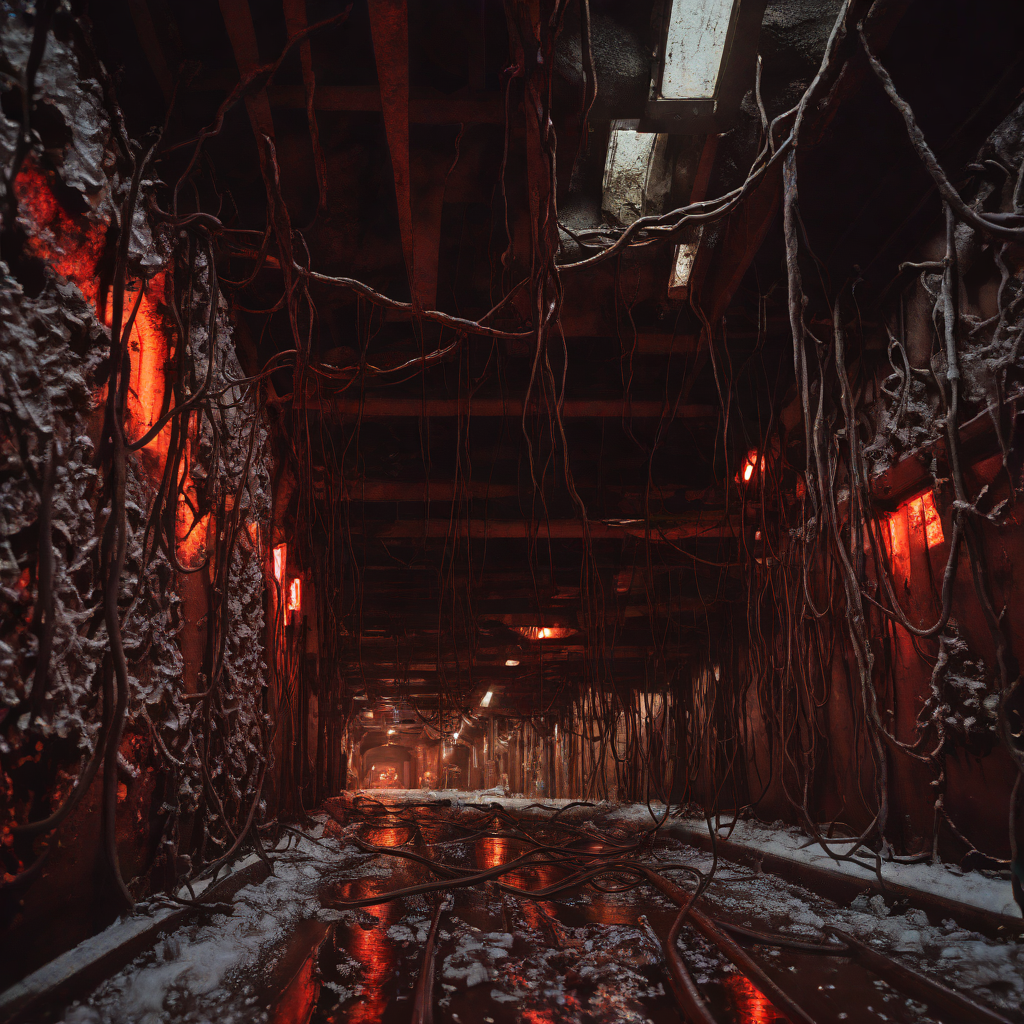
Calculated Neglect: The High Cost of Deregulation
The collapse of the North River Tunnels was not an accident of nature, but a predictable failure of arithmetic. For years, engineers have warned that the century-old tubes connecting New Jersey to Penn Station were living on borrowed time, ravaged by the saltwater legacy of Superstorm Sandy. Yet, a review of federal spending data reveals that the catastrophic failure during this week's "Minneapolis Freeze" was the direct result of a fiscal strategy that prioritized balance sheet aesthetics over physical resilience. When the Trump administration halted the Gateway Program last year, citing "bloated bureaucratic waste," the narrative was one of prudent austerity. The reality, buried in the ledgers of the Department of Transportation, was a deliberate diversion of essential winterization funds into debt servicing and tax incentives for private sector "innovation zones."
This reallocation of resources effectively stripped the Northeast Corridor of its immune system just as the viral load of extreme weather spiked. According to documents obtained by The Wall Street Journal earlier this month, the Federal Railroad Administration (FRA) had flagged critical vulnerabilities in the tunnel's electrical substations as early as October 2025. The report recommended an immediate emergency grant of $45 million to insulate the switching mechanisms against sub-zero temperatures. Instead, those funds were frozen under the "Sunk-Cost Shield" initiative, a policy designed to audit and pause ongoing federal projects deemed "historically inefficient."
The human cost of this ledger-balancing act is now being measured in lives lost in unheated tenements and stalled commuter trains. While the administration argues that the "creative destruction" of old infrastructure is necessary to pave the way for a 6G-enabled, privatized transport network, the transition gap has proven deadly. Proponents of the deregulation agenda, such as the Heritage Foundation's new Infrastructure Task Force, argue that the Gateway Program was a "money pit" and that the current crisis is the painful but necessary shedding of "zombie assets." They point to the rising efficiency of private freight lines as proof that the market can manage logistics better than the state. However, this efficiency metric ignores the social externalities of a public transit system that serves as the economic artery of the Eastern Seaboard.
Northeast Corridor Funding Shift (2023-2025): Maintenance vs. Debt Service
The Sunk-Cost Shield: A Legal Victory Too Late
The gavel fell this morning in the District Court of Columbia, delivering a stinging rebuke to the White House’s deregulation agenda. In a landmark decision widely being termed the "Sunk-Cost Shield," Judge Elena Kagan—ruling on the emergency docket—affirmed that the Department of Energy cannot retroactively rescind loan guarantees for established green energy projects solely on the basis of a shifting political mandate. The ruling legally secures billions for offshore wind and solar initiatives, validating the argument that "substantial reliance" creates a property interest that the executive branch cannot arbitrarily destroy. However, for the residents of the tri-state area currently shivering in the dark, this judicial victory arrives with the bitter aftertaste of a rescue boat that launched too late.
While constitutional scholars are hailing the decision as a critical check on the 'Trump 2.0' administrative state, the physical reality on the ground in Manhattan tells a different, deadlier story. The legal principle of the "Sunk-Cost Shield" effectively protects capital that has already been deployed—cement poured, turbines installed. But the Gateway Program—the desperate effort to repair and expand the crumbling rail tunnels beneath the Hudson River—had been systematically starved of this very capital. By halting disbursement of federal matching funds in late 2025 citing "fiscal discipline," the administration left the tunnels in a state of suspended animation. The infrastructure was neither dead enough to be written off nor alive enough to withstand the polar vortex that descended this week.
Michael Johnson, a senior structural engineer who has worked on the Northeast Corridor for two decades, describes the catastrophe not as an accident, but as a mathematical inevitability. "We have been running on deferred maintenance since the Obama years, but the freeze in funding last year removed our emergency contingency," Johnson explains, noting that the heating elements for the switch gears in the Secaucus Junction were slated for replacement in November 2025—a project canceled when the Department of Transportation impounded the budget. "The irony is sickening. The courts today said you can't kill a wind farm because it's 'too big to fail,' but they let the busiest rail corridor in the hemisphere die because it was 'too expensive to fix'."
Beyond the Freeze: Rebuilding the Social Contract
The social contract in America has never been signed in ink; it is ratified every winter by the hum of a radiator and the reliability of a light switch. In New York City, that contract has been breached. The "Frozen Hudson" crisis is not merely a meteorological anomaly; it is the inevitable liquidation of the "Adjustment Crisis," where the Trump administration’s gamble on radical fiscal austerity met the unforgiving reality of entropy. The decision to halt federal funding for the Gateway Program and associated grid modernization efforts in 2025 was framed as a victory against "administrative bloat" and "blue-state bailouts." Today, as the death toll climbs in unheated boroughs, that line item veto reads less like fiscal discipline and more like a gross calculation of acceptable loss.
For residents like Michael Rossi, a logistics coordinator in Queens, the breakdown of the grid was a direct betrayal of the "America First" promise of revitalization. "We were told the regulations were the problem, that the market would harden the grid if we got the government out of the way," Rossi stated, standing in a warehouse where $50,000 of temperature-sensitive inventory had spoiled. "But the market doesn't fix a tunnel. The market doesn't plow a road at 3:00 AM. We traded maintenance for tax cuts, and now we are paying the interest with our lives." Rossi’s experience is not anecdotal; it is structural. The privatization of resilience—where individuals are expected to own generators and businesses are expected to secure their own supply chains—has catastrophically failed the moment the collective infrastructure collapsed.
This catastrophe poses the single greatest threat to the stability of the Trump 2.0 coalition. The populist movement was built on the idea of protection—protection from foreign trade, from immigration, and from globalist overreach. But if the state cannot protect its citizens from the elements due to deliberate underinvestment, the populist bargain dissolves. As we look toward the midterm elections, the "Seoul Shock" abroad and the frozen dead at home paint a picture of an administration that is adept at dismantling the old order but dangerously incompetent at maintaining the transition to the new one. The free market requires a functioning platform to operate; by letting the physical platform rot, the administration risks crashing the very economy it seeks to unleash.