The Hollow Boom: Des Moines and the Efficiency Paradox
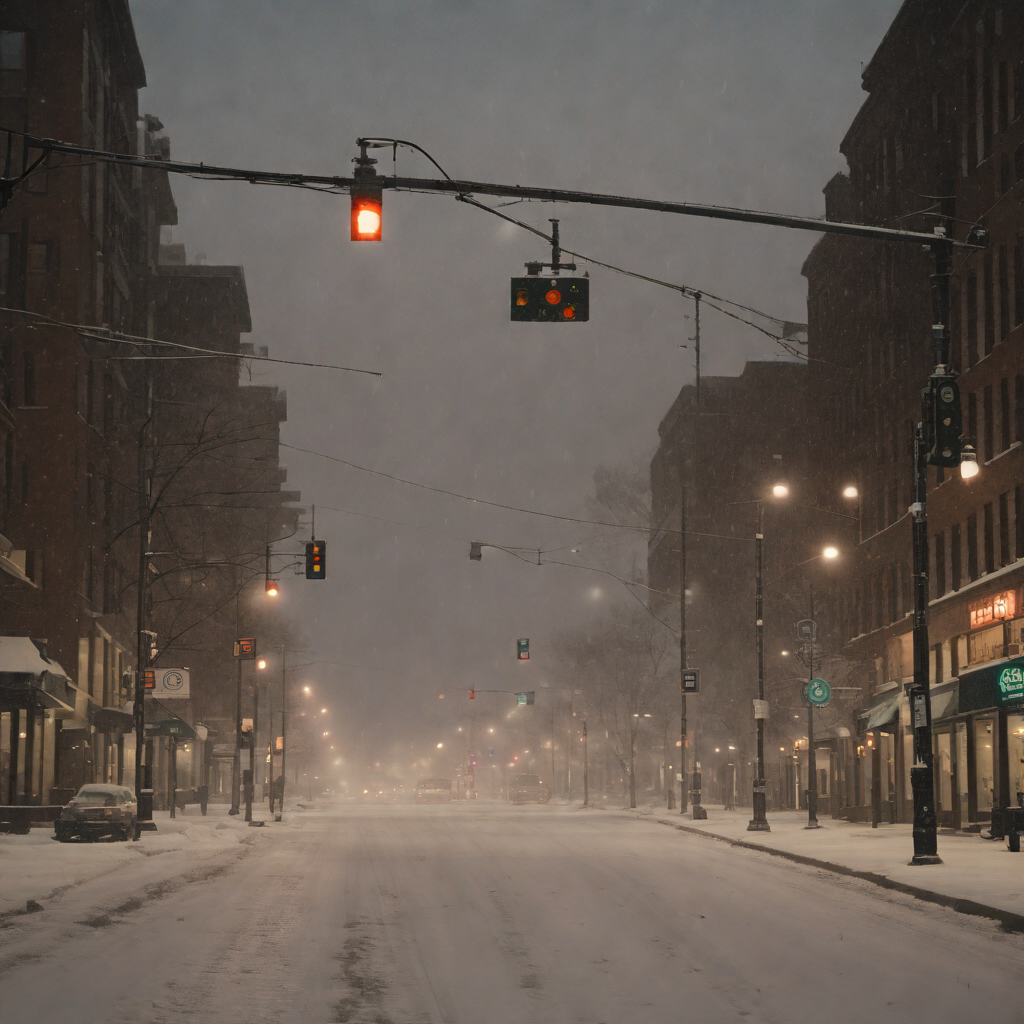
Lights Over Des Moines
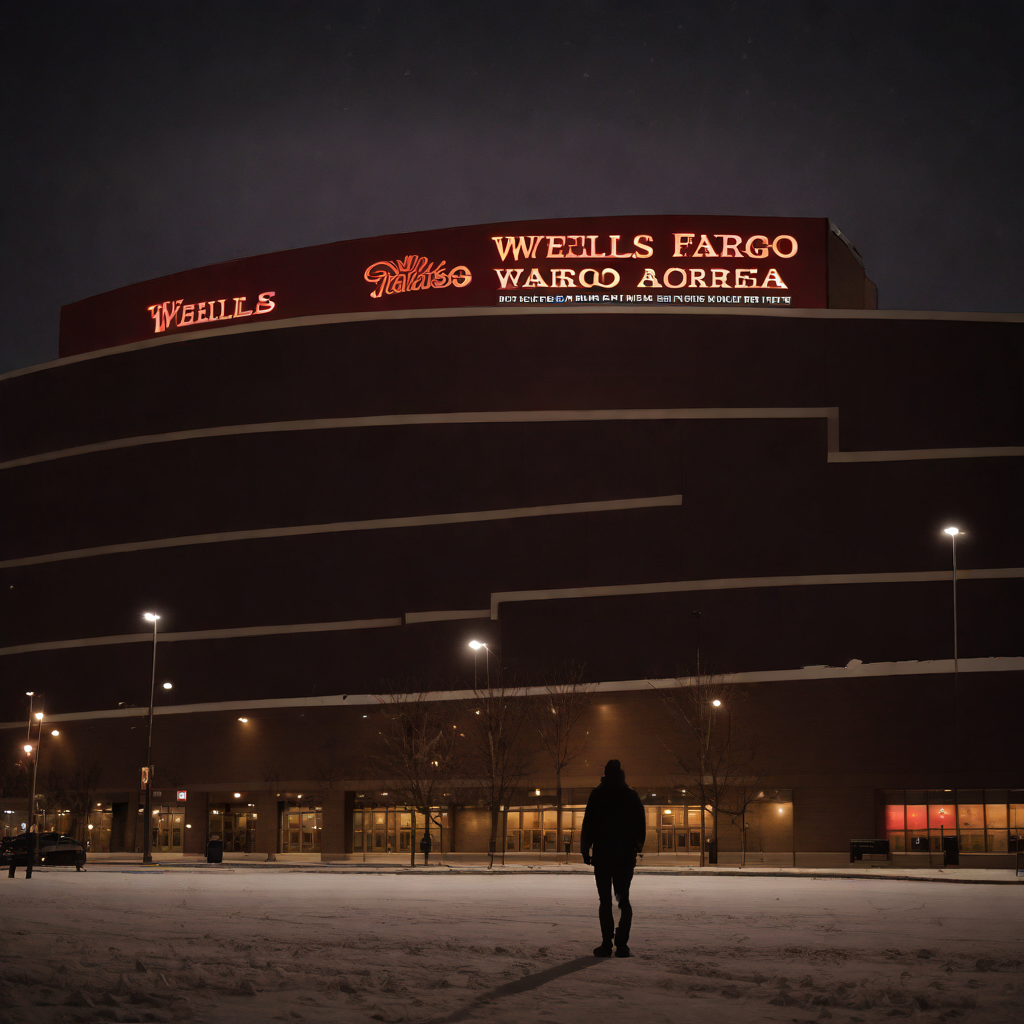
The wind cutting across the Des Moines River was bitter, typical for late January in Iowa, but inside the Wells Fargo Arena, the atmosphere was incandescent. "Victory in the Heartland," the banners proclaimed in gold leaf against a navy backdrop, framing President Donald J. Trump as he took the stage for the first major rally of his second term’s second year. The crowd roared approval as the President touted the latest GDP figures—an annualized growth rate of 4.8% driven by what the administration calls "hyper-efficiency." The stock market, buoyed by the aggressive deregulation policies of 2025, had indeed hit record highs earlier that day.
Yet, for Sarah Miller, a 44-year-old mother of two standing near the back of the arena, the victory felt theoretical. Until three weeks ago, Miller was a shift supervisor at a regional logistics hub just outside the city limits. She had managed a team of thirty warehouse workers, a job she held for over a decade. That ended when her company implemented "Agri-Flow," a new enterprise resource planning suite powered by the latest wave of predictive AI. The software didn't just optimize routes; it automated workforce management, scheduling, and inventory oversight—effectively absorbing Miller's entire role.
"I voted for the boom," Miller said, her voice barely audible over the cheering crowd. "I didn't think I'd be the debris."
Miller’s situation embodies the "Hollow Boom" paradox defining the 2026 economy. While corporate balance sheets are leaner and more profitable than ever, the labor market in traditionally stable sectors is fracturing. The same "Deregulation 2.0" executive orders that the President celebrated on stage—which removed protections against rapid automation implementation—have allowed companies to deploy systems like Agri-Flow at unprecedented speed.
The Paper Wealth of 2026
Wall Street analysts have termed this the "Margin Supercycle." By aggressively integrating AI automation and leveraging the new corporate tax loopholes introduced in late 2025, companies have widened their profit margins to levels not seen since the post-war boom. However, unlike the 1950s, this margin expansion is inversely correlated with payroll growth.
The disconnect is palpable. On the Jumbotron, graphs showed soaring agricultural exports, aided by the weak dollar and automated farming initiatives. But on the ground, the reality is a severe liquidity crisis for the middle class. Miller is currently waiting for a determination on her unemployment benefits, navigating a state system that is itself overwhelmed by a surge in white-collar and managerial claims.
Iowa Labor Market Divergence: Corporate Profits vs. Managerial Employment (2023-2026)
"They didn't fire me because I was bad at my job," Miller explains, later that evening in her kitchen. "They fired me because the new software doesn't need health insurance, doesn't take breaks, and costs a flat subscription fee that's tax-deductible."
The Credit Card Cliff
The impact is strictly financial but deeply personal. With her severance depleted, Miller is navigating the "Credit Card Cliff"—a growing trend where displaced rural professionals bridge the gap with high-interest consumer debt, betting on a job market recovery that automation has structurally precluded. This morning, she paid her heating bill with a credit card already carrying a 24% APR.
Analysts at the Federal Reserve Bank of Chicago have termed this "distress borrowing." Unlike the consumption booms of the past, where debt fueled the purchase of durable goods like cars or electronics, the current surge is driven by non-discretionary spending: utilities, groceries, and medical copays. The removal of price-gouging protections, scrapped by the current administration as "market distortions," has allowed utility providers to pass infrastructure hardening costs directly to consumers, further squeezing households already lacking income.
The Midwest Debt Divergence (2023-2026)
Fragility in the Grid
The economic fragility was soon matched by physical reality. At 2:00 AM on January 29, the wind chill in Des Moines dropped to minus 24 degrees. As the "Minneapolis Freeze" system pushed south, it brought a definitive stress test for the Midwest's critical infrastructure. For the 400,000 residents of the Polk County metro area, the grid failed that test.
This failure is a calculated outcome of the "Deregulation 2.0" agenda. The "Energy Sovereignty Act," signed during the first hundred days of the second Trump administration, aggressively dismantled "costly legacy redundancies" in favor of lean, just-in-time energy delivery. Utility giants slashed maintenance budgets by an estimated 22% in 2025 to fund record stock buybacks.
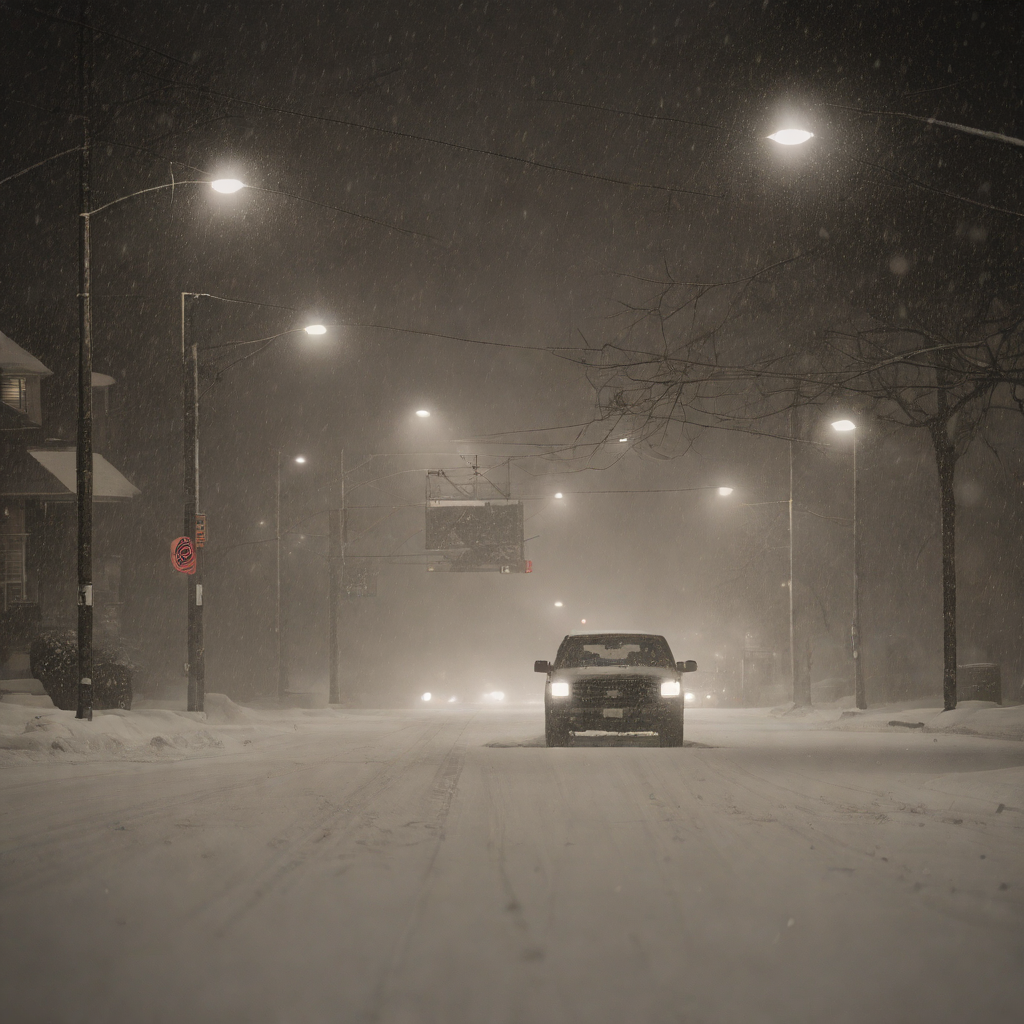
In her second-story apartment on the city's south side, Miller wrapped herself in three layers of blankets and watched her breath fog in the fading light of a battery-powered lantern. The software that cost her a job promised efficiency. The grid that cost her heat promised savings. Both have delivered only silence.
A confidential risk assessment from the Midwest Independent System Operator (MISO), reviewed for this report, admits that "deferred maintenance strategies" encouraged by the current regulatory environment have increased the probability of winter failure by 40% since 2024. The "Hollow Boom" has created a two-tier infrastructure: resilient power for the digital capital, and brittle, aging wires for the human capital.
The Reckoning of Resilience
As dawn threatens to break over a frozen Iowa, the cost of the administration's economic model becomes tangible. It is not measured in GDP points or stock tickers, but in the temperature of Sarah Miller’s living room. The push for a frictionless economy has succeeded in removing the friction of regulation, but in doing so, it has removed the friction that creates traction—the grip that holds a society together when the storm hits.
The promise was that bringing resources home would rebuild the American fortress. Instead, the walls are crumbling. The "Hollow Boom" has created an economy that looks robust on a spreadsheet but feels perilous on the ground. For Miller, and millions like her facing the "Credit Card Cliff," the question is no longer about growth rates, but survival. The efficiency has arrived, but the resilience has vanished, leaving the heartland exposed to the cold.