The Useful Enemy: Macron's High-Stakes Gamble on Trump 2.0
The Art of the Transatlantic Feud
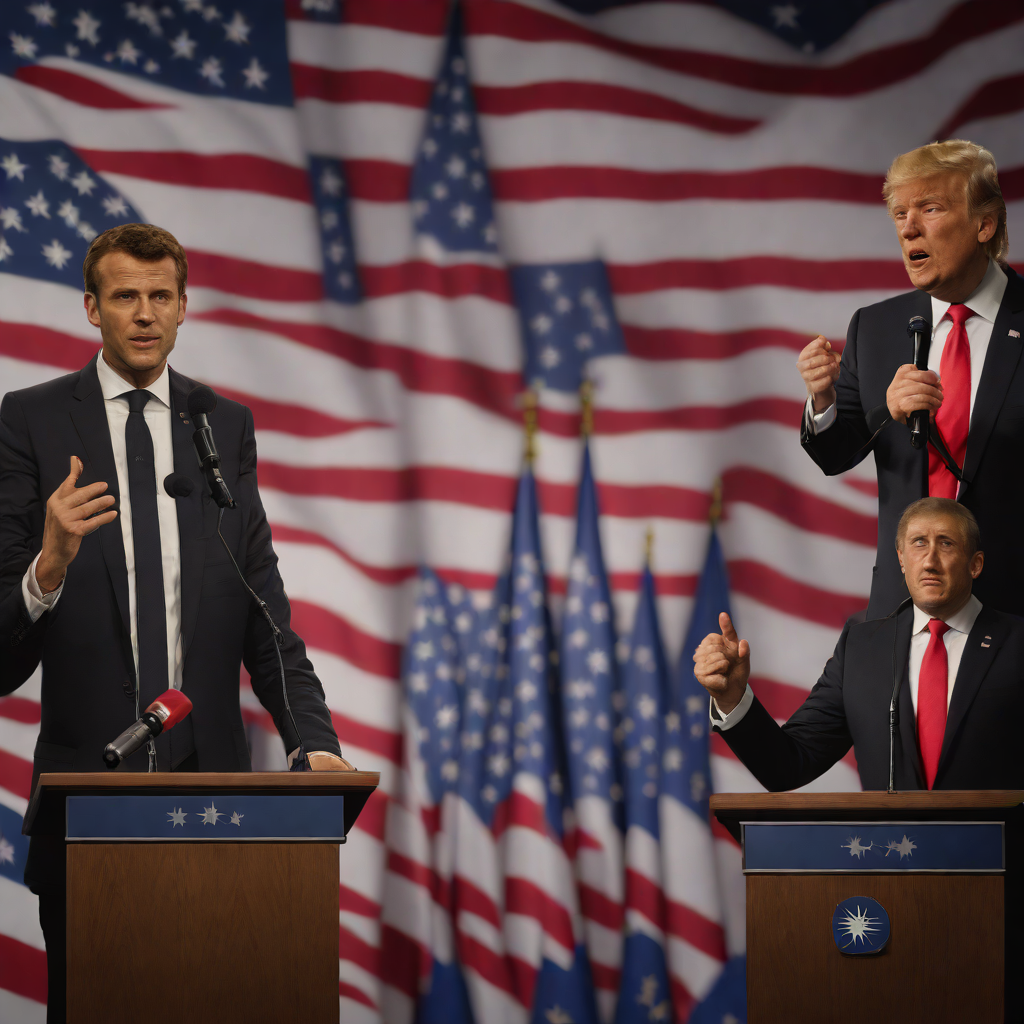
On a snowy Tuesday morning in Davos earlier this month, the script for the renewed transatlantic drama was flipped. When President Donald Trump took to Truth Social to label the European Union’s latest AI enforcement actions—specifically the heavy fines levied against US generative models—as "an act of digital war" and threatened a reciprocal 20% tariff on French luxury exports, the Élysée Palace did not scramble for a diplomatic backchannel. Instead, President Emmanuel Macron walked onto the stage at the World Economic Forum less than two hours later, not to de-escalate, but to double down. In a speech that seemed almost pre-written for this specific provocation, Macron framed the dispute not as a regulatory disagreement, but as a civilization-level clash between "American algorithmic anarchy" and "European humanism."
For political observers in Washington, the speed and ferocity of the counter-attack signaled a calculated shift in strategy. Macron, facing a fractured National Assembly and persistent internal dissent, has found his most effective rallying cry in the form of the American President. By positioning himself as the sole barrier against Trump’s "America First" deregulation tsunami, Macron is attempting to transmute diplomatic friction into domestic political gold.
"It is a symbiotic antagonism," argues Sarah Miller, a senior policy analyst monitoring the situation from Washington. "Trump needs a symbol of the 'stagnant old world' to rail against to justify his protectionism, and Macron desperately needs a foreign dragon to slay to distract from the paralysis in Paris. They are effectively campaigning for each other."
The Economic Crossfire
However, this high-stakes theater carries tangible risks that go beyond rhetoric, particularly for American businesses caught in the crossfire. The proposed tariffs, should they materialize, would hit US importers and consumers with immediate effect. David Chen, a procurement director for a major New York-based wine and spirits distributor, notes that the "freedom fighter" stance adopted by Paris comes with a direct price tag attached to his inventory.
"Every time Paris and Washington trade barbs, our insurance premiums on future orders tick up and our futures contracts get more expensive," Chen explains. "We are pricing in a trade war that feels entirely performative, yet the bills we pay are very real."
The economic data supports this anxiety, suggesting that Macron's gamble could backfire if the rhetoric solidifies into policy. A preliminary analysis by the Peterson Institute for International Economics suggests that a full-blown tariff war sparked by the AI dispute could disproportionately harm the Eurozone. The irony is that Macron’s aggressive posture validates Trump’s own narrative to his base: that Europe is actively hostile to American success.
Projected GDP Impact of US-EU Trade Escalation (2026)
A President Under Siege at Home
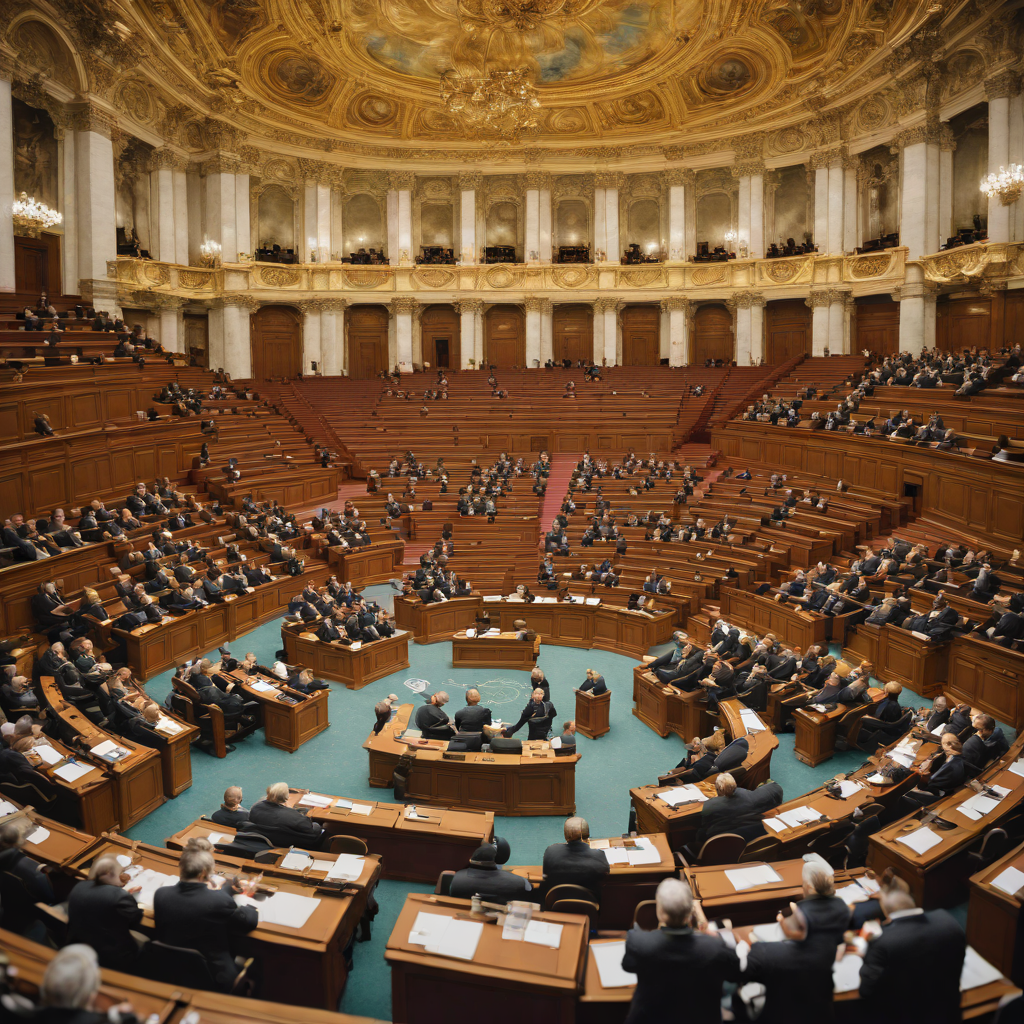
To understand why Emmanuel Macron has embraced a combative stance against the Trump administration’s trade agenda, one must look past the gilded reception rooms of the Élysée Palace and into the chaotic corridors of the National Assembly. While the French President positions himself as the de facto shield of the European Union against American protectionism, his domestic political capital is arguably at its lowest ebb since the Yellow Vest protests.
The reality in Paris is one of legislative paralysis. Following the disastrous dissolution of parliament in mid-2024 and the subsequent fractured governance, Macron has spent the last eighteen months navigating a hostile legislature where no single block holds a decisive majority. Recent polling data from Ifop suggests his approval rating hovers stubbornly in the high twenties, a dangerous territory for a president trying to enact unpopular austerity measures demanded by EU deficit rules.
This domestic fragility is precisely what makes the conflict with Donald Trump so politically utilitarian. By framing the trade dispute—specifically the aggressive U.S. tariffs on European luxury goods and wine—as an assault on "French sovereignty," Macron effectively forces his domestic opponents into a bind. The far-right National Rally (RN), traditionally skeptical of the EU and occasionally sympathetic to Trump’s nationalist rhetoric, cannot openly side with an American president threatening French farmers and vineyards.
The Tariff Trap: Where Rhetoric Meets Revenue
While the Élysée Palace issues fiery communiqués championing European sovereignty, the mood in the boardrooms of the CAC 40—France’s benchmark stock market index—is shifting from anxiety to alarm. The fundamental flaw in Macron’s geopolitical theater is the sheer asymmetry of the economic battlefield. The Trump administration’s proposed "Reciprocity Tariffs," which aim to level the trade deficit by penalizing nations with significant surpluses, are not merely leverage; they are a loaded gun pointed at the French economy.
The disconnect between political rhetoric and commercial reality is sharpest in the logistics hubs of the American East Coast. "We are already pricing in a 25 percent hike on Burgundy and Champagne for the Q3 delivery cycle," notes James Carter, a senior procurement officer. "The consumer in Manhattan might absorb a ten dollar increase, but at twenty, they switch to Napa or Willamette Valley. The French producers know this, and they are terrified."
If the Trump administration targets these high-margin goods—a tactic successfully deployed during the Boeing-Airbus dispute of the previous decade—the resulting revenue shock would likely force layoffs in the French heartland. The "protector of Europe" risks becoming the architect of a domestic recession.
Projected Revenue Risk: French Exports to US under 'Trump 2.0' Tariffs (Billions USD)
The Sugar High of Sovereignty
The polling bump was immediate. Following his sharp rebuke of President Trump’s proposed "Digital Wall" tariffs at the Davos summit, Emmanuel Macron saw his domestic approval ratings climb for the first time in three quarters. For a leader besieged by a fractured parliament, the confrontation offered a convenient narrative: France as the last bastion of Western liberal values against the "America First" deregulation juggernaut.
But political analysts in Washington and Paris are increasingly viewing this resurgence as a "sugar high"—a temporary rush of nationalist adrenaline that masks a rapidly deteriorating metabolic reality in the French economy. The strategy is essentially a leveraged buyout of political capital: borrowing against future economic stability to secure present-day survival.
The Macron Paradox: Diplomatic vs. Economic Sentiment (Jan 2026)
Ultimately, the utility of Donald Trump as a political foil has diminishing returns. If the White House follows through on its threat to prioritize bilateral deals over EU-bloc negotiations—a strategy clearly outlined in Commerce Department memos from late 2025—Macron risks finding himself isolated not just from Washington, but from Berlin and Rome. The question for the remainder of the year is whether he will pivot toward pragmatism or double down on a collision course that the French economy is ill-equipped to survive.