The Death of the Open Door: Minneapolis and the End of Accessible Democracy
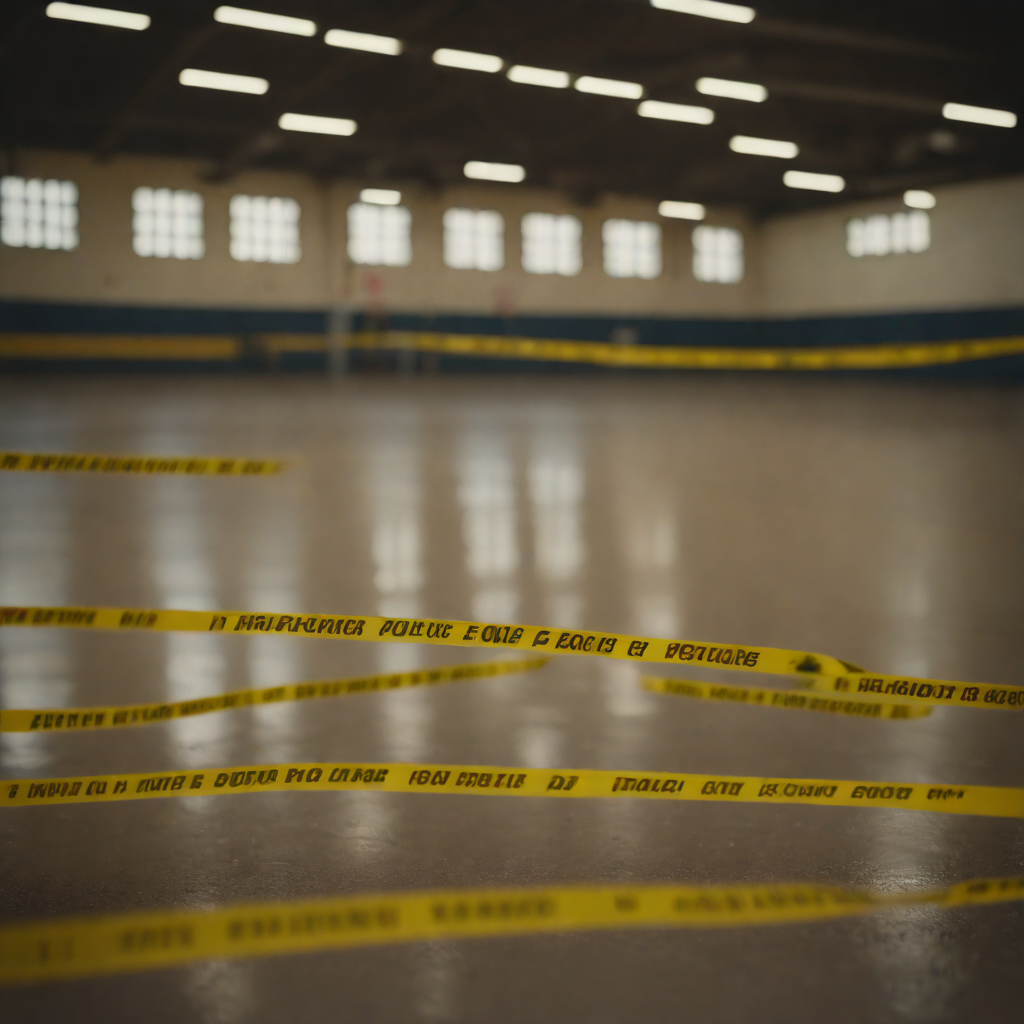
Panic in the Gymnasium
The fierce chill of a Minneapolis January usually keeps the streets empty, but inside the gymnasium of a local high school this Thursday evening, the air was thick with the humid warmth of a packed crowd. It was January 29, 2026, a date now etched into the timeline of American political retraction. The event was billed as a traditional town hall for Representative Ilhan Omar—a relic of a simpler democratic era where access to power required nothing more than a coat and a question.
The banality of the setting betrayed the tension simmering underneath. Parents sat on bleachers scuffed by basketball shoes, clutching coffees, preparing to ask about heating subsidies and the "Minneapolis Freeze" infrastructure failures. There were no metal detectors at the door, a deliberate choice to maintain the optics of accessibility. That choice, however, would prove to be the event's undoing.
The disruption did not come with the cinematic flare of a coordinated paramilitary raid. Instead, the threat arrived in the singular form of Anthony Kazmierczak. Witnesses describe a man who blended seamlessly into the frustrated crowd, his demeanor indistinguishable from any other constituent waiting for a turn at the microphone. As Kazmierczak approached the front, the shift from civic participation to security crisis was instantaneous. He did not brandish a firearm or a zip-tie, but a container of liquid. The pungent, acrid smell of vinegar immediately filled the space between the stage and the first row of seats as he hurled the substance toward the Representative.

"It wasn't the liquid that scared us, it was the ease of it," recalled David Anderson (pseudonym), a retired teacher seated in the third row. "One minute we were talking about property taxes, and the next, the Secret Service was swarming the stage. It made you realize that the distance between a handshake and an attack is zero."
The Man in the Gap
In the immediate aftermath, the chaos obscured the banal reality of the violence. It was not, as early social media reports suggested, a coordinated tactical strike. The assailant was a 55-year-old man whose weapon of choice—a bottle of vinegar mixed with irritants—highlights a terrifying evolution in political violence: the weaponization of the mundane.
While international outlets were quick to publish Kazmierczak's full biography, domestic authorities initially exercised a disjointed caution. This discrepancy underscores a critical failure in the modern security apparatus. We have built fortress-like perimeters to stop ballistic threats and organized terror cells, but the security architecture of 2026 remains defenseless against the "Man in the Gap"—the lone, unaffiliated actor whose grievances metastasize in private, invisible to the algorithmic dragagnets of federal agencies until the moment of contact.
"You go there to ask about your pension or snow removal," said James Carter (pseudonym), a retired postal worker who has attended district meetings for two decades. "Now, you look at the person standing next to you and wonder if they’re holding a coffee cup or a chemical weapon. It makes you want to stay home."
The Gentrification of Political Access
The assault did more than physically injure a sitting congresswoman; it shattered the actuarial assumptions that make local democracy financially viable. Because the threat is low-tech and ubiquitous, the defense must be total and expensive.
For David Chen (pseudonym), a district scheduler in Minneapolis, the shift was immediate. "By Friday morning, our liability insurance provider called," Chen explained. "They added a 'civil unrest' rider that tripled our premium. To hold a standard gymnasium town hall next Tuesday, we would need four armed private security officers and a perimeter check. That’s a $15,000 line item for a two-hour meeting. We don’t have that kind of money."
This is the gentrification of political access. The open door is being replaced by the metal detector and the guest list. Security consultants are already advising congressional offices to pivot away from "unvetted public forums" in favor of "controlled constituent interactions." When the cost of a question is a background check and a $50 ticket to cover security overhead, the constituent is replaced by the consumer, and the town hall becomes a luxury good.
Rising Cost of Event Security (2024-2026)
The market is responding with brutal efficiency. Private security firms like GardaWorld and Allied Universal have seen stock valuations climb as municipal police forces, strained by the Trump administration's chaotic deportation mandates, pull back from non-emergency event coverage. This leaves a vacuum that only private capital can fill.
The Fortress Representative
The incident has catalyzed an immediate and severe contraction of public access, a phenomenon political sociologists are terming "Bunkerization." Across the aisle, the "Kazmierczak Precedent"—the realization that any lone actor with common household chemicals can bypass standard magnetometers—is accelerating a trend of defensive governance.
Wealthier districts or incumbents with substantial war chests can afford the layers of private security contractors necessary to maintain a semblance of public access. Junior members, or those in rural districts where budgets are tight, face a starker choice: retreat to tele-town halls and controlled digital forums, or risk exposure.
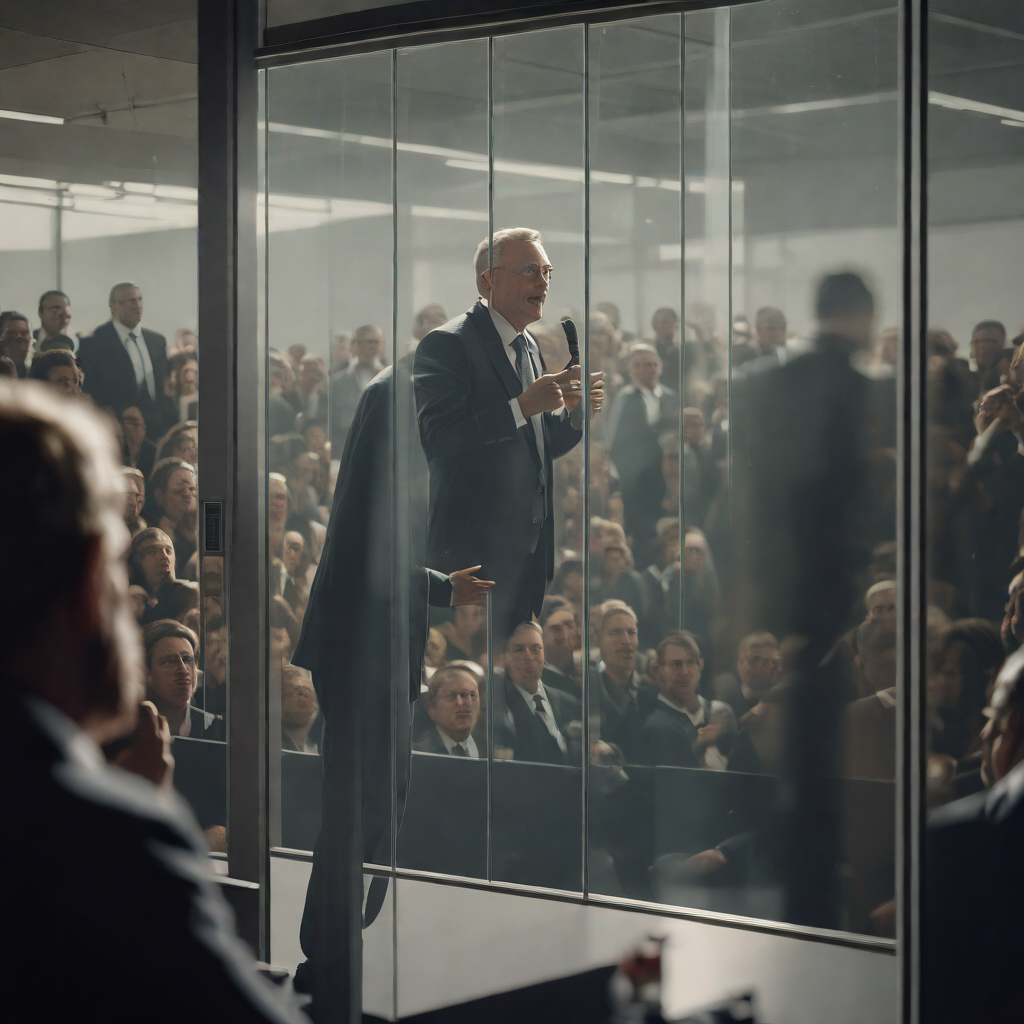
Legal experts warn that this transition represents a quiet constitutional crisis. The First Amendment guarantees the right to petition the Government for a redress of grievances, but it says nothing about the proximity of that petition. As we move forward into 2026, the American voter may find that their representatives are safer than ever, but they have never been further away.