Peace in the Fog: The Fatal Geography of Colombia’s Catatumbo
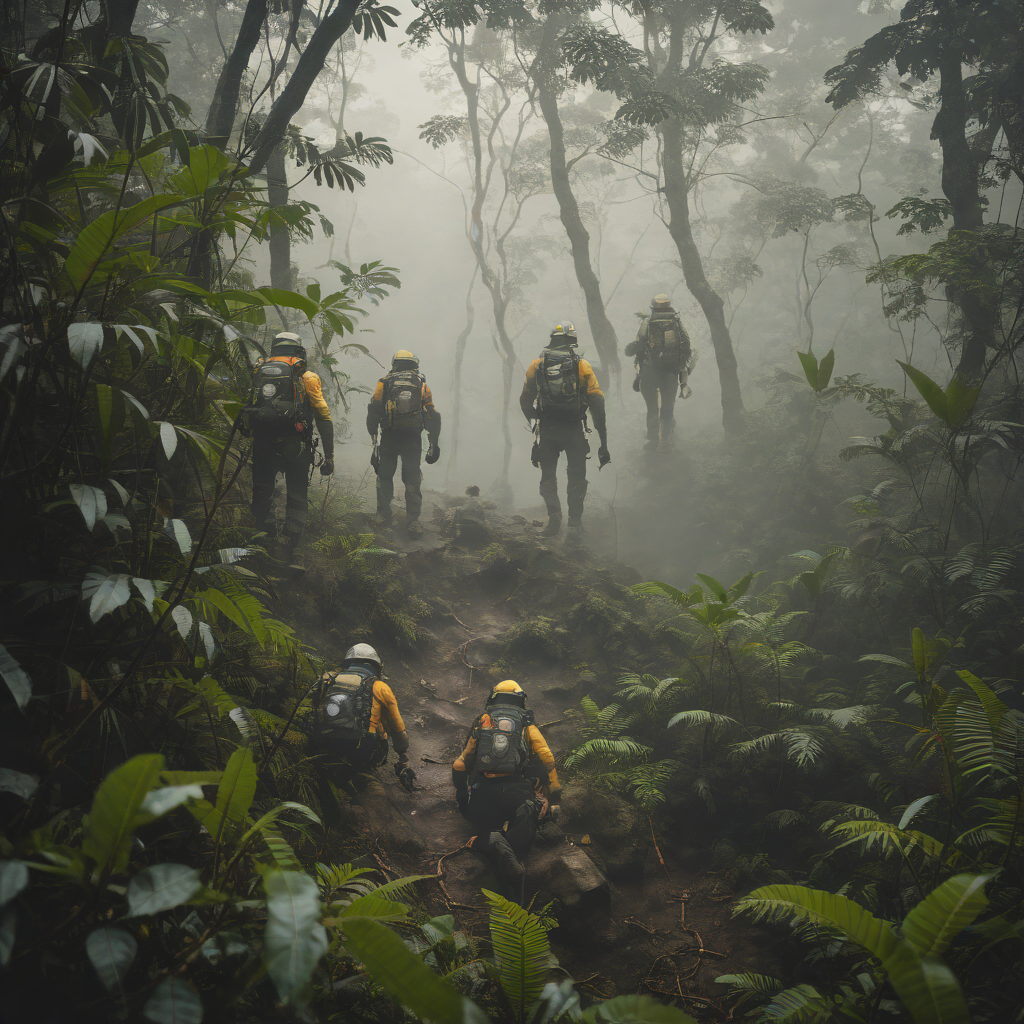
The silence that descended on the cloud-shrouded peaks of Norte de Santander yesterday was not the familiar quiet of a ceasefire, but the abrupt, mechanical finality of tragedy. On Wednesday morning, January 28, Satena Flight 8750 vanished from radar screens, ending its routine hop across the treacherous Andean corridors not with a safe landing, but in a debris field scattered across the jagged terrain of the Catatumbo region.
The aircraft, a twin-engine Beechcraft 1900D turboprop—a reliable workhorse often tasked with navigating Colombia’s rugged topography—was ferrying 15 souls through one of the most geographically and politically hostile environments in the hemisphere. By nightfall, the grim work of search and rescue teams confirmed what the initial radio silence had suggested: there were no survivors.
Among the wreckage lay the body of Representative Diogenes Quintero, a man whose political mandate was carved out of the very conflict that defines this region. As the occupant of one of Colombia's "Peace Seats" (Curules de Paz)—congressional positions created specifically for victims of the armed conflict—Quintero was a living symbol of the fragile hope that governance could eventually replace guerilla warfare. His death is not merely a statistical addition to aviation safety records; it represents a symbolic decapitation for a community that has long relied on precarious air bridges to bypass the landmine-riddled roads below.
The Geography of Abandonment
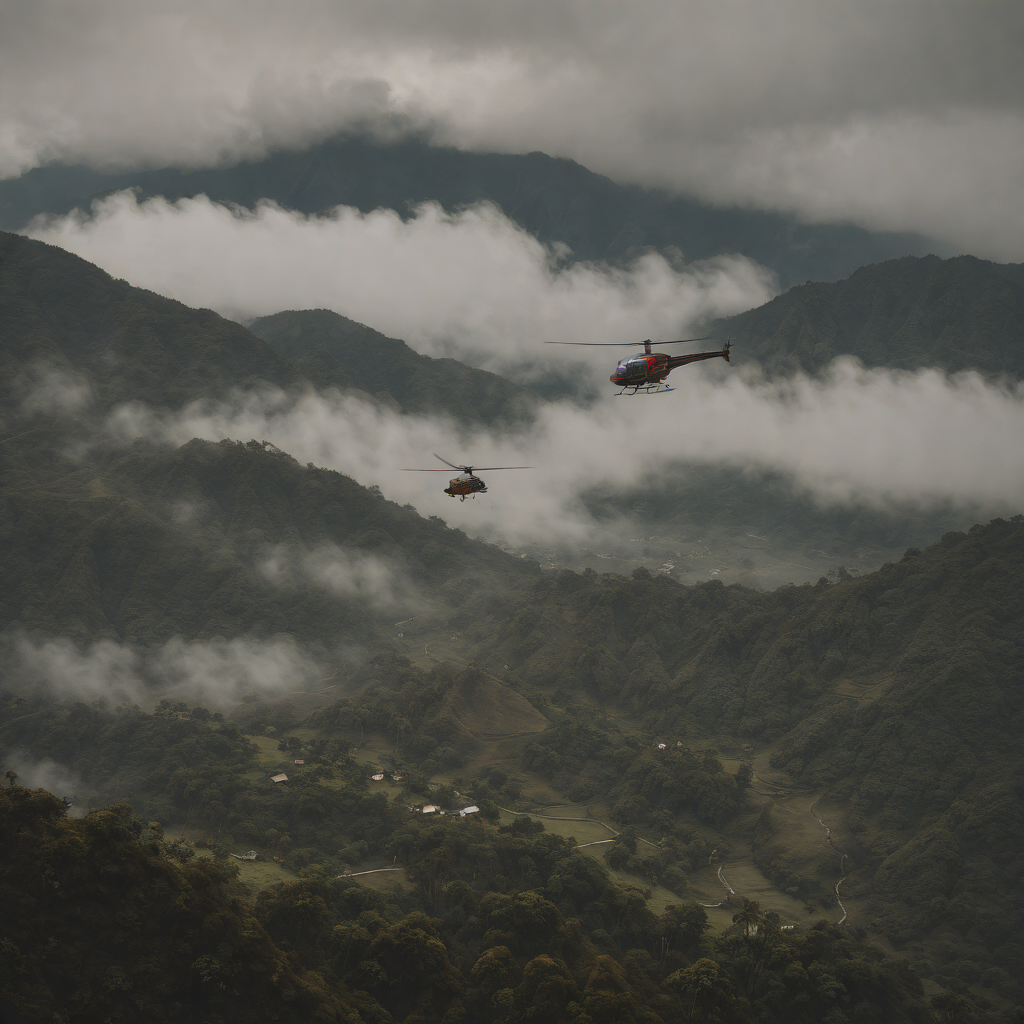
To the pilot navigating the labyrinthine corridors of the Eastern Andes, the Catatumbo region does not appear as it does on government maps in Bogotá. It is not merely a jurisdiction of Norte de Santander; it is a fortress of topography, where the atmospheric violence of the tropical convergence zone meets the jagged silence of the mountains. This geological hostility claimed a devastating toll when the Beechcraft 1900D vanished into the fog.
For Washington policymakers observing from the Trump 2.0 administration, the crash is a stark reminder of an older, quieter enemy in the war on drugs: infrastructure itself. Catatumbo remains one of the most inaccessible corners of the hemisphere, a feature that has historically made it a sanctuary for the National Liberation Army (ELN) and dissident factions, but also a death trap for those attempting to bridge the gap between the periphery and the state.
"(Pseudonym) Carlos Montoya," a veteran pilot who has flown supply routes into Ocaña for two decades, describes the approach as a gamble with physics. "The erratic winds coming off the Venezuelan plains hit the cold mountain air right here," Montoya explains. "You aren't just fighting the guerillas' erratic anti-aircraft fire, which is a rare but real fear; you are fighting the air itself. The 1900D is a workhorse, but yesterday, the mountain simply won."
A Void in the Dialogue
Diogenes Quintero was not a career politician in the Washingtonian sense. He occupied a seat designed to give a direct voice to the victims of the armed conflict. For observers, Quintero represented a specific theory of change: that integrating marginalized zones like Catatumbo—the heartland of coca production—into the civic fold would eventually displace illicit economies. His constituency is one of the most dangerous places in the Western Hemisphere, a region where illicit groups vie for control over drug trafficking routes that eventually feed US markets.
"The tragedy is that the geography beats the policy every time," observes (Pseudonym) Michael Johnson, a security risk analyst for a US energy firm with long-standing operations near the Venezuelan border. "You can sign accords in Bogota or Havana, but if the only way in or out of Catatumbo is a nineteen-seat turboprop navigating zero-visibility valleys, you haven't really integrated the region. You've just created a precarious bridge."
For the victims Quintero represented, his death reinforces a narrative of abandonment. The "Peace Seats" were meant to be the conduit for reparations and land restitution. Instead, the loss of their most vocal advocate in a preventable aviation disaster amplifies the sense that the central government—and by extension, the international community supporting the peace process—cannot guarantee basic safety, let alone justice.

The Preliminary Verdict
While the immediate reaction in Bogotá’s polarized political circles drifted toward the specter of sabotage—a grim reflex in a nation with a deep history of political violence—preliminary data from civil aviation authorities suggests a more mundane, yet equally lethal, culprit: adverse weather conditions compounding the risks of flying aging infrastructure into one of the world's most geologically complex zones.
Investigators are currently focusing on a "Controlled Flight Into Terrain" (CFIT) scenario, where a strictly airworthy aircraft is unintentionally flown into the ground due to pilot disorientation or lack of visibility. This technical classification underscores a persistent failure in state planning. In regions like Norte de Santander, where ground transport is frequently paralyzed by armed groups or washed away by torrential rains, these flights are not a luxury but a lifeline.
This incident also poses a complex question for US foreign policy under President Trump, which has pivoted toward a more transactional, security-first approach to Latin America. The instability in Catatumbo directly impacts the flow of narcotics and migrants northward. If the state cannot safely transport its own congressmen into these territories, its ability to enforce law, eradicate coca crops, or manage borders is fundamentally compromised. The crash of the Beechcraft 1900D is not merely an aviation accident; it is a stress test that the Colombian state appears to have failed.
Risk Factors in Andean Regional Aviation (2021-2025)
The Silent Aftermath
In a 2025 legislative session, Quintero had passionately argued that "peace is not just the silence of guns, but the roar of engines on paved roads and safe skies." It is a bitter irony that the very infrastructure deficit he campaigned against became the instrument of his demise. The crash of Flight 8750 forces a confrontation with the reality that for Colombia's remote territories, the "peace dividend" has yet to translate into the radar modernization and instrument landing systems standard in modern metropoles.
As the recovery teams battle the same fog that downed the aircraft, the silence of the Catatumbo serves as a deafening indictment of a reconstruction effort that, ten years on, still cannot guarantee safe passage through its own airspace. The mountains of Catatumbo, often obscured by fog and fear, have claimed a voice that was dedicated to navigating both, leaving a silence that will be far harder to fill than the seat in the aircraft.