The Shahed Doctrine: How Cheap Drones Rewrote the Rules of War
Five Dead on the Morning Train
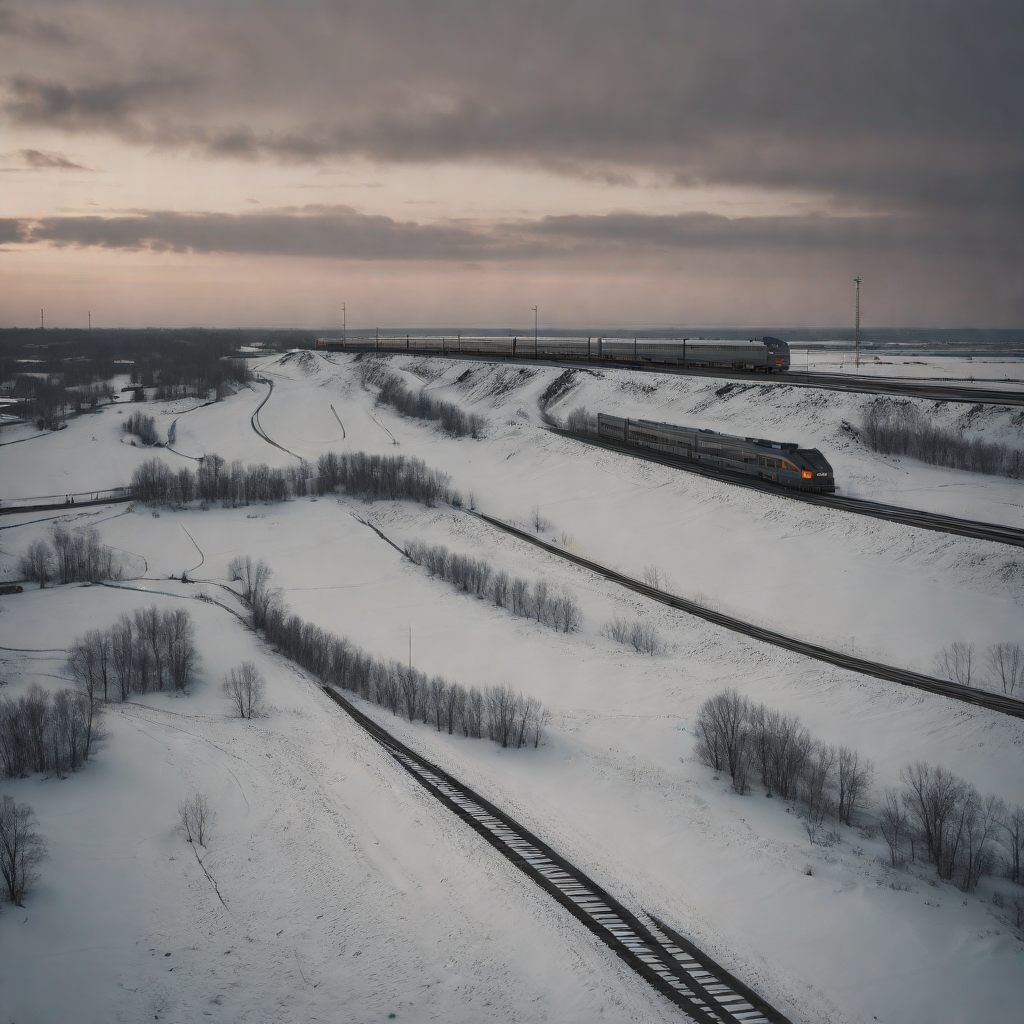
The Barvinkove–Lviv–Chop route was intended to be a lifeline, a steel artery pulsing through the frozen heart of a country entering its fifth year of war. On the morning of January 27, 2026, the train was packed not with heavy artillery or battalion commanders, but with the mundane exhaustion of civilians: mothers heating formula, pensioners counting ration coupons, and teenagers scrolling through cached social media feeds. The assumption of safety in these rear-guard logistics hubs has long been the primary psychological shield for the populace. That shield was shattered at 6:42 AM, not by the screech of a hypersonic missile, but by the buzzing mosquito-whine of a loitering munition that dive-bombed the second passenger carriage.
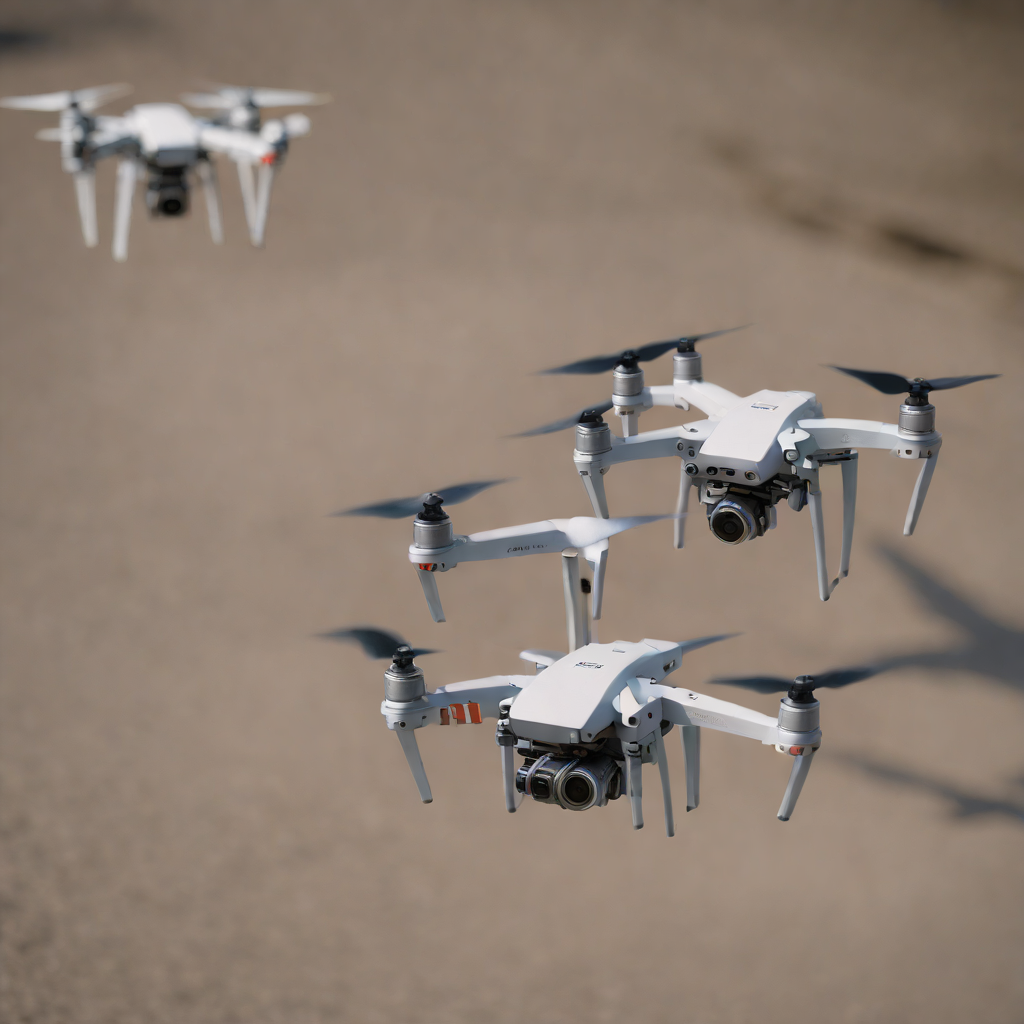
The strike was clinically precise. Unlike the indiscriminate artillery barrages that defined the war’s early months in 2022, this attack utilized low-cost, AI-assisted commercial drones retrofitted for lethal impact. For Sarah Miller (a pseudonym), a logistics coordinator for an Illinois-based NGO who has spent the last eighteen months monitoring supply routes in the region, the attack represents a fundamental shift in the rules of engagement. "We used to coordinate schedules based on air raid sirens," Miller explains, standing on the platform where debris is still being cleared. "Now, the threat is silent and ubiquitous. You don't hide from it; you just hope the algorithm behind the camera lens identifies you as 'low value' today."

This normalization of targeted violence against dual-use infrastructure—rail lines that carry NATO-supplied ammunition by night and refugees by day—marks a grim evolution in the conflict. As the war grinds into its fifth year, the distinction between military necessity and state-sponsored terror has evaporated. The strike on the Barvinkove line left five dead and seventeen critically injured, but the casualty count belies the strategic intent: to paralyze movement through fear. When a ticket to Lviv becomes a gamble with mortality, the economy freezes, and the social fabric, already stretched thin by years of attrition, begins to tear.
The Economics of Asymmetry
As the war in Ukraine enters its fifth calendar year, the tactical calculus has shifted from the conquest of territory to the exhaustion of the adversary's will and wallet. The strike on the Barvinkove–Lviv–Chop evacuation train is the grim perfection of the "Shahed Doctrine." This strategy, refined over four punishing winters, prioritizes low-cost, high-volume autonomy to saturate air defenses and normalize the targeting of civilian infrastructure. The reality of 2026 is that the distinction between a military supply line and a refugee corridor has been erased by the cold logic of economic attrition.
The economics of this aerial siege are brutally simple. A Shahed-136 variant, now often domestically assembled in Russia under the "Geran" designation, costs an estimated $30,000 to $50,000. In contrast, the interceptors required to stop them—such as the AIM-120 AMRAAM used by NASAMS or the PAC-3 used by Patriot systems—can cost upwards of $1 million to $4 million per shot. This disparity creates a "cost-exchange ratio" that is unsustainable for any defending nation, even one backed by the industrial might of the United States. When a $30,000 drone forces the expenditure of a $4 million missile, the attacker wins the economic engagement regardless of whether the kinetic target is hit.
The Asymmetry of Attrition: Cost of Attack vs. Defense (2026 Est.)
For soft targets like the Barvinkove–Lviv–Chop rail line, the equation is even more cynical. Trains are difficult to defend with high-end systems, which must be reserved for cities and power plants. By shifting targeting vectors to these moving civilian lifelines, Russian forces exploit the gaps in the air defense umbrella. Defense analysts at the Rand Corporation have noted that this shift signifies a move away from purely military objectives toward a "terror-logistics" strategy. The goal is no longer just to cut supply lines but to instill a paralysis of movement, freezing the population in place by turning the very means of escape into a death trap.
A Diplomatic Freeze in Washington
President Volodymyr Zelensky’s address following the strike did not mince words, deliberately escalating the rhetorical stakes by branding the attack an "act of terrorism" rather than a conventional war crime. This distinction is far from semantic. As the war concludes its fourth year, the terminology reflects a strategic pivot in Kyiv to counter the growing fatigue in Western capitals, particularly within a Trump White House focused on disengagement. By framing the targeting of the "No. 45" train—a lifeline known for evacuating civilians—as a calculated attempt to dismantle the psychological infrastructure of the state, Zelensky is challenging the international community to recognize that the rules of engagement have collapsed.
However, this "terror" classification faces a cold reception in Washington. The Trump administration, currently prioritizing a "realist" foreign policy that seeks to freeze the conflict lines, has remained notably reticent to adopt Kyiv’s heightened language. State Department insiders suggest that validating the "state sponsor of terrorism" label would complicate the administration's back-channel negotiations for a ceasefire, a key campaign promise that President Trump is eager to deliver before the midterms. Consequently, Zelensky’s indictment serves a dual purpose: it is a cry for moral clarity to the European public, who are increasingly bearing the brunt of refugee support, and a preemptive strike against any US-brokered peace deal that might normalize such attacks as acceptable costs of a frozen conflict.
The War on Movement
From a tactical perspective, this was not a strike on a military convoy carrying howitzers to the eastern front; it was a surgical attack on the country’s nervous system. The Barvinkove–Lviv–Chop line is a critical lifeline, ferrying civilians away from the "grey zones" of constant bombardment and bringing essential medical supplies back in. By striking a moving passenger train, the aggressor is weaponizing the very concept of movement.
For Sarah Miller, the logistics coordinator operating out of Rzeszów, Poland, this escalation has fundamentally altered the risk matrix. Miller, who manages the flow of dialysis equipment and generators into western Ukraine, notes that the "terror premium" on transport has skyrocketed. "We aren't just looking at the price of diesel or insurance anymore," Miller explains. "We are calculating the risk that a train carrying heating units will be hunted by a loitering munition. When they hit the tracks, they don't just stop that one train; they freeze the decision-making process for every other dispatch that day."
This normalization of strikes on dual-use infrastructure challenges the frayed edges of international law. Under the Geneva Conventions, the distinction between military and civilian objects is paramount, yet the logic of total war championed by the Kremlin argues that because the railway moves troops, the railway is a troop. This interpretation erases the civilian reality: the grandmother fleeing Kharkiv, the student returning to Kyiv, or the crate of insulin heading to Lviv. The strike on the Barvinkove–Lviv–Chop express transforms a ticket home into a game of Russian roulette, enforcing a blockade of fear that is far more effective—and far cheaper—than a physical military cordon.