The Influence Ledger: Why 2024's 'Cash for Access' Still Haunts the Transatlantic Alliance
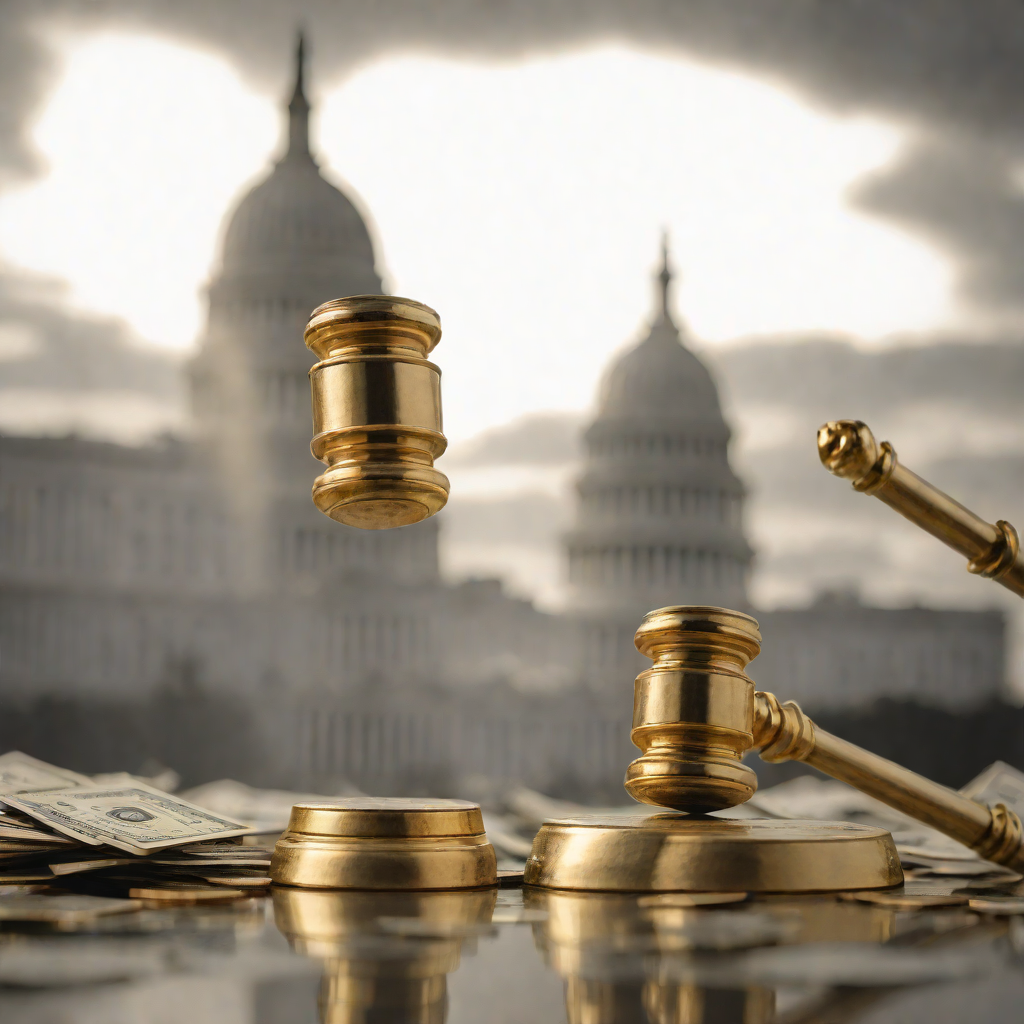
To the casual observer scrolling through news feeds in January 2026, the headlines emerging from Westminster feel eerily familiar—almost chronologically dislocated. A viral resurgence of footage from the 2024 "£30,000 for access" sting operation has gripped social media, sparking fresh outrage as if the event had occurred yesterday. While fact-checkers identify this as "zombie news"—an algorithmic echo of a scandal two years settled—its potent return to the public discourse serves as a grim indictment. The ghost of 2024 has returned not because of new revelations, but because the structural rot it exposed remains entirely unhealed.

The Atlantic Divide: Amateurism vs. Industry
To American observers in the winter of 2026, the British scandal—centered on MPs negotiating consultancy fees that now amount to roughly $38,000—appears almost quaint. It represents a bygone era of political amateurism where influence was traded in back rooms for relatively modest sums. In contrast, the United States, deep into the second term of the Trump administration, has evolved the purchase of access from a clandestine trade into a fully industrialized, regulated sector of the economy.
In Washington, the line between lobbying and legislating has not just blurred; under the current deregulation mandates, it has effectively evaporated. What the British public decries as a scandal, K Street regards as standard operating procedure. The "professionalism" of the American system lies in its ability to sanitize influence, transforming what might be viewed as bribery in other jurisdictions into constitutionally protected speech via Super PACs and 501(c)(4) "dark money" groups. As Michael Johnson (a pseudonym), a former legislative aide now working in compliance for a major energy consortium, explains, "In the UK, the scandal comes from hiding the invoice. In D.C., we frame it."
The Price List for Democracy
The resurfacing of the 2024 tapes has inadvertently highlighted the stark inflation of political capital. The £30,000 figure that shocked British voters two years ago is a fraction of the entry cost in the current U.S. financial landscape. The "price list" for political influence has transitioned from illicit handshakes to a semi-formalized transactional ledger. Within the "America First" framework of 2026, corporate consultation is increasingly viewed as a necessary partnership for national growth, making the pay-to-play dynamics dangerously porous.
For James Carter (a pseudonym), a risk analyst for a transatlantic investment firm, the current climate operates less like a free market and more like a tiered subscription service. Carter notes that while businesses can innovate their production lines, they cannot "innovate" their way into a $50,000 seat at a policy-shaping roundtable. When the mechanics of political engagement include specific price points for face time with decision-makers, the legislative agenda risks becoming inventory in a high-stakes marketplace.
Inflation of Political Access: Median Cost of 'VIP' Entry (Source: Ethics Oversight Committee 2026 Report)
The Illusion of Reform and the Zombie Cycle
The phenomenon of old news scandals going viral years later—as seen with the current "Cash for Access" discourse—points to a deeper civic frustration. Analysts suggest that the electorate's willingness to re-litigate the events of 2024 stems from a lack of closure. The post-2024 legislative session in the UK promised a "Clean Slate" initiative to curb the influence of outside interests, yet the reality has been a masterclass in regulatory arbitrage. Loopholes were redesigned rather than closed, allowing direct access fees to be reclassified as "consultative advisory donations."
This creates a dangerous cycle where ethical failures are recycled without consequence, leading not to reform, but to profound civic numbness. The repetition of these narratives, whether new or resurrected by algorithms, reinforces the perception that integrity is a commodity. For small business owners like Sarah Miller (a pseudonym) in Columbus, Ohio, the failure to plug these loopholes means her concerns regarding rising supply chain costs are drowned out by those who can afford the "consultative" fees.
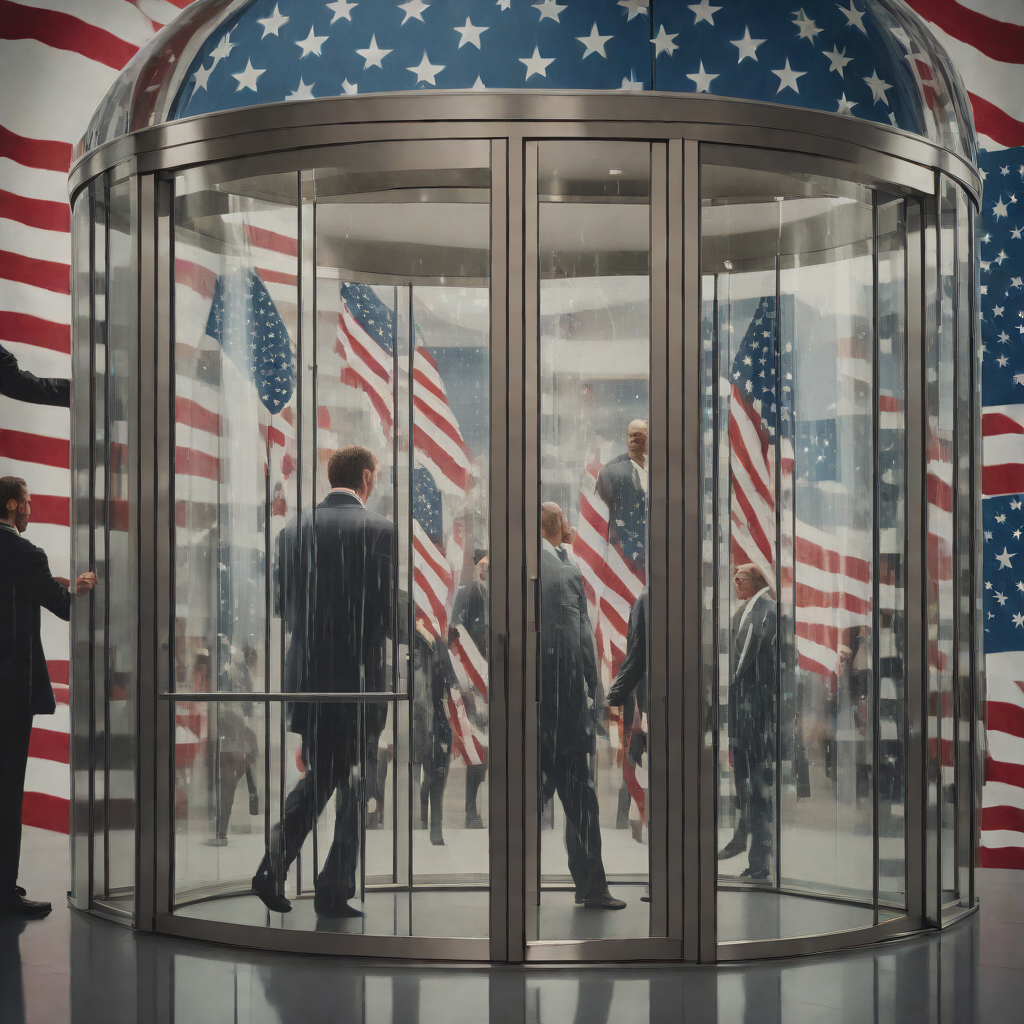
Closing the Revolving Door
The viral return of the 2024 allegations confirms a transatlantic reality: the revolving door between public service and private gain has not been boarded up; it has been oiled. Reform advocates, including the Campaign Legal Center, continue to argue that current cooling-off periods are functionally useless, proposing instead a structural ban on former officials serving as registered lobbyists.
However, in the context of 2026, the definition of corruption itself is shifting. The Trump administration's focus has pivoted away from traditional conflict-of-interest concerns toward a singular focus on "foreign influence." Under the Foreign Agents Registration Act (FARA), scrutiny is intense for lobbyists representing non-US interests, while domestic corporate access is frequently framed as patriotic collaboration. As the digital dust settles on this latest retrospective outrage, the question remains whether policymakers will address the foundations of this influence economy, or simply wait for the algorithm to refresh the feed.