Forbidden Candy: The 'Cororo' Hand Cream Crisis and Design Liability
The Deadly Doppelgänger
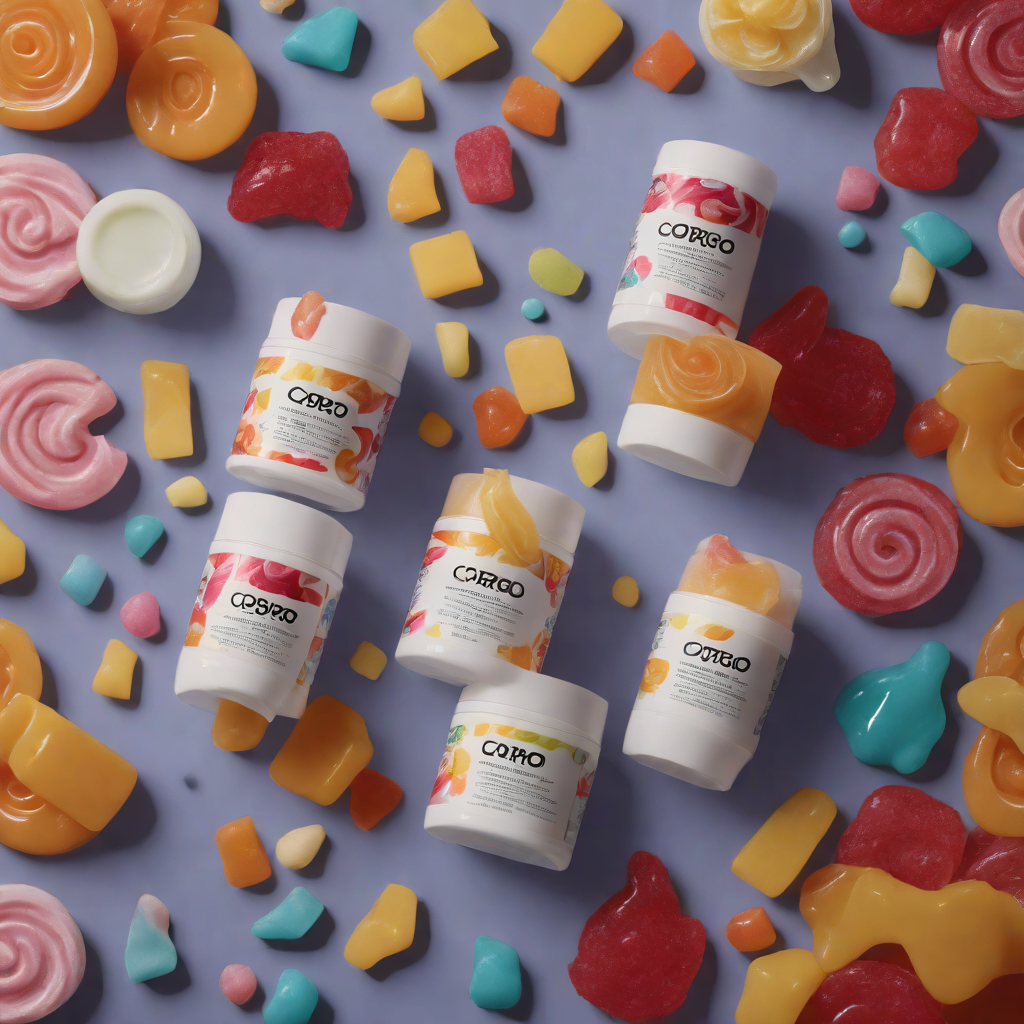
In the fluorescent aisles of Japanese lifestyle stores, the boundary between confectionery and chemistry has been deliberately dissolved. The 'Cororo Moisturizing Hand Cream' is not simply a cosmetic product; it is a masterclass in mimetic design that borders on entrapment. Licensed by UHA Mikakuto and manufactured by Shobido, the product replicates the iconic gummy candy’s branding with such fidelity that it effectively weaponizes the consumer’s own sensory memory.
The packaging features the same font, the same vibrant grape imagery, and crucially, the same "teardrop" structural design as the snack. Inside, the cream is scented to smell exactly like the sugary treat. For Amanda Lewis, a marketing consultant from Seattle currently based in Tokyo, this aggressive blurring of lines nearly resulted in a medical emergency. "I bought it thinking it was a liquid candy novelty, like those gel snacks common in the US," Lewis recalls. "I was halfway to my mouth before the texture registered as wrong. If I, a literate adult, can be fooled for a split second, a child has no chance."
This incident exposes a stark divergence in regulatory philosophy between the US and Japan. Under the Consumer Product Safety Commission (CPSC) guidelines—rigidly enforced following the domestic "Tide Pod" crisis—products that unnecessarily mimic food items are subject to recall and severe liability. The logic is one of "foreseeable misuse." In contrast, the Cororo collaboration operates in a gray zone of Japan’s aesthetic-first market, where the novelty of "juicy" skin hydration takes precedence over the cognitive friction it creates.
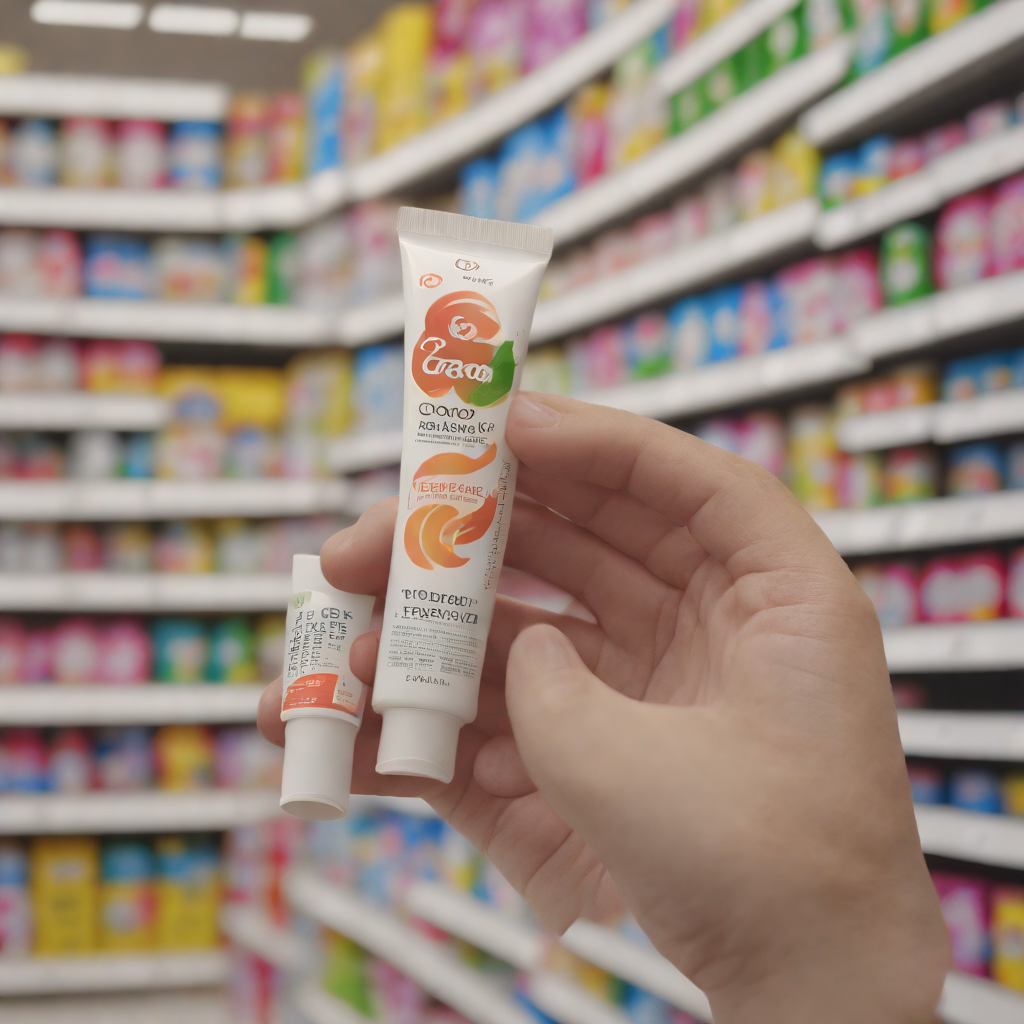
The risk profile extends far beyond accidental ingestion by tourists. Geriatric care specialists warn that for Japan’s aging population, specifically those with dementia, the visual cue of a favorite snack overrides the subtle tactile warning of a lotion tube. By prioritizing "Instagrammable" novelty, the manufacturers have created a product that fails the most basic test of product safety: the ability to instantly and unambiguously identify itself as non-edible. In the hyper-capitalist landscape of 2026, where brands fight for seconds of viral attention, safety has seemingly become a secondary design constraint.
Anatomy of a Deception
The distinction between a cosmetic product and a confectionery treat has historically been defined by clear sensory boundaries: one smells of chemicals and comes in a tube; the other smells of fruit and sits in a pouch. The Shobido x UHA Mikakuto collaboration dismantles these boundaries with a precision that borders on negligence. The 'Cororo' hand cream is not merely inspired by the popular gummy candy; it is a skeuomorphic clone, replicating the pouch design, the distinct spherical texture, and, most dangerously, the Muscat grape scent that triggers an immediate salivary response. This design choice bypasses the logical centers of the brain responsible for reading warning labels and speaks directly to the primitive instinct to feed.
For Sarah Miller, an American expatriate living in Tokyo’s Minato ward, the cognitive dissonance was immediate. Despite being fluent in Japanese and reading the "Do Not Eat" (食べられません) warning, she found the sensory cues overwhelming. "I bought it as a souvenir, but when I opened it at my desk, the scent filled the room. It didn't smell like 'grape-scented lotion'; it smelled exactly like the snack," Miller explains. "I caught myself reaching for it while typing, purely on autopilot. If a literate adult can be tricked for a split second, a toddler or a senior with dementia stands no chance." Miller’s experience highlights the failure of textual warnings to counteract powerful visceral signals, a phenomenon cognitive psychologists refer to as a "category conflict," where the brain prioritizes visual and olfactory data over semantic information.
This deliberate blurring of lines creates a legal minefield that would likely be untenable in the United States, even amidst the deregulation fervor of the second Trump administration. David Chen, a Chicago-based product liability attorney, argues that the 'Cororo' case represents a textbook example of "foreseeable misuse." In the US legal framework, a manufacturer is liable if they design a product that invites misuse, particularly by vulnerable populations like children. "You cannot design a product that screams 'eat me' to the senses and then rely on a small print label to say 'don't'," Chen notes. "In an American court, this would be argued as a design defect. The warning is contradictory to the product's very nature. It’s like selling rat poison in a soda can and slapping a 'Do Not Drink' sticker on it."
Accidental Ingestion Risks: Visual vs. Textual Cues (2025 Study)
The controversy exposes a widening philosophy gap in global consumer safety. While Japan often relies on a culture of personal responsibility and "common sense" (joshiki) to bridge safety gaps, the US model assumes the consumer will inevitably err. However, as the Trump administration pushes for a reduction in federal oversight and "burdensome" safety protocols to spur economic velocity, the 'Cororo' incident serves as a cautionary tale for American regulators. It suggests that without robust guardrails, the market’s drive for viral novelty will inevitably encroach on basic safety standards, commodifying confusion for the sake of Instagram engagement. The question facing US regulators is no longer just about toxic ingredients, but about toxic design—when the packaging itself becomes the hazard.
The Seoul Precedent: A Lesson Ignored
While Japan currently grapples with the regulatory gray zone exposed by the Cororo hand cream, a starkly similar scenario played out just across the East Sea five years ago, offering a roadmap—and a warning—that regulators in Tokyo seem hesitant to read. In 2021, South Korea found itself in the grip of a "funsumer" (fun + consumer) frenzy that pushed the boundaries of brand collaboration to a breaking point, forcing the government to intervene with a heavy hand that fundamentally altered the country's packaging laws.
The catalyst was the "Gompyo" phenomenon. Gompyo, a heritage wheat flour brand, revitalized its image through aggressive cross-industry collaborations, plastering its iconic polar bear mascot on everything from craft beer to winter jackets. The strategy was a marketing triumph, driving double-digit sales growth and capturing the "MZ generation" (millennials and Gen Z). However, the trend turned dangerous when the aesthetic of edible goods began to colonize the cleaning aisle.
For Lee Ji-hyun, a mother of two in Seoul, the tipping point wasn't abstract; it was in her shopping cart. "It was cute until it was terrifying," she recalls. "I bought what I thought was a carton of milk because of the retro packaging. It turned out to be body wash. My three-year-old wouldn't know the difference." Her experience was not unique. As companies raced to mimic the look of milk cartons for shampoos and soft drink cans for shoe polish, the Korea Consumer Agency reported a sharp uptick in complaints regarding "confusingly similar" packaging.
Unlike the current hesitancy observed in Japan's Ministry of Health, Labour and Welfare, Seoul's response was swift and legislative. In a rare display of bipartisan unity, the National Assembly passed an amendment to the Consumer Chemical Products and Biocides Safety Control Act. The law explicitly banned the manufacture and sale of chemical products that mimic the appearance of food, beverage, or confectionery packaging. This "Seoul Precedent" stands in direct contrast to the situation unfolding in Tokyo. While Japanese regulators currently rely on voluntary industry guidelines, South Korea criminalized the design philosophy itself.
Accidental Ingestions: Pre vs Post Regulation (Seoul Case Study)
The success of the Korean intervention is measurable. Post-regulation data indicates a significant drop in packaging-related accidental ingestions, suggesting that removing the visual ambiguity effectively removed the hazard. Japan's reluctance to adopt a similar hard-line stance suggests a prioritization of corporate creative liberty that, if the Seoul data is any indicator, may soon result in preventable casualties. The question for the Japanese Ministry is no longer "if" an accident will occur, but whether the preservation of a viral marketing campaign is worth the inevitable cost.
The Kawaii Industrial Complex
In the hyper-saturated marketplace of 2026, "kawaii"—the Japanese culture of cuteness—has metastasized from a soft power asset into a ruthless commercial imperative. The "Cororo" hand cream debacle is not merely a design oversight; it is a symptom of the "Collaboration Economy," a business model where unrelated brands merge to manufacture viral scarcity. For Japanese conglomerates facing a shrinking domestic demographic, the pressure to innovate has mutated into a dangerous game of sensory confusion, prioritizing "Instagrammability" over basic cognitive safety.
The economic logic driving these high-risk partnerships is stark. In an era where algorithmic feeds dictate consumer desire, a product must arrest the eye within milliseconds. Michael Ross, a San Francisco-based brand strategist who advises US firms on Asian market trends, argues that this necessitates extreme novelty. "The goal is no longer just brand awareness; it is 'stopping power,'" Ross explains. "When Shobido partnered with UHA Mikakuto, they weren't selling hand cream. They were selling the visual shock of applying candy to one's skin. The cognitive dissonance—'Is it food? Is it lotion?'—is exactly what drives the engagement metrics, even if it simultaneously drives the poison control calls."

This strategy relies heavily on the "Kidult" consumer segment—adults who purchase toys and nostalgia-driven products—which has become a primary revenue engine for both the confectionery and cosmetic industries. However, the blurred lines that delight adults pose an immediate threat to children, who lack the developmental nuance to distinguish between a "collaboration" and a snack. The incident exposes a regulatory blind spot in Japan's Ministry of Health, Labour and Welfare (MHLW), which has historically relied on corporate self-governance. Unlike the United States, where the Consumer Product Safety Commission (CPSC) enforces strict "trade dress" regulations to prevent food-mimicking packaging, Japan’s framework assumes a high level of consumer literacy that 2026’s viral marketing ecosystem actively undermines.
The financial incentives for ignoring these safety boundaries are overwhelming. Data from the 2025 fiscal year indicates that cross-category collaborations—such as food brands launching apparel or cosmetics—generate significantly higher engagement than standalone launches. Yet, as the "Cororo" case demonstrates, the externalized cost of this marketing strategy is public health risk.
Consumer Engagement: Standard vs. Collaboration Launches (2025)
For American regulators and supply chain managers observing the fallout, the lesson is clear: in a globalized market where "dupes" and direct imports flood borders instantly, a lapse in packaging safety in Tokyo becomes a liability in Chicago within days. The "Kawaii Industrial Complex" has proven that it can package anything to look delicious, but it has failed to answer the fundamental question of whether a product that requires a warning label to prevent ingestion should exist at all.
The Global Warning: Beyond the Tide Pod
The visual similarity between Shobido’s "Cororo" hand cream and UHA Mikakuto’s popular gummy candy is not merely a design oversight; it is a resurrection of the cognitive hazard that defined the "Tide Pod" crisis of the late 2010s, but with a more insidious twist. While the laundry detergent pods were accidentally appetizing due to their bright, candy-like swirling colors, the Cororo collaboration was intentionally engineered to blur the line between edible treat and cosmetic product. This deliberate mimicry represents a dangerous evolution in viral marketing, one that safety regulators in the United States are watching with increasing alarm as cross-border commerce accelerates under the complex trade dynamics of 2026.
For American regulators, the incident serves as a stark reminder that the "cognitive friction"—the mental effort required to distinguish food from non-food—is being eroded by "kawaii" (cute) marketing strategies. A 2025 report by the Consumer Product Safety Commission (CPSC) highlighted that accidental ingestions of "food-mimicking products" among adults had risen by 14% since 2023, a trend driven largely by the importation of hyper-realistic novelty goods. The Cororo case is a textbook example of this phenomenon: the packaging does not just hint at flavor; it replicates the exact sensory cues of the candy, from the tear-open pouch to the texture of the "gummy" cream itself.
Jennifer Wu, a regulatory compliance consultant based in San Francisco who specializes in Asian cosmetic imports, notes the shifting ground. "In 2026, the regulatory environment is schizophrenic," Wu explains. "On one hand, we are seeing a slashing of 'nanny state' rules for US-made goods. On the other, any foreign product that poses a safety risk is seized upon as justification for stricter border controls. A Japanese product that looks like candy but isn't food is not just a safety liability; it's geopolitical ammunition."
This creates a precarious landscape for global brands. The allure of viral aesthetics—products designed to pop on TikTok or its 2026 successors—often bypasses traditional safety audits in favor of engagement metrics. When a product like the Cororo hand cream goes viral for its "forbidden candy" appeal, it achieves short-term marketing success at the cost of long-term brand trust. The recall in Japan may seem like a local issue, but for multinational corporations, it signals a closing window for "design negligence."