The Seoul Shock: Hyundai’s Tariff Alibi Masks a Deeper Crisis
The 4 Trillion Won Bill
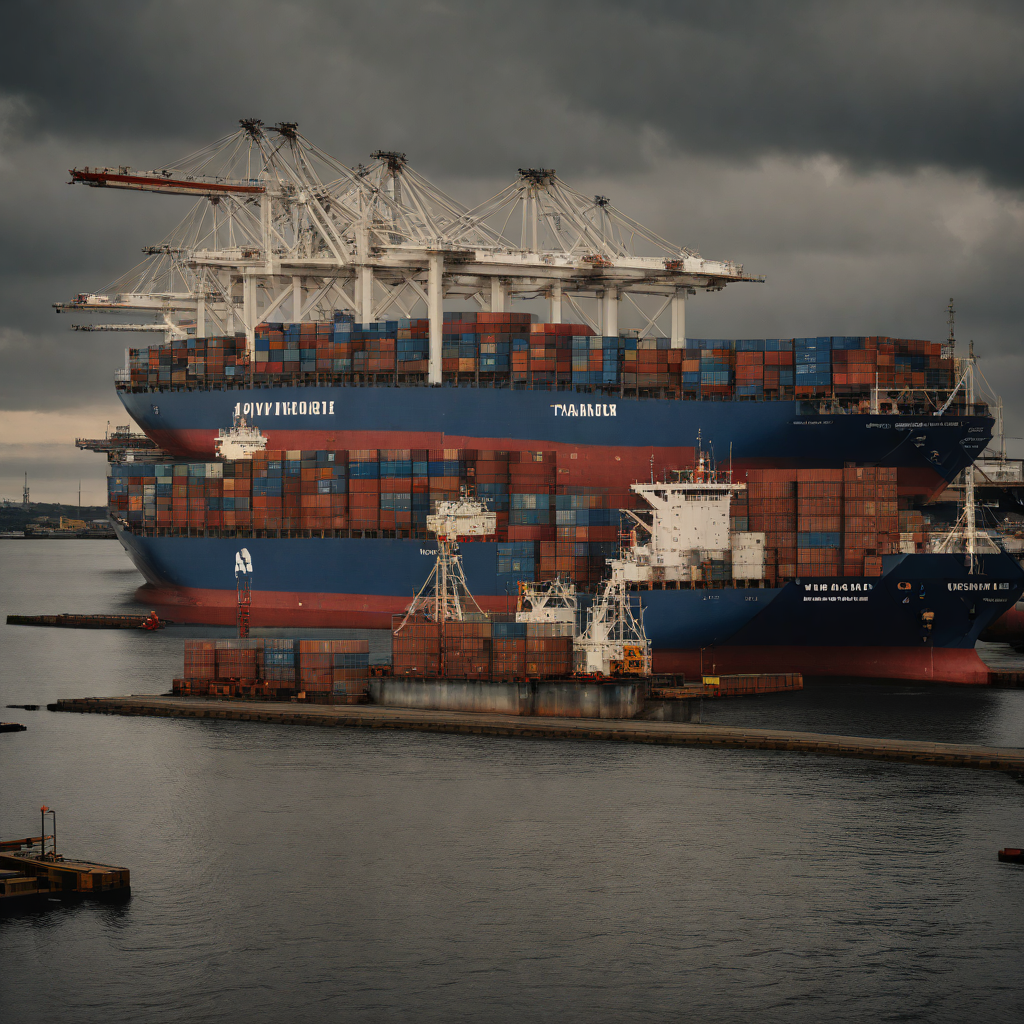
The invoice for the new world order arrived in Seoul this morning, and the sticker shock was immediate. In a disclosure that sent tremors from the Korea Exchange (KRX) straight to pre-market trading in New York, Hyundai Motor Company revealed a staggering 4.11 trillion won (approximately $2.95 billion) impairment loss for the fourth quarter of 2025. The company’s C-suite was unequivocal in its attribution, labeling the write-down as "trade policy adjustment costs"—a polite corporate euphemism for the aggressive tariff wall erected by the Trump administration earlier this year. This is the "Seoul Shock": the moment geopolitical rhetoric transformed into a balance sheet crisis, wiping out nearly 20% of the automaker's operating profit in a single fiscal stroke.
However, Wall Street is not buying the narrative that this is purely a victimless casualty of Washington’s isolationism. While the "Trump 2.0" trade barriers are undeniable, seasoned analysts suggest that Hyundai is using the White House as a convenient shield to obscure a more fundamental strategic failure. The loss, while exacerbated by the new 15% levy on imported battery components, also reflects a massive inventory write-down of unsold electric vehicles (EVs) that American consumers simply aren't buying.

For James Carter (a pseudonym), who manages a high-volume dealership network in Ohio, the earnings call dissonance rings loud. "Corporate sends us memos blaming the federal government for the margin squeeze, but that doesn't explain why my Ioniq 5s have been sitting on the lot for 90 days while the hybrid Tucsons are sold before they offload from the truck," Carter notes. His experience on the showroom floor highlights the disconnect: the 4 trillion won bill isn't just a tax; it is the cost of betting the farm on pure electrification in a market that has aggressively pivoted back to hybrids—a shift Hyundai was slower to embrace than its Japanese rivals.
The market's reaction confirms this skepticism. It wasn't just the size of the loss that triggered the sell-off; it was the realization that Hyundai's margins are collapsing even without the tariffs. A report circulating among institutional investors from Goldman Sachs this morning points out that even if the tariff impact were stripped out, Hyundai’s North American operating margin would still have contracted by 450 basis points year-over-year. The "Seoul Shock" is less about a trade war and more about a product war that the company is currently losing.
Hyundai Q4 2025: The Cost of the 'Seoul Shock' (in Trillion KRW)
Anatomy of a Trade War
The architecture of the current trade conflict is far more surgical than the blunt-force trauma of the 2018 tariff wars. While the headlines scream of a sweeping "Trump 2.0" isolationism, the reality facing Hyundai’s boardrooms in Seoul is a calculated dismantling of the previous administration's green energy incentives, replaced by a "Fortress America" industrial policy that penalizes reliance on trans-Pacific supply chains. The "Seoul Shock" reverberating through the KOSPI is not merely a reaction to general protectionism, but a specific response to the White House's aggressive revision of the "Foreign Entity of Concern" definitions earlier this month, which effectively disqualified a significant portion of Korean battery imports from entering the US market duty-free.
The mechanism of this pressure is twofold. First, the executive order signed in late 2025—often referred to by lobbyists on K Street as the "Made in America Mandate"—accelerated the domestic content requirements for automotive manufacturing far beyond the timeline originally envisioned in the Inflation Reduction Act. For Hyundai, which had gambled billions on the premise of a gradual transition, the rug was pulled out with brutal efficiency. The new levies don't just tax the final vehicle; they apply a compounding tariff on imported sub-assemblies, erasing the thin margins on which the company’s aggressive EV pricing strategy depended.
However, to attribute the entirety of Hyundai's 19.5% profit plunge solely to these external shocks is a dangerous oversimplification. While the tariffs provide a mathematically convenient explanation for the earnings miss, they mask a critical strategic misalignment. The "Fortress America" policy didn't just erect walls; it exposed those who were already standing on shaky ground. By focusing the narrative exclusively on Washington's hostility, Hyundai’s leadership sidesteps the uncomfortable reality that their product mix was optimized for a subsidy-rich 2024, not the hybrid-hungry, tariff-walled market of 2026. The trade war is real, but it is also an alibi.
The Hybrid Renaissance vs. Electric Stagnation
While the narrative emerging from Seoul this week squarely pins the blame on trade barriers, a closer examination of the sales ledger reveals a more uncomfortable truth: the "Electric Stagnation." The US automotive market in 2026 is not the same landscape that greeted the IONIQ 5 upon its celebrated arrival. We have entered what industry analysts are calling the "EV Air Pocket"—a perilous gap between the initial wave of enthusiastic early adopters and the skeptical mass market.
Consider David Miller (a pseudonym), a 42-year-old pharmaceutical sales representative based in Charlotte, North Carolina. Miller represents the exact demographic Hyundai needs to capture to sustain its growth. "I walked into the dealership loving the look of the IONIQ," Miller explains. "But then I looked at the charging infrastructure maps for my sales territory in rural South Carolina, and I looked at the premium on the sticker price. I drove off in a hybrid Tucson instead."
Miller is not an outlier; he is the market trend. While pure EV inventory has swelled on dealer lots across the Sun Belt, hybrid vehicles are commanding waitlists. By aggressively pursuing a battery-first identity, Hyundai left itself exposed to this shift in consumer sentiment, unlike rivals such as Toyota and Ford, who maintained robust hybrid lineups that are now effectively subsidizing their slower-moving electric divisions.
The Divergence: US Market Growth Rate (YoY) - Hybrids vs. Pure EVs
The data above, synthesized from Q4 2025 industry reports, illustrates the "jaws of death" for pure-play EV strategies. While hybrid growth has accelerated, tripling in velocity over the last two years, EV growth has cratered to single digits. This is not merely a policy failure; it is a product-market fit failure. The current administration's slashing of federal EV tax credits certainly pulled the rug out from under the segment, but the fall began while subsidies were still technically available.
Detroit's Vindication
While executives in Seoul scramble to draft press releases blaming the White House’s aggressive new trade walls, the reality on the ground in Michigan tells a starkly different story. It is a narrative not of victimization, but of strategic vindication for Detroit’s legacy giants. For the better part of the last administration, General Motors and Ford were cast as dinosaurs, lumbering too slowly toward an all-electric extinction event. Yet, in the harsh light of the 2026 economy, their hesitation looks less like lethargy and more like prescience.
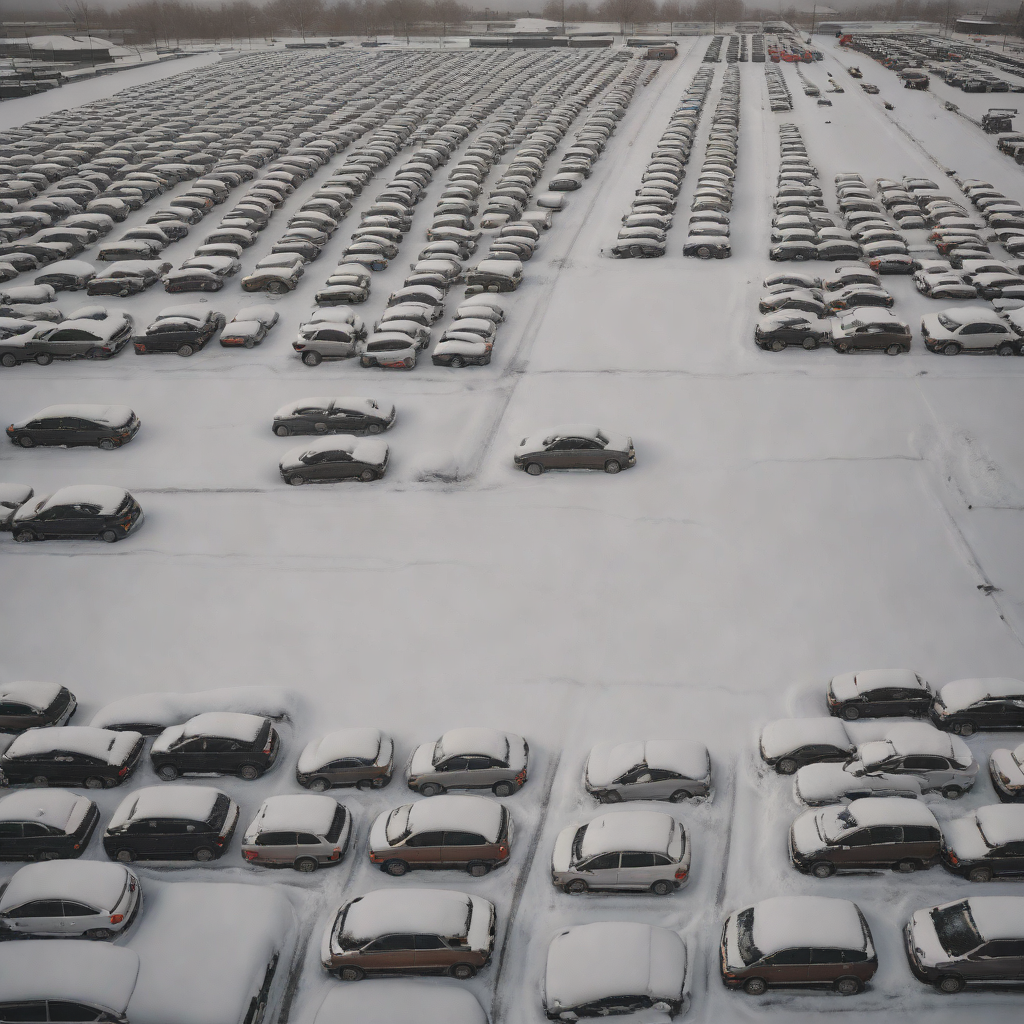
The defining miscalculation of the Hyundai Motor Group was not failing to predict Donald Trump’s return to the Oval Office, but failing to predict the resilience of the internal combustion engine in the American heartland. While Hyundai bet the farm on the pure-electric IONIQ architecture—a marvel of engineering that now sits accumulating snow on dealer lots—Detroit executed a quiet, lethal pivot back to hybrids. According to Q4 2025 sales data, while pure EV adoption in the non-luxury segment plateaued, hybrid sales for domestic manufacturers surged by 28%. This "Hybrid Renaissance" has become the financial firewall for US automakers.
The "Seoul Shock" provides convenient cover for this fundamental product-market mismatch. Even if the tariff wall were dismantled tomorrow, Hyundai would still face a product portfolio that is structurally misaligned with the current American regulatory and economic reality. The Trump administration’s swift rollback of the EPA’s aggressive tailpipe emissions targets has effectively removed the regulatory gun from the head of the auto industry. In this deregulated environment, the "compliance car" is no longer a money-losing EV; it is a profitable, high-margin hybrid truck.
The Alabama Dilemma
For years, the sprawling assembly lines in Montgomery, Alabama, were touted as Hyundai’s ultimate insurance policy against American protectionism. The logic was sound: build where you sell to insulate the brand from trade wars. Yet, the Alabama shield has proven dangerously permeable. The Trump administration’s revised "Patriot Supply Chain" standards have exposed a critical vulnerability: final assembly is no longer enough. The administration has made it clear that a car assembled in Alabama with a battery chemically processed in China or a drivetrain cast in Ulsan is, for tax purposes, a foreign import.
However, blaming Washington for the 19.5% profit plunge ignores the inventory reality visible on dealer lots across the Sun Belt. The tariff is a blunt instrument, certainly, but it is striking a company that was already bleeding from a self-inflicted strategic wound. The "Alabama Dilemma" is twofold. On one front, "America First" policy has redefined domestic manufacturing, catching Hyundai in a supply chain trap. On the second, more lethal front, Hyundai is manufacturing the wrong product for the current economic climate. As Detroit incumbents quietly pivot back to combustion-assisted platforms, Hyundai finds itself with the most advanced electric vehicle factory in the hemisphere, just as the political and consumer winds have shifted decisively against it.
The "Seoul Shock" is fundamentally a crisis of capital allocation meeting protectionist headwinds. Hyundai faces a stark binary choice: double down on US manufacturing to localize enough content to potentially bypass future tariff walls—a strategy that requires pouring billions into a softening EV market—or pivot resources toward emerging markets, effectively conceding US market share to domestic giants like Ford and GM who have already recalibrated their hybrid strategies. The drop in earnings is less a result of what President Trump has done, and more a reflection of what the American consumer has stopped doing: paying a premium for a future they aren't quite ready to afford.