The Seoul Shock: Why Trump’s Tariff Pause is a Tactical Trap

The Seoul Shockwave and the Sudden Silence
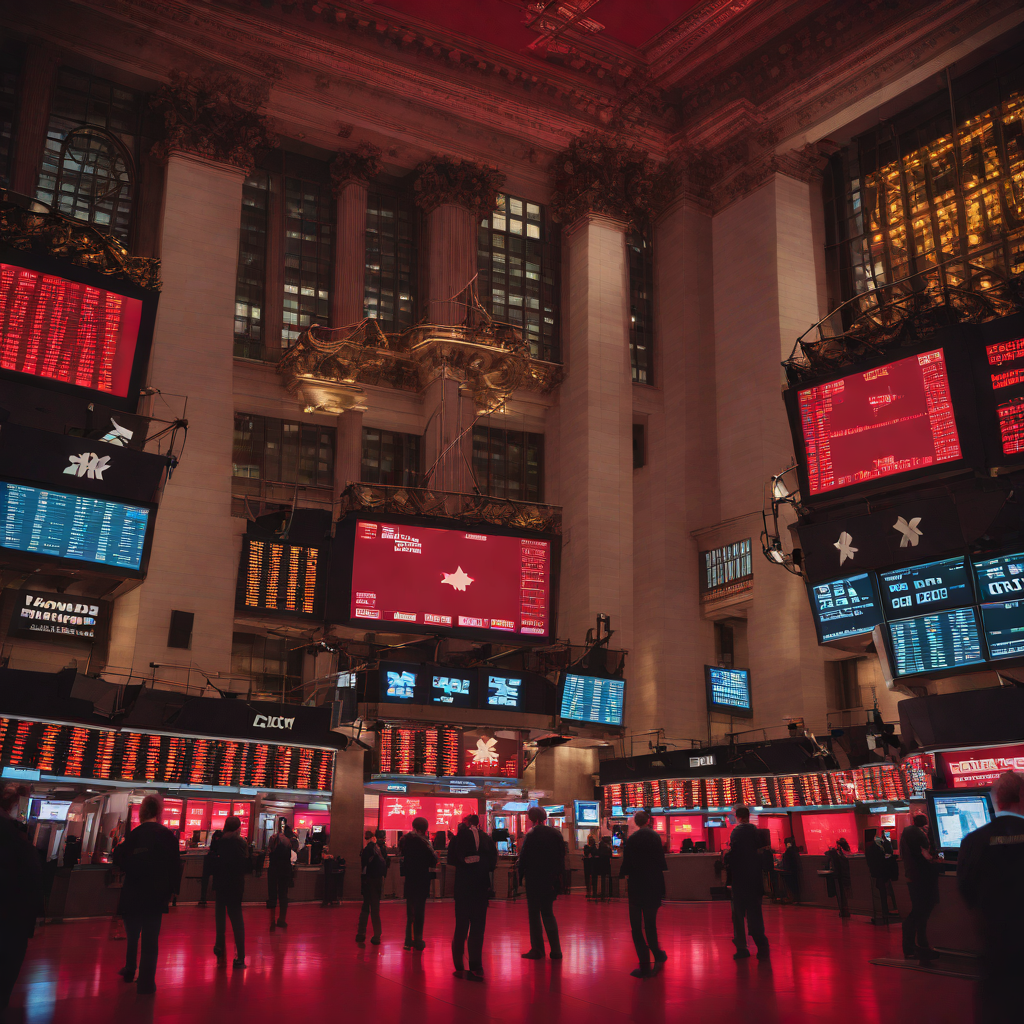
The tickers on the floor of the New York Stock Exchange turned a violent shade of crimson before the opening bell even rang on Tuesday, a visceral reaction to what analysts are now calling the "Seoul Shock." For seventy-two hours, the global semiconductor index didn't just stumble; it convulsed. The trigger was a classic Trumpian thunderbolt: a threat of 20% universal tariffs on South Korean imports, ostensibly over stagnant defense cost-sharing negotiations. But just as the KOSPI threatened to breach critical support levels, dragging the Nasdaq down with it, the storm abruptly broke. President Trump’s remark yesterday from the Oval Office—that he is "preparing a solution" that would be "very fair, but very strong"—acted as an immediate tranquilizer for the markets. The sudden silence that has followed is not the peace of resolution, but the calculated quiet of a leverage trap snapping shut.
To view this pause as a retreat is to fundamentally misunderstand the operating manual of the second Trump administration. The "Seoul Shock" was not a diplomatic gaffe; it was a stress test. By rattling the cage, the White House effectively demonstrated that the American economy, while vulnerable to supply chain disruptions, can absorb short-term pain far better than Seoul’s export-dependent model. For (Pseudonym) Michael Johnson, a portfolio manager in Greenwich managing high-exposure tech assets, the relief rally that followed the President's comments was a signal to hedge, not to buy. "We saw the algorithm of the next four years play out in three days," Johnson noted, watching the volatility index stabilize. "He broke the window, and now he’s offering to sell them the glass. The 'solution' isn't a walkback; it’s a bill."
Wall Street's Veto: When Markets Constrain Policy
The narrative that the Trump administration’s sudden de-escalation with Seoul represents a diplomatic softening fundamentally misreads the architecture of the "America First" doctrine in 2026. The call to pause didn’t come from the State Department or the Pentagon; it came from the trading floors of Lower Manhattan. When the White House floated the possibility of a "comprehensive tariff readjustment" on South Korean imports—specifically targeting advanced logic and memory chips—as leverage for the stalled defense cost-sharing talks, the recoil in U.S. equity markets was immediate and violent.
For the last 72 hours, the "Seoul Shock" has served as a stress test for the decoupling thesis, and the results were unequivocal: the U.S. technology sector is not yet ready to sever the artery of Korean supply chains without inducing cardiac arrest in its own capital markets. The mechanics of this retreat are visible in the order books. On Tuesday, as rhetoric regarding the Special Measures Agreement (SMA) peaked, the Philadelphia Semiconductor Index (SOX) shed nearly 4.5% in intraday trading. This wasn't merely speculative jitter; it was a pricing-in of catastrophic disruption. Major U.S. hyperscalers—the engines of the AI economy—remain critically dependent on High Bandwidth Memory (HBM) produced by Korean foundries.
Market Reaction: The 'Seoul Shock' Volatility (Jan 26-29, 2026)
(Pseudonym) Michael Johnson, a senior portfolio manager at a Connecticut-based hedge fund, described the morning the tariff rumors broke as a "liquidity air pocket." "We saw algorithmic trading desks dump anything with exposure to the Asian semiconductor corridor within seconds," Johnson noted. "The administration talks about energy independence, but we don't have 'memory independence' yet. You can’t build an AI data center in Northern Virginia without chips from Icheon or Pyeongtaek. Washington tried to use a sledgehammer on a negotiation that requires a scalpel, and the Nasdaq threatened to revolt."
The Transactional Glossary: Redefining the Alliance
In the lexicon of the second Trump administration, the word "solution" has undergone a radical semantic shift. It no longer signifies the resolution of a conflict or the restoration of diplomatic equilibrium. Instead, within the West Wing’s current strategic calculus, a "solution" is synonymous with a closed transaction—specifically, one where the counterparty accepts a premium for continued access to the American security umbrella. The sudden "pause" in aggressive tariff rhetoric targeting Seoul this week should not be misread as a softening of the "America First" doctrine. Rather, it is the tactical silence of a negotiator who has just named his price and is waiting for the other side to blink.
This recalibration is most visible in the renewed negotiations over the Special Measures Agreement (SMA). While previous administrations viewed defense cost-sharing as a logistical necessity, the current White House treats the US troop presence on the Korean Peninsula as a service export. Internal memos circulating through the State Department, leaked earlier this month, suggest a pivot from "fair burden sharing" to a "strategic asset tax." The proposal effectively asks Seoul to underwrite not just the direct costs of stationing 28,500 troops, but also a percentage of the broader strategic deterrent capability—nuclear submarines and bomber rotations—that operates outside their borders.
For (Pseudonym) David Chen, a supply chain risk assessor for a major Silicon Valley semiconductor firm, this geopolitical haggling has immediate, quantifiable consequences. "The market interprets this 'pause' as stability, but the order books tell a different story," Chen explains, noting that his firm has begun hedging against Korean memory chip deliveries for Q3 2026. "We are pricing in a 'compliance premium.' If the SMA negotiations stall, we expect the administration to leverage Section 232 tariffs on Korean tech exports as a forcing mechanism. The 'solution' Washington wants isn't about troops; it's about forcing Samsung and SK Hynix to decouple from Chinese supply chains faster than legally required."
Silicon Shield or Bargaining Chip?
The silence emanating from the White House regarding the renegotiation of the Special Measures Agreement (SMA) with South Korea is not a sign of diplomatic fatigue; it is the calculated quiet of a leverage buyout. While the headlines have focused on the "Seoul Shock"—the immediate market recoil from potential tariff threats—the real negotiation is happening well below the surface of defense spending. President Trump’s sudden pivot to "prepare a solution" signals a shift from crude monetary demands to a far more sophisticated extraction of value: the total integration of South Korea’s "Silicon Shield" into the American industrial base.
(Pseudonym) James Carter, a supply chain risk analyst for a major defense contractor in Northern Virginia, views this tactical pause as a necessary calibration. "We aren't just looking at the cost of troops in Pyeongtaek anymore," Carter notes, reviewing the latest logistics reports. "The administration understands that a disruption in HBM (High Bandwidth Memory) supply from Incheon is a greater threat to US national security than a traditional border skirmish. The 'pause' gives Seoul a choice: pay in cash for defense, or pay in silicon capacity. The latter is far more valuable to the US economy."
Projected Share of Advanced Logic Manufacturing (sub-5nm) by 2027
The Stability Paradox and the Post-Alliance Era
The White House’s sudden announcement of a “strategic pause” effectively institutionalizes uncertainty, creating a tangible "risk premium" on every dollar invested in the region. The "Stability Paradox" creates a scenario where the threat of abandonment yields more political capital than actual abandonment ever could. By temporarily shelving the immediate demand for a 500% increase in defense contributions, the administration has not abandoned the ask; it has merely converted a diplomatic crisis into a lingering market liability. Stability on the Korean Peninsula is no longer a guaranteed geopolitical asset provided by the United States—it is now a subscription service, with the price subject to dynamic surge pricing.
Ultimately, the "Art of the Pause" serves to reset the baseline. By temporarily withholding a decision, the administration transforms the status quo—the continued presence of US troops—into a new concession that must be "bought" again. Allies are now effectively on renewable short-term contracts, subject to performance reviews based on trade balances and investment quotas. For the global market, this means that geopolitical risk is no longer an external shock but a constant variable in the valuation of any asset tied to the US security perimeter. The "solution" coming from Washington will likely secure peace for a price, reaffirming that in 2026, the Free World is a marketplace, and membership has its dues.