Atomic Realism: The Canada-India Nuclear Deal and the End of Values-Based Diplomacy
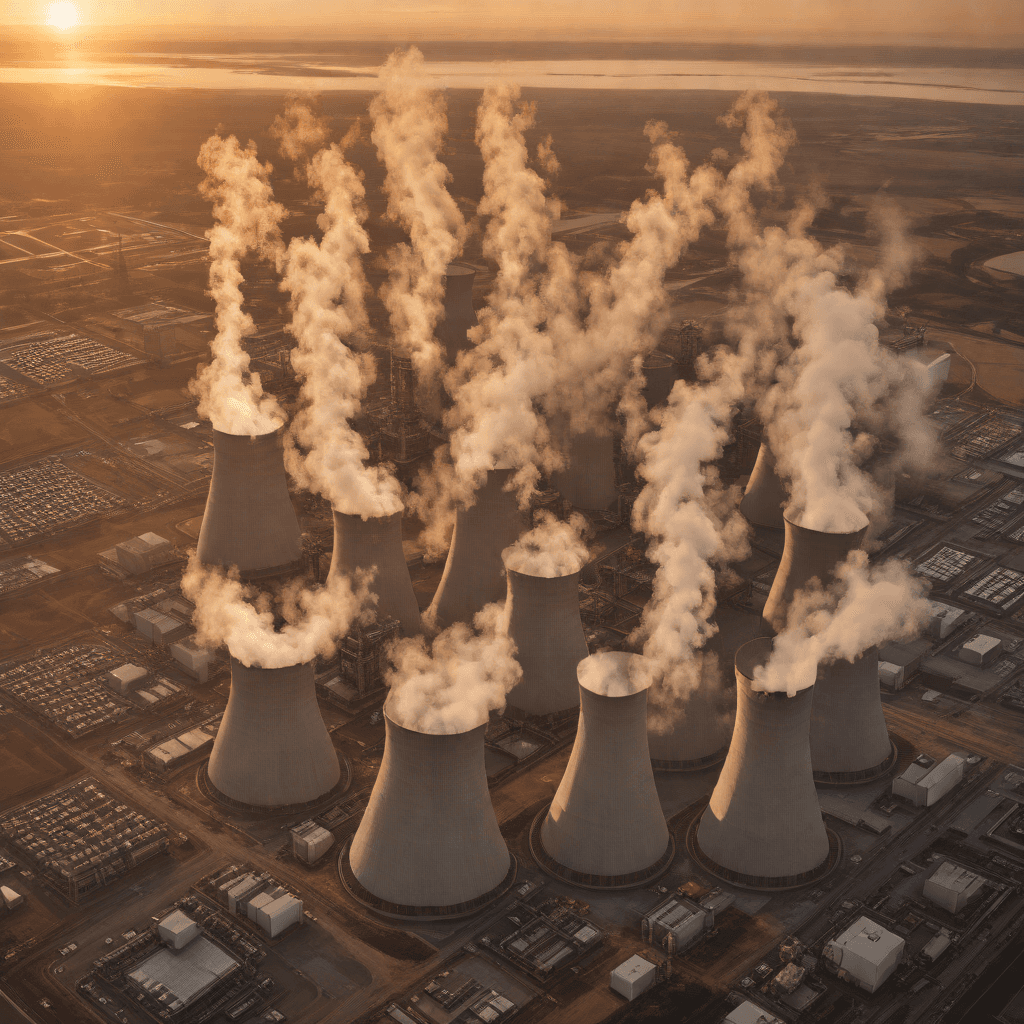
The Atomic Thaw in a Fractured World
Diplomatic frost has thawed into industrial necessity. In early 2026, the landmark nuclear cooperation agreement between Ottawa and New Delhi signaled a definitive realignment of global statecraft. This move discards the "values-first" diplomacy of the post-Cold War era for a raw, resource-driven strategic pragmatism.
Severe ruptures from 2023–2025 over extrajudicial allegations have collapsed under the weight of the 2026 energy crisis. With global energy markets reeling from supply chain failures and Middle Eastern instability, Canada’s uranium reserves and India’s expanding industrial base have become inevitable partners.
James Carter, a foreign policy analyst in Washington, views this deal as the first major "post-values" alliance of the second Trump administration. Carter observes that in an era defined by US deregulation and isolationism, economic survival dictates terms regardless of political grievances. Allies like Canada are finding that their traditional dependence on the US requires a strategic counterweight in the Indo-Pacific.
Uranium for Stability: Powering the Indian Machine
India’s push to become a hub for automated manufacturing and 6G infrastructure is fundamentally an energy challenge. The deployment of 6G technology—essential for autonomous systems—requires massive high-density data centers. New Delhi projects a 40% increase in base-load power requirements by 2030, a demand that intermittent renewables cannot sustain.
Maria Rodriguez, a private equity investor in emerging infrastructure, calls the Canadian deal the "missing gear" in the Indian economic engine. She notes that without Canadian uranium, the risk profile for industrial automation in regions like Maharashtra would deter international capital. The agreement provides the long-term predictability required for the "Make in India" initiative.
Integrating nuclear power responds directly to the global "Adjustment Crisis." As automation displaces labor, competitive advantage shifts from low-cost workers to low-cost, reliable power for AI clusters. Energy policy has become the primary industrial policy, prioritizing power for silicon over traditional job creation.
The New CANDU Paradigm: Code Over Treaties
The shadow of India’s 1974 nuclear test has long obstructed atomic cooperation. However, Small Modular Reactor (SMR) technology has rewritten the proliferation risk-benefit calculation. These units feature passive safety systems and integrated fuel cycles that make material diversion nearly impossible to conceal.
Industry analysts expect the agreement to focus on deploying SMRs to power localized industrial parks. This modular approach bypasses the massive upfront capital costs of legacy reactors. David Chen, an Indo-Pacific energy consultant, argues that "plug-and-play" reactors align with India's rapid urban expansion.
Safeguards in the 2026 agreement utilize real-time algorithmic monitoring of fuel rods. This "New CANDU Paradigm" prioritizes technological lock-in, where operational software remains tied to Canadian intellectual property. This digital non-proliferation replaces traditional treaties with immutable code, shielding the partnership from geopolitical shifts.
The Trump Factor: Navigating a Transactional Grid
The second Trump administration’s push for domestic energy deregulation signals that the US is no longer subsidizing global stability. As Washington pivots toward LNG exports and withdraws from multilateral frameworks, middle powers like Canada must diversify. Ottawa’s turn toward India seeks to insulate its resource sector from potential US tariffs.
In this environment, strategic pragmatism is the only viable path. Bilateral trade now rests on immediate reciprocity rather than old-world alliance structures. Sarah Miller, a Canadian commerce official, notes that US policy has turned every negotiation into a game of leverage. By securing India’s market, Canada gains the weight needed to negotiate with Washington.
This reflects "Regionalized Globalization," where trade blocs form based on resource supply and industrial demand rather than geography. While the US remains the largest economy, its influence has become purely transactional. For Canada and India, this deal declares independence from American political volatility.
Sovereignty versus Supply: The Security Firewall
Despite economic logic, domestic pressures persist. Canada remains wary of foreign interference and infrastructure security, while Indian nationalists resist "technological colonialism" or foreign oversight of strategic assets.
Reports suggest both nations have adopted a "Security First" framework that separates energy from political friction. Intelligence agencies may clash over clandestine activities, but uranium shipments remain protected by a sovereign firewall. Michael Johnson, a security consultant, describes this as a strategic decoupling where leaders ignore political noise to protect economic gains.
This compartmentalization defines 2026 diplomacy: nations accept mutual distrust as the cost of doing business. However, this creates a permanent risk premium. A significant cyberattack or public scandal could still force leaders to prioritize domestic optics over industrial necessity.
Lessons in Strategic Pivot
The Ottawa-New Delhi deal serves as a blueprint for middle powers reclaiming agency in a bipolar world. By linking Canada’s resources with India’s industrial scale, these nations bypass ideological purity. This strategy is now a case study for nations from Brazil to Vietnam navigating the Trump 2.0 era.
The core lesson: economic survival is the most effective lubricant for diplomatic friction. When national power grids and multi-billion dollar manufacturing sectors are at stake, historical grievances recede. Functional alignment is replacing formal alliances, acknowledging that no nation can remain an island of ideological purity in an era of resource scarcity.
As physical and digital borders harden, the flow of uranium and code creates a rare bridge. This partnership proves that while nations may disagree on values, they are universally aligned in their need for the energy that sustains civilization. The 21st century is defined not by who we stand with, but by what we need to survive.
Sources & References
India and Canada reset ties with 'landmark' nuclear energy deal
BBC • Accessed Mon, 02 Mar 2026 14:41:29 GMT
India and Canada reset ties with 'landmark' nuclear energy deal
View OriginalPM Modi, Carney Usher Reset In India-Canada Ties, Declare Landmark Uranium, Critical Minerals Deal
The Times of India • Accessed Mon, 02 Mar 2026 09:19:51 GMT
India is closely monitoring its crude oil and fuel supply amid escalating Middle East tensions. The government assures domestic availability and affordability of petroleum products. Disruptions in Qatar's LNG production and Saudi Arabia's oil refinery have already impacted global markets, with European gas prices surging. Oman’s foreign minister claimed Tehran had said it would end enriched uranium stockpiles and open its facilities to inspectors — raising hopes of a breakthrough.
View OriginalModi-Carney talks reset ties: India, Canada seal landmark uranium deal, target USD 50-bn trade - Mid-day
Google News • Accessed Mon, 02 Mar 2026 12:07:00 GMT
In Focus Follow Us: Mumbai Toxic oleum gas leak in Palghar: 2,600 evacuated, three report eye irritation Premium --> 02 March,2026 08:11 PM IST | Palghar | mid-day online correspondent The white cloudy smoke has spread over parts of Boisar city due to the leakage.
View OriginalIndia-Canada Reset Ties, Long Term Deal On Uranium Supply
StratNews Global • Accessed Mon, 02 Mar 2026 10:52:01 GMT
India-Canada Reset Ties, Long Term Deal On Uranium Supply
View OriginalModi and Carney reset India-Canada ties with Uranium deal and 2026 trade deadline
gg2.net • Accessed Mon, 02 Mar 2026 13:24:28 GMT
-3.9 C New York Monday, March 2, 2026 About us Contact Us Facebook Instagram Twitter Youtube Home News News Modi and Carney reset India-Canada ties with Uranium deal and 2026 trade deadline News FBI director Kash Patel under scrutiny over SWAT protection for Alexis Wilkins and bureau jet travel News Trump praises Pakistan leadership as border conflict with Afghanistan intensifies News Zohran Mamdani presses Donald Trump for $21B federal support for major housing and infrastructure plan News 2026
View OriginalIndia, Canada aim for trade pact by year end, agree uranium deal
Al Jazeera • Accessed Mon, 02 Mar 2026 10:44:34 GMT
aj-logo This video may contain light patterns or images that could trigger seizures or cause discomfort for people with visual sensitivities. BREAKING BREAKING, Iran targets energy sites as Israel hits Tehran, Beirut; US jets crash blinking-dot Live updates Live updates, list 1 of 10 live-orange Published 59 seconds ago 59s ago Berlin to evacuate German children, pregnant women from Middle East list 2 of 10 live-orange Published 5 minutes ago 5m ago Bahrain says air defence systems intercepted n
View OriginalCanada, India Sign Rare Earth and Uranium Agreements in Bid to Reset Ties
The Diplomatic Insight • Accessed Mon, 02 Mar 2026 10:37:12 GMT
Facebook X-twitter Youtube Linkedin Instagram Telegram Search Search TRENDING News Desk March 2, 2026 2:17 pm Latest US Embassy, Consulates in Pakistan Suspend Visa Appointments March 2, 2026 Read More » Escalating Iran War Forces Shutdown of Key Saudi, Kurdish and Israeli Energy Sites March 2, 2026 Read More » Canada, India Sign Rare Earth and Uranium Agreements in Bid to Reset Ties March 2, 2026 Read More » Dubai’s Luxury Hotel to Abu Dhabi’s World-Class Airport Caught in the Fury
View OriginalModi-Carney talks: India, Canada seal landmark uranium deal; set USD 50 bn trade target
The New Indian Express • Accessed Mon, 02 Mar 2026 10:26:11 GMT
Modi-Carney talks: India, Canada seal landmark uranium deal; set USD 50 bn trade target
View OriginalIndia and Canada Set Sights on Free Trade Agreement Amid Diplomatic Reset
Devdiscourse • Accessed Mon, 02 Mar 2026 08:25:52 GMT
India and Canada Set Sights on Free Trade Agreement Amid Diplomatic Reset
View OriginalIndia and Canada agree to strengthen once-strained ties
malaysiasun.com • Accessed Mon, 02 Mar 2026 07:24:00 GMT
DMK's dreams of returning to power will turn into nightmares : PM Modi accuses Tamil Nadu govt of mafia-like politics Madurai (Tamil Nadu) [India], March 1 (ANI): Prime Minister Narendra Modi on Sunday launched a scathing attack against the ruling DMK...
View OriginalCanada and India strike agreements on rare earth, uranium
Dawn • Accessed Mon, 02 Mar 2026 10:10:31 GMT
Home Latest T20 World Cup Pakistan Opinion Business Images Prism World Sport Breathe Magazines Tech Videos Popular Archive Flood Donations Search Search Subscribe to notifications Get the latest news and updates from Dawn Iranian media reports Khamenei’s wife dies after being wounded in US-Israeli strikes; Iran Red Crescent says 555 people killed so far; 4th US service member dies in operation.
View OriginalIndia, Canada sign uranium and critical minerals pacts; aim for $50 billion bilateral trade by 2030
Fortune India • Accessed Mon, 02 Mar 2026 12:17:51 GMT
Banks are no longer the only source of funds for Corporate India. With access to other sources of funding, is industrial credit dead?
View OriginalWhat do you think of this article?