The Logistics of Isolation: Japan’s High-Cost Rescue and the Fragmented Middle East
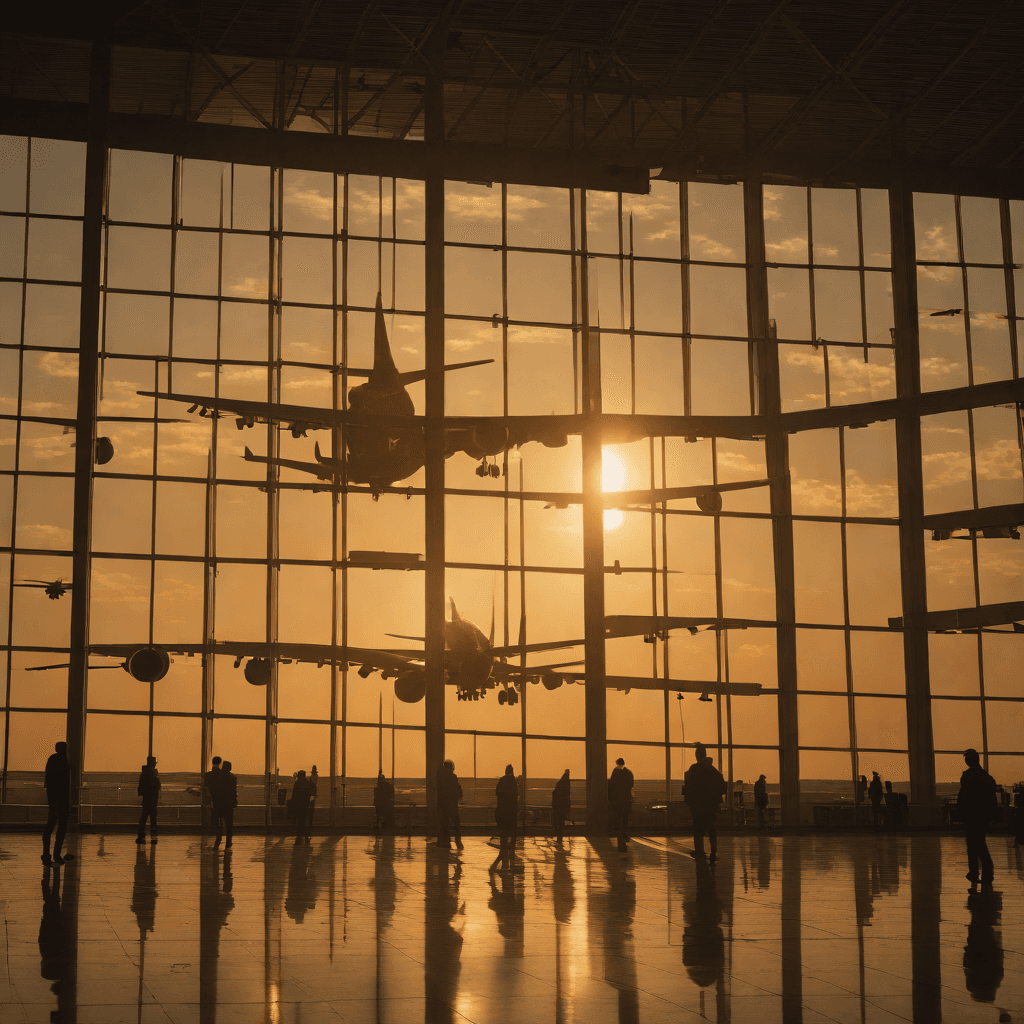
The Silent Stranding in a Volatile Region
The sudden suspension of commercial aviation across the Persian Gulf has left thousands of foreign nationals, including Japanese travelers, trapped in a rapidly deteriorating security environment. As of March 5, 2026, military operations against Iran have entered their sixth day, triggering a cascading closure of sovereign airspaces that has severed the 'safe corridors' connecting East and West. This disruption is a physical reality of a world where geopolitical friction now outpaces the ability of commercial infrastructure to adapt.
For Sarah Miller, a Dubai-based American travel consultant, the shift was instantaneous. Regional hubs—once the crown jewels of global logistics—became gilded cages as Gulf nations shuttered airports in response to the escalating conflict. The Japanese Ministry of Foreign Affairs (MOFA) issued an emergency evacuation order after commercial exit routes vanished. This intervention underscores a grim new reality: in the age of high-intensity regional conflict, a passport no longer guarantees passage, and the state must step in where the market fails.
From Protocol to Reality: The Mechanics of Sovereign Rescue
Extracting citizens from a conflict zone requires coordination that transcends simple flight scheduling. Reports from the Yomiuri Shimbun and Asahi Shimbun indicate the Japanese government has bypassed diplomatic pleas to actively charter private aircraft, maneuvering around paralyzed commercial hubs. Officials must secure landing rights in restricted environments while ensuring the safety of civilians traveling to extraction points through threatened ground corridors.
This rescue operation is unfolding in stages. MOFA reports that two Japanese nationals were successfully evacuated from Iran into Azerbaijan. However, the challenge is mounting. Logistics coordinator Michael Johnson observes that the transition from commercial travel to sovereign rescue is a binary switch most travelers are unprepared for. When Tokyo charters a flight, it is purchasing a diplomatic 'bubble' in a sky where the U.S. military is currently asserting air dominance. For those waiting at the terminal, this transition involves a total loss of autonomy and a reliance on opaque state-level negotiations.
The Geopolitical Maze of the Modern Levant
The Middle East in 2026 has become a 'black hole' for global travel, driven by advanced electronic warfare and fragmented regional alliances. Military operations have rendered flight paths over the Gulf of Oman and the Persian Gulf unusable for non-military craft. Gulf countries, formerly neutral grounds for transit, are now prioritizing defensive postures, leading to abrupt airport closures across the region.
The complexity has surged over the last three years. In 2023, during the Israel-Hamas conflict, Japan evacuated 51 citizens with South Korean military cooperation—a sign of functional regional partnership. In 2026, that framework is buckling under a multi-state escalation.
The data indicates that while the number of evacuees has doubled, the complexity—factoring in airspace closures and the breakdown of diplomatic norms—has increased at an nearly exponential rate.
When Alliances Hit the Wall
The 'America First' administration under President Trump has pivoted toward transactional diplomacy, altering how the U.S. interacts with allies during humanitarian crises. While the U.S. military claims it will achieve air superiority over Iran 'within days,' this dominance does not necessarily provide a safety net for allied civilians. In 2026, U.S. assets are prioritized for American tactical objectives and the protection of U.S. citizens, leaving middle powers like Japan to navigate alternative partners.
This shift has forced Tokyo to look beyond its traditional security umbrella. While past evacuations saw Japanese and South Korean forces sharing transport, the current isolationist tone in Washington has introduced significant friction into multi-lateral coordination. Tokyo's decision to move travelers through Azerbaijan—rather than U.S.-controlled hubs—is a profound signal of this divergence. For the international community, the 'wall' is no longer just a physical border; it is the limit where an ally’s responsibility ends and a nation’s sovereign burden begins.
The Privatization of Sovereign Responsibility
As state-to-state diplomatic channels clog with trade wars and military posturing, a new industry has risen: the privatization of sovereign rescue. Japan’s reliance on chartered aircraft reflects a broader trend where governments contract private logistics and security firms to execute functions once reserved for the military. These firms possess the flexibility to navigate the gray zones of international law where official statecraft is too slow or politically sensitive.
This creates a two-tiered system of global citizenship. On one level, the state maintains the facade of universal protection; on the ground, the efficacy of an evacuation depends on the depth of the contracts a government holds with private providers. In the U.S., deregulation has allowed these extraction contractors to flourish, providing services to corporations and wealthy individuals that bypass the State Department. For the Japanese traveler in 2026, the safety net is woven from private capital and specialized logistics rather than international law.
Redefining the Safety Net for a Deglobalized World
The mission to extract Japanese nationals from the Middle East is a harbinger of a fragmented era of travel. The collapse of safe corridors indicates that frictionless global mobility is ending, replaced by fortress regions and risk zones. For Japan, the lesson of 2026 is that maintaining global economic interests now requires a permanent, high-cost infrastructure for civilian rescue.
This evolution forces a difficult conversation about the value of citizenship. If the state must spend millions to extract a handful of citizens, the taxpayer is essentially subsidizing the free market of travel. Yet, in the current geopolitical climate, failing to protect citizens abroad is a fatal blow to national prestige. As nations build independent rescue capabilities, they are preparing for a future where the global commons—once policed by a unified West—is now a contested and fragmented landscape.
Sources & References
外務省 中東から出国できない日本人旅行者の退避支援を発表
NHKニュース • Accessed 2026-03-05
メニュー 閉じる トップニュース 国内外の取材網を生かし、さまざまな分野のニュースをいち早く、正確にお伝えします 天気予報・防災情報 天気予報・防災情報を確認する 新着ニュース ネパール政変後 初の総選挙 若者支持 新興政党 議席伸ばせるか 午後5:25 イランへの軍事作戦は6日目 各国の反応まとめ 午後5:25 中国 全人代 経済成長率の目標「4.5%~5%」去年から引き下げ 午後5:24 外務省 中東から出国できない日本人旅行者の退避支援を発表 午後5:24 新着ニュース一覧を見る 各地のニュース 地図から選ぶ の最新ニュース 表示するエリア 北海道 青森県 岩手県 宮城県 秋田県 山形県 福島県 首都圏 茨城県 栃木県 群馬県 埼玉県 千葉県 神奈川県 新潟県 山梨県 長野県 東海 富山県 石川県 福井県 岐阜県 静岡県 三重県 関西 滋賀県 京都府 兵庫県 奈良県 和歌山県 鳥取県 島根県 岡山県 広島県 山口県 徳島県 香川県 愛媛県 高知県 福岡県 福岡県(北九州) 佐賀県 長崎県 熊本県 大分県 宮崎県 鹿児島県 沖縄県 深掘りコンテンツ 注目 社会 政治 経済 気象・災
View Original外務省 中東から出国できない日本人旅行者の退避支援を発表
NHK • Accessed Thu, 05 Mar 2026 17:24:03 +0900
外務省 中東から出国できない日本人旅行者の退避支援を発表
View Original政府、湾岸諸国の空港封鎖で足止めの邦人をチャーター機で退避支援へ
Asahi • Accessed 2026-03-05
政府、湾岸諸国の空港封鎖で足止めの邦人をチャーター機で退避支援へ
View Original中東情勢悪化で出国困難、邦人退避へチャーター機を手配…外務省が発表
読売新聞オンライン • Accessed Thu, 05 Mar 2026 05:06:00 GMT
注目ワード #中東情勢 #侍ジャパン #ウクライナ情勢 #東日本大震災 #大学入試 #パラリンピック 日本 3月6日 19:00 台湾 最新情報 日程・結果 日本代表 結果 きょう開幕 オーストラリア対台湾 最新主要ニュース 打ち上げ失敗のカイロス3号機、発射1分後に機体破壊システムが作動 16:43 姫路城「二重価格」2・5倍差、導入4日間の入城者は前年比減…市は「本当に見たい人は来てくれる」・周辺店舗は「影響が心配」 14:30 那須の観光農園で看板倒れ観光客3人下敷き、病院に搬送…現場付近に強風注意報 16:31 アメリカ軍、イラン上空の制空権を「数日以内に掌握」…潜水艦が魚雷で艦艇撃沈は「第2次世界大戦以来」 12:38 #イスラエル・中東情勢 暗号資産「サナエトークン」名称変更へ…高市首相「承認を与えたことはない」 17:06 自衛官の「第二の人生」支援、海保や消防でキャリア生かす取り組みも…「50代半ばで定年」不安解消図り志願者確保へ 15:00 食品スーパー「かましん」、納入業者60社に従業員1万人を無償で派遣させる…公取委が再発防止求める警告 15:30 町のAIオンデ
View Originalイランから出国を希望する日本人2人が隣国アゼルバイジャンへ退避完了 外務省|Quebee キュエビー
QAB 琉球朝日放送 • Accessed Tue, 03 Mar 2026 20:29:22 GMT
QABの番組 CATCHY 第1部 月〜金 午後4時15分 CATCHY 第2部 月〜金 午後6時15分 QAB最新ニュース 春のセンバツ出場にエール サンシャインから沖縄尚学に寄付金 SUPで世界の海を渡る~荒木珠里~ 戦時中の敷設艦「燕」の潜水調査始まる テーマパーク運営企業が今帰仁村の子どもエイサー団体に支援金を贈呈 17のたね 火曜 午後6時55分 ジンベーニョTV 火曜 よる11時10分 青春スパーク 木曜 午後6時55分 MY NAME IS ロジャー MY NAME IS ロジャー 第1・第3土曜 深夜0時 #サタデーキングス 土曜 午前11時25分 リゾートキングダム 土曜 深夜0時30分 ガレッジセールの英雄会議 日曜 午後4時30分 ウチラン 日曜 午後5時
View Original日本人51人、イスラエルから退避 韓国軍が協力 - 日本経済新聞
日本経済新聞 • Accessed Sat, 14 Oct 2023 07:00:00 GMT
日本・カナダがサイバー防御で情報共有 関係格上げ、中ロの攻撃を分析 特報 日本・カナダがサイバー防御で情報共有 関係格上げ、中ロの攻撃を分析 日・カナダ両政府は近く、サイバーセキュリティーに関する政策協議を新設する。中国やロシアによる攻撃の手口などを定期的に情報交換して分析する。カナダはサイバー防御で世界有数の対処能力を有している。日本はノウハウを共有してもらい、防衛力の強化につなげる。 高市早苗首相と来日するカーニー首相との6日の首脳会談で政策協議の立ち上げを決める。2005年以来、21年ぶりにまとめる首脳共同声明に方針を盛り込む。…
View OriginalWhat do you think of this article?