The Ethylene Fracture: Why US Energy Dominance Fails to Shield Manufacturers
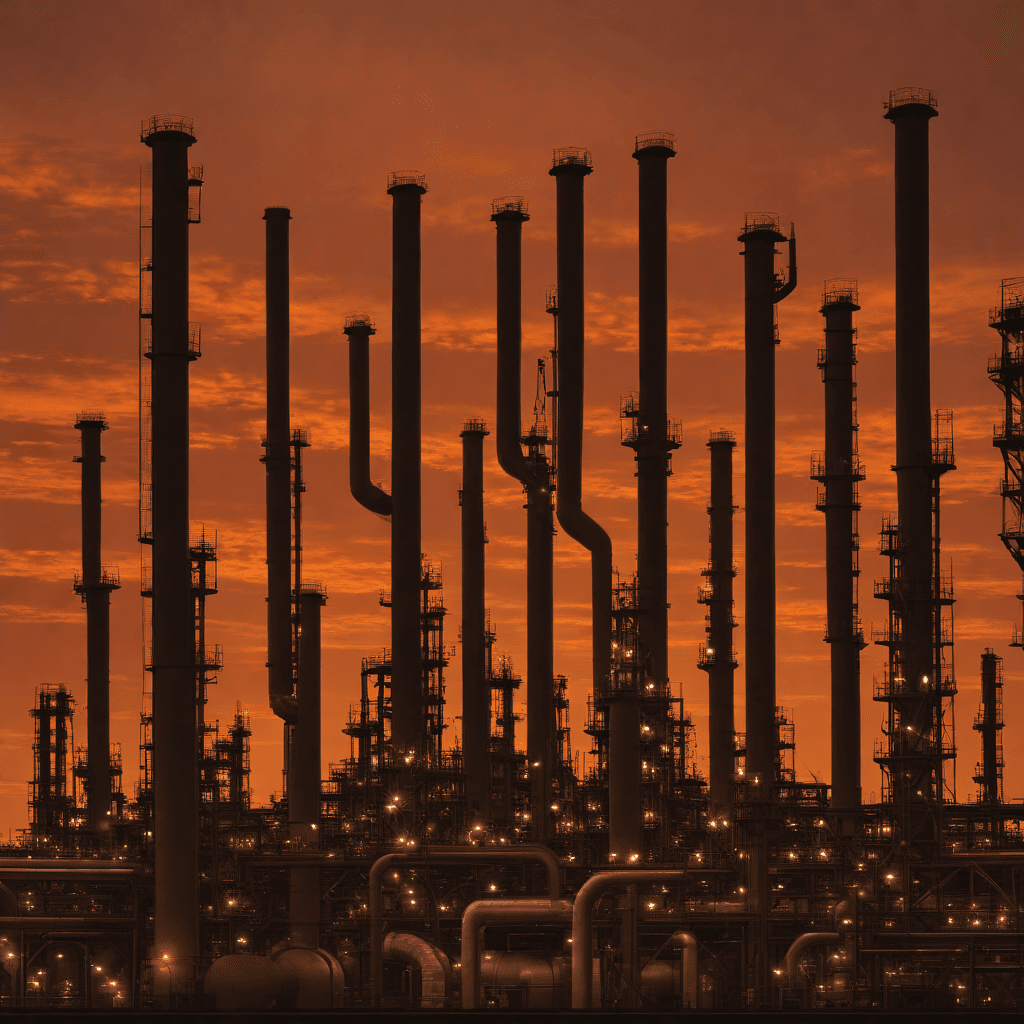
The Invisible Scaffolding of Global Industry
Ethylene serves as the primary chemical building block for modern industry, essential for products ranging from medical tubing to automotive components. However, this global value chain is currently experiencing tremors from Middle Eastern instability. Reports from NHK indicate that Japanese ethylene production faces significant pressure as geopolitical tensions involving Iran spark concerns over stable crude oil supplies.
While the United States has positioned itself as an energy titan under the 2026 "America First" policies, the structural interdependence of the petrochemical sector remains an inescapable reality. A production bottleneck in East Asia is no longer a localized event; it acts as the first domino in a sequence that raises input costs for American manufacturers. Domestic firms rely on a steady flow of specialized resins and chemical intermediates derived from global naphtha cracking operations that are increasingly under duress.
Geopolitical Chokepoints and Chemical Friction
The friction within the petrochemical market is concentrated at the intersection of energy transit and refined output. According to NHK, the International Energy Agency (IEA) recently called on member nations for a coordinated release of petroleum reserves, signaling the severity of the supply anxiety gripping the market. Systemic stress is felt most acutely in Japan, where naphtha crackers—facilities that break down petroleum into ethylene—are hyper-sensitive to volatility surrounding Iranian trade routes.
For American supply chain strategists, instability in the Strait of Hormuz is a direct threat to the availability of downstream chemical precursors required for high-tech manufacturing. Disruption in Japanese output creates a vacuum in the global supply of ethylene derivatives, forcing domestic buyers to compete in a tightening market where physical availability is as critical as price.
The Trans-Pacific Measurement Frame
This chemical supply contraction is already manifesting in financial markets. NHK reports that the Dow Jones Industrial Average fell by more than 700 points in a single session, driven by fears that surging crude prices and supply chain disruptions will stifle global economic growth. This volatility impacts the bottom line of domestic producers directly on the factory floor.
For procurement executives like Sarah Miller at a Midwestern medical device company, the "Petrochemical Paradox" represents a daily operational crisis. Despite record U.S. natural gas production under current deregulation efforts, specific required resins are becoming more expensive and harder to source. When Japanese production fluctuates due to Middle Eastern risk, cost-push inflationary pressure ripples across the Pacific, forcing manufacturers to choose between absorbing higher material costs or passing them on to healthcare providers.
The Illusion of Domestic Energy Insulation
A prevailing narrative in the 2026 political landscape suggests that U.S. shale gas dominance and energy sector deregulation provide a complete shield against international shocks. However, this insulation is largely an illusion. While the United States has achieved high energy independence, the global petrochemical market remains a unified vessel; when one side takes on water, the entire vessel tilts.
The "America First" pivot toward deregulation has accelerated domestic extraction but cannot decouple the domestic price of ethylene from global benchmarks. Mainichi Shimbun notes that the situation in Iran is testing central banks; the Bank of Japan's "emergency dollar buying" reflects a flight to safety that complicates international trade finance. This global financial friction ensures that even a well-supplied domestic market must contend with the volatility of a world where chemical sovereignty is perpetually contested.
Regulatory Acceleration and Market Volatility
The 2026 shift toward massive deregulation has prioritized short-term output and reduced administrative hurdles for chemical manufacturing. However, this policy direction faces a new test. By emphasizing immediate capacity over long-term strategic price predictability, the current market environment may be more susceptible to the "bullwhip effect," where small changes in global supply lead to massive fluctuations in inventory and pricing for end-users.
Isolationist trade policies and tariffs further complicate the ability of manufacturers to pivot to alternative suppliers when primary nodes like Japan are compromised. Market observers note that while deregulation lowers entry costs for domestic producers, it does little to mitigate the systemic risk posed by a globalized supply chain vulnerable to Middle Eastern oil transit geography.
Policy Pathways for Strategic Chemical Sovereignty
To address vulnerabilities exposed by the current crisis, the United States must consider a transition toward chemical sovereignty. This involves a two-pronged approach: strategic diversification of supply chains and the mitigation of domestic shortages through stockpiling. Diversifying the supply of ethylene derivatives away from a few geographic nodes is essential for long-term resilience.
Furthermore, the IEA’s call for coordinated reserve releases underscores the necessity of maintaining robust strategic reserves—not just of crude oil, but of refined chemical intermediates that serve as the lifeblood of manufacturing. By incentivizing domestic production of specialized resins and ensuring a regulatory environment that supports long-term price stability, the U.S. can better insulate its manufacturers from global geopolitical noise.
Sources & References
「エチレン」国内生産に影響 イラン情勢 原油の安定供給懸念で
NHKニュース • Accessed 2026-03-09
メニュー 閉じる トップニュース 国内外の取材網を生かし、さまざまな分野のニュースをいち早く、正確にお伝えします 天気予報・防災情報 天気予報・防災情報を確認する 新着ニュース G7 財務相会合 IEAが加盟国に石油備蓄の協調放出を呼びかけ 午後11:14 NYダウ 一時700ドル超下落 原油急騰で世界経済への影響懸念 午後11:08 原発事故15年 “作業完了2051年を目標” 廃炉作業の現在地は 午後10:22 パラアルペンスキー 男子スーパー大回転立位 小池岳太は16位 午後10:13 新着ニュース一覧を見る 各地のニュース 地図から選ぶ の最新ニュース 表示するエリア 北海道 青森県 岩手県 宮城県 秋田県 山形県 福島県 首都圏 茨城県 栃木県 群馬県 埼玉県 千葉県 神奈川県 新潟県 山梨県 長野県 東海 富山県 石川県 福井県 岐阜県 静岡県 三重県 関西 滋賀県 京都府 兵庫県 奈良県 和歌山県 鳥取県 島根県 岡山県 広島県 山口県 徳島県 香川県 愛媛県 高知県 福岡県 福岡県(北九州) 佐賀県 長崎県 熊本県 大分県 宮崎県 鹿児島県 沖縄県 深掘りコンテンツ 注
View Original「エチレン」国内生産に影響 イラン情勢 原油の安定供給懸念で
NHK • Accessed Mon, 09 Mar 2026 18:21:04 +0900
「エチレン」国内生産に影響 イラン情勢 原油の安定供給懸念で
View OriginalNYダウ 一時700ドル超下落 原油急騰で世界経済への影響懸念
NHK • Accessed Mon, 09 Mar 2026 23:08:19 +0900
NYダウ 一時700ドル超下落 原油急騰で世界経済への影響懸念
View Originalイラン情勢で利上げどうなる? 「有事のドル買い」で試される日銀
Mainichi • Accessed 2026-03-09
イラン情勢で利上げどうなる? 「有事のドル買い」で試される日銀
View OriginalWhat do you think of this article?