The 2051 Mirage: Why Fukushima’s Decommissioning Timeline Defies Technical Reality
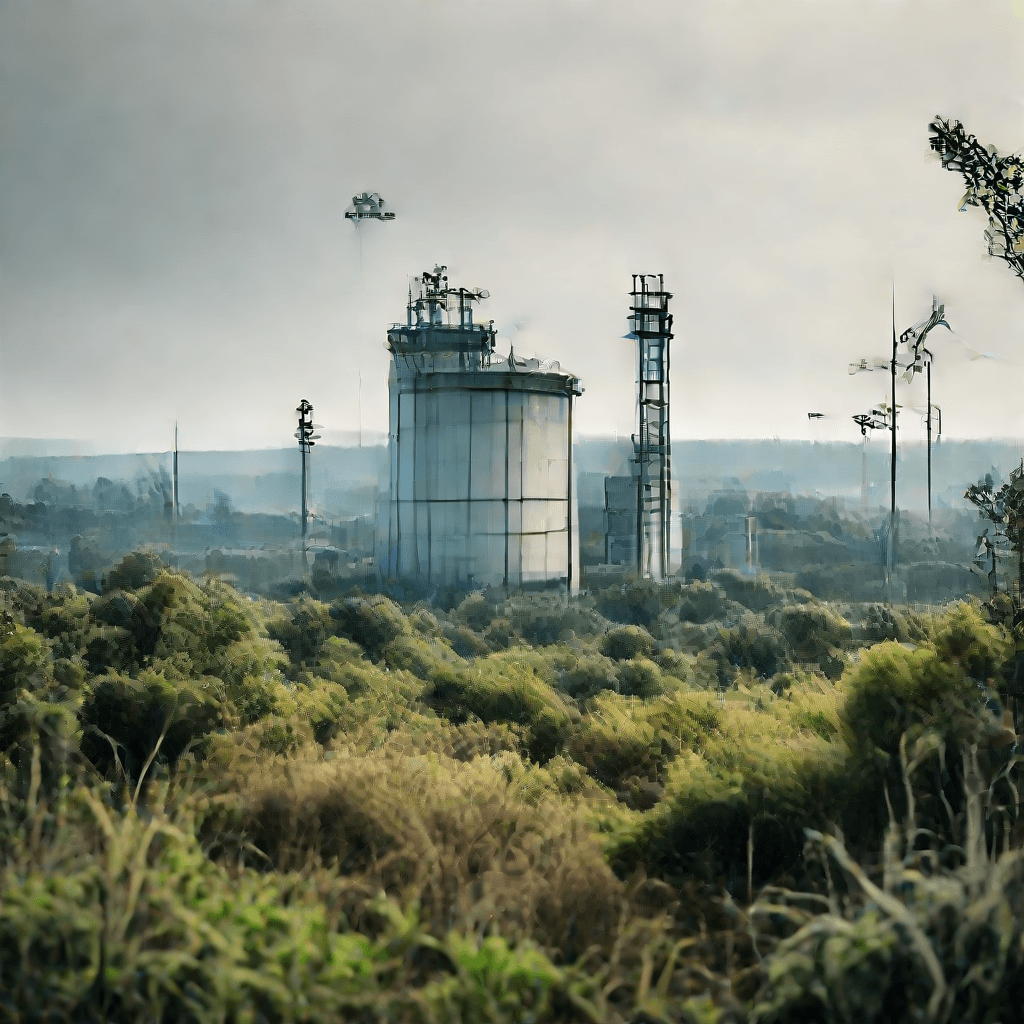
The Perpetual Horizon of 2051
Fifteen years after the triple meltdown at the Fukushima Daiichi Nuclear Power Plant, the official decommissioning roadmap remains anchored to 2051—a date many experts now characterize as a political mirage rather than an engineering certainty. Reports marking the March 11, 2026 anniversary highlight a lack of clear prospects for achieving a total cleanup by the government-mandated deadline. This timeline appears to function as a political stabilizer rather than a technical schedule, even as the Trump administration pushes for a global nuclear resurgence through aggressive deregulation. This shift creates strategic tension between Japan’s stagnant recovery and the narrative of seamless nuclear safety promoted by its allies. Analysis by the Asahi Shimbun underscores that the gap between official promises and ground reality has reached a critical juncture, prompting specialists to advocate for a comprehensive revision of the three-decade target.
The Technical Standoff with Fuel Debris
The primary bottleneck remains the unprecedented challenge of retrieving melted fuel debris from the highly radioactive cores of the damaged reactors. Visual evidence from reactor buildings, including recent TBS News Dig broadcasts, reveals a localized stalemate at Reactor 1. The landscape of solidified fuel and structural metal remains inaccessible to both human workers and current robotic prototypes. While the volume of debris is vast, lethal radiation levels continue to disable the electronics of remote-controlled units, stalling retrieval efforts. Industry observers note that without a breakthrough in radiation-hardened autonomous systems, the "retrieval-first" strategy remains at a technical standstill. The difficulty lies in navigating an environment where standard robotics fail, transforming the 2051 deadline into a theoretical exercise rather than a logistical plan.
The Financial Gravity of a Multi-Decadal Project
The economic strain of the Fukushima cleanup is impacting Japan’s broader fiscal strategy under Prime Minister Takaichi. Aggressive measures to stabilize energy costs, including the planned release of oil reserves on March 16 to suppress gasoline prices near 170 yen, highlight the volatile climate in which Tokyo Electric Power Company (TEPCO) operates. For global infrastructure investors, the lack of a definitive end-date creates a permanent financial liability for the national treasury. Sarah Miller, a senior energy policy analyst, observes that persistent failures to meet interim milestones suggest the ultimate cost of the 2051 roadmap will far exceed initial projections. This escalation potentially forces a shift toward more isolationist energy policies as Japan balances disaster recovery with the infrastructure demands of the 6G technological transition.
The Limitations of Global Nuclear Precedents
Managing the Fukushima crisis by referencing historical cleanups like Three Mile Island has proven flawed, as the 2011 disaster defies existing precedents. Described by the Asahi Shimbun as a "man-made" disaster, the accident involved multiple meltdowns and groundwater contamination that created a dynamic subterranean crisis. Unlike the Chernobyl sarcophagus, Japan’s policy mandate of "total removal" forbids long-term entombment. This insistence on total restoration, despite the absence of successful robotic intervention, renders the 2051 timeline a narrative fiction. The failure to implement investigative recommendations from over a decade ago has left TEPCO operating in uncharted territory without a valid external model for success.
The Social Fragility of Shifting Timelines
For communities surrounding the exclusion zone, the 2051 deadline is a measure of their ability to reclaim lost lives. However, eroding public trust has turned the timeline into a social crisis as the date feels increasingly untethered from reality. Residents in temporary housing, such as Sato Hiroshi, express exhaustion with shifting government promises, noting that an immutable deadline without visible progress feels like an empty wager on a technological miracle. This fragility is compounded by the "Adjustment Crisis" of 2026, where automation and economic shifts pressure regional populations. As long as 2051 is treated as an objective truth despite lack of evidence, the nuclear stalemate remains a permanent burden on the local psyche.
Transitioning from Cleanup to Long-Term Stewardship
A growing consensus suggests Japan must eventually abandon the "total removal" ideology in favor of a long-term stewardship model. Specialists have begun proposing a formal revision of the strategy, acknowledging that the 2051 target is fundamentally unachievable under current constraints. Transitioning to a sustainable containment strategy, similar to practices at legacy nuclear sites in the West, would provide a more realistic roadmap for local recovery and fiscal planning. While this would be a difficult admission of failure for TEPCO and the administration, it may be the only way to reconcile physical reality with regional needs. The debate now centers on whether Japan has the political courage to acknowledge that parts of Fukushima may never be truly restored.
Sources & References
福島第一原発事故15年 2051年までの廃炉 実現の見通し立たず
NHKニュース • Accessed 2026-03-11
メニュー 閉じる トップニュース 国内外の取材網を生かし、さまざまな分野のニュースをいち早く、正確にお伝えします 【配信中】ニュースウオッチ9 番組ページへ 天気予報・防災情報 天気予報・防災情報を確認する 新着ニュース 米報道“イラン ホルムズ海峡で機雷敷設開始” 事態悪化の懸念 午後9:19 ペルシャ湾で商船三井の船舶に損傷 けが人なし 自力航行可能 午後9:18 NBA バム・アデバヨ選手 1試合83得点 歴代2位の記録 午後9:08 【3月11日の動き】東日本大震災15年 追悼の一日 今後の復興は 午後9:04 新着ニュース一覧を見る 各地のニュース 地図から選ぶ の最新ニュース 表示するエリア 北海道 青森県 岩手県 宮城県 秋田県 山形県 福島県 首都圏 茨城県 栃木県 群馬県 埼玉県 千葉県 神奈川県 新潟県 山梨県 長野県 東海 富山県 石川県 福井県 岐阜県 静岡県 三重県 関西 滋賀県 京都府 兵庫県 奈良県 和歌山県 鳥取県 島根県 岡山県 広島県 山口県 徳島県 香川県 愛媛県 高知県 福岡県 福岡県(北九州) 佐賀県 長崎県 熊本県 大分県 宮崎県 鹿児島県
View Original福島第一原発事故15年 2051年までの廃炉 実現の見通し立たず
NHK • Accessed Wed, 11 Mar 2026 20:03:33 +0900
福島第一原発事故15年 2051年までの廃炉 実現の見通し立たず
View Original福島第一原発事故は「人災」 調査委の提言は実現せず、問われる責任
Asahi • Accessed 2026-03-11
福島第一原発事故は「人災」 調査委の提言は実現せず、問われる責任
View Original【中継】原発事故後初、建屋前から中継 メルトダウン起こした1号機はいま 東京電力福島第一原発
TBS NEWS DIG • Accessed Wed, 11 Mar 2026 07:25:00 GMT
【速報】今月16日にも備蓄石油放出へ 高市総理が表明 ガソリン価格も170円程度に抑制 中東情勢悪化で原油価格が高騰 中東情勢の悪化で原油価格が高騰するなか、高市総理は先ほど、「今月16日にも石油備蓄を放出する」と明ら… 1時間前
View Original福島原発事故の教訓、生かさぬ国会と私たち 浜岡審査不正との共通点
Asahi • Accessed 2026-03-11
福島原発事故の教訓、生かさぬ国会と私たち 浜岡審査不正との共通点
View Original福島第一原発の廃炉「2051年完了」は無理 専門家ら見直し提言
Asahi • Accessed 2026-03-11
福島第一原発の廃炉「2051年完了」は無理 専門家ら見直し提言
View OriginalWhat do you think of this article?