The Silent Workspace: Why ‘Low-Interaction’ Socializing Is Redefining the 2026 Labor Market
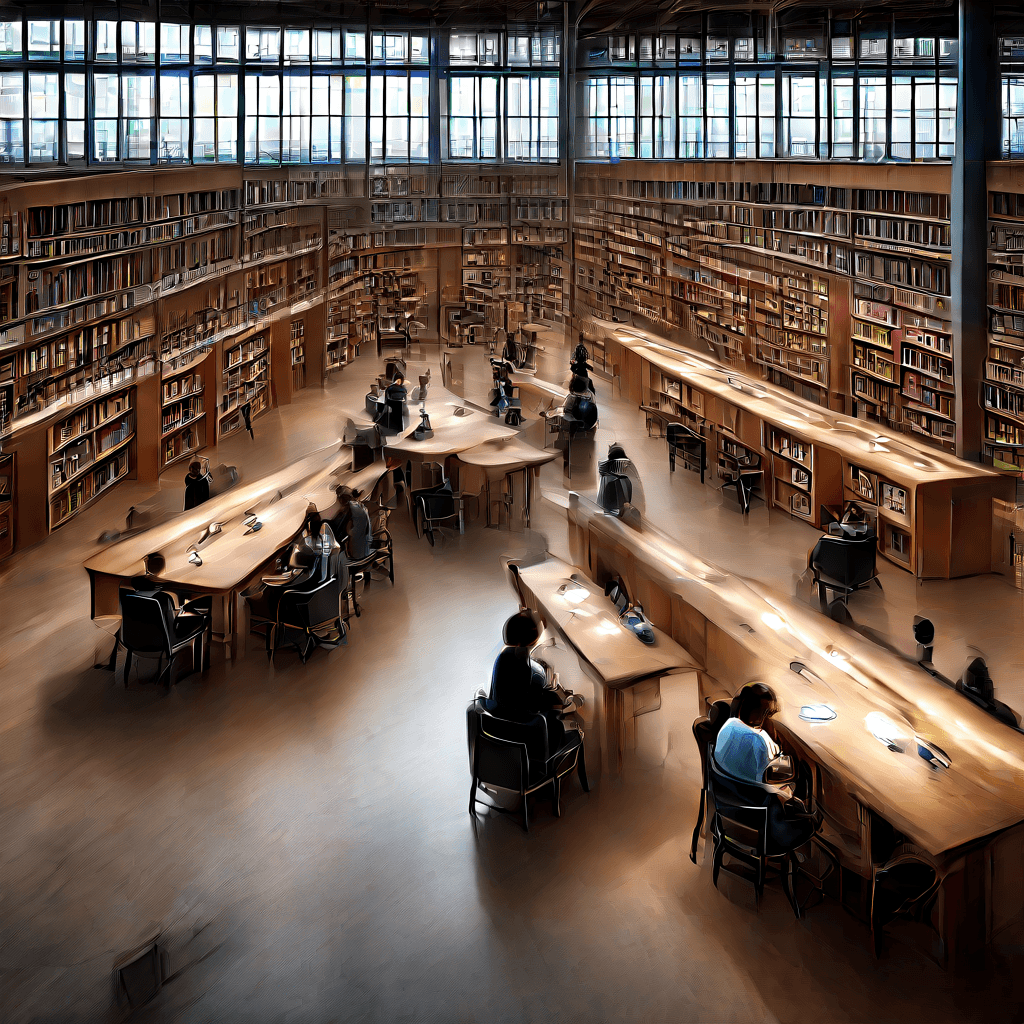
The Rise of the Muted Third Space
A structural shift is redefining the American "Third Space" in 2026, moving from the boisterous chatter of diners and pubs toward a contemplative, silent utility. As economic deregulation under the Trump administration accelerates demands for individual output, the "separately but together" phenomenon is reshaping urban proximity. This movement, where individuals gather in physical locations to work on independent tasks in complete silence, reflects a growing rejection of forced social interaction. The shift is driven by a desire for environments that prioritize concentration and minimize the fatigue of traditional socializing, according to reports from Hankyoreh.
For James Carter, a freelance software architect in Washington D.C., the allure of these silent gatherings lies in the absence of social obligation. He regularly joins sessions inspired by the "Mogakko" trend—a term for gathering specifically for individual coding or work. The transition from "glasses to laptops" signals a generational pivot toward low-interaction environments, as noted in a trend report by JoongAng Ilbo. In these spaces, the social contract is simple: presence is mandatory, but interaction is optional. This allows professionals to occupy the same physical sphere without the transactional pressure of networking, effectively turning the cafe or library into a muted sanctuary for the modern labor force.
The Cognitive Science of Body Doubling
The effectiveness of these silent workspaces is rooted in "body doubling," a psychological mechanism where the physical presence of others engaged in similar tasks enhances focus. In the 2026 labor market, where remote work is deeply entrenched following years of technological acceleration, body doubling serves as a non-intrusive anchor for productivity. Participants find it easier to maintain deep work states when surrounded by others committed to independent goals.
The "separately but together" model functions as social accountability without verbal reinforcement. The quiet atmosphere allows for higher concentration than traditional open-office plans or home environments, as highlighted by observations in Hankyoreh. Maria Rodriguez, a data analyst who utilizes silent co-working spaces, explains that the visual cue of others working serves as a silent motivator. The lack of interaction ensures cognitive flow is not broken by the "watercooler" interruptions of previous eras. By removing the performative aspects of professional presence, these spaces optimize the brain's ability to focus on complex, high-bandwidth tasks.
The Hidden Cost of Performative Networking
Social fatigue is driving a reaction against the constant demand for performative interaction in professional circles. In a market environment that prizes efficiency, traditional social gatherings are increasingly viewed as a drain on cognitive resources. Many young professionals now prefer to "do their own thing and leave," seeking environments where they can be productive without the mental tax of social maintenance, according to Hankyoreh. This trend indicates a shift in how value is derived from physical gatherings: the benefit is no longer in the conversation, but in the shared quiet.
This fatigue is acute among the "Adjustment Crisis" generation, who face intense competition and automation-driven displacement. For David Chen, a junior consultant, performative networking at traditional mixers felt like a second shift of unpaid labor. He notes that "Mogakko" style interaction provides human company without the requirement to "be on." This pivot suggests that the American ideal of the "extroverted leader" is being challenged by a transactional reality where social energy is a finite currency spent with extreme caution.
Designing for Proximity Without Pressure
The architectural landscape of 2026 is adapting to the demand for silence. Commercial developers and cafe owners are redesigning spaces for workers who want to be seen but not heard. Open floor plans are being augmented by "zones of silence," where furniture facilitates individual focus while maintaining a collective presence. This evolution reflects the broader push for private-sector innovation, as businesses capture the "silent worker" market by strictly discouraging verbal communication.
Interior designers are shifting from "interaction hubs" toward "focus pods," notes specialist Sarah Miller. These designs feature shared tables that position workers side-by-side or facing outward, rather than face-to-face. This layout reinforces the "separately but together" philosophy by providing a visual connection to the community while creating a barrier to interaction. This transition is becoming the new standard for urban infrastructure, serving a population that views silence as a community's most valuable feature, as reported by JoongAng Ilbo.
The Fragility of the Silent Community
Questions remain regarding the long-term health of "weak ties"—the casual acquaintanceships that often drive innovation—as society minimizes interaction. By prioritizing silent utility, the social capital built through spontaneous conversation may erode. The danger is that the "silent community" becomes purely transactional, where individuals use each other as productivity tools rather than fellow citizens. This fragility is a point of debate among sociologists who worry that a culture of silence could lead to social isolation despite physical proximity.
This tension represents a conflict in 2026 between individual efficiency and collective cohesion. If every social space is optimized for silence, the unpredictable interactions that spark new ideas may lose their home. Critics argue that by avoiding "social fatigue," professionals may also be avoiding the friction necessary for personal and societal growth. While the model solves the immediate problem of distraction, it may create a future where humans are physically closer than ever yet more socially distant.
Reimagining Belonging in a Transactional Era
The 2026 definition of "belonging" is being reimagined for an automated era. In a world where 6G networks and AI agents handle an increasing share of communication, sitting in a room with others is a deliberate choice. The "muted third space" offers human connection without the risks of exhaustion or the unpredictability of traditional interaction. This model respects autonomy and productivity while acknowledging the inherent desire for company.
As the Trump 2.0 era continues, this trend toward low-stakes presence may become the dominant mode of public life. By allowing people to be "separately but together," society is finding a middle ground between the isolation of remote work and the overstimulation of the office. This model reflects a cultural pivot toward protecting mental space while securing a spot in the collective. The future of the American community may not be a conversation, but a shared, productive silence.
Sources & References
전체 제목: "[트렌드 리포트] 술잔 대신 노트북... '따로 또 같이' 일하는 청년들"
중앙일보 • Accessed 2026-03-11
중앙일보 지면보기 서비스는 로그인 후 이용 가능합니다. 로그인 하러 가기 Close 최근 1개월 내 지면만 열람하실 수 있습니다. Close 중앙일보 지면보기 서비스는 로그인 후 이용 가능합니다. 로그인 하러 가기 Close 로그인 하시면 최신호의 전체 내용을 보실 수 있습니다. 로그인 하시겠습니까? 로그인 Close 더중앙플러스 회원이 되시면 창간호부터 전체 지면보기와 지면 다운로드가 가능합니다. 더중앙플러스 회원이 되시겠습니까? 더중앙플러스 시작하기 Close 경영권 법률실무 법무법인(유) 지평 경영권 분쟁 대응센터는 1월 5일 경영권분쟁의 현장에서 발생하는 다양한 법적 문제를 실무적인 관점에서 설명한 「경영권 법률실무」를 발간하였다. 전통적으로 대주주 사이에서 또는 대주주와 경영진 사이에서 발생하였던 경영권분쟁은 최근 행동주의 펀드를 포함한 조직화된 소수주주의 등장으로 또다른 국면을 맞이하고 있다.
View Original각자 할 일 하고 헤어집시다…“집중 잘 되고, 친목 피로감 덜해요”
한겨레 • Accessed Wed, 11 Mar 2026 07:17:00 GMT
이란 초등생 폭격 미사일에 ‘Made in USA’…미 책임론 커진다 170여명이 희생된 이란 남부 초등학교 공습에 사용된 것으로 보이는 미사일의 잔해에서 ‘메이드 인 유에스에이(USA)’ 표기와 미국 방산업체 이름이 확인됐다. 미국 책임론에 점점 더 무게가 실린다. 10일(현지시각) 이란 국영방송(IRIB)은 미나브의 초등학교에 떨어진 미사일 잔해 사진을 공개했다. 사진을 보면 구동기(액추에이터)로 추정되는 파편에 ‘ ‘초등학교 폭격’ 난타 당한 트럼프…“이란에 토마호크 판 적 없는데 무슨 소리” “트럼프, 그들의 눈을 보라”…이란 신문 1면에 미나브 공습 희생 어린이들
View OriginalWhat do you think of this article?