The Hormuz Blockade: Testing the Limits of Global Energy Independence
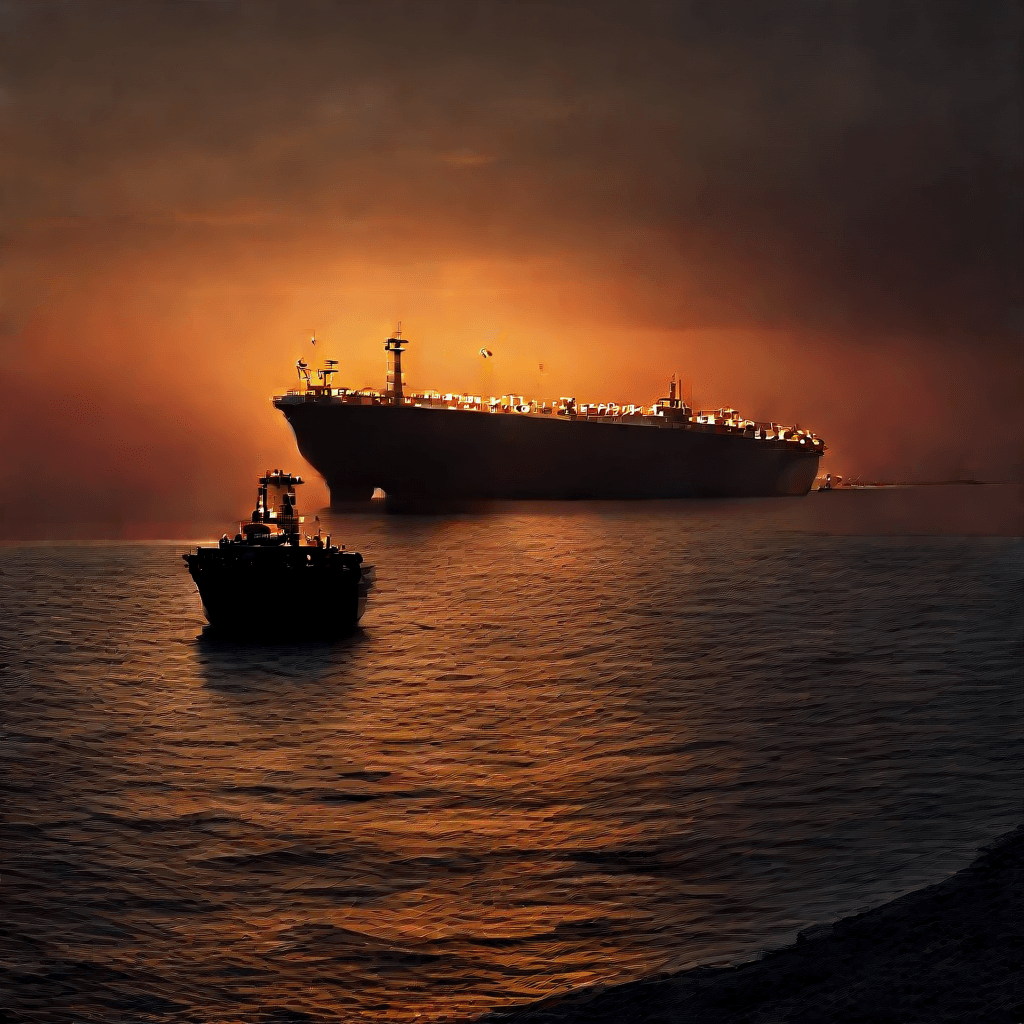
The Fragility of the Hormuz Chokepoint
Asymmetric maritime threats have reached a flashpoint as the 2026 Iran conflict disrupts the world’s most vital energy artery. Islamic Revolutionary Guard Corps (IRGC) reports, cited by Geo News and Yahoo Finance UK, indicate Tehran’s intent to maintain the closure of the Strait of Hormuz, challenging the premise of insulated energy security.
Reports of explosive mines placed along key shipping lanes, as described by RNZ, have reinforced the physical blockade and triggered immediate market volatility. This disruption represents a shift in the 'Price-Contract-Settlement' cycle for transatlantic logistics professionals, signaling a move beyond regional skirmishes into a systemic breakdown of maritime commerce.
Physical scarcity in the Gulf triggers instantaneous sell-offs in New York and London, according to Intellectia AI. This market behavior suggests that domestic crude surpluses cannot bypass the reality of globalized pricing mechanisms. The volatility is sustained as the conflict enters its second week, with drone and missile barrages forcing Gulf states to brace for impact, Euronews reports.
The Limits of Isolationist Deregulation
The escalating oil shock highlights the complex relationship between domestic deregulation and global market dynamics. While the current U.S. framework prioritizes domestic drilling to achieve energy self-sufficiency, strategic petroleum reserves have reached their lowest levels since the 1980s, Yahoo Finance reports.
Depleted emergency buffers coincide with broader economic pressures stemming from the Iran conflict, the New York Times observes. Despite high production levels, the domestic economy remains exposed to the 'Adjustment Crisis,' with Bank of England observers signaling interest rate hikes to combat surging inflation driven by energy supply chain disruptions.
Reliance on Gulf oil and gas continues to shape the narrative of energy independence, the BBC reports. Without global coordination, supply chain disruptions ensure that localized conflicts dictate the cost of living across diverse economic regions, including the American heartland.
Automated Warfare and Infrastructure Resilience
Industrial automation and autonomous systems define the 2026 conflict, creating a landscape characterized by complex legal responsibility. UAE and Saudi Arabian defenses are intercepting an increasing volume of Iranian missiles and drones, according to Geo News, reflecting a shift toward high-frequency, automated exchanges targeting critical energy infrastructure.
Deployment of fresh drone barrages utilizes autonomous technology to bypass traditional defenses, Euronews highlights. Such evolution poses a unique threat to infrastructure; when autonomous systems target oil port operations—as seen in recent Iraqi facility shutdowns reported by Geo News—the path to de-escalation is complicated by the lack of human-mediated accountability.
Regional blackout risks and infrastructure decay persist as traditional military doctrines struggle to contain these shifts. The transition from physical maritime blockades to digital governance responses clarifies the link between logistical disruptions and the rise of algorithmic trust systems. This energy security infrastructure increasingly serves as the technical foundation for the 6G monitoring networks required to manage such volatile zones.
Japan’s Course: Strategic Autonomy in a Volatile Market
Japan navigates a narrow path between its primary security alliances and the need for Middle Eastern stability as a primary energy importer. While energy exporters may benefit from price shocks, importing nations like Japan face significant economic pressure, Yahoo Finance UK notes.
Gas supply disruptions have impacted firms across Asia, according to the BBC, prompting a reassessment of Tokyo’s strategic stockpiles. Japanese diplomatic efforts, including international leadership summits reported by Geo News, suggest a pivot toward regional partnerships to mitigate the risks of a US-Israel-Iran escalation.
Mined lanes in the Strait of Hormuz emphasize the necessity of proactive foreign policy. Japan is accelerating its pursuit of strategic autonomy through diversified energy sources and decentralized storage, linking regional security to the overarching 2026 global economic framework of self-reliance.
The Hydrogen Pivot and the Cost of Social Dislocation
Global energy transitions create significant shifts in energy-dependent communities, with the 'Chained to Fossil Fuels' sentiment reported by Euronews reflecting ongoing tensions. In the United States, the development of hydrogen and renewables intersects with the broader 2026 Adjustment Crisis.
The pivot toward automated energy governance represents a period of social transition for workers in the traditional refinery sectors. While the oil shock may accelerate a green transition, as suggested by analysts in Yahoo Finance, the immediate result is an increase in economic division between legacy and emerging energy industries.
Shrinking margins and labor displacement in traditional sectors highlight the volatility of the current energy landscape. These disruptions catalyze sovereign technology decoupling and internal social friction, illustrating how energy shocks serve as a transmission mechanism for broader social instability.
Navigating the 2026 Energy Adjustment Crisis
Trade protectionism and energy shocks have forced a re-evaluation of industrial isolation versus global cooperation. Reports from the BBC indicate that the Trump administration has signaled an isolationist stance regarding the participation of specific regimes in global events, which adds complexity to diplomatic efforts.
The global impact of the oil shock remains a significant challenge that may not be resolved through tariffs or deregulation alone, the New York Times warns. The 'Adjustment Crisis' represents a structural shift toward rival trade blocs or the development of new, automated resource-sharing systems to manage global scarcity.
The closure of the Strait of Hormuz serves as a reminder that national energy security is deeply integrated with global infrastructure. In 2026, energy stability remains a global commodity that requires coordinated management rather than isolated production.
Sources & References
What on earth is going on with the oil price?
BBC • Accessed 2026-03-12
What on earth is going on with the oil price?
View OriginalIndian firms hit by disrupted gas supplies because of US-Israel war on Iran
BBC • Accessed 2026-03-12
LIVE Israel launches Tehran strikes, hours after first statement from new Iran supreme leader released The message attributed to Mojtaba Khamenei was read by a presenter on Iranian state TV. He has not been seen in public since succeeding his father. 'What if we're left with ruins?': Doubts creep in for Iranians who supported war Teachers, engineers and shopkeepers tell the BBC they fear Iran falling into chaos.
View OriginalHow Iran war laid bare the world's reliance on Gulf oil and gas
BBC • Accessed Thu, 12 Mar 2026 13:57:56 GMT
How Iran war laid bare the world's reliance on Gulf oil and gas
View Original'Not appropriate' for Iran to be at World Cup - Trump
BBC • Accessed Thu, 12 Mar 2026 16:37:57 GMT
'Not appropriate' for Iran to be at World Cup - Trump
View OriginalFallout From Iran War and Oil Shock Deliver Another Blow to World Economy
NYT • Accessed Thu, 12 Mar 2026 18:08:03 +0000
Fallout From Iran War and Oil Shock Deliver Another Blow to World Economy
View OriginalIran oil shock splits the world as exporters pocket windfall and importers buckle
Yahoo Finance UK • Accessed Thu, 12 Mar 2026 15:11:30 GMT
We are experiencing some temporary issues. The market data on this page is currently delayed. Bank of England Bets mount on interest rate hike as oil prices surge US stocks sell off as Iran vows to keep Strait of Hormuz closed Message from Mojtaba Khamenei was read out on state television Yahoo Finance UK • 5 hr ago ^FTSE -0.47% ^FCHI -0.71% Trump's oil plan would leave US reserves at lowest levels since 1980s Yahoo Finance • 4 hr ago Trending tickers: Nebius Group, Hims Hers, BMW, Savills, On T
View OriginalIran Conflict Sparks Historic Oil Market Disruption
Intellectia AI • Accessed Thu, 12 Mar 2026 16:06:32 GMT
Most Trusted AI Platform for Winning Trades Copyright © 2026 Intellectia.AI. All Rights Reserved. Most Trusted AI Platform for Winning Trades AI-selected guidance on the top 5 daily stocks to buy pre-market and sell upon market closing. The AI Stock Picker strategy has proven, via backtesting, to achieve an over 200% annualized return. AI-selected guidance on the top 5 daily stocks to buy pre-market and sell upon market closing.
View OriginalHow US-Israeli war on Iran is upending global business
Geo News • Accessed Thu, 12 Mar 2026 16:31:42 GMT
Home latest pakistan world sports showbiz entertainment Royal Hollywood business health Sci-Tech Food Fact Check big picture Videos shows Watch --> Advertisement --> Live IRGC vows to keep Strait of Hormuz closed; Larijani warns of region-wide blackout if Iran's electricity network hit Iraq shuts down oil port operations after attacks on oil tankers; UAE, Saudi Arabia intercept more Iranian missiles and drones Makkah deputy governor, Pakistan diplomatic staff welcome PM Shehbaz at Jeddah airport
View OriginalIran is escalating the war by placing explosive mines along a key oil route. Here are the risks
RNZ • Accessed Wed, 11 Mar 2026 20:39:10 GMT
While the rising number of beneficiaries is plain to see, there is another layer of people struggling. The government should take notice of what other countries are doing to help workers, a union says. Audio Analysis: The US government doesn't simply want Americans to support the war; it wants to pump people up. There are numerous causes of drooling - some benign, others less so.
View Original‘Chained to fossil fuels’: Iran war ignites calls for green transition
Euronews.com • Accessed Tue, 03 Feb 2026 08:00:00 GMT
US-Israel attack on Iran 2026 War in Ukraine Iran war Strait of Hormuz European Union Iran Iran's new ayatollah vows to block Hormuz in regime-released statement Tehran fired fresh barrages of drones and missiles early on Thursday as the Iran war nears the two-week mark. Air raid alerts were sounded in Israel as authorities warned of incoming Iranian fire, as Gulf states brace for more attacks.
View OriginalWhat do you think of this article?