The Hormuz Dilemma: Japan’s Strategic Hesitation Amid $100 Oil and U.S. Unilateralism
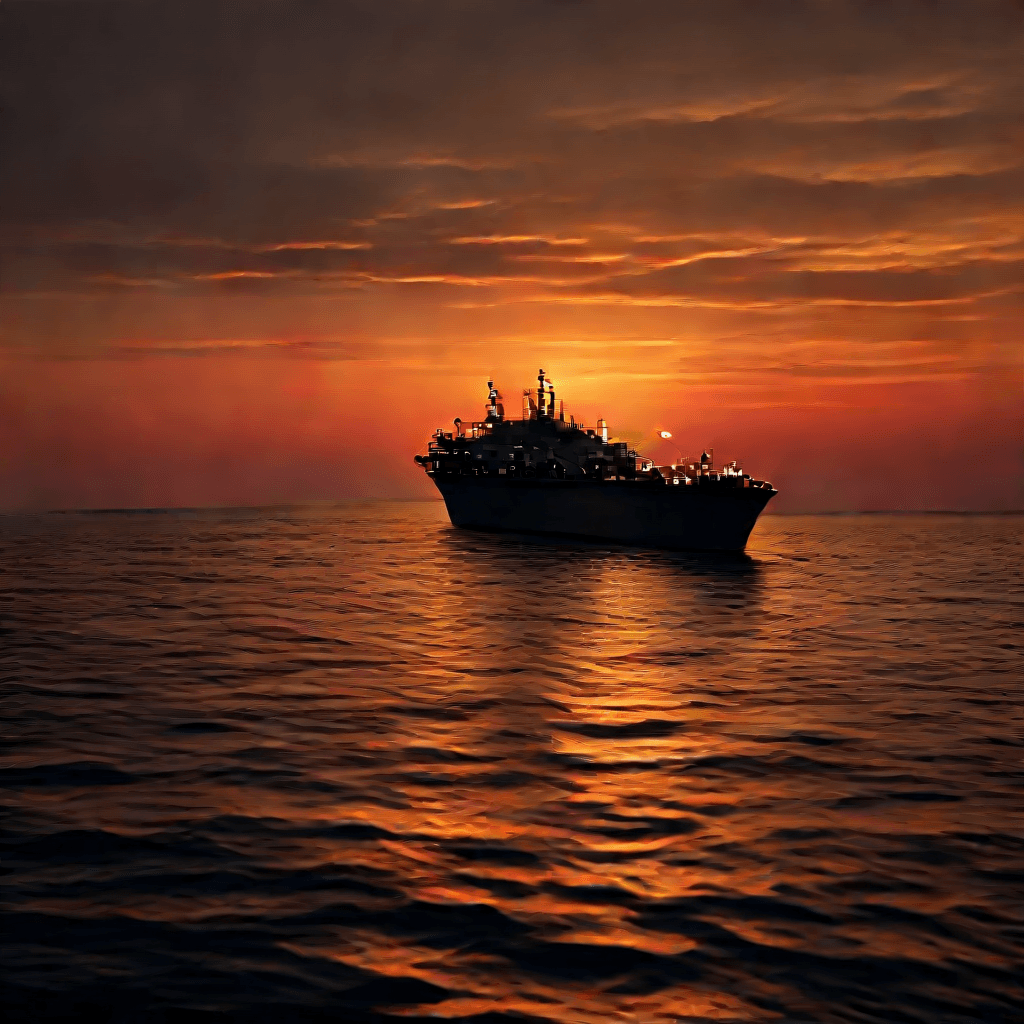
The Kinetic Collapse of Maritime Security
The fragile equilibrium of the global energy market shattered on March 14, 2026, as the Strait of Hormuz transitioned from a strategic artery into a theater of kinetic warfare. Following U.S. precision strikes that decimated Iran’s primary oil export infrastructure on Kharg Island, Brent crude futures surged past the critical $100 threshold, reaching $101.05 per barrel. Asahi Shimbun reports that these strikes, executed under the Trump administration's "maximum pressure" doctrine, have triggered a "worst-case scenario" for maritime security. This escalation has effectively neutralized the "security of the commons" in the Persian Gulf, leaving the world’s most vital energy corridor vulnerable to immediate retaliation.
For the global freight industry, the spike to $101.05 represents a direct threat to already thin margins. The sudden fuel surcharge volatility operates as a "crisis tax" on the free market, compounded by threats of regional destabilization. Reports indicate the Iranian government has pivoted toward asymmetric responses, issuing specific warnings against three major port facilities in the United Arab Emirates. This shift from state-on-state confrontation to targeting the logistical hubs of U.S. allies suggests the $100 price floor may become a permanent fixture of the 2026 economic landscape.
The Constitutional Wall in Tokyo
The deteriorating security environment has forced Japan, America’s primary Pacific ally, into a position where constitutional restraint meets the reality of energy dependency. While Washington pressures partners to secure tanker transit, influential voices within Japan’s Liberal Democratic Party (LDP) signal significant hesitation. According to the Nikkei, Takayuki Kobayashi, chairman of the LDP’s Policy Research Council, characterized the prospect of dispatching Maritime Self-Defense Force (MSDF) vessels for ship escorts as facing "very high hurdles" during an NHK broadcast on March 15. Kobayashi’s assessment—that such a mission is "difficult under conflict"—reflects a deepening rift in the U.S.-Japan alliance regarding the limits of collective security.
This strategic paralysis in Tokyo highlights a fundamental friction within the 2026 global order: the collision of "America First" unilateralism with traditional expectations of shared security umbrellas. Mainichi and Sankei report that both ruling and opposition parties are urging "cautious judgment" regarding military involvement in the Hormuz crisis. For a nation relying on the Middle East for the vast majority of its crude oil, the refusal to commit to an escort mission signals that the political cost of military escalation now outweighs the economic cost of $100 oil. As the Strait remains a critical chokepoint, the shattered calm is exposing the fragility of a world where security is no longer guaranteed.
Energy Costs and the Adjustment Crisis
The breach of the triple-digit oil threshold marks a volatile intersection between the 2026 Adjustment Crisis and a fracturing global security order. The surge to $101.05 per barrel has sent shockwaves through energy-dependent economies as industries simultaneously grapple with labor displacement by Artificial General Intelligence (AGI). This creates a compounding economic strain: the cost of powering new digital infrastructure now rivals the cost of social safety nets demanded by a displaced workforce. In this environment, energy supply chain reliability is a prerequisite for industrial survival.
Within Tokyo’s halls of power, the economic imperative of securing energy routes clashes with the rigid legalities of a pacifist constitution and a domestic shortage of defense hardware. The Nikkei reports that Japan faces a depletion of air defense missile production capacity, leaving little room for deploying systems to protect commercial shipping in high-threat environments. This material constraint validates the caution urged by both ruling and opposition parties, as noted by Miyazaki Nichinichi. While the record-breaking 59-hour passage of the FY2026 budget underscores government efforts to shore up domestic stability, that stability remains contingent on volatile Middle Eastern geopolitics.
Algorithmic Realignment of Global Supply
As physical blockades and political paralysis intersect, the maritime order is shifting toward a state of persistent entropy where algorithmic risk models replace traditional military guarantees. Predictive algorithms managing modern fleets are already de-prioritizing the Hormuz route in favor of longer, more predictable alternatives. High-frequency trading algorithms are reacting to the lack of "boots on the water" by integrating permanent risk premiums into insurance and logistics contracts. When a strategic partner like Japan signals that constitutional constraints outweigh the urgency of $100 oil, markets interpret this as a structural vulnerability rather than a temporary delay.
The collision between Japan’s pacifist framework and the Trump administration’s "isolationist-interventionism" is creating a security vacuum that AI-driven supply chains are beginning to bypass. Analysis suggests the emergence of a multi-tiered global economy where logistics networks prioritize routes independent of 20th-century treaties. If the U.S. provides the kinetic force to disrupt threats but allies cannot provide the secondary stabilization required for trade, the system enters a loop of unmanaged volatility. In this post-global reality, traditional military alliances are becoming legacy protocols that the international community is failing to patch.
Sources & References
自民・小林氏、自衛隊による船舶護衛「慎重に対応」 イラン攻撃巡り
毎日新聞 • Accessed Sun, 15 Mar 2026 02:45:05 GMT
⚾WBCベネズエラ戦を速報⚾ 日本逆転負けで準々決勝敗退 試合を振り返る WSJ日・英・中にフルアクセス。ビジネスの今を読む。月額550円、初月無料 トップニュース 速報 --> ランキング 緊迫する中東情勢 高市政権の行方 トランプ政権 トップニュース 「警察ちゃうね?」案内された扉の先に 大阪「偽ブランド街」の裏側 3/15 12:00 大阪・JR鶴橋駅周辺(大阪市生野区など)は飲食店や衣料品店など多様な店が建ち並び、国際色豊かな街として知られる。 一方、インターネット上ではこんな俗称も飛び交う。 「鶴橋パチモン(偽物)通り」 一部の店で偽ブランド品が秘密裏に販売されているというのだ。 実態を確かめようと複数の店舗を訪ねた。
View Originalイランの「禁断の島」攻撃したトランプ氏 動き始めた最悪のシナリオ
Asahi • Accessed 2026-03-15
イランの「禁断の島」攻撃したトランプ氏 動き始めた最悪のシナリオ
View Originalホルムズ海峡への艦船派遣「非常にハードル高い」自民・小林政調会長
朝日新聞 • Accessed Sun, 15 Mar 2026 04:00:00 GMT
ホルムズ海峡への艦船派遣「非常にハードル高い」自民・小林政調会長
View Original自民・小林鷹之氏、中東への自衛隊派遣「船舶護衛は慎重に判断」 NHK番組で
産経ニュース • Accessed Sun, 15 Mar 2026 02:04:24 GMT
奮起した阪神コンビ 佐藤輝明「いい経験で終わらせちゃダメ」森下翔太「次につながる」 2026/3/15 17:50 New 野球のワールド・ベースボール・クラシック(WBC)日本代表は14日、米マイアミでの準々決勝でベネズエラ代表に5-8で敗れ、大会2連覇の夢はついえた。虎戦士の奮起もあと一歩及ばなかった。佐藤輝明と森下翔太(ともに阪神)は三回に値千金の同点打と勝ち越し弾を放ったが、その後は…
View Original自民・小林鷹之氏、ホルムズ海峡へ艦船派遣「紛争下でハードル高い」 - 日本経済新聞
日本経済新聞 • Accessed Sun, 15 Mar 2026 02:00:02 GMT
中東でアメリカ製防空ミサイル不足 日本、生産逼迫で輸出の余地乏しく イラン軍事衝突 中東でアメリカ製防空ミサイル不足 日本、生産逼迫で輸出の余地乏しく あわせて読む トランプ氏を悩ます米軍の武器不足 自衛隊はホルムズ海峡に出動可能か
View Original中東の船舶護衛、慎重判断を 与野党、イラン情勢巡り
宮崎日日新聞 • Accessed Sun, 15 Mar 2026 02:08:00 GMT
夕刊today 一般ニュース 地域の話題 みやスポ みやビズ 菅楓華(日章学園高出)がツアー2勝目 台湾ホンハイ・レディース 夕刊today_スポーツnow 2026.03.15 青島青少年自然の家で「わくわく自然の家まつり」 50周年記念イベント 2026.03.15|夕刊today_地域の話題 郷土の歌人・牧水しのぶ 延岡・城山公園で歌碑祭 2026.03.15|夕刊today_地域の話題 テゲバ、J参入後初の6連勝 1点死守し大分撃破 2026.03.15|一般スポーツ 女子1000TT 田中(宮農)3位 全国高校選抜自転車 2026.03.15|学生スポーツ 鵬翔決勝Tへ 全国高校選抜相撲 2026.03.15|学生スポーツ 菅楓華(日章学園高出)がツアー2勝目 台湾ホンハイ・レディース 夕刊today_スポーツnow 2026.03.15 青島青少年自然の家で「わくわく自然の家まつり」 50周年記念イベント 2026.03.15|夕刊today_地域の話題 郷土の歌人・牧水しのぶ 延岡・城山公園で歌碑祭 2026.03.15|夕刊today_地域の話題 菅楓華(日章学園高出)
View OriginalWhat do you think of this article?