The Hormuz Standard: Trump’s Shift from Public Good to Private Security
A New Price Tag for the Persian Gulf
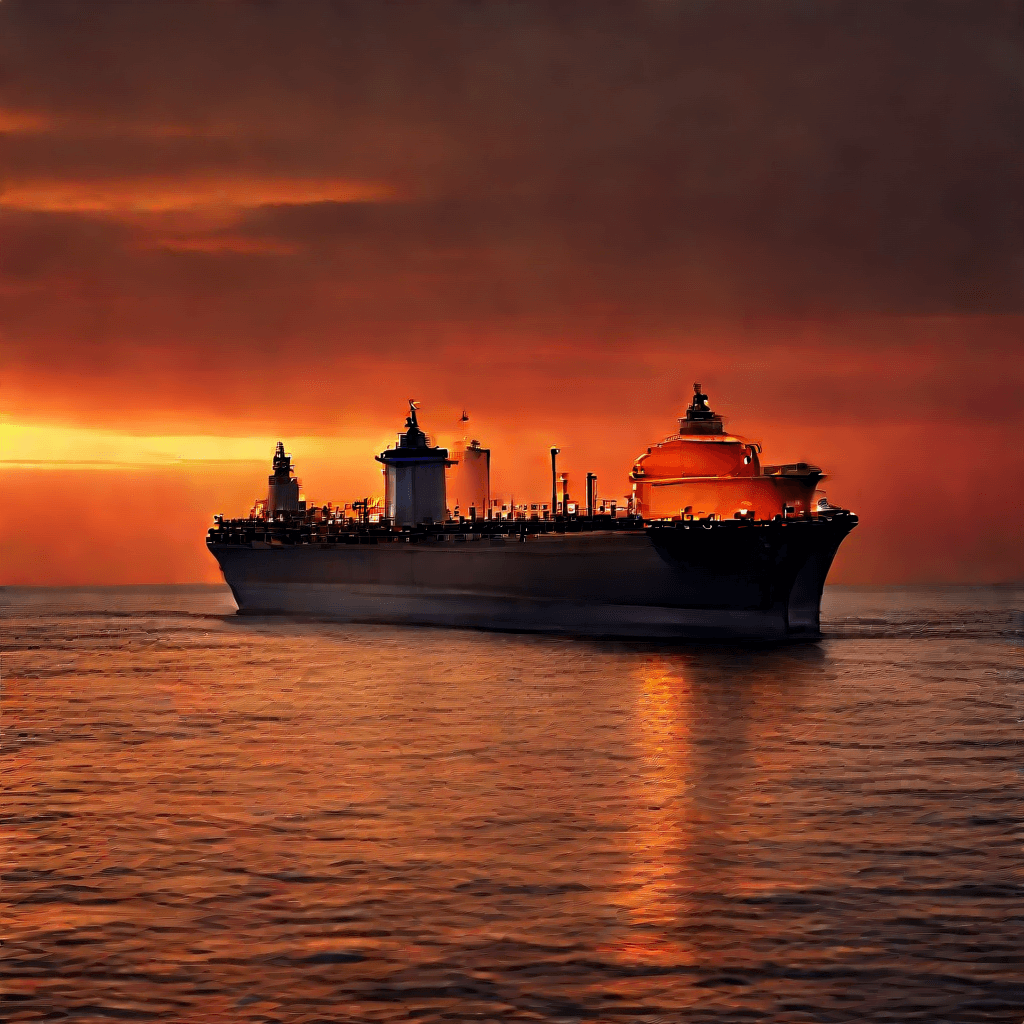
The era of the U.S. Navy as a global "public good" has ended, replaced by a transactional framework that treats international trade routes as premium services rather than fundamental rights. President Donald J. Trump has utilized social media to underscore a "beneficiary-pays" doctrine, demanding that energy-dependent nations like Japan and South Korea provide direct military participation in the Strait of Hormuz. According to Mainichi Shimbun, the administration now frames Persian Gulf security as a shared military burden for those navigating its waters, rather than a unilateral U.S. responsibility. James Carter (a pseudonym), a logistics coordinator for a major U.S. shipping firm, says the shift transforms global trade: "safe passage" is now a budget line item rather than an assumption. This "pay-to-play" model dismantles traditional maritime security, forcing mid-tier powers to weigh the fiscal and political costs of naval deployment against the existential threat of a closed energy artery.
The Economic Trigger: Oil at One Hundred Dollars
Escalating regional conflict and energy market shocks are driving this policy shift. On March 14, 2026, U.S. forces conducted a precision strike on Iran’s Kharg Island, crippling the nation’s primary crude export facility. Brent crude futures immediately surged past $100, hitting $101.05 per barrel on the New York Mercantile Exchange. This surge triggered emergency measures: on March 16, official reports confirmed the Japanese government would release 15 days of private oil reserves to stabilize supply. The Kharg Island strike ended the era of price stability, giving the Trump administration leverage to demand that allies contribute their own hulls to escort missions if they wish to avoid $150 oil.
Dismantling the Architecture of Collective Defense
This doctrine marks a clean break from the post-Cold War collective defense architecture, making security commitments conditional on material reciprocity. The Trump administration is reportedly pressing NATO members and China to join a multilateral protection coalition. While the U.S. plans to announce this coalition this week, global responses remain cautious. According to Mainichi Shimbun, Chinese officials have maintained a wary distance, while European allies struggle to reconcile this "maritime standard" with their own defensive mandates. By linking Hormuz Strait safety to NATO guarantees and U.S.-China summit conditions, the administration is using maritime security as a high-stakes bargaining chip in a broader geopolitical restructuring.
The Japanese Dilemma: Constitutional Constraints vs. Energy Survival
Tokyo illustrates the friction of this doctrine, caught between constitutional limits and energy survival. Asahi Shimbun reports that Japan's Chief Cabinet Secretary has not yet decided on a Self-Defense Force (SDF) dispatch, despite pressure following reports of mine-laying in the strait. The legal hurdles are significant: Japanese law restricts SDF activities in active combat zones—a "high hurdle" given current intelligence. Policy analyst Suzuki Yui (a pseudonym) observes that for Japan, this is a constitutional crisis that threatens to reopen deep domestic divisions. Although senior LDP official Motegi reportedly noted that no formal request for ships was made during a recent call with the U.S. Secretary of State, the White House’s public demands ensure the upcoming U.S.-Japan summit will be dominated by "beneficiary-pays" security.
A Fragmented Ocean: The Risk of Individual Escorts
This transactional model risks "Balkanizing" the seas, where vessel safety depends on national naval budgets rather than international norms. If the U.S. Navy retreats as the universal guarantor of the "commons," analysts predict a chaotic transition where only nations capable of individual escorts can ensure trade flow. This leaves smaller or less-militarized nations vulnerable to disruptions or extortionate insurance rates. TBS News Dig reports that while the Israeli UN Ambassador characterized a potential "blockade" as a global problem, the Trump administration remains focused on direct beneficiaries. A patchwork of multi-national escorts—each with different rules of engagement—could lead to logistical gridlock and accidental skirmishes in this sensitive chokepoint.
From Public Good to Private Security
By the close of Q1 2026, "Safe Passage" has been replaced by "Insured Passage"—a fixture of "Trump 2.0" trade policy that internalizes military protection costs into the supply chain. Branding the Strait of Hormuz as a strategic "service" suggests the U.S. no longer views global trade route maintenance as a prerequisite for its own economic health, but as a leverageable asset. This evolution forces a recalculation: naval fleets are no longer "sunk costs" of sovereignty, but active insurance premiums for industrial output. The transition to private security marks a new trade order where the freedom of the seas is only as free as a nation's willingness to pay in steel and blood.
Sources & References
ご指定のニュース「<1分で解説>トランプ氏、日本を含む関係国に「軍艦派遣を期待」」に関連する、2026年3月17日時点での過去7日以内の主要メディアの記事は以下の通りです。現在、ホルムズ海峡での機雷敷設報道や原油価格の100ドル突破を受け、日本政府への派遣圧力が強まっている状況が報じられています。
朝日新聞 • Accessed 2026-03-15
*見出し:** 官房長官「自衛隊派遣は何ら決まっていない」、ホルムズ海峡の護衛で [URL unavailable]
*要約: トランプ大統領がNATOや中国、日本などの関係国にホルムズ海峡への艦船派遣を迫る中、中国外務省が慎重な姿勢を崩していない現状を報じています。
毎日新聞 • Accessed 2026-03-16
*見出し:** ホルムズ海峡の機雷敷設報道 「情報収集中」と茂木外相 参院予算委
View Original*要約: トランプ大統領がSNSへの投稿を通じて、石油輸送の恩恵を受ける日本や韓国などに対し、航路の安全確保のための軍事的な「受益者負担」を公然と要求しました。
毎日新聞 • Accessed 2026-03-16
*見出し:** 高市首相、ホルムズ海峡護衛「法範囲内で検討中」 参院予算委
View Originalトランプ氏、中国巻き込む場当たり対応 ホルムズ派遣に各国は及び腰
Asahi • Accessed 2026-03-16
トランプ氏、中国巻き込む場当たり対応 ホルムズ派遣に各国は及び腰
View Original戦闘中の自衛隊派遣「ハードル高い」 日米会談控え情報収集急ぐ日本
Asahi • Accessed 2026-03-16
戦闘中の自衛隊派遣「ハードル高い」 日米会談控え情報収集急ぐ日本
View Original日本への艦船派遣要求なし 茂木外相と米国務長官の電話協議で
Mainichi • Accessed 2026-03-16
日本への艦船派遣要求なし 茂木外相と米国務長官の電話協議で
View Original木原官房長官「自衛隊派遣、何ら決まっていない」 ホルムズ海峡
dメニューニュース • Accessed Mon, 16 Mar 2026 02:52:00 GMT
主要なニュース 独政府「NATOの戦争ではない」見解 首相 電気ガス「直ちに上昇せず」 Apple 新型「AirPods Max 2」発表 高橋成美さんの告白にスタジオ驚き WBC敗退 落合氏「オレの考え」語る 転覆で死亡 生徒らなぜ「抗議船」に 出産した男児遺体遺棄か 中学生逮捕 伊藤大海への誹謗中傷 海外で報道 侍J ファンが拭えなかった違和感 登山客に道譲ろうと 50m転落し死亡 安藤美姫 12歳長女が「顔出し」出演 「冬ドラマ2大嫌われ女子」素顔は ホテルのケトル使用に元CAが警告 イスラエル「ハメネイ師機を破壊」 主要なニュースをもっと見る dポイントの確認はコチラ 新着ニュース 提供元一覧 「朝晩の寒暖差」なに着るべき?→【ハニーズ】大人の羽織りに♡「春見えブルゾン」 COORDiSNAP 3/17(火) 2:30 ホルムズ海峡の“封鎖”は「全世界の問題」 イスラエル国連大使が主張 TBS NEWS DIG 3/17(火) 2:25 BTS公演前に…韓国・ホテル火災 日本人女性が意識不明 当局が緊急点検 テレ朝NEWS 3/17(火) 2:23 1 2 3 4 5 6 7
View Originalトランプ氏、艦艇派遣で各国の協力要望 日米首脳会談でも議題か
毎日新聞 • Accessed Mon, 16 Mar 2026 01:58:04 GMT
トランプ氏、艦艇派遣で各国の協力要望 日米首脳会談でも議題か [URL unavailable]
What do you think of this article?