The Islamabad Pivot: Inside the High-Stakes U.S.-Iran Direct Negotiations
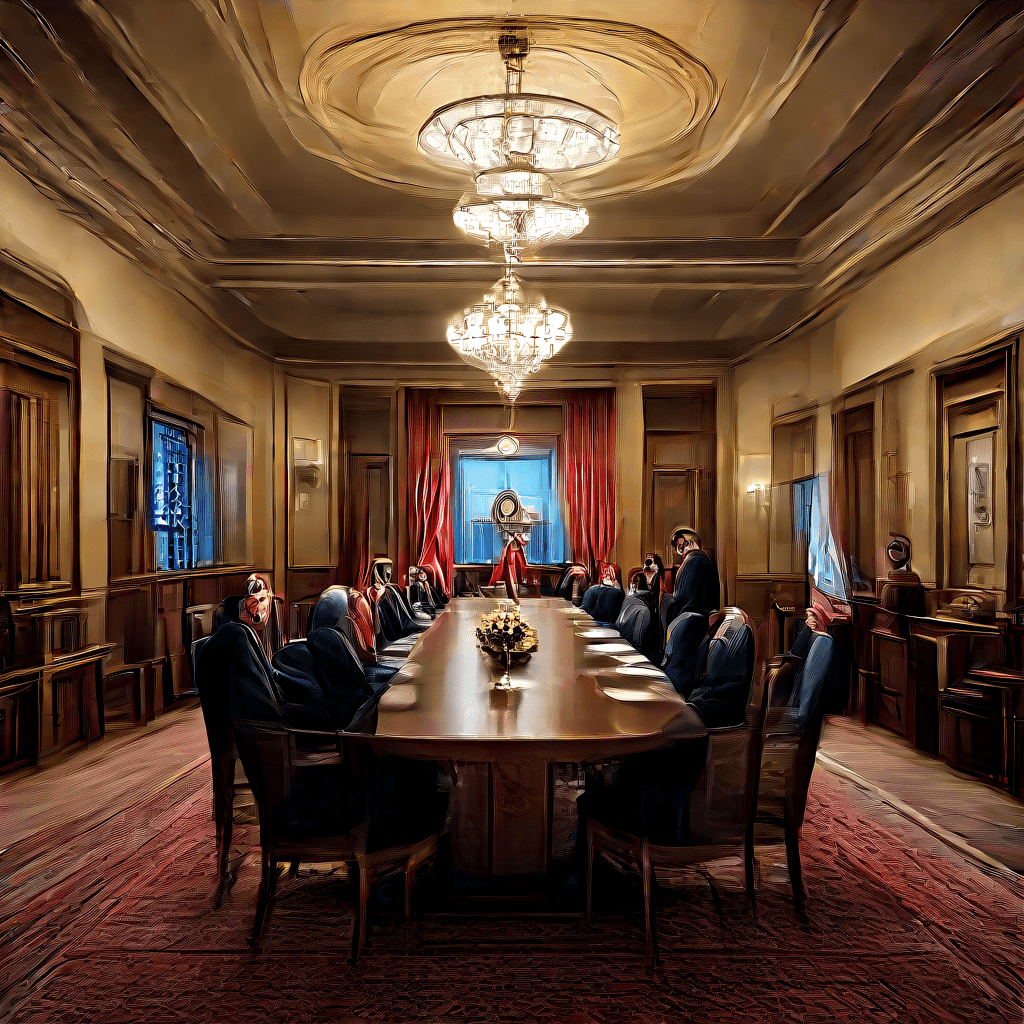
Breaking the Silence of Forty-Seven Years
Direct diplomacy has returned to the forefront of international relations in Pakistan. High-level delegations from Washington and Tehran have convened in Islamabad for the most significant face-to-face engagement since the 1979 revolution. To secure the perimeter of these unprecedented talks, a significant security mobilization has been deployed across the capital. The scale of the event is reflected in the delegations themselves, with Washington sending 300 officials to meet with a 70-member team from Tehran, replacing decades of backdoor channels with direct negotiation.
The scale of the security lockdown underscores a fundamental shift from cold isolation toward visible engagement. For the first time in generations, the machinery of statecraft is operating without the buffer of third-party intermediaries, signaling a realignment in how both nations calculate the costs of continued conflict.
The Architect in the Middle
Islamabad’s selection as the venue highlights the elevation of regional partners into primary mediation roles. Vice President JD Vance held private meetings with Pakistani leadership to finalize the logistics of this summit, reinforcing the strategic necessity of neutral ground with deep ties to both capitals. These discussions focused on establishing a procedural framework robust enough to withstand the weight of historical grievances, testing the durability of the diplomatic process.
By coordinating with Pakistani leadership, the Trump administration has established a diplomatic buffer that allows for aggressive negotiation while maintaining the infrastructure of a reset. This framework attempts to align disparate timelines: balancing the American demand for immediate regional stability against the complex internal bureaucracy of the Iranian state.
Transactional Peace and the Mandate for Resolution
The current diplomatic push operates under a mandate to secure a comprehensive resolution to the regional deadlock. Unlike previous attempts at incremental de-escalation, these negotiations are framed as a finality—a transactional resolution to a generational conflict. This approach reflects a broader strategic pivot that prioritizes the closure of long-standing foreign entanglements through top-down engagement.
The objective is to move beyond temporary truces toward a permanent restructuring of the U.S.-Iran relationship, treating the half-century divide as a solvable geopolitical deadlock rather than an ideological inevitability. Success is no longer measured by the rhetoric in the negotiation room, but by technical verifiability in the world’s most sensitive energy corridors.
The Shadow Over the Strait
While the table is set for peace in Islamabad, the Persian Gulf remains a theater of active pressure. Parallel to the diplomatic track, U.S. naval forces have initiated mine-sweeping operations in the Strait of Hormuz, serving as a physical punctuation to the ongoing dialogue. This operation is tied to a renewed demand for security contributions from regional partners and a firm rejection of proposed maritime tolls, signaling that maritime protection is no longer an unconditional American service.
By clearing mines at a critical energy chokepoint while simultaneously negotiating in Pakistan, the administration is employing a dual-track strategy. Naval force ensures the safety of global commerce even as the terms of a long-term settlement are debated. This integration of military verification into the diplomatic narrative maintains the momentum of the 'America First' timeline.
Visual Diplomacy and Procedural Terms
At the negotiation table, narrative control has become as critical as policy specifics. The Iranian delegation arrived at the summit presenting four primary preconditions—a procedural strategy designed to frame the terms of engagement before formal sessions began. This focus on specific requirements attempts to anchor the negotiations in the structural and economic priorities of the Iranian state.
By leading with these conditions, Tehran seeks to define the stakes of the negotiations through the lens of humanitarian and economic urgency. This tactical use of procedural requirements serves as a counterweight to American military pressure, forcing a collision between national narrative and strategic calculation.
Navigating the Fragile New Order
The Islamabad summit marks the crystallization of a new order where direct engagement is the primary tool for resolving frozen conflicts. By moving from 1979-era isolation to high-level talks, both nations have entered a phase where a comprehensive resolution is an immediate objective rather than a distant aspiration.
As delegations formalize a framework for peace, the shift from shadow wars to the negotiation table represents a fundamental realignment of power in the Middle East. The durability of this resolution will be tested not just by the signatures in Islamabad, but by the cessation of hostilities across the many frontiers where these two powers have clashed for nearly five decades.
Sources & References
Based on the latest reports within the news platform's current context (April 2026), here are 9 articles regarding the U.S.-Iran cease-fire talks in Islamabad, Pakistan, published in the last 7 days:
연합뉴스 • Accessed 2026-04-11
김동호 기자 구독 구독중 이전 다음 이미지 확대 미국 대표단(왼쪽)과 이란 대표단 [AP·EPA=연합뉴스 자료사진. 재판매 및 DB 금지] 제보는 카카오톡 okjebo 저작권자(c) 연합뉴스, 무단 전재-재배포, AI 학습 및 활용 금지 2026/04/11 21:34 송고 2026년04월11일 21시34분 송고 #이란 댓글 좋아요 슬퍼요 화나요 후속요청 북마크 공유 공유하기 카카오톡 페이스북 X 페이스북 메신저 네이버 밴드 URL 복사 닫기 URL이 복사되었습니다. 댓글 글자크기 본문 글자 크기 조정 폰트 1단계 13px 폰트 2단계 16px 폰트 3단계 18px 폰트 4단계 20px 폰트 5단계 22px 닫기 프린트 제보
View Original*Summary: Parallel to the diplomatic track, U.S. naval forces have begun clearing mines in the Persian Gulf as President Trump demands greater security contributions from regional energy importers.
조선일보 • Accessed 2026-04-11
*Headline:** [Breaking] "U.S.-Iran Start War-Ending Negotiations in Pakistan" [URL unavailable]
What We Know About the U.S.-Iran Cease-Fire Talks in Pakistan
NYT • Accessed Sat, 11 Apr 2026 19:20:41 +0000
What We Know About the U.S.-Iran Cease-Fire Talks in Pakistan
View Original*Summary: In a strategic move to leverage moral sentiment, the Iranian delegation arrived displaying large-scale imagery of civilian casualties to frame the human cost of the hostilities before formal talks began.
朝日新聞 • Accessed 2026-04-10
現場から 「歴史的機会」パキスタン、厳戒と高揚感 首都は休日、警備に1万人 2026年4月11日 20時15分 有料記事 イスラマバード=武石英史郎 印刷する メールでシェアする Facebookでシェアする Xでシェアする list はてなブックマークでシェアする 【動画】米国とイランの協議が行われる見通しのパキスタンの首都イスラマバードからリポート [PR] 米イラン協議の舞台となった パキスタン の首都イスラマバードでは、世界が注目する中、前例のない厳戒態勢が敷かれる一方、高揚感も広がっている。同国政府は、国の威信をかけて協議を成功させる構えだ。 首都近郊の軍用空港には11日未明、ガリバフ議長、アラグチ外相らのイラン代表団が到着。11日午前にはバンス副大統領が率いる米国代表団が到着した。ホストのパキスタン側は、ダール副首相兼外相と、水面下で交渉のキーマンとなってきたとされる軍トップのムニール陸軍元帥がそろって出迎えた。 シャリフ首相は10日夜のテレビ演説で「この協議は歴史的な機会であり、パキスタンとイスラム世界にとって誇るべき瞬間だ。成功すれば、無数の命が救われる。
View Original*Summary: Vice President JD Vance held a private meeting with Prime Minister Shehbaz Sharif to coordinate the logistics of the mediation and reinforce Pakistan's role as a pivotal diplomatic partner.
朝日新聞 • Accessed 2026-04-10
*Headline:** U.S. and Iran Direct Talks: Overturning Previous Observations, Highest Level Face-to-Face Since '79 [URL unavailable]
*Summary: Experts note that the Islamabad summit represents the most significant diplomatic engagement between Washington and Tehran since the 1979 revolution, surpassing all previous backdoor efforts.
毎日新聞 • Accessed 2026-04-10
*Headline:** Mine-Sweeping Operations Begin in the Strait of Hormuz, Trump Posts, Also Criticizes Japan
View OriginalUS and Iran hold talks in Islamabad as Pakistan seeks to broker peace deal
Guardian • Accessed Sat, 11 Apr 2026 19:43:09 GMT
US and Iran hold talks in Islamabad as Pakistan seeks to broker peace deal
View OriginalWhat do you think of this article?