The Islamabad Reprieve: US and Iran Move Toward Ceasefire Extension Amid Nuclear Deadlock
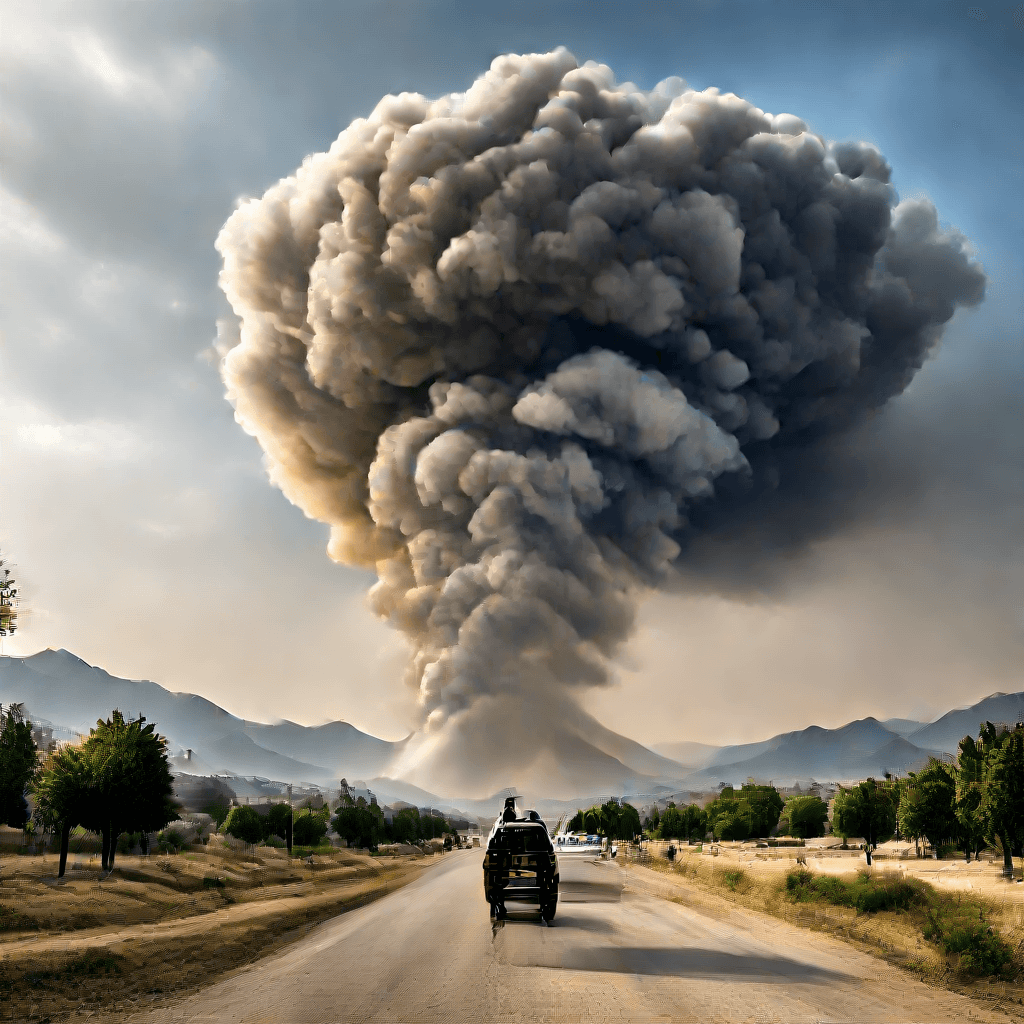
Title: The Islamabad Reprieve: US and Iran Move Toward Ceasefire Extension Amid Nuclear Deadlock
The Deadline and the Reprieve
The ceasefire between the United States and Iran is reportedly approaching its scheduled expiration, with some diplomatic reports indicating that the Trump administration may be seeking a two-week extension to maintain regional stability. This reprieve is described by observers as a strategic buffer intended to prevent a return to active hostilities while the groundwork for a more durable framework is explored. For global logistics specialists and commercial entities dependent on stable shipping corridors, this pause offers a potential window of predictability, though the feasibility of an extension remains unconfirmed as the deadline nears.
This fragile cessation of friction shifts the immediate focus from military readiness to the logistical complexities of establishing a neutral meeting ground. The objective is to identify a venue capable of hosting high-stakes negotiations without the inherent biases of Western or regional power centers.
Islamabad as the New Diplomatic Hub
As the search for a neutral venue continues, Pakistan has been identified in various reports as a leading candidate for a potential second round of formal negotiations, with Islamabad frequently cited as a preferred location. The possible selection of Islamabad would reflect a strategic requirement for a mediator capable of balancing Washington’s security demands with Tehran’s regional interests. While logistics for such a meeting are reportedly being discussed, both delegations appear to be seeking an environment that provides robust security infrastructure, even as the diplomatic momentum for these talks remains subject to ongoing volatility.
Negotiators from both nations have reached a preliminary agreement in principle to extend the current de-escalation period. This consensus signals a mutual recognition that a total collapse of diplomatic efforts would be counterproductive to their respective domestic and strategic objectives. While the agreement remains focused on short-term stability, it establishes a constructive baseline for the upcoming summit and indicates a shared willingness to maintain the status quo while more contentious elements of the relationship are addressed.
While the choice of venue addresses the physical requirements of dialogue, it does little to reconcile the deep structural divisions regarding nuclear capabilities that remain at the heart of the standoff.
The Shadow of Nuclear Ambition
Despite the progress on the ceasefire extension, a significant ideological and technical gap persists regarding nuclear development. Washington maintains its insistence on rigorous oversight and the reinstatement of strict limitations to prevent regional proliferation. Conversely, Tehran continues to prioritize technological autonomy and the immediate removal of restrictive economic measures. This impasse stands as the primary structural hurdle to a comprehensive resolution, with both sides maintaining rigid stances that reflect deep-seated mistrust.
Preparations for the second round of formal talks have reached a high level of intensity, and an agreement on procedural next steps is within reach. However, this outward momentum is frequently challenged by persistent friction over the specific parameters of nuclear verification. Negotiating teams are currently engaged in a complex alignment process, attempting to reconcile Washington's demand for transparency with Tehran’s insistence on sovereign development rights before returning to the formal table.
Beyond the Ceasefire Extension
Finalizing the two-week extension is the immediate priority for both governments as they prepare for the high-stakes environment in Pakistan. A successful implementation of this reprieve would provide the necessary time to refine the agenda and ensure that the talks focus on substantive policy shifts rather than reactive crisis management. Both administrations appear to be moving toward a structured dialogue that seeks to transition from a fragile cessation of fire to a more durable diplomatic arrangement.
The success of the upcoming sessions depends on whether the parties can move beyond management of the status quo toward a sustainable policy framework. If the Islamabad talks fail to bridge the nuclear divide, the cycle of short-term extensions may reach a point of diminishing returns, forcing a choice between a broader structural compromise or a return to active escalation.
Sources & References
アメリカとイラン 来週が期限の停戦 2週間延長を検討か
NHKニュース • Accessed 2026-04-16
メニュー 閉じる トップニュース 国内外の取材網を生かし、さまざまな分野のニュースをいち早く、正確にお伝えします 天気予報・防災情報 天気予報・防災情報を確認する 新着ニュース ウクライナ全土で少なくとも15人死亡 ロシア軍による攻撃 午前0:33 【プロ野球結果】ヤクルトが4連勝 ソフトバンクは連敗止める 午前0:22 藤井孝男氏が死去 83歳 運輸相など歴任 午前0:19 オーストラリア 国内燃料需要10%生産の製油所で火災 影響懸念 午後11:36 新着ニュース一覧を見る 各地のニュース 地図から選ぶ の最新ニュース 表示するエリア 北海道 青森県 岩手県 宮城県 秋田県 山形県 福島県 首都圏 茨城県 栃木県 群馬県 埼玉県 千葉県 神奈川県 新潟県 山梨県 長野県 東海 富山県 石川県 福井県 岐阜県 静岡県 三重県 関西 滋賀県 京都府 兵庫県 奈良県 和歌山県 鳥取県 島根県 岡山県 広島県 山口県 徳島県 香川県 愛媛県 高知県 福岡県 福岡県(北九州) 佐賀県 長崎県 熊本県 大分県 宮崎県 鹿児島県 沖縄県 深掘りコンテンツ 注目 社会 政治 経済 気象・災害 国際
View Original米イラン、停戦延長に「原則合意」か 再協議に向け仲介国の調整続く
Asahi • Accessed 2026-04-16
米イラン、停戦延長に「原則合意」か 再協議に向け仲介国の調整続く
View Original米イラン再協議へ調整進む パキスタン開催が有力―核開発で隔たり
時事ドットコム • Accessed Thu, 16 Apr 2026 11:01:00 GMT
時事通信の商品・サービス ラインナップ 時事通信ホール 内外情勢調査会 世論調査・内閣支持率 時事通信出版局 時事速報 時事トップセミナー 講演サポート.com 専門情報誌 iJAMP時事行政情報モニター
View Original2回目の協議に向け調整が活発化 「米イラン“合意”近づいている」報道
FNNプライムオンライン • Accessed Thu, 16 Apr 2026 14:38:00 GMT
「熱心に探している感じではなかった」安達結希さん(11)“不明”から37歳父親逮捕までの3週間【京都小学生行方不明】 京都・南丹市で大規模な捜索の末、遺体で見つかった男子児童。事態は一転し、父親が死体遺棄の疑いで逮捕され、殺害についても認めていることが分かりました。捜査の最新情報を南丹警察署から、関西テレビ・西中蓮アナウンサ… 社会 きのう
View OriginalWhat do you think of this article?