The Extended Stalemate: Why a U.S.-Iran Deal Could Take Years
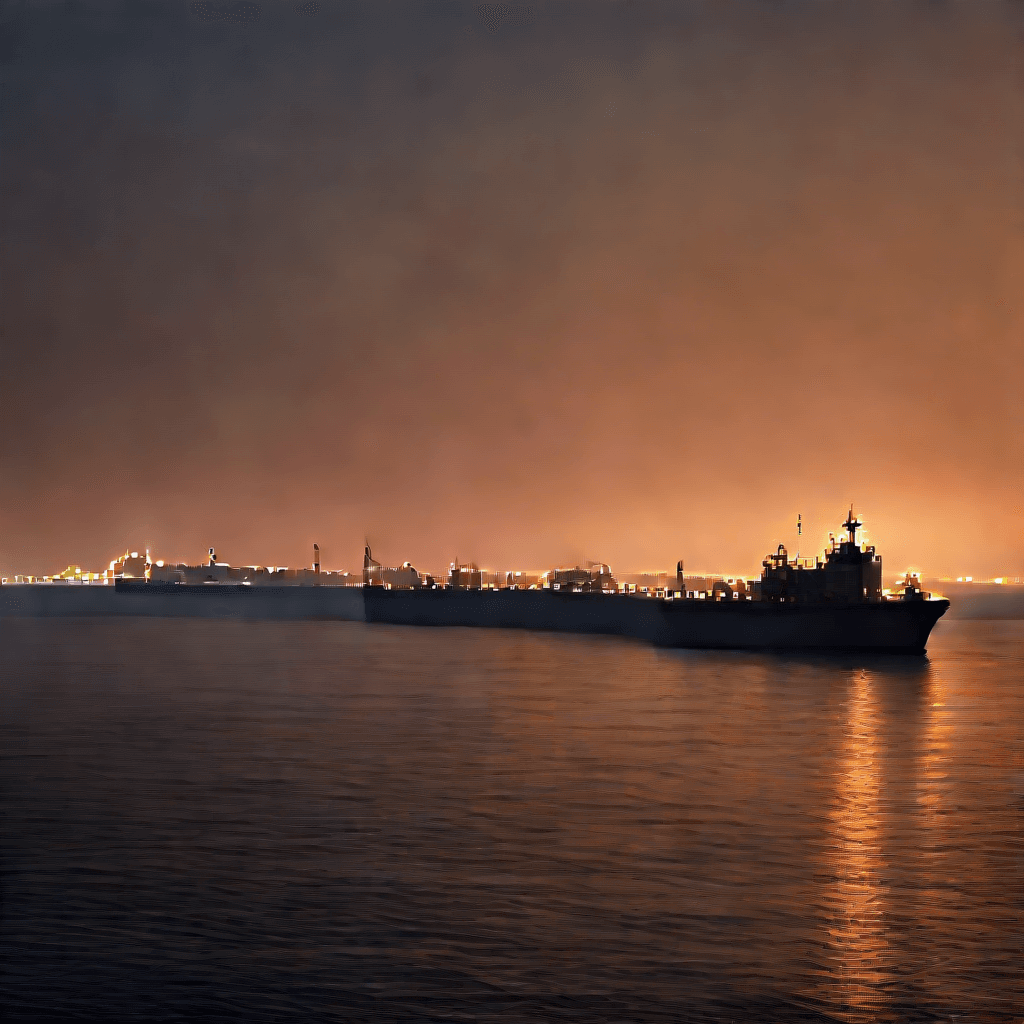
A Ceasefire Clock That Keeps Moving
The central issue is no longer whether talks continue, but whether repeated extensions can produce enforceable terms. The ceasefire window tied to April 21, 2026 was treated as a deadline, yet the process shifted to another short extension that preserved contact instead of finalizing settlement language.
That pattern has held since the first high-level Islamabad round on April 11-12, 2026 ended without closure. Each extension lowers immediate rupture risk, but it also confirms that the hardest terms remain unresolved.
The Uranium File Still Determines Whether Any Deal Is Enforceable
Extensions have kept talks alive without resolving substance, so the next test is whether nuclear terms can be verified in practice. The core dispute remains unchanged: how highly enriched stock is handled, when enrichment activity must stop, and what constitutes a compliance failure.
Some tactical flexibility has appeared around process, but central nuclear positions remain firm. That is why momentum has not converted into closure. If enriched-uranium disposition and enrichment-stop conditions stay ambiguous, any broader framework can fail at first implementation.
Sanctions Timing Turns Technical Disputes Into Domestic Political Risk
With nuclear terms unsettled, sanctions sequencing now determines whether either side can defend a deal domestically. The structural problem is symmetrical in Washington and Tehran: whichever side appears to concede first can be framed as yielding without verified reciprocity.
Under President Donald Trump’s second-term pressure posture, this sequencing issue is especially visible in U.S. domestic debate. A short extension can stabilize diplomacy, but it also delays the point when sanctions relief and nuclear constraints must be synchronized in public and tested against real compliance benchmarks.
Hormuz Transit Rules Have Become a Parallel Negotiation Track
As sanctions sequencing depends on credible enforcement design, transit governance in Hormuz now carries weight comparable to written deal language. Partial maritime flexibility can create space for interim arrangements, but unresolved control terms still leave open who sets passage rules and who enforces them.
This dual-track structure slows closure even when meetings continue. If nuclear and maritime files advance at different speeds, progress in one channel is repeatedly offset by uncertainty in the other.
Maritime Incidents Reprice Trust Faster Than Diplomatic Language
With Hormuz governance contested, operational incidents now reshape negotiating leverage faster than formal statements. De-escalation language and coercive maritime actions have unfolded in the same period, sustaining a credibility gap.
When incidents rise during active talks, continuity is no longer a reliable proxy for stability. The process can stay open while mutual risk assumptions harden, making each future extension less persuasive unless matched by concrete implementation terms.
Why This Could Take Years, Not Months
Recurring incidents and unresolved implementation terms keep resetting trust, so progress now requires a stricter test: enforcement reproducibility, penalty transparency, and precedent consistency. These criteria matter because they convert political promises into repeatable behavior that can withstand leadership pressure and domestic scrutiny.
If a new extension produces specific language on enriched-uranium handling, operational enrichment-stop triggers, and synchronized sanctions steps, the timeline can shorten. If extensions continue without those outputs, the likely pattern is another cycle of temporary restraint, maritime friction, and renewed bargaining under pressure.
AIInsight
The negotiation structure remains stable even when headlines change: tactical flexibility appears at the edges, while core compliance architecture stays locked at the center. Durability rises only when three files move together: finite and productive deadline management, operationally testable nuclear conditions, and more predictable maritime conduct in Hormuz.
If those signals do not converge, talks can continue for a long period without producing a durable settlement. In that scenario, the immediate outcome is not peace or rupture, but managed instability with repeated repricing of energy and shipping risk.
Sources & References
한 문장 요약: 미·이란 2차 협상을 앞두고 우라늄 농축 범위, 제재 해제 시점, 호르무즈 통행 규칙이 장기 협상의 핵심 난제로 제시됐다는 분석 기사입니다.
연합뉴스 • Accessed 2026-04-22
미국과 이란의 2차 종전협상을 앞두고 이란의 핵물질 규제 방식이 여전히 최대 걸림돌이라는 관측이 제기됐다. ISW는 이란이 지난 주말 파키스탄에서 열린 1차 종전협상을 전후로 조건의 일정 부분을 미국에 양보할 것 같은 메시지를 내고 있지만, 실제로는 핵 프로그램과 호르무즈 해협 통제 문제에서 기존 입장을 고수하고 있다고 지적했다. 실제로 이란 이슬람혁명수비대 계열 매체는 최근 미국과의 협상이 진전됐다는 보도를 부인하면서 미국의 '과도한 요구'를 비판하기도 했다. 인공지능이 자동으로 줄인 '세 줄 요약' 기술을 사용합니다. 전체 내용을 이해하기 위해서는 기사 본문과 함께 읽어야 합니다.
View Original한 문장 요약: 싱크탱크 분석을 인용해 미·이란 협상에서 고농축 우라늄 처리와 농축 중단 조건이 여전히 가장 큰 충돌 지점이라고 전했습니다.
연합뉴스 • Accessed 2026-04-22
미국과 이란이 종전 협상을 위한 시간을 더 확보하기 위해 오는 21일로 만료되는 휴전을 2주 더 연장하는 것을 검토 중이라고 블룸버그 통신이 15일 보도했다. 미국과 이란은 지난 7일 2주간의 휴전에 합의하면서 이 기간 종전 협상을 벌이기로 했고, 지난 11∼12일 양측 고위급 첫 회담이 파키스탄 이슬라마바드에서 열렸지만 '노딜'로 종료된 바 있다. 블룸버그 보도에 따르면 '2주간의 휴전 연장 검토'를 언급한 익명의 소식통은 미국과 이란 양측의 종전 협상 중재자들이 가장 논란이 되는 쟁점을 해결하기 위한 실무회담 마련을 시도하고 있다고 말했다. 인공지능이 자동으로 줄인 '세 줄 요약' 기술을 사용합니다. 전체 내용을 이해하기 위해서는 기사 본문과 함께 읽어야 합니다.
View Original한 문장 요약: 이란이 압박 기조를 유지하면서도 호르무즈 일부 개방 카드를 내밀어 협상 국면에서 절충 여지를 보였다고 보도했습니다.
연합뉴스 • Accessed 2026-04-22
미국과 이란의 2차 협상을 앞두고 호르무즈 해협에 다시 긴장감이 감돌면서 20일 건설주가 장 초반 하락세다. 한국시간으로 이날 새벽, 대이란 해상봉쇄 작전을 벌이고 있는 미군은 2주 휴전 종료를 이틀 앞두고 이란 화물선을 함포 사격한 뒤 나포했다는 소식이 전해졌다. IBK투자증권 조정현 연구원은 "현시점에서 현대건설의 가장 큰 우려는 중동전쟁 이슈"라면서 "일부 현장은 호르무즈 해협 물류 영향권에 자리 잡고 있어 원가 부담이 높아질 가능성이 남아있다"고 분석했다. 인공지능이 자동으로 줄인 '세 줄 요약' 기술을 사용합니다. 전체 내용을 이해하기 위해서는 기사 본문과 함께 읽어야 합니다.
View Original한 문장 요약: 양측이 쟁점 조율 시간을 확보하기 위해 휴전 연장을 검토 중이며, 실무협상 재가동 가능성이 거론된다는 내용입니다.
매일경제 • Accessed 2026-04-16
공유 이메일에 공유하기 카카오톡에 공유하기 페이스북에 공유하기 트위터에 공유하기 링크 복사하기 닫기 글자 크기 가 가 가 가 가 닫기 번역 ENG JPN CHN 닫기 편의기능 공유 글자크기 인쇄 즐겨찾기 댓글 AI AI기능 편의 번역 핵심요약 추천질문 관련종목 AI해설 에디터 픽 추천기사 "노조 전성시대에 기업 위축 … 뛸 수 있게 배임죄부터 풀어야" 치솟은 국제 유가에 … 생산자물가, 4년만에 최대폭 상승 전쟁통에 출범한 신현송의 한은 … “비은행권까지 감시망 강화하겠다” 수도권 가면 소득 2배 뛴다 1분기 수도권 2만명 유입 박홍근 "2045년 비전, 연내에 국민께 보고" 나만의 AI 비서 국제 글로벌 정치 美역봉쇄에 한발 물러선 이란 … "호르무즈 일부 개방" 첫 제안 김슬기 기자 입력 : 2026.04.16 17:53 업데이트 : 2026.04.16 23:02 닫기 지면 A5 美·이란 종전협상 급진전 "美-이란 기본합의에 더 접근" 휴전 2주연장 가능성도 제기 파키스탄 협상
View Original한 문장 요약: 미국의 이란 화물선 나포 소식 이후 협상 난항 가능성이 커지며 국내 증시도 관망 국면에 들어갈 수 있다는 전망을 담았습니다.
한국경제 • Accessed 2026-04-20
美·이란 2차 협상 기대감…S&P500 사상 최고치 근접 [뉴욕증시 브리핑] 기자를 구독해보세요 툴팁 닫힘 --> 노정동 기자 구독하기 입력 2026.04.15 07:24 수정 2026.04.15 07:24 글자크기 조절 기사 스크랩 기사 스크랩 공유 공유 댓글 0 댓글 클린뷰 클린뷰 프린트 프린트 협상 낙관론 지속에 나스닥 10거래일 연속 오름세 유가 달러 국채 금리 동반 하락 뉴욕증권거래소 /사진=REUTERS 미국과 이란의 2차 종전 협상 기대감에 뉴욕증시 주요지수가 동반 강세를 나타냈다. 14일(현지시간) 뉴욕증권거래소에서 다우존스30산업평균지수는 전 거래일보다 317.74포인트(0.66%) 오른 4만8535.99에 거래를 마감했다. 스탠더드앤드푸어스(S P)500지수는 81.14포인트(1.18%) 오른 6967.38에, 기술주 중심의 나스닥종합지수는 455.35포인트(1.96%) 오른 2만3639.08에 각각 마쳤다.
View Original“이란 혁명수비대, 유조선에 발포”…호르무즈 해협 다시 긴장
한겨레 • Accessed Sun, 19 Apr 2026 03:51:00 GMT
[단독] 수몰된 조선인 유골 섞어 ‘박스떼기’…일본이 감춰온 사진 17장 1945년 해방 직후 조선인 노동자 수천명을 태운 채 폭침된 일본군 수송선 우키시마호를 5년이 지난 1950년 인양하는 과정에 수습된 희생자의 유골 모습을 기록한 사진이 공개됐다. 일본 프리랜서 언론인 후세 유진 기자는 20일 도쿄에서 한겨레와 만나 “일본 후생노동성에 정보 공개 청구로 확보한 공문서에 우키시마호가 인양됐던 1950년 당시 뭍으로 올라 [현장] “우키시마호에서 떠내려온 주검들, 불태워 묻었다” “일본 정부가 준 우키시마호 명부 부정확…희생자 수 확정 어려워”
View OriginalWhat do you think of this article?