The Hormuz Counter-Blockade: Why Tehran Views the U.S. Ceasefire as a Strategic Ruse
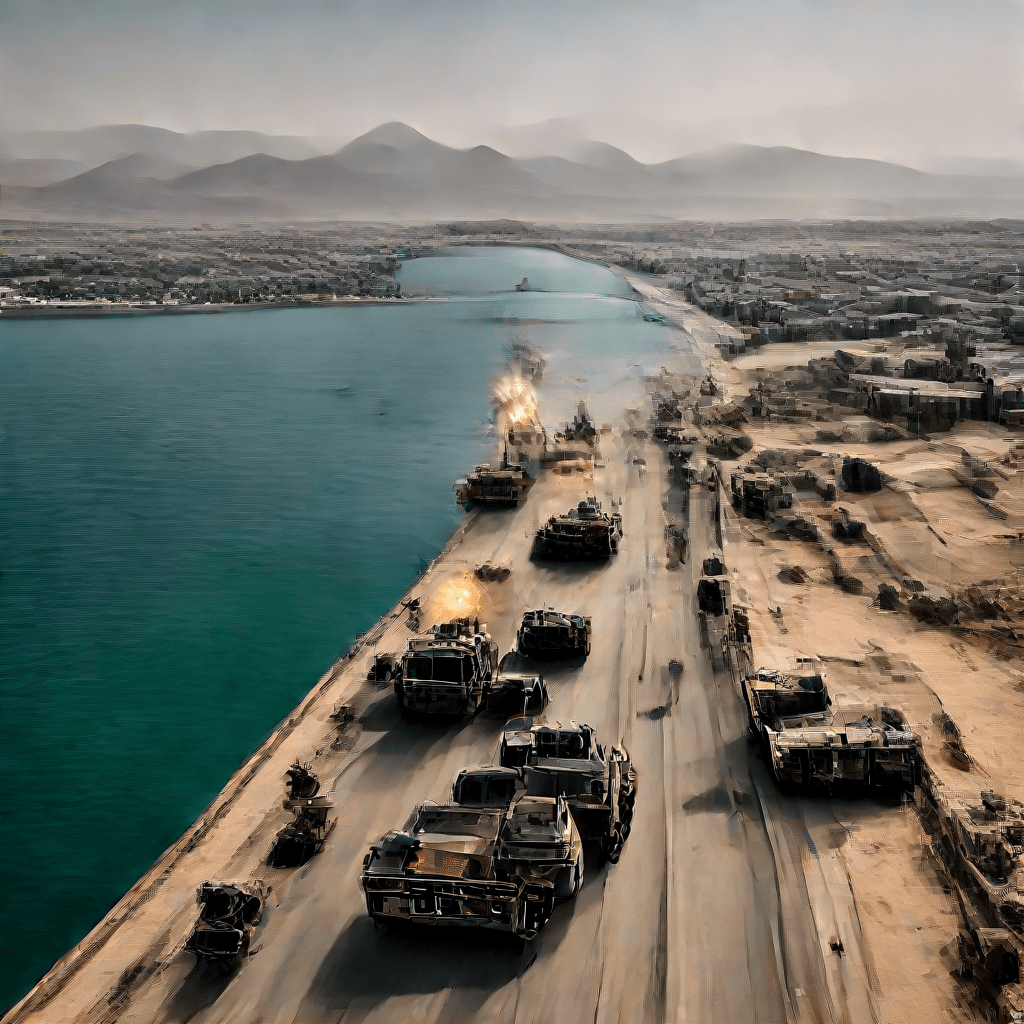
Tactical Pivot in the White House
The geopolitical landscape shifted on April 21 as the U.S. administration replaced military warnings with a conditional ceasefire extension. This transition marks a significant departure from earlier rhetoric that signaled imminent kinetic operations. For global logistics coordinators, the shift necessitates continued navigation of redirected shipping routes and elevated insurance premiums. While the policy is presented as a diplomatic opening, the skeptical reception from regional leadership converts this pause into a source of immediate tension.
The Stalling Tactic Allegation
Tehran characterizes the extension as a calculated maneuver rather than a diplomatic overture. This perspective is grounded in the assessment that the pause provides a critical window for regional military reorganization. The suspension of hostilities is interpreted as a mechanism to resolve logistical bottlenecks before a potential resumption of conflict. This perception of a stalling tactic translated directly into maritime kinetic action in the Persian Gulf.
Maritime Retaliation in the Strait
Maritime actions have signaled a definitive rejection of the diplomatic window. Immediately following the announcement from Washington, regional forces seized two vessels in the Strait of Hormuz. These seizures function as a physical manifestation of distrust toward unilateral declarations that do not address core security grievances. The physical rejection of the truce through vessel seizures underscores the instability of the current three-to-five-day window.
Constraints of the Tactical Window
The proposed ceasefire is restricted to a three-to-five-day duration, reinforcing its function as a tactical bridge rather than a durable peace framework. De-escalation remains contingent upon the removal of maritime blockades that restrict regional trade. Without the resolution of these economic barriers, the pause is viewed as a mere reconfiguration of the existing siege. As the brief window fails to resolve these underlying tensions, Tehran has pivoted toward an active reverse blockade.
From Defense to Active Reverse Blockade
Tehran’s strategy has transitioned from a defensive posture into an active reverse blockade. By hardening its stance in the Strait of Hormuz, regional forces are attempting to leverage global energy transit to counter U.S. maritime policy. This shift indicates that strategists view the ceasefire as a signal to intensify their own economic and military pressure points. The contest over this maritime corridor represents a direct challenge to established freedom of navigation.
Conclusion: A Truce Without Trust
The seizure of shipping assets and the transition to a reverse blockade indicate that the current truce functions as a tactical bridge rather than a peace framework. Because the extension fails to address demands for the removal of maritime blockades, it accelerates confrontation rather than de-escalation. The seizure of shipping assets confirms that as long as the ceasefire is perceived as a tool for military recovery, regional waters will remain a theater for resistance.
The seizure of two vessels within hours of the announcement indicates a high probability of escalation within the narrow window. Reverse blockade patterns suggest that both sides are utilizing the tactical pause to calibrate for a more intense phase of conflict. When time is restricted to such narrow windows, the distinction between a ceasefire and a countdown diminishes. A truce that serves as a prelude to further strikes functions as a final calibration of military readiness rather than a pathway to peace.
Sources & References
*イラン高官「停戦提案は時間稼ぎ」 米国の停戦延長要求に不信感
朝日新聞 • Accessed 2026-04-22
要約:イランのガリバフ国会議長の顧問であるアミールアブドラヒアン氏が、米国の停戦延長要求をイスラエルが態勢を立て直すための時間稼ぎだと批判しました。 [URL unavailable]
イランがホルムズ海峡で2隻拿捕 米の停戦延長表明に「求めてない」
Asahi • Accessed 2026-04-22
イランがホルムズ海峡で2隻拿捕 米の停戦延長表明に「求めてない」
View Original米イラン停戦延長「3~5日」報道も イラン側は封鎖解除迫る
NHK • Accessed Wed, 22 Apr 2026 21:55:48 +0900
米イラン停戦延長「3~5日」報道も イラン側は封鎖解除迫る
View Original停戦延長、否定的だったトランプ氏が翻意 イランは逆封鎖に反発
毎日新聞 • Accessed Wed, 22 Apr 2026 02:41:12 GMT
【アプリリニューアル記念】2カ月無料で読み放題キャンペーン中! アプリ限定の 新機能「ダイジェスト」でニュースを楽しく トップニュース 速報 --> ランキング 緊迫する中東情勢 高市政権の行方 トップニュース トランプ氏の弱点見透かすイラン 海上「逆封鎖」で態度硬化 4/22 16:57 深掘り トランプ米大統領は21日、直前まで警告していたイランへの再攻撃から一転して、停戦延長を表明した。戦闘がさらに長期化しかねない軍事行動の再開を避ける一方で、ホルムズ海峡の「逆封鎖」を圧力にして合意を迫る構えだ。ただ、イラン側との合意は見通せず、依然出口は見えない。 ◇封鎖措置は「経済テロ」 「トラン 物価高どう思う? 街頭の嘆き、ため息… キラキラした銀座でも 4/22 12:00 欧州高級ブランド株、いきなり特売状態 「まれに見る割安感」 4/22 15:00 経済プレミア 母子施設に内縁の夫3年居住 DV後に「復縁」 福岡・女児殺害 4/22 20:51 陸自調査委、事故直前のやりとりも調査 大分・戦車訓練4人死傷 4/22 19:58 成長戦略は幻想?
View OriginalWhat do you think of this article?