Armor Failure in Oita: Technical Probe Targets GSDF Tank Explosion
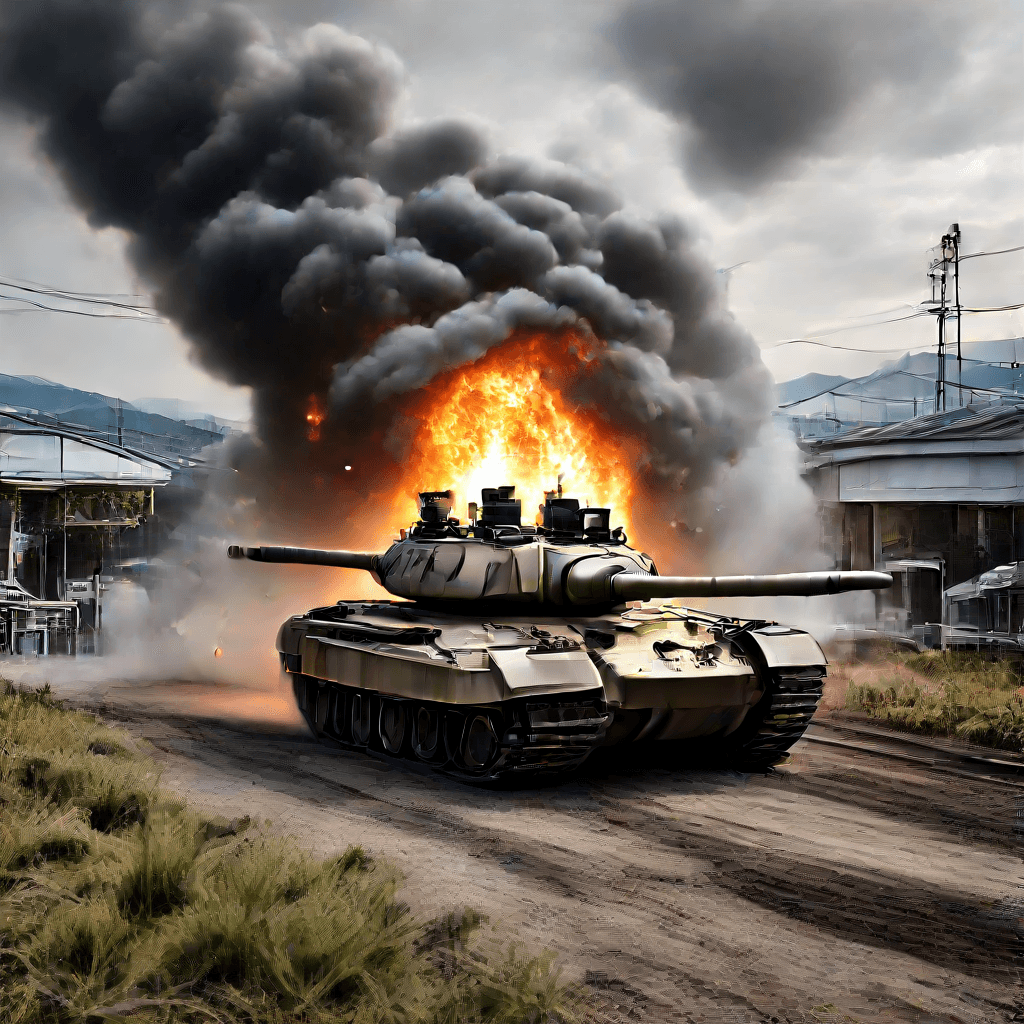
Shadows Over Hijuidai
According to the Ground Self-Defense Force, a catastrophic explosion during exercises in Oita’s Hijuidai training area claimed three lives and left one service member critically injured. The blast transformed a routine maneuver into a structural failure, marking a significant loss for GSDF armored units and challenging existing safety protocols for Japan’s frontline hardware.
The Forensic Push for Technical Answers
A formal GSDF inquiry committee is dissecting the mechanical and procedural origins of the blast, specifically targeting ammunition integrity and on-board telemetry data. Investigators aim to determine whether the detonation stemmed from material fatigue or a software-driven anomaly within the firing sequence. The findings will likely dictate maintenance standards across all armored divisions.
Integrity of Modern Ordnance
Forensic analysis of the artillery shells is central to the probe. GSDF investigators are examining the ordnance for manufacturing defects or chemical degradation that could trigger spontaneous detonation. In the high-pressure environment of an automated loader, microscopic fissures in a shell casing can bypass safety redundancies, converting essential firepower into an internal threat within milliseconds.
Digital Records and the Final Seconds
Analysts are reconstructing crew exchanges from verbal and digital communication logs to identify any system alerts preceding the blast. Synchronizing telemetry with human interaction is critical to isolating the sequence of events. This data-driven reconstruction focuses on whether the crew received automated indicators of an impending system failure before the fatal breach.
Technical Paradoxes of Next-Generation Armor
The incident highlights the friction between advanced automation and operational safety. As hardware incorporates more digital telemetry and automated systems, the number of silent failure points increases. When high-explosive ordnance and complex digital exchanges occupy a confined space, localized software glitches can yield kinetic disasters previously mitigated by manual systems.
Safety Protocols and Defense Readiness
The fatalities at Hijuidai necessitate a fleet-wide review of maintenance and training protocols. A total audit of ammunition handling and digital communication is required to prevent a recurrence of this lethal failure, according to defense spokespersons. This oversight becomes urgent as the Trump administration pressures Indo-Pacific allies to accelerate technological deployment and enhance defense readiness.
Systemic Fragility in High-Sophistication Platforms
The Oita explosion reveals the risks of extreme systemic coupling in modern armor. By investigating verbal logs and physical shell states, the inquiry demonstrates how the surface area for failure expands alongside mechanical sophistication. In these closed environments, the distinction between a software error and a kinetic explosion is dangerously thin. Balancing technological dominance with operational stability remains the primary challenge for future armored development.
Sources & References
*The Japan Times
Japan Times • Accessed 2026-04-22
**完全な見出し:** Three GSDF members die after tank explosion during training in Oita Prefecture [URL unavailable]
陸自戦車「暴発」事故、本格的な調査始まる 砲弾や交信記録など分析
Asahi • Accessed 2026-04-22
陸自戦車「暴発」事故、本格的な調査始まる 砲弾や交信記録など分析
View Original陸自調査委、事故直前のやりとりも調査 大分・戦車訓練4人死傷
Mainichi • Accessed 2026-04-22
陸自調査委、事故直前のやりとりも調査 大分・戦車訓練4人死傷
View OriginalWhat do you think of this article?