Strategic Shield: South Korea Secures 90% Naphtha Recovery via US Energy Pivot
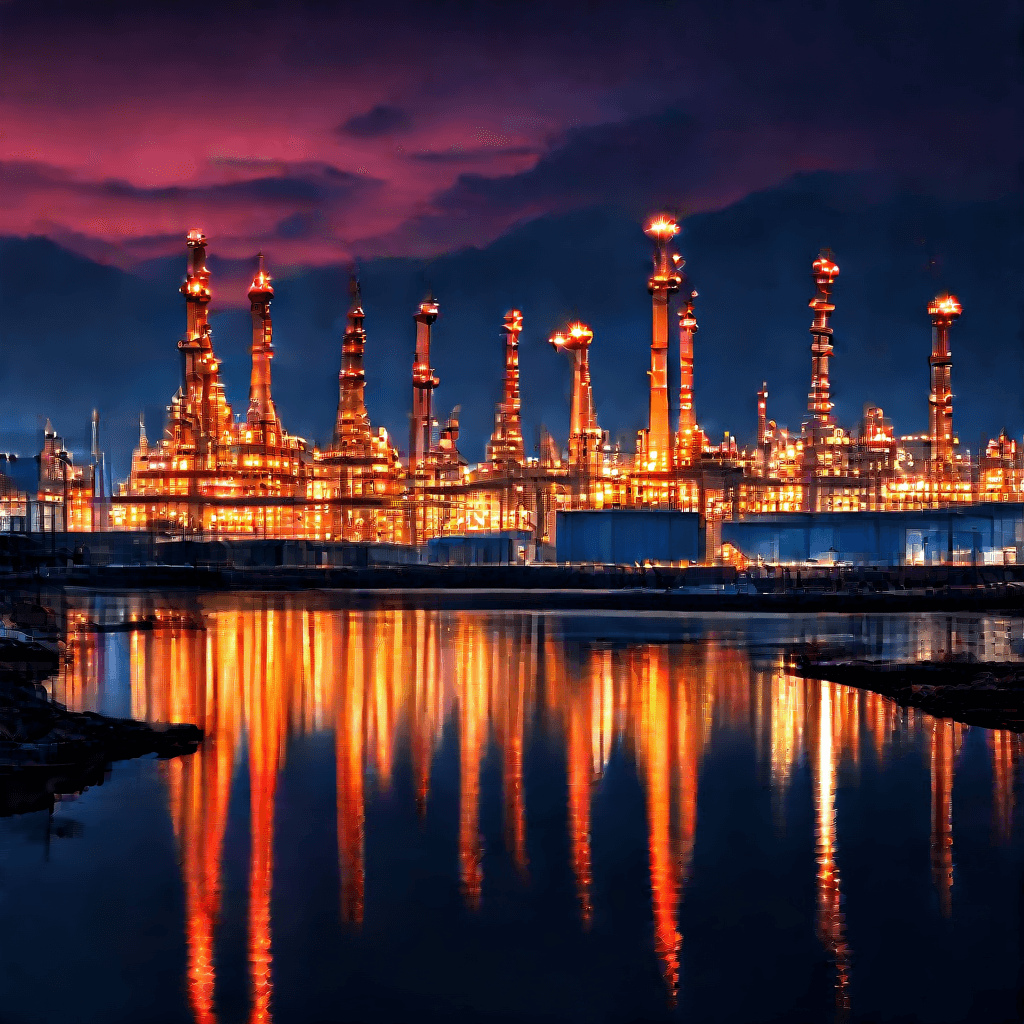
The Industrial Pulse of Yeosu
In the Yeosu industrial belt, the rhythmic hum of cracking towers provides a clearer economic indicator than any financial index in Seoul. Naphtha, the foundational feedstock for sectors ranging from medical plastics to semiconductors, has spent months under the shadow of Middle Eastern volatility. The silence that threatened these complexes during the height of the Hormuz blockade is now being replaced by the steady roar of thermal decomposition.
Tangible evidence of recovery is manifesting in the utilization rates of major petrochemical facilities. Yeochun NCC has seen its facility utilization rebound to 65% (as of mid-April 2026) after a period of suppressed activity. Similarly, Korea Petrochemical has pushed its operations to 72% capacity (as of mid-April 2026). These figures represent the first signs that systemic shocks to the naphtha supply are being countered by a deliberate, state-backed effort to maintain industrial momentum.
The $500 Million Fiscal Shield
The primary catalyst for this industrial reawakening is an aggressive fiscal intervention designed to decouple domestic manufacturing from volatile global energy costs. A total of 674.4 billion KRW (approximately $500 million, budgeted for Q2 2026) has been deployed as emergency funding to serve as a price-gap shield. This mechanism covers 50% of the price difference for imported naphtha, LPG, and condensate, effectively absorbing the volatility risk that had previously paralyzed procurement departments.
The impact of this fiscal floor was instantaneous, providing the predictable cost structure required for a rapid return to the spot market. Procurement contracts signed in the first 15 days of April matched the entire volume secured throughout March. This surge in purchasing power demonstrates that the primary bottleneck was not a lack of physical supply, but a lack of fiscal certainty in a market where geopolitical premiums had become untenable for private enterprise.
The American Alternative: Redrawing the Energy Map
As the risks associated with the Strait of Hormuz transition from temporary threats to structural realities, a strategic pivot toward American energy has become the cornerstone of South Korea's supply chain doctrine. The government aims to reach 90% of pre-war naphtha supply levels (target set for May 2026), necessitating a fundamental reorientation of trade routes. Under the Trump administration's export-friendly energy policies, South Korea is aggressively increasing its proportion of U.S.-sourced naphtha, utilizing trans-Pacific routes to bypass Middle Eastern chokepoints.
This diversification is transforming the United States into a primary guarantor of Korean industrial stability. By securing 80-90% of the required volumes for the coming month (procurement target for May 2026), industrial planners are betting that the higher transportation costs of American fuel are a manageable price for the security of a supply line that avoids active conflict zones. This shift reflects a rapid strategic engineering of a new energy reality, prioritizing the reliability of the "Energy Dominance" era over traditional dependencies.
Strategic Reserves and the July Deadline
While industrial belts stabilize, the temporary nature of current measures remains a focal point for long-term planning. Geopolitical risks in the Middle East persist, prompting discussions to extend strategic petroleum reserve swaps through July 2026. This extension would serve as a critical buffer, ensuring that even if the Strait of Hormuz faces further disruption, the domestic supply of naphtha and LPG remains insulated from sudden shocks.
The reliance on strategic reserves through the summer highlights a shift toward a resilience-based philosophy. The July deadline represents a pivot point where the sustainability of such heavy fiscal burdens must be evaluated. The core concern for the long term is whether these emergency swaps and subsidies will become permanent features of the industrial landscape or if a more market-driven equilibrium can be established.
AI Insight: The Algorithmic Resilience of Just-in-Case Chains
The South Korean response to the naphtha crisis serves as a study in high-velocity resource reallocation. Analysis of procurement data indicates that the speed of the April contract surge was facilitated by the $500 million subsidy functioning as an immediate "risk-off" switch for corporate procurement algorithms. In a market where human hesitation often creates the greatest bottleneck, the 50% price-gap guarantee acted as a definitive command to secure supply, overriding the cautious loops of private capital.
However, the transition from efficiency-optimized "Just-in-Time" chains to resilience-focused "Just-in-Case" models introduces systemic friction. While the recovery to 90% of pre-war levels is a triumph of logistics, it represents a massive transfer of public wealth to maintain the industrial status quo. We are witnessing the birth of a "Fiscal-Energy Complex," where the state no longer merely regulates the market but actively subsidizes the physical reality of the supply chain. The ultimate question remains whether a nation can engineer its way out of geographic dependency through fiscal policy alone, or if every subsidy is a high-priced delay of an inevitable energy reckoning.
Sources & References
요약: 산업통상부가 수입단가 차액 지원과 수입선 다변화 효과로 5월 나프타 확보량이 전쟁 전의 80~90% 수준까지 회복될 것으로 전망했습니다.
연합뉴스 • Accessed 2026-04-30
신창용 기자 나프타, 4월 보름 만에 3월 한달치 계약…추경 지원 효과 정부, 중동 전쟁 장기화에 비축유 스와프 7월까지 연장 검토 이미지 확대 가동 중인 여수 여천NCC 나프타 가공설비 (여수=연합뉴스) 정다움 기자 = 중동 사태에 따른 원료 수급 불안 영향으로 나프타 대란 우려가 확산하고 있는 1일 오후 전남 여수시 여수국가산단 내 여천NCC 나프타 가공 설비들이 가동되고 있다. 2026.4.1 daum@yna.co.kr (서울=연합뉴스) 신창용 기자 = 중동 전쟁 여파로 차질이 빚어졌던 나프타 수급 상황이 정부 재정 지원과 수입선 다변화에 힘입어 5월부터 안정을 되찾을 것으로 전망된다. 특히 전쟁 이후 미국이 우리나라의 최대 나프타 수입국으로 부상하며 공급망 구조도 재편되는 양상이다.
View Original요약: YTN은 정부가 추경 지원과 대체 도입선 확보를 근거로 5월 나프타 물량이 전쟁 이전 대비 80~90%까지 회복될 것으로 봤다고 보도했습니다.
동아일보 • Accessed 2026-04-30
대한유화 가동률 72%·여천NCC 65% 반등…5월 공급 정상화 기대 6744억 규모 수입단가 지원 효과…원유 도입물량도 예년 80% 확보 26일 오전 서울 도심의 한 주유소에 휘발유와 경유 가격이 표시돼 있다. 한국석유공사 오피넷에 따르면 이날 오전 10시 기준 전국 주유소 평균 휘발유 가격은 2007.71로 전날보다 0.34원 상승했으며 경유 가격도 0.11원 상승한 2001.65원으로 집계됐다. 2026.4.26 ⓒ 뉴스1 산업통상부는 중동전쟁 여파로 불안정했던 나프타 수급이 점차 회복되며 주요 석유화학 기업들의 가동률도 상승세를 보이고 있다고 28일 밝혔다. 산업부는 이날 중동전쟁 대응본부 서면 브리핑을 통해 “5월 확보된 나프타 물량은 전쟁 발생 이전 대비 85~90% 수준까지 회복됐다”고 설명했다. 이에 따라 석유화학 업계 가동률도 점진적으로 개선되고 있다. 여천NCC의 경우 지난달 55% 수준에서 이달 10일 60%, 24일에는 65%까지 상승했다.
View Original최근 7일(2026-04-24 ~ 2026-04-30) 내 확인된 관련 기사입니다.
한겨레 • Accessed 2026-04-24
본문 경제 산업·재계 정부 “5월 나프타 확보 물량, 전쟁 전 대비 80~90% 회복될 것” 이재호 기자 수정 2026-04-30 19:22 펼침 기사를 읽어드립니다 Your browser does not support the audio element. 0:00 전남 여수 석유화학산업단지의 여천엔씨씨(NCC)의 나프타 분해시설. 이재호 기자 광고 호르무즈해협 봉쇄로 공급 차질이 빚어졌던 나프타 수급이 5월부터 안정을 되찾을 전망이다. 정부의 재정 지원과 대체 공급망 발굴에 따른 영향으로 원료 확보에 다소 숨통이 트이는 분위기다. 양기욱 산업통상부 산업자원안보실장은 30일 정부세종청사에서 브리핑을 열어 “추가경정예산 6774억원을 투입해 지난 1일 계약분부터 나프타와 액화석유가스(LPG), 콘덴세이트(초경질유), 기초유분 약 70만톤(t)의 수입 단가 차액 50%를 지원했다”고 밝혔다. 나프타는 플라스틱과 화장품, 비닐 등 석유화학 제품의 핵심 원료로 쓰여 ‘산업의 쌀’로 불린다.
View Original요약: 정부 브리핑을 바탕으로 나프타 계약이 4월에 급증했고, 미국산 비중 확대를 통해 5월 수급 안정 가능성이 커졌다고 전했습니다.
co • Accessed 2026-04-30
이란전쟁으로 차질이 빚어졌던 나프타 수급이 정부 재정 지원과 수입선 다변화에 힘입어 다음 달부터 안정을 되찾을 것으로 전망됩니다. 양기욱 산업통상부 산업자원안보실장은 오늘 브리핑에서 추경 6천7백억 원을 투입해 4월 1일 계약분부터 나프타와 LPG, 콘덴세이트, 기초유분에 대한 수입 단가 차액의 50%를 지원하고 있다고 밝혔습니다. 또 4월 들어 보름 만에 3월 한 달 수준의 나프타 물량 계약이 체결됐다고 설명했습니다. 이란전쟁 이전까지 수입국 순위 7위에 머물렀던 미국은 이란전쟁 이후 전체 도입 물량의 25%를 차지하며 1위로 올라섰습니다. 양 실장은 수급 차원에서 확보가 용이해 미국이 최대 수입국이 됐다면서 도입 기간이 다소 길지만 4월부터 본격적인 물량이 들어오고 있다고 말했습니다. 하지만 나프타 시장이 가격에 매우 민감한 만큼, 전쟁 이후에도 이어질 구조적인 공급망 재편인지 논하기는 이르다며 신중한 입장을 보였습니다.
View Original요약: 정부 설명을 인용해 5월 나프타 확보량이 85~90% 수준으로 올라오고, 석유화학 공장 가동률도 점진적으로 반등 중이라고 전했습니다.
fnnews • Accessed 2026-04-28
제목: 정부 "나프타 한 달 내 수급 안정화…5월에 평시 대비 90% 수준 회복"(종합)
View Original요약: 파이낸셜뉴스는 정부의 국무회의·브리핑 내용을 토대로 나프타 수급이 한 달 내 안정 국면에 들어가고 5월엔 평시 대비 약 90% 회복을 예상한다고 보도했습니다.
MBC • Accessed 2026-04-28
제목: 與 "5월 '원유 필요 물량' 80% 확보‥요소수 재고 3개월분 확보"
View OriginalWhat do you think of this article?