The Hormuz Gambit: Project Freedom and the New Mandate of Allied Self-Defense
Breakthrough in the Strait
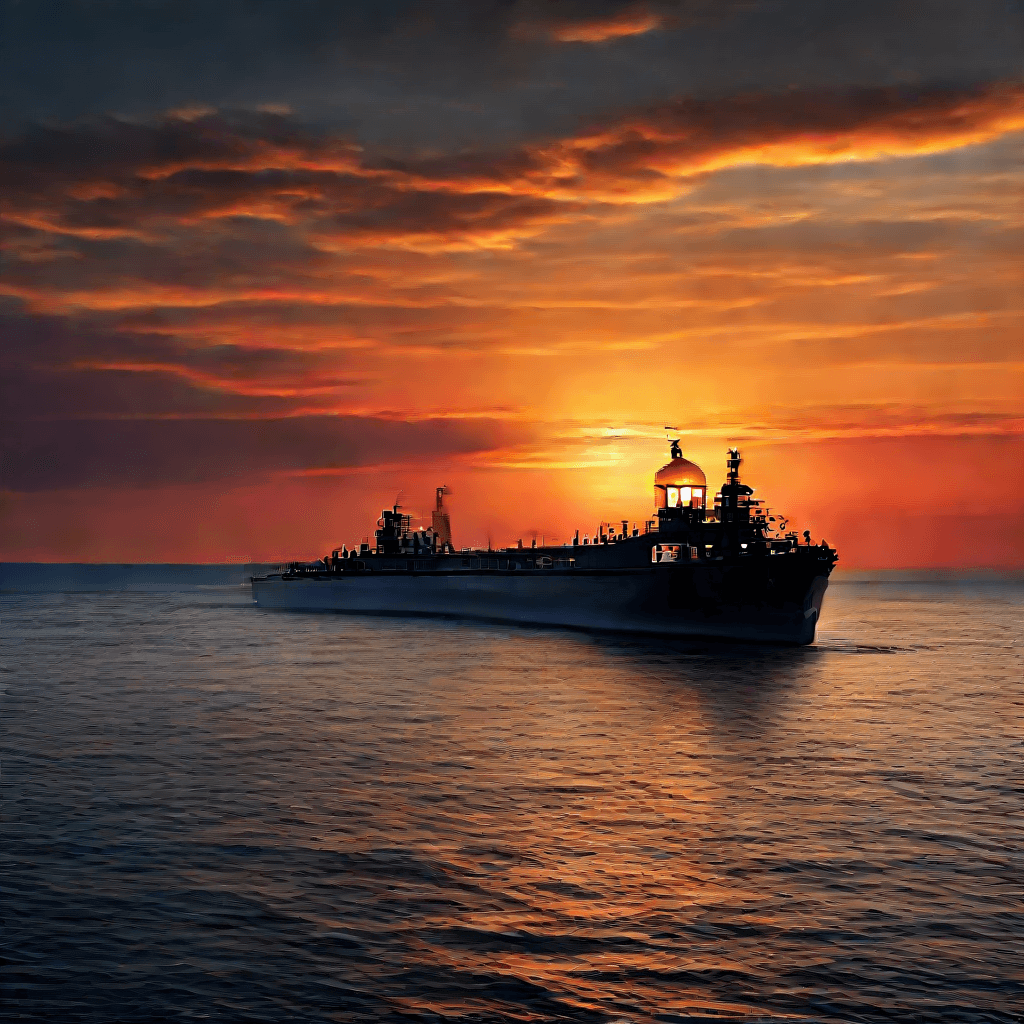
The first phase of 'Project Freedom' achieved an initial tactical victory this week as two American merchant ships successfully navigated the Strait of Hormuz under military escort. This marks the first time US-flagged commercial vessels have traversed the volatile waterway without incident since the recent escalation of regional tensions. South Korean maritime authorities have issued a high-alert advisory for the region, while noting that the operation reflects an increased surge of naval presence aimed at stabilizing specific shipping lanes.
The administration frames this intervention as a strictly defensive measure intended to maintain the flow of global energy supplies. By securing the passage of designated vessels, the US is attempting to de-escalate regional tension while asserting the right of free navigation. However, the operation also underscores a broader shift in naval policy, emphasizing a reassessment of which nations bear the financial and operational responsibility for securing international waters.
The Shadow Over the Namu-ho
While US-protected transits proceed, South Korean maritime investigators are assessing a violent disruption aboard the HMM Namu-ho. The merchant ship, anchored near the United Arab Emirates, suffered a sudden explosion and fire in its engine room. The South Korean Ministry of Oceans and Fisheries confirmed that all 24 crew members are safe and that the vessel is awaiting towage to the port of Dubai for a technical survey. This incident has quickly become a point of diplomatic friction as technical findings remain pending.
The US administration has categorized the Namu-ho explosion as a deliberate act of aggression, attributing responsibility to regional adversaries. Critics of this move suggest that such a rapid characterization preempts the ongoing technical survey by South Korean authorities. The attribution appears to align with a broader policy goal of amplifying demands for international participation in maritime security coalitions. South Korean maritime officials have yet to confirm the cause of the blast, maintaining that a full investigation is required to distinguish between mechanical failure and external sabotage.
The New Cost of Maritime Security
The Hegseth Doctrine has transitioned from rhetoric to operational reality, with explicit calls for South Korea and other allies to join Hormuz operations. The mandate requires nations that rely on these shipping lanes for economic stability to contribute directly to their defense. The United States is signaling a shift away from providing universal security for global trade, tying the level of military cooperation to the volume of trade protected and the resources committed by partners.
This demand for shared costs coincides with increasing regional volatility. Recent ballistic and cruise missile strikes on infrastructure in the United Arab Emirates demonstrate a lethal reach that complicates the security calculus. These strikes prove that threats to the maritime corridor extend beyond sea mines to high-precision aerial assets capable of striking both ships and the ports that serve them. The ultimatum presented to allies serves as a test case for how trade partners will manage the transition from reliance on American protection to active defense.
Escalation in the Periphery
'Project Freedom' has launched amidst a collapse of regional stability, punctuated by the end of a month-long truce. A coordinated strike involving ballistic and cruise missiles targeted energy and logistics hubs within the United Arab Emirates. This barrage represents a significant escalation, signaling an intent to impose costs on nations facilitating the US-led naval presence. The result is a dual-front crisis where both sea lanes and land-based supply chains face constant disruption.
Technical analysis of the strikes suggests sophisticated intelligence and targeting capabilities. As missiles penetrate air defense envelopes, the risk of a wider maritime conflict grows, potentially drawing in regional players. The strategy of using aerial strikes to counter naval escorts creates a state of high-alert, where the success of a single ship transit can be offset by the destruction of terminal infrastructure inland.
The Fragile Architecture of Freedom
The sustainability of this security model depends on whether allies accept these new terms of engagement. While initial transits prove military hardware can secure individual vessels, the diplomatic friction generated by the Namu-ho incident suggests a fragile consensus. A two-tiered system of maritime safety is emerging: one for coalition participants and another for those on the sidelines, potentially exposed to escalating asymmetric risks.
This environment is evolving into a system of trade zones where passage is protected by the physical presence of a specific fleet. If the strategy succeeds in compelling allies to assume their own defense, it would represent a permanent shift in global power—positioning the US as an orchestrator of security rather than its sole provider. However, this model risks creating a permanent frontline in the Middle East, where each successful transit may invite further retaliation.
AIInsight
Strategic analysis suggests that the Namu-ho incident, regardless of its technical cause, serves as a catalyst for a policy shift toward gated maritime corridors. The rapid attribution of the blast by US officials indicates a move to highlight the risks of non-participation in current security frameworks. Data indicates that as specific vessels become hardened targets through military escort, the incentive for asymmetric actors to strike unprotected allied assets may increase. This suggests that the Strait of Hormuz is transitioning from a global commons into a controlled environment where the price of entry is a permanent military and financial commitment.
Sources & References
미군 “미 상선 2척 호르무즈 통과 성공”…‘프리덤’ 작전 첫날
한겨레 • Accessed Mon, 04 May 2026 13:13:00 GMT
미 국방장관, ‘호르무즈 작전’에 “한국 더 나서주길” 피트 헤그세스 미국 국방장관이 5일(현지시각) 미군의 호르무즈해협 ‘해방 프로젝트’와 관련해 “한국이 더 나서주길 바란다”고 말했다. 그는 해방 프로젝트가 “방어적”이라며 이란과 “싸움을 원하지 않는다”고도 했다. 헤그세스 장관은 이날 미 국방부 청사에서 한 기자회견에서 ‘도널드 트럼프 대통령이 소셜미디어에서 해방 프로젝트에 참여해 달라는 요청에 한국 트럼프 “작전 참여” 거듭 압박…한국, 이란 공격 확인 땐 딜레마 HMM 나무호 폭발 원인, 피격? 화재?…두바이로 예인 뒤 조사
View Original전체 제목: HMM 나무호, 호르무즈 해협서 폭발…승무원 24명 전원 무사
google • Accessed 2026-05-05
미국과 이란이 충돌한 호르무즈 해협에서 한국 선사 HMM 운용 선박이 폭발과 화재 사고를 당한 지 이틀째인 5일 사고 원인에 대한 의문을 중심으로 상황은 긴박하게 전개되고 있다. 정부는 사고 선박을 인근 항구로 예인해 사고 원인에 대한 조사에 착수할 계획이다. 도널드 트럼프 미국 대통령은 사고 원인으로 이란의 공격을 지목하며 호르무즈 해협 개방 작전에 대한 한국의 동참을 압박했지만, 정부는 신중한 기조를 유지하고 있다. 인공지능이 자동으로 줄인 '세 줄 요약' 기술을 사용합니다. 전체 내용을 이해하기 위해서는 기사 본문과 함께 읽어야 합니다.
View Original전체 제목: HMM “배 외부에서 폭발”…선원들 불안감도 확산
google • Accessed 2026-05-05
폭발한 ‘나무호’ 두바이로 인양…다른 한국 선박들 카타르로 이동 하종훈 2026. 5. 5. 18:04 요약보기 자동요약 기사 제목과 주요 문장을 기반으로 자동요약한 결과입니다. 전체 맥락을 이해하기 위해서는 본문 보기를 권장합니다. 호르무즈 해협 안쪽 아랍에미리트(UAE) 인근 해역에 정박해 있던 'HMM 나무(NAMU)호'가 폭발과 함께 일어난 화재를 진압했지만, 해당 수역 안전을 둘러싼 긴장은 고조되고 있다. 나무호는 인근 두바이항으로 인양돼 수리될 예정이며, 인근 해역의 다른 한국 선박들은 안전을 위해 해협 안쪽의 카타르 쪽으로 이동 중이다. 호르무즈 해협 안쪽 UAE 앞바다에 머무르던 한국 선박들은 서쪽에 있는 카타르 방향으로 운항 중이다. 닫기 음성으로 듣기 음성재생 설정 이동 통신망에서 음성 재생 시 데이터 요금이 발생할 수 있습니다. 글자 수 10,000자 초과 시 일부만 음성으로 제공합니다.
View Original전체 제목: 트럼프 "HMM 나무호 이란 공격" 주장… 프리덤 작전 동참 압박
google • Accessed 2026-05-05
'나무호' 피격 주체로 이란 지목… 중부사령부, 한국 선박과 교신 중 일본·호주·유럽이 나서주길 바라는 것처럼 한국도 동참하길 기대 피트 헤그세스 미국 국방장관 ⓒ 로이터=뉴스1 관련 키워드 미국이란전쟁 헤그세스 국방부 미국 이란 호르무즈 피격 류정민 특파원 [뉴욕개장]유가 하락에…중동 긴장에도 상승 출발 美 국방 韓, 호르무즈 '프로젝트 프리덤' 동참 강력 희망 (종합) 관련 기사 美, '나무호 피격' 이란 소행 기정사실화…정부는 '신중'·이란은 '침묵' 주독미군 5000명 감축…獨 예상된 일 ·나토 내용 파악 중 (종합) 獨국방, 주독미군 5000명 감축에 유럽이 안보에 더 큰 책임 져야 트럼프, 주독미군 5천명 감축… 이란전·나토 갈등 반영 (종합) 이란 외무 美, 네타냐후 도박에 1000억 달러 날리고 거짓말
View Original전체 제목: 호르무즈 해협 HMM 화물선 폭발 화재…트럼프 "이란, 한국 화물선 공격"
google • Accessed 2026-05-05
최신뉴스 정치 경제 사회 생활문화 스포츠 국제 날씨 호르무즈 해협 안쪽에 정박하고 있던 HMM 화물선 'HMM 나무' 호에서 폭발과 함께 일어난 화재가 4시간 만에 진화됐습니다. 한국 시각으로 5월 4일 저녁 8시 40분쯤, 이 선박 기관실 좌현 쪽에서 폭발음과 함께 화재가 발생해, 선원들이 약 4시간 만에 불을 직접 껐습니다. 선박에는 한국인 6명을 포함해 선원 24명이 타고 있었으며, 사람은 다치지 않았습니다. 진화 과정에서 이산화탄소가 많이 발생해, 기관실 내부 접근이 어려워, 원인 조사는 5일 오후에 이뤄질 예정입니다. HMM은 곧 피해 선박을 인근 두바이항으로 인양할 예정입니다. 한편 도널드 트럼프 미국 대통령은 이란이 한국의 화물선을 공격했다고 밝히면서 호르무즈 해협 개방을 위한 미국의 작전에 한국이 동참할 것을 촉구했습니다.
View Original美 “韓, 호르무즈 작전 동참해야…당신들 선박 방어하라”
동아일보 • Accessed Tue, 05 May 2026 21:42:00 +0900
美 “韓, 호르무즈 작전 동참해야…당신들 선박 방어하라”
View Original美, ‘프리덤’ 첫날 선박 2척 구출…이란은 UAE 다시 공격
동아일보 • Accessed Tue, 05 May 2026 20:56:11 +0900
美, ‘프리덤’ 첫날 선박 2척 구출…이란은 UAE 다시 공격
View OriginalWhat do you think of this article?