The Carolina Cold Shock: When Resilience Debt Comes Due
Darkness at Noon: The Human Cost of Efficiency
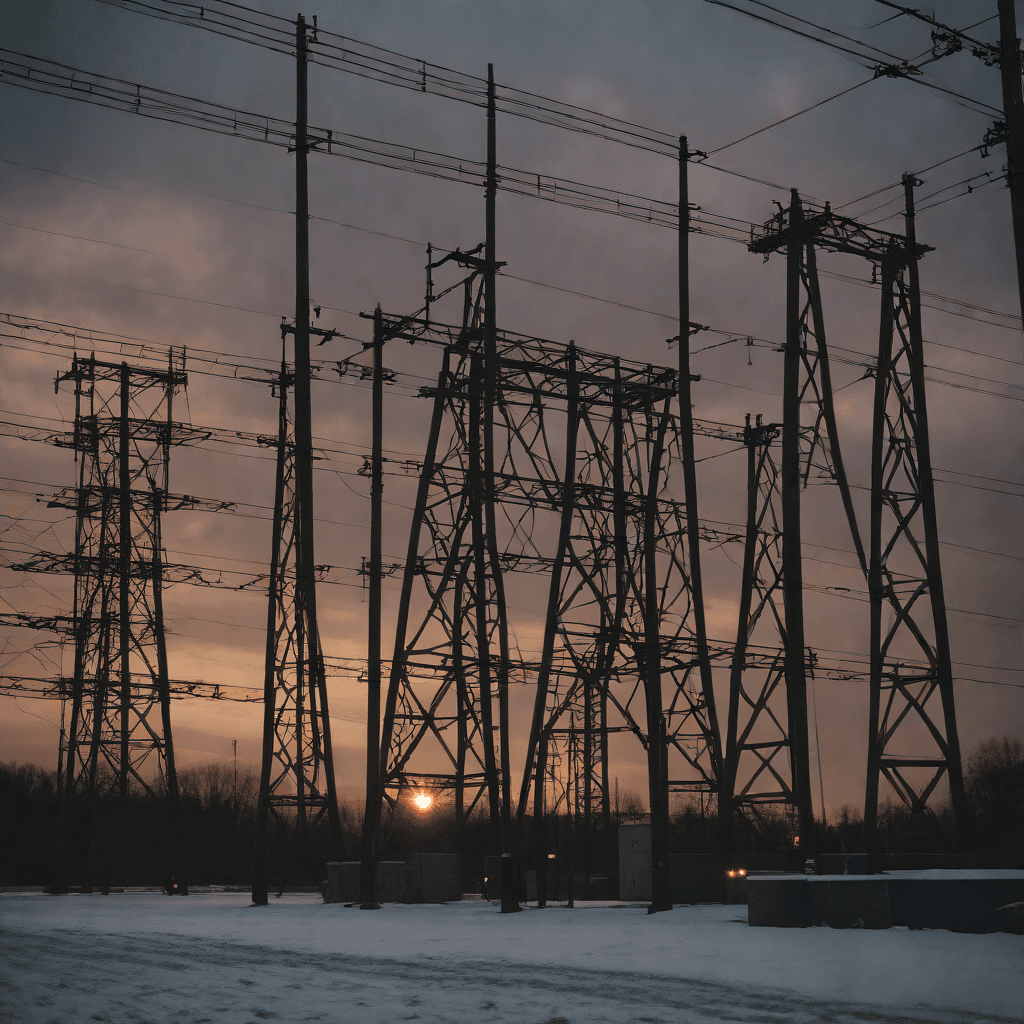
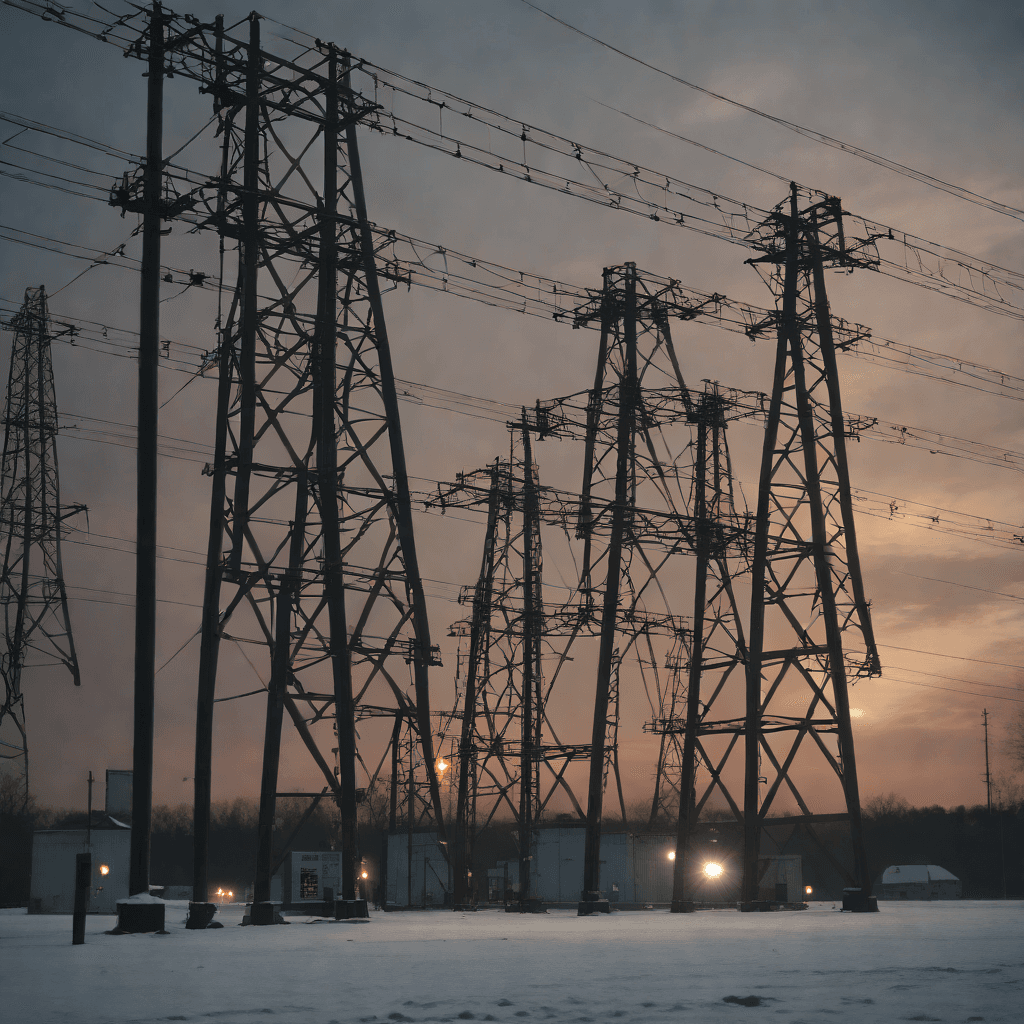
The silence that descended across the Carolinas this week was not just the absence of the familiar hum from transmission lines; it was the structural failure of a decade-long gamble on infrastructure efficiency. While the White House continues to champion "Energy Dominance" as a central pillar of the second Trump term—emphasizing deregulated production and export acceleration—the reality on the ground in Raleigh and Charlotte tells a different story.
This crisis reveals that strategic dominance in generation capabilities means little when the transmission backbone, stripped of redundancy to maximize shareholder returns, snaps under the weight of predictable winter stress. The grid performed exactly as designed for a system that prioritizes lean operation over hardened survival.
For Robert Vance (Pseudonym), a cold storage facility owner in the outskirts of Raleigh, the failure was measured not in voltage, but in mounting financial losses. Despite investing nearly $50,000 in a compliant backup generator system following the 2022 grid scares, Vance watched his inventory of pharmaceutical-grade perishables degrade. The fuel delivery trucks he relied on were paralyzed by the same storm that downed the lines.
"We have been running on a razor-thin margin of error for years to compete with the automated giants," Vance explains, surveying a warehouse where forty percent of his stock had to be discarded. His situation illustrates the "resilience debt" paradox: individual businesses can prepare for localized failures, but they cannot insulate themselves from a systemic collapse where just-in-time logistics chains shatter simultaneously.
The Architecture of Fragility
The catastrophic failure was not merely a meteorological event; it was an accounting decision made years ago that has finally matured into a crisis. In the utility sector, this phenomenon is increasingly known as "resilience debt"—the accumulation of deferred maintenance, stretched vegetation management cycles, and the elimination of "expensive" redundancy in favor of lean operational efficiency.
While this strategy successfully maximized short-term dividends and kept rate hikes momentarily at bay during the inflation spikes of 2024 and 2025, the ice storm exposed the brittleness of a system stripped of its safety margins. The grid failed because the infrastructure had been value-engineered to the point where it could only function under optimal conditions.
The view from the bucket truck offers a clear indictment of these cost-saving measures. Elias Thorne (Pseudonym), a senior line technician with over two decades of experience repairing the Carolina grid, points to the tree lines as the primary factor, rather than the ice itself. According to Thorne, the cycle for vegetation management has been quietly extended from a standard three-year rotation to five years or longer in many rural districts.
"Ten years ago, we cleared the danger zone aggressively," Thorne notes, working his third consecutive 16-hour shift. "Now, the budget dictates that we only cut what is visibly touching a line. The ice didn't snap those poles; the heavy limbs we should have cut two years ago did." This shift from preventative hardening to reactive repair creates an illusion of profitability that lasts exactly until the first major freeze.
Deregulation's Bitter Harvest
The seed of this week's blackout was arguably planted not by a storm, but by administrative changes in early 2025. When the Trump administration moved to suspend "redundant" federal infrastructure resilience standards, the logic was to maximize output and reduce consumer costs to combat inflation. For the energy sector in the Carolinas, this meant a regulatory reprieve from costly winterization upgrades that had been proposed following the disruptions of the early 2020s.
The prevailing economic doctrine held that the market would naturally price in reliability without heavy-handed government intervention. Instead, the market priced in efficiency, systematically shaving off the "fat" of spare capacity and weather-proofing until the regional grid was lean, profitable, and brittle.
This operational fragility is compounded by a regulatory environment that has been paralyzed by judicial gridlock. The so-called "Zombie Dockets"—a backlog of federal cases stalled by vacancies and partisan obstruction—have left ambiguity regarding enforcement of winterization standards first proposed after the 2021 Texas freeze. Without clear federal mandates, utilities have faced pressure to divert capital expenditure toward expanding capacity for new AI data centers rather than hardening existing legacy infrastructure.
Industry projections from late 2025 indicated a widening capacity gap, estimated by some independent analysts to exceed 3 gigawatts under extreme winter load conditions. Yet, the race to support the "America First" AI industrial boom took precedence over stabilizing the residential grid. The result is a two-tiered power system: robust, dedicated substations for the new tech corridors, and a vulnerable network for the taxpaying public.
The Industrial Boomerang
The "Industrial Boomerang" is the fiscal reality currently dismantling the Southeast's manufacturing corridor. For decades, the region pitched itself as a haven of low regulation and lean operation, attracting automotive and aerospace giants with the promise of cheap, uninterrupted energy. But that promise was predicated on the assumption that the infrastructure supporting these "just-in-time" supply chains could survive without the buffer of excess capacity.
That assumption has failed. The policies designed to maximize industrial output have now silenced the assembly lines they were meant to serve. The cost savings accumulated over five years of deregulation are currently being wiped out by days of total unproductivity.
As factories remain dark and supply chains fracture, the region is learning a harsh lesson in resilience economics: the system didn't break because it was neglected; it broke because it was optimized for a best-case scenario that simply does not exist in 2026.
Conclusion: A Choice Between Profit and Power
Ultimately, the Carolina blackout serves as a clear record of the true cost of efficiency. We are learning that the "fat" cut from the system—spare parts, idle peaker plants, redundant crews—was actually the muscle required to lift the economy out of a crisis.
As federal aid trucks finally begin to roll into the affected counties, the political narrative is shifting. The White House has attempted to frame the blackout as a failure of local management, distancing federal energy policy from state-level execution. However, this deflection is meeting resistance from a base that sees the flickering lights as a failure to deliver basic competence.
The United States faces a binary choice: accept higher upfront utility costs for a grid built with "wasteful" redundancy, or continue to gamble on a "lean" system that collapses when tested. As the Carolinas thaw and the lights slowly flicker back on, the lesson is unavoidable: resilience is expensive, but fragility costs significantly more.
What do you think of this article?