The Laughter Loop: How a 2023 Disney Clip Obscures the 2026 Infrastructure Crisis
A Ghost from the Cable News Past
On the glowing screens of millions of smartphones this morning, a distinct soundbite is competing with the emergency weather alerts sweeping the Carolinas. It is the sound of a CNN panelist from April 2023, declaring, "My stomach is hurting from laughing," in response to a surreal political threat. The clip, now three years old, features Governor Ron DeSantis musing about building a "state prison" next to Walt Disney World. In the viral ecosystem of February 2026, this moment has achieved a zombie-like immortality, stripped of its timestamp and recirculated as fresh outrage bait.
For residents like Michael Johnson, a logistics coordinator currently stalled by the rolling blackouts in Charlotte, the clip offers a brief, absurd dopamine hit—a nostalgic callback to a simpler cultural war. However, this digital laughter is effectively drowning out the complex reality of the cascading grid failures currently paralyzing his supply chain. The irony of this digital resurrection is that the conflict it depicts has been legally and economically dead for nearly two years. While social media algorithms serve up the "prison" soundbite as a symbol of active political warfare, the actual hostilities concluded with a bureaucratic whimper in March 2024.
The Reality of the Settlement
A review of the Settlement Agreement between the Central Florida Tourism Oversight District (CFTOD) and Disney reveals a mundane, binding peace treaty that renders the viral rhetoric obsolete. Under the terms of that 2024 deal, the district agreed to a new 15-year development plan, effectively burying the "prison" threat under layers of zoning approval and corporate compromise. The "war on woke" that currently dominates the trending tab is a phantom conflict, settled in a boardroom long before the first snow fell on Raleigh this week.
This disconnect between the digital narrative and physical reality obscures the massive economic machinery that has since taken over. Far from being a site of punitive state intervention, the Reedy Creek land is now the epicenter of a committed $17 billion investment strategy, a figure codified in the 2024 development agreement. That same legal framework mandates that 50% of spending be directed toward local businesses, a stipulation that has quietly reshaped the Central Florida economy while the rest of the country remains fixated on a soundbite about a hypothetical penitentiary. The viral loop keeps the public gaze fixed on the theatrical threats of the past, conveniently blinding the electorate to the massive consolidation of corporate and state power that has actually occurred in the interim.
The Carolina Freeze: What We Are Not Watching
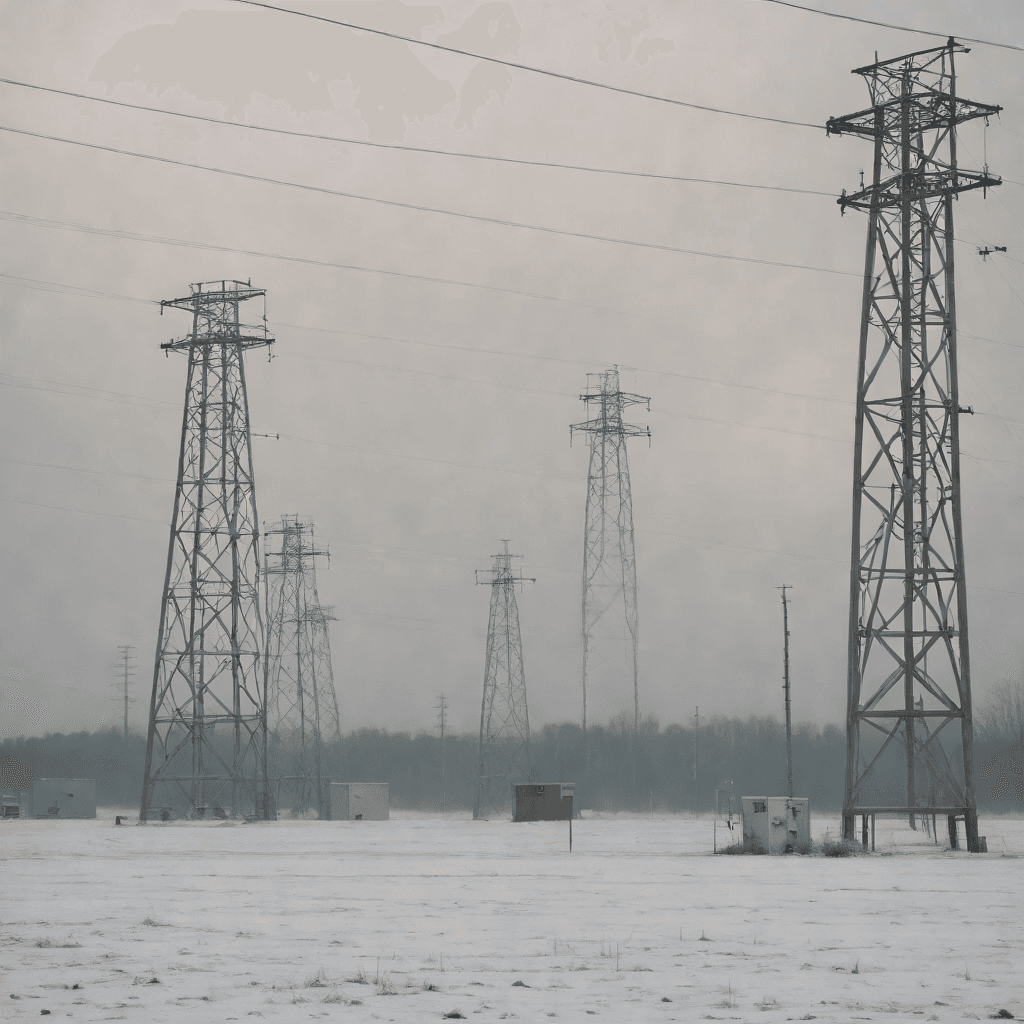
While the digital ecosystem convulses with laughter over a resurfaced clip, a far more tangible reality is freezing the American South. The "America First" infrastructure initiatives promised in the early days of the second Trump administration are facing their first lethal test. The deregulated energy markets in the Carolinas, intended to spur competition and lower prices, are currently buckling under the strain of an unseasonal cold snap. The "Carolina Freeze" is not just a weather event; it is a stress test for a grid that has seen delayed maintenance in favor of rapid, unchecked expansion.
For Sarah Miller, a resident of rural North Carolina, the "prison" meme offers no warmth. Her home has been without consistent power for forty-eight hours, a direct result of the load-shedding protocols enacted by regional utilities overwhelmed by the freeze. "I see people online arguing about Disney," she notes, monitoring her dwindling phone battery, "but nobody is talking about why our substations are failing three years after we were promised a modernized grid." Her experience underscores the disconnect: the digital public square is crowded with the ghosts of past culture wars, leaving no room for the urgent, unglamorous reality of failing transformers and freezing pipes.
Algorithmic Necromancy
The viral resurgence of the 2023 DeSantis-Disney feud is not a glitch; it is the calculated result of algorithmic necromancy. Social media platforms in 2026 continue to prioritize "high-arousal" engagement metrics—specifically the potent mix of political mockery and nostalgic outrage—over the chronological relevance of information. By resurfacing a three-year-old clip of a CNN panelist claiming her "stomach is hurting from laughing," the algorithm successfully anchors the American public in a settled past. This digital loop serves a dual purpose: it maximizes ad revenue through recycled controversy while simultaneously burying the complex, less "shareable" data regarding the ongoing 2026 infrastructure overload.
The market implications of this algorithmic behavior are stark, particularly under the current administration’s aggressive deregulation of tech platforms. By removing requirements for prominent timestamping and "truth-labels" on recirculated content, the administration has inadvertently allowed a "nostalgia market" to replace the news market. Investors and policy analysts are finding it increasingly difficult to communicate the nuances of the 15-year development agreement between Disney and the CFTOD because that data cannot compete with the "zombie" clip of a laughing pundit. The result is a constitutional and economic blind spot: a citizenry that debates the ghosts of 2023 while the infrastructure of 2026 quietly rusts.
Breaking the Time Loop
This phenomenon represents a critical failure in our information architecture. We have entered a "Laughter Loop," where the emotional satisfaction of mocking a political adversary—even based on obsolete data—outweighs the cognitive burden of addressing systemic collapse. The DeSantis clip is safe; the outcome is known, the settlement is signed. The Carolina crisis, conversely, is unfolding, complex, and indicts current policy decisions regarding federal oversight and utility resilience.
Breaking this loop requires a new form of civic discipline: temporal literacy. We must learn to vet the "when" of a story as rigorously as we vet the "who" or "what." The settlement agreement between Disney and the Oversight District didn't just end a lawsuit; it rendered the "prison" rhetoric obsolete, a fact that is readily available in the 2024 public records yet absent from the 2026 viral clips. When we allow a solved problem from the past to occupy the center stage of our attention economy, we are not just being distracted; we are effectively disarming ourselves against the actual threats of the Trump 2.0 era. The infrastructure crisis in the Carolinas will not be solved by re-litigating the culture wars of 2023, and every moment spent laughing at a zombie clip is a moment stolen from demanding accountability for the collapsing grids of today.
What do you think of this article?