Egypt's Secret Drone War: The Nile's Defense Goes Kinetic
Potatoes and Predators in the Western Desert
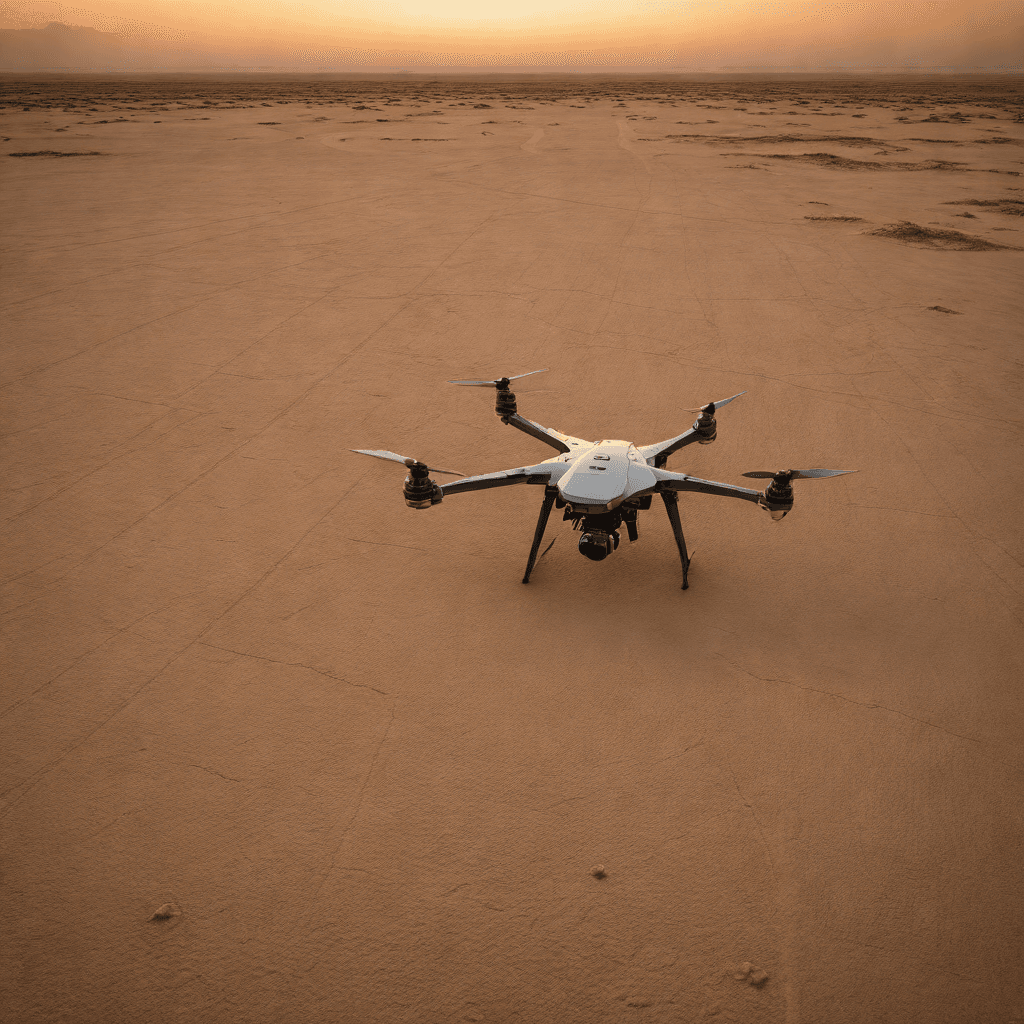
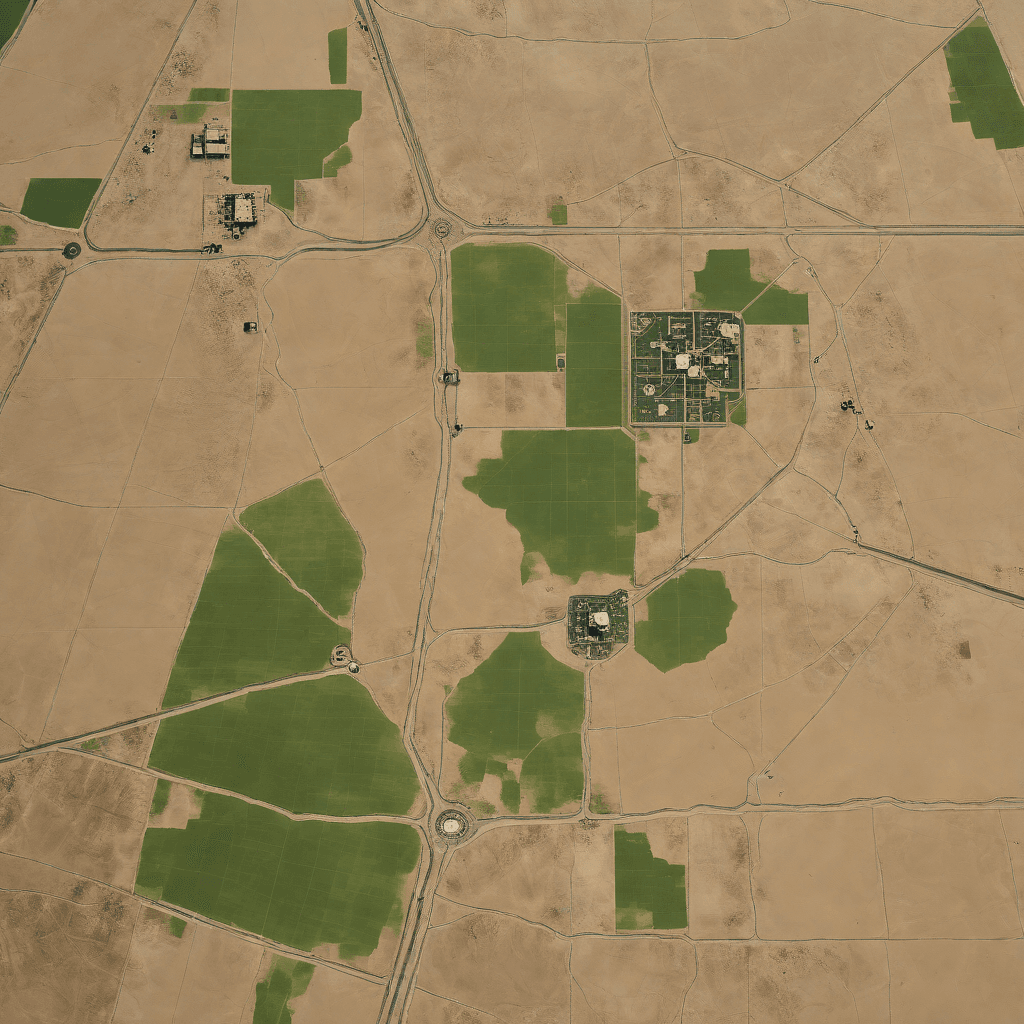
Deep in Egypt’s Western Desert, just north of the Sudanese border, the Sharq al-Oweinat project presents a facade of benign agricultural ambition. Satellite imagery from early 2026 reveals vast, verdant circles of pivot-irrigated farmland—officially designated for reclaiming the desert to grow wheat and potatoes for a population exceeding 115 million. However, a closer analysis of the facility’s airstrip exposes a far less pastoral reality: reinforced concrete hangars and extended runways that accommodate not crop dusters, but medium-altitude, long-endurance combat drones. This dual-use infrastructure physically embodies the collapse of Cairo's diplomatic neutrality, transforming a food security initiative into a forward operating base for a proxy war that has spilled over the banks of the Nile.
The strategic shift at Sharq al-Oweinat is a direct response to what Egyptian intelligence views as an existential encirclement by the United Arab Emirates. With the Trump administration’s "America First" doctrine signaling a retreat from active African conflict mediation, Egypt has been forced to abandon its reliance on traditional Western security umbrellas. The conflict on its southern flank, once viewed as a containment issue, has mutated into a foreign-backed siege, compelling Cairo to act unilaterally to prevent a hostile proxy force from controlling the upper Nile.
The Akinci Factor: Escalating the Geometry of War
The presence of military hardware at this remote outpost reveals a shift in the geometry of the Sudanese crisis that is far more consequential than mere escalation. While the Bayraktar TB2 defined the early phases of drone warfare in Ukraine and the Caucasus, the deployment of the Baykar Akinci—a high-altitude, long-endurance unmanned combat aerial vehicle—signals a profound transformation in Cairo’s tactical playbook. This twin-engine platform, capable of carrying a payload nearly ten times that of its predecessor, grants the Egyptian military the ability to project power deep into the Darfur region and the Chadian borderlands without the political and physical risks associated with manned fighter jets.
For military analysts, the deployment of the Akinci represents a definitive break from the doctrine of plausible deniability. Unlike smaller drones that merely harass convoys, the Akinci functions as a strategic bomber in a permissive airspace. It is equipped with sophisticated air-to-ground cruise missiles capable of severing logistical arteries. This escalation underscores a rapidly crystallizing axis between Cairo and Ankara; the integration of top-tier Turkish hardware into the Egyptian Air Force suggests a pragmatic realignment driven by shared anxiety over the UAE’s expanding footprint in the Horn of Africa. As noted by the UN Panel of Experts, the region has become a testing ground where powers are refining advanced drone warfare tactics, with the Akinci serving as the sharpest instrument in this new experimental arsenal.
The Encirclement Anxiety
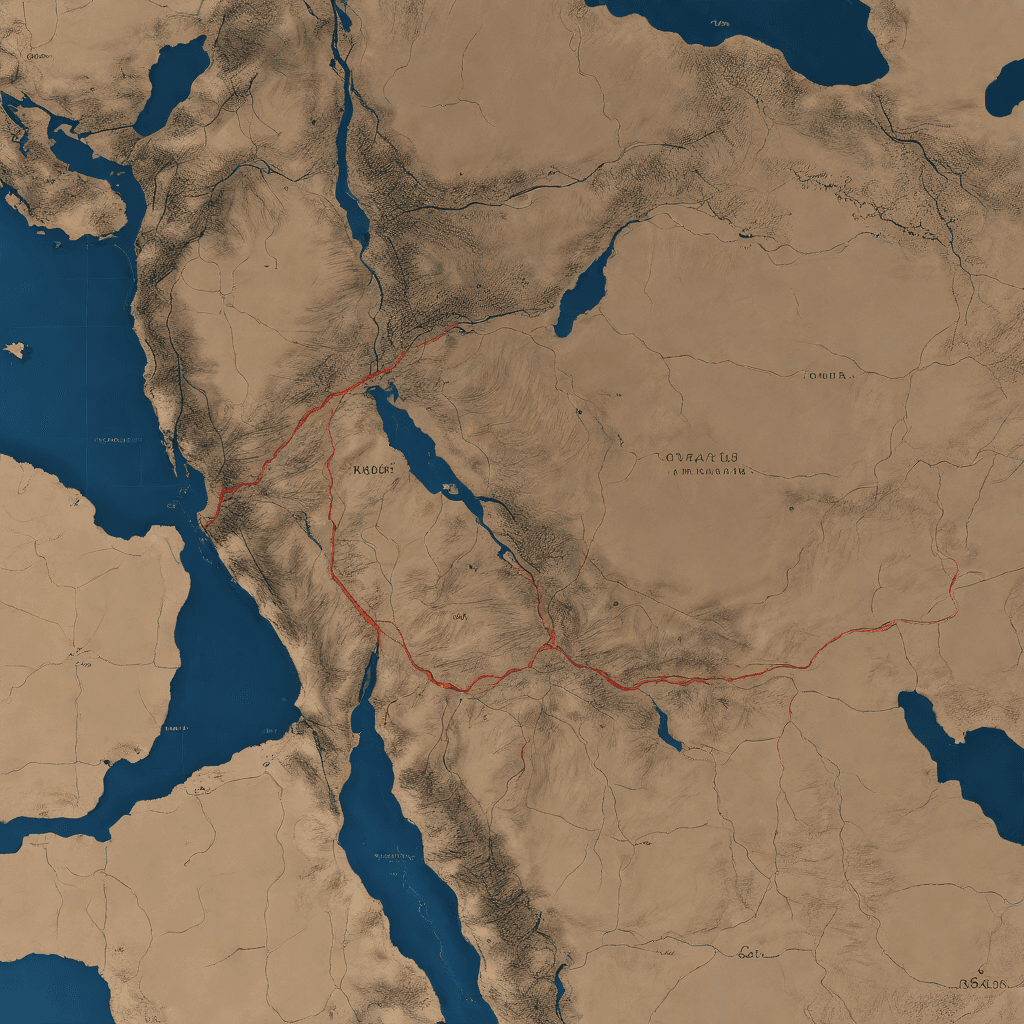
For Cairo, the nightmare scenario is no longer theoretical; it is being paved with asphalt on airstrips in Chad. The strategic calculus driving operations at Sharq al-Oweinat is rooted in a terrified realization that the conflict has metamorphosed into a geopolitical siege against Egypt itself. Reports dating back to the 2024 United Nations Panel of Experts on Sudan (S/2024/65) began to outline the logistics bridge to the Rapid Support Forces (RSF) via Amdjarass in Chad. In 2026, this pipeline remains a critical concern, with intelligence assessments suggesting a steady flow of munitions that effectively turns the internal conflict into a foreign-backed offensive.
For Egyptian President Abdel Fattah el-Sisi, these developments confirm a grim hypothesis: an RSF victory would effectively place Khartoum—and by extension, the middle reaches of the Nile—under the influence of a regional rival. This potential encirclement, beginning in Ethiopia and ending on Egypt’s southern border, poses an existential threat to the state's hydraulic hegemony. The transition from observer to belligerent has been marked by increasing kinetic activity. While official confirmations are rare, independent analysts and flight trackers have observed patterns consistent with airstrikes on supply lines near the Libyan border, targeting the very arteries identified by international investigators.
The Diplomatic Façade Cracks
Despite the mounting evidence of military capability at the border, Cairo maintains a rigid diplomatic firewall. The Egyptian Ministry of Foreign Affairs continues to issue formal denials, reiterating a policy of non-intervention and emphasizing its role in the "Neighboring Countries Summit" to facilitate humanitarian aid. This denialism serves a dual purpose: it allows Egypt to wage a necessary defensive campaign against encroachment without formally declaring war on the RSF's wealthy Gulf patrons.
However, the silence from the desert airbases is contradicted by the strategic reality on the ground. The RSF leadership has long accused Cairo of abandoning neutrality, viewing the technical upgrades of the Port Sudan government's fleet as direct evidence of Egyptian involvement. The divergence between Cairo's official words and its capabilities suggests a frantic calculation: the risk of diplomatic fallout is now outweighed by the terror of a hostile, UAE-aligned proxy state controlling the middle Nile.
A War With No Borders
The human cost of this high-tech proxy war is being buried under the shifting sands of the Sahara, obscured by the global distraction of the 'Trump 2.0' trade wars. While advanced munitions flow freely into the war zone, the humanitarian response is collapsing. Data from aid organizations highlights a staggering funding gap, creating a grotesque paradox where infinite capital is available for Turkish drones and foreign munitions, yet the international community cannot muster the funds to feed the displaced.
Ultimately, the unmasking of the Sharq al-Oweinat operations forces a re-evaluation of the Red Sea security architecture. Washington's 'America First' doctrine has largely delegated regional security to local hegemons, tacitly encouraging this kind of muscular, if covert, foreign policy. Egypt is no longer a referee; it is a combatant fighting a shadow war against a UAE-backed encirclement, driven by the primal fear that whoever controls Khartoum controls the water tap of the Nile. The question for the international community is no longer whether Egypt is intervening, but how long the fiction of its neutrality can sustain the chaotic status quo before the proxy war ignites a direct interstate conflict.
What do you think of this article?