The War on Warmth: Energy Workers as the New Frontline
The Night Shift at Ternivska
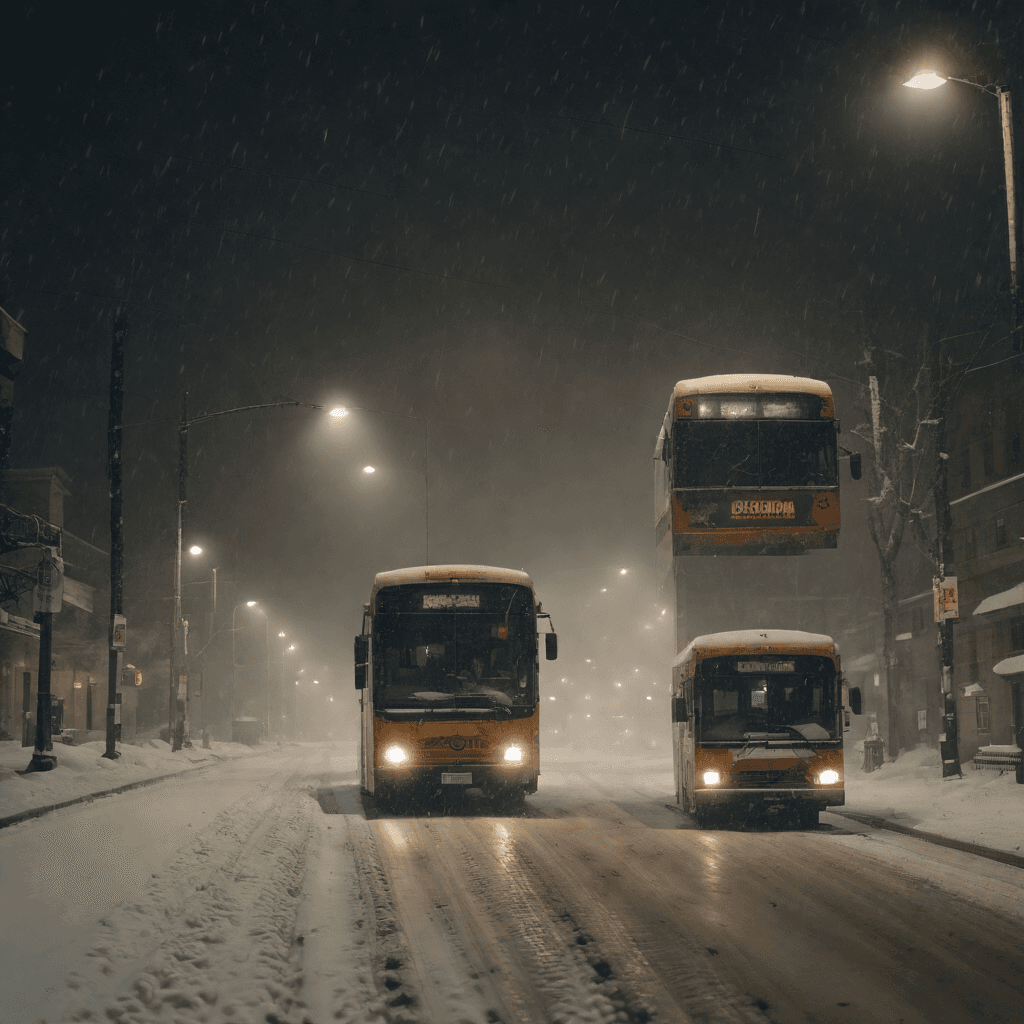
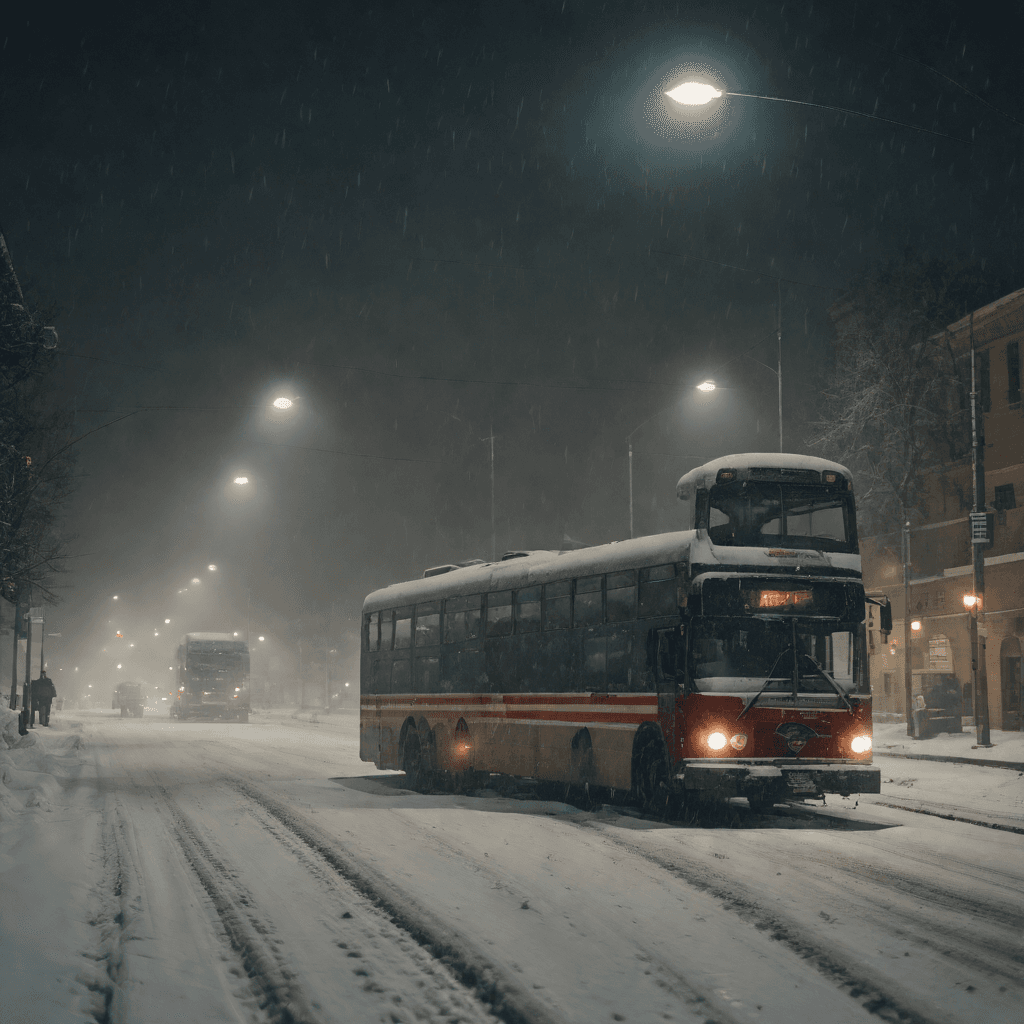
The distinction between the frontline and the factory floor vanished near midnight on February 1, 2026, on a frozen stretch of road outside Ternivka. A service bus carrying employees of DTEK, Ukraine’s largest private energy investor, was ferrying the specialized labor force required to keep the lights on in Dnipropetrovsk Oblast. A drone strike intercepted the vehicle, resulting in the deaths of 12 miners and injuries to at least eight others.
This incident represents a significant escalation in a conflict that has increasingly treated the electrical grid not just as infrastructure, but as a strategic hostage. The violence follows a brutal logic: while previous winters witnessed barrages focused on static substations and thermal plants, the direct targeting of a transit vehicle suggests a shift toward degrading the human capital essential for resilience.
Targeting the Human Grid
This tragedy occurs against a backdrop of a critically degraded national power system. Industry assessments indicate that Ukraine entered this winter with severely diminished generation capacity compared to pre-war levels. With a substantial portion of gas production infrastructure damaged, the margin for error has effectively evaporated.
The strategic implication is clear: this is a concerted effort to dismantle the operational continuity of Ukraine's power grid. By striking the workforce, the aggressor appears to be aiming to sever the cycle of repair and maintenance that has allowed the nation to defy total blackout. Transformers can be imported, and cables can be spliced, but seasoned high-voltage engineers and deep-seam miners cannot be easily replaced. This "personnel-targeted degradation" renders traditional hardening strategies obsolete, exposing a vulnerability where resilience is biological as well as mechanical.
Echoes in the American Grid
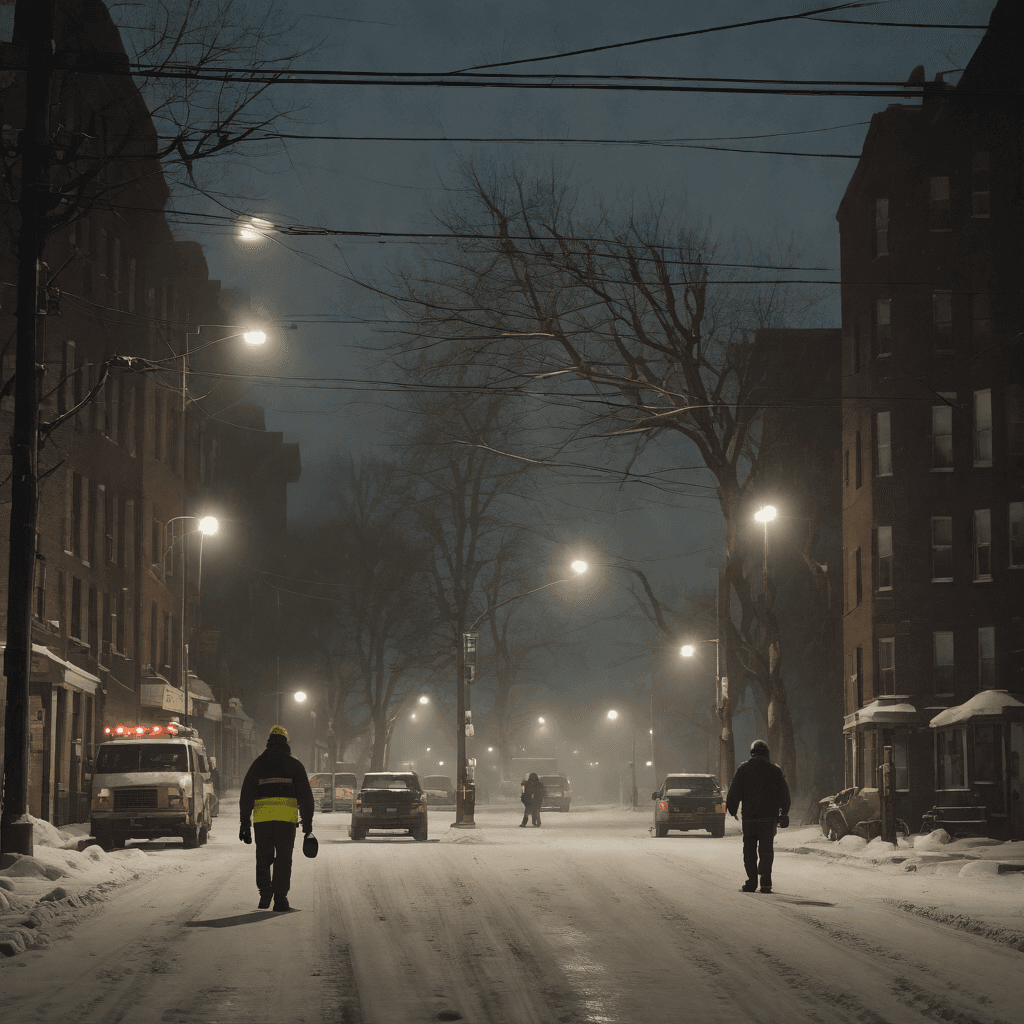
The distance between a smoldering service bus in Ukraine’s Dnipropetrovsk region and a frozen, silent substation in North Carolina is geopolitically vast, yet structurally nonexistent. While Ukraine faces kinetic bombardment, the United States faces a bombardment of neglect and systemic fragility. The "Carolina Cold Shock" currently paralyzing the Southeast operates on a similar principle of cascading failure. For residents facing their third day without heat, the cause of the outage—whether a hostile drone or a deregulated grid unable to withstand a polar vortex—is a distinction without a difference.
These parallels expose a critical vulnerability in the "America First" energy doctrine defined by the second Trump administration. The push for deregulation, sold as a means to unleash market efficiency and lower costs, assumes a stable operating environment. However, the fragility exposed in Ukraine is not unique to a war zone; it is a feature of centralized, exposed infrastructure in an era of asymmetric threats. This domestic vulnerability is exacerbated by the recent federal Digital ID collapse, known as "Dark Sunday," which has left infrastructure managers grappling with coordination challenges during emergency responses.
A World Without Safe Harbors
The drone strike near Pavlohrad signals a definitive shift in the architecture of modern conflict where the distinction between a combatant and a utility worker has been effectively erased. The "safe harbor" of civilian infrastructure is no longer recognized by actors seeking to force political instability through systemic collapse. This normalization of targeting the hands that keep the lights on creates a precedent that resonates far beyond Eastern Europe, challenging the security assumptions of energy grids globally.
As the US grapples with its own infrastructure crises, the global cost of securing these "combatant" grids is rising. The transition of energy workers from essential personnel to primary targets necessitates a radical reassessment of what constitutes national defense. If the very systems designed to sustain life are now the preferred instruments of attrition, the border between a theater of war and a civilian home has effectively vanished.
What do you think of this article?