Kennedy Center Closure: A Strategic Cultural 'Year Zero'
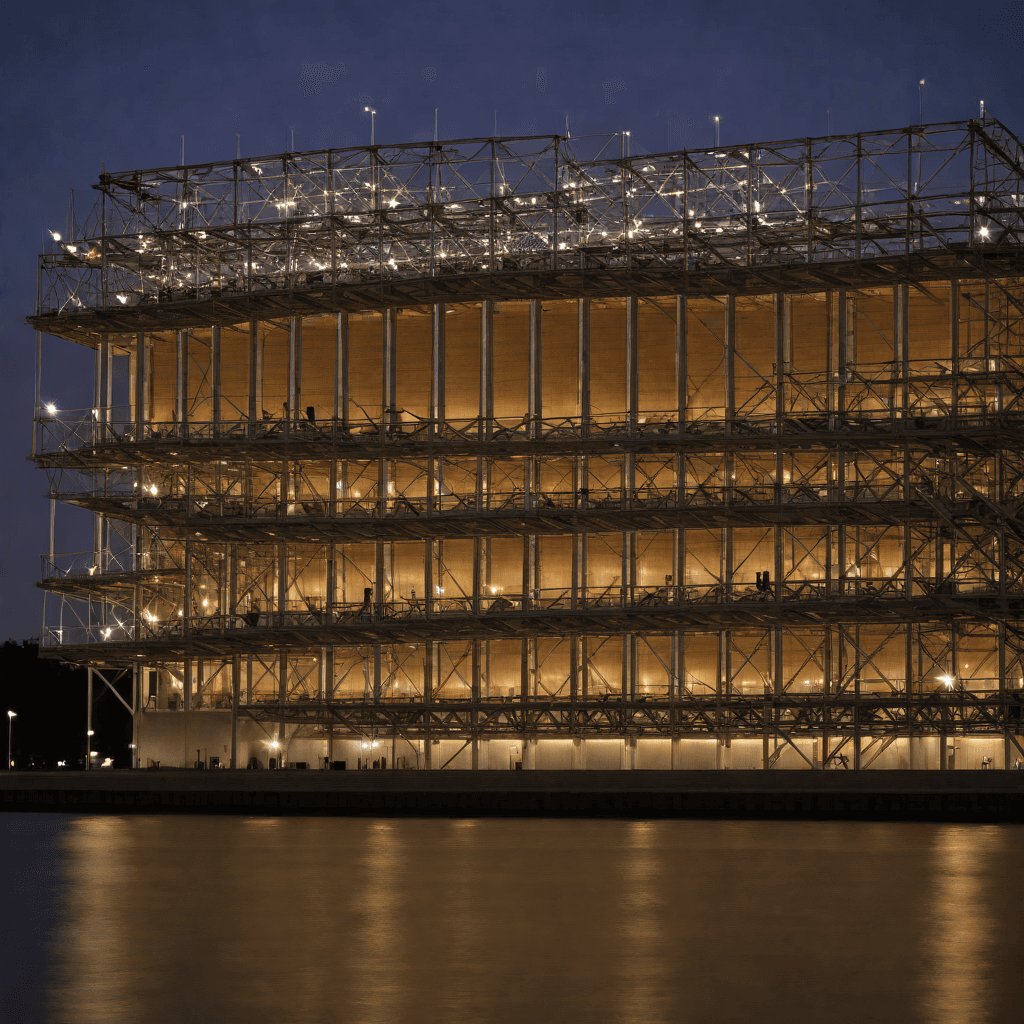
Silence on the Potomac
The announcement arrived with the blunt force of a wrecking ball, shattering months of delicate negotiations regarding the Kennedy Center’s capital repair schedule. In a move that caught the institution's senior leadership off guard, Donald Trump, acting in his capacity as Chairman of the Board, declared that the living memorial to JFK would cease all public operations for two years starting July 4, 2026.
Previous internal discussions had operated under the assumption that renovations would proceed in phases to keep the stages lit. Instead, the sudden pivot to a total shutdown has transformed a logistical challenge into a potent symbol of the administration's approach to federal cultural assets, effectively severing the capital’s artistic artery on Independence Day.
Structural Deficits or Ideological Debts?
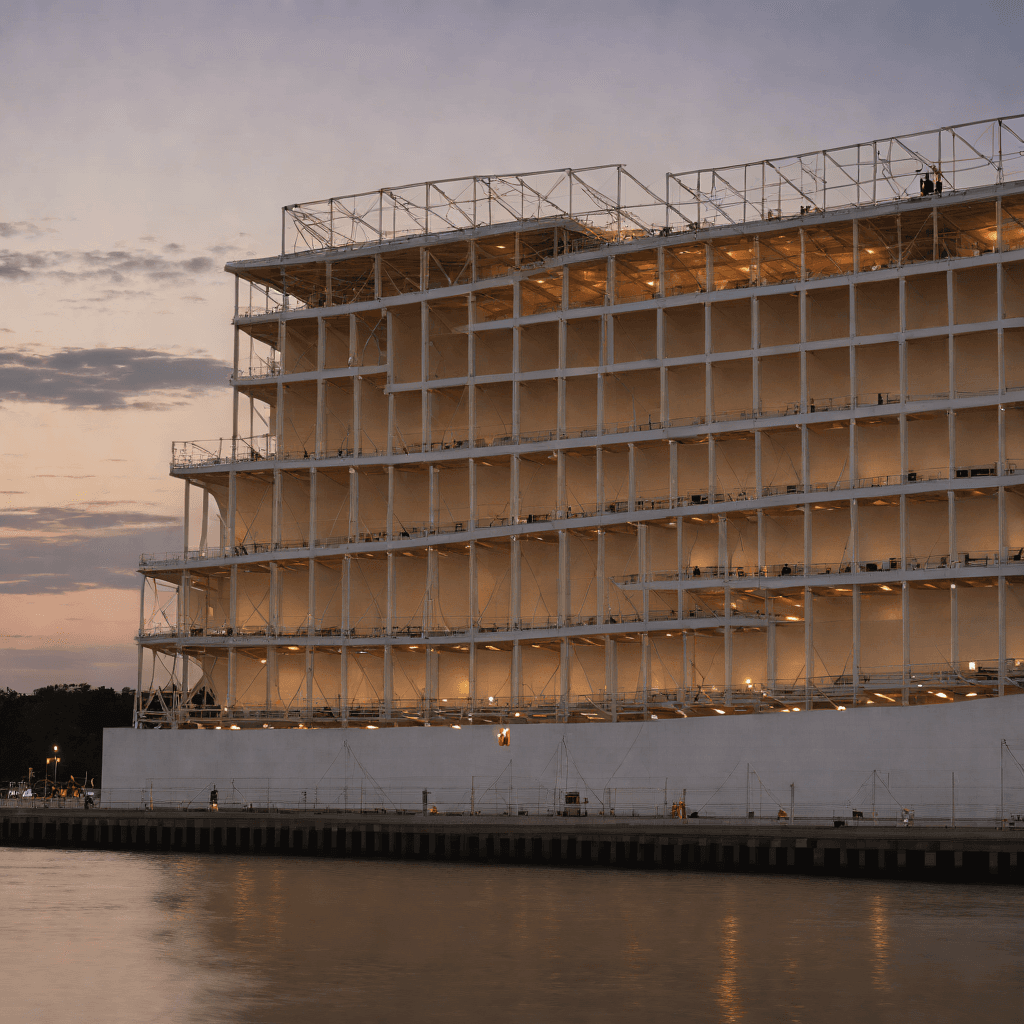
The official justification for the Kennedy Center’s unprecedented two-year hiatus rests on a narrative of physical necessity. The Board has characterized the shutdown as essential for "Construction, Revitalization, and Complete Rebuilding," painting a picture of a national monument in need of rescue. However, this assessment contrasts with the institution's standard financial disclosures.
The discrepancy between the stated crisis and the institution's prior operating requests suggests that the drivers behind this decision extend beyond concrete and steel. While standard budget justifications typically cover routine operations and capital repair, the administration has secured a substantial supplemental funding package to underwrite this specific reconstruction effort.
The magnitude of this new appropriation—significantly larger than typical maintenance requests—has drawn scrutiny from legislative overseers. Democratic lawmakers have questioned the opacity surrounding the architectural plans, suggesting the goal may be a fundamental reimagining of the physical space rather than mere preservation.
The Gilded Blueprint
The abruptness of the decision further undermines the narrative of a simple structural failure, indicating a top-down directive. The move appears to overrule existing management strategies that favored continuity.
Furthermore, the financial health of the Center argues against a fiscal inability to maintain operations. Ric Grenell, the Kennedy Center President appointed to steer the institution, had recently touted a fundraising windfall. Despite this solvency, the institution is being shuttered.
Grenell has dismissed the ensuing backlash, framing the resistance as partisan. However, the shift in operational status remains distinct. The funds allocated for "reconstruction" appear to function as a down payment on a cultural "Year Zero," designed to physically and financially displace the existing artistic order.
2028: The Unveiling of a New Canon
The choice of July 4th as the commencement date for this silence marks a definitive break in the continuum of American cultural diplomacy. By turning off the lights on the nation's birthday, the administration imposes a physical hiatus that mirrors broader shifts in policy.
Washington policy insiders note that this two-year void creates a vacuum. When the doors reopen in 2028, the programming, the patronage, and potentially the institutional identity will reflect a nationalist canon distinct from the internationalist vision of 1971. The "Concrete Curtain" descending on the Potomac serves as a demarcation line between the old cultural order and the new.
This "strategic pause" allows for a dismantling of existing curatorial teams and programming contracts under the guise of logistical necessity. When the institution re-emerges, it is positioned to serve as a stage for the "America First" aesthetic, cementing a new cultural direction for the second term.
What do you think of this article?