The Kennedy Center Siege: Why the 'Rebuild' Signals a Cultural Shift
Silence on the Potomac
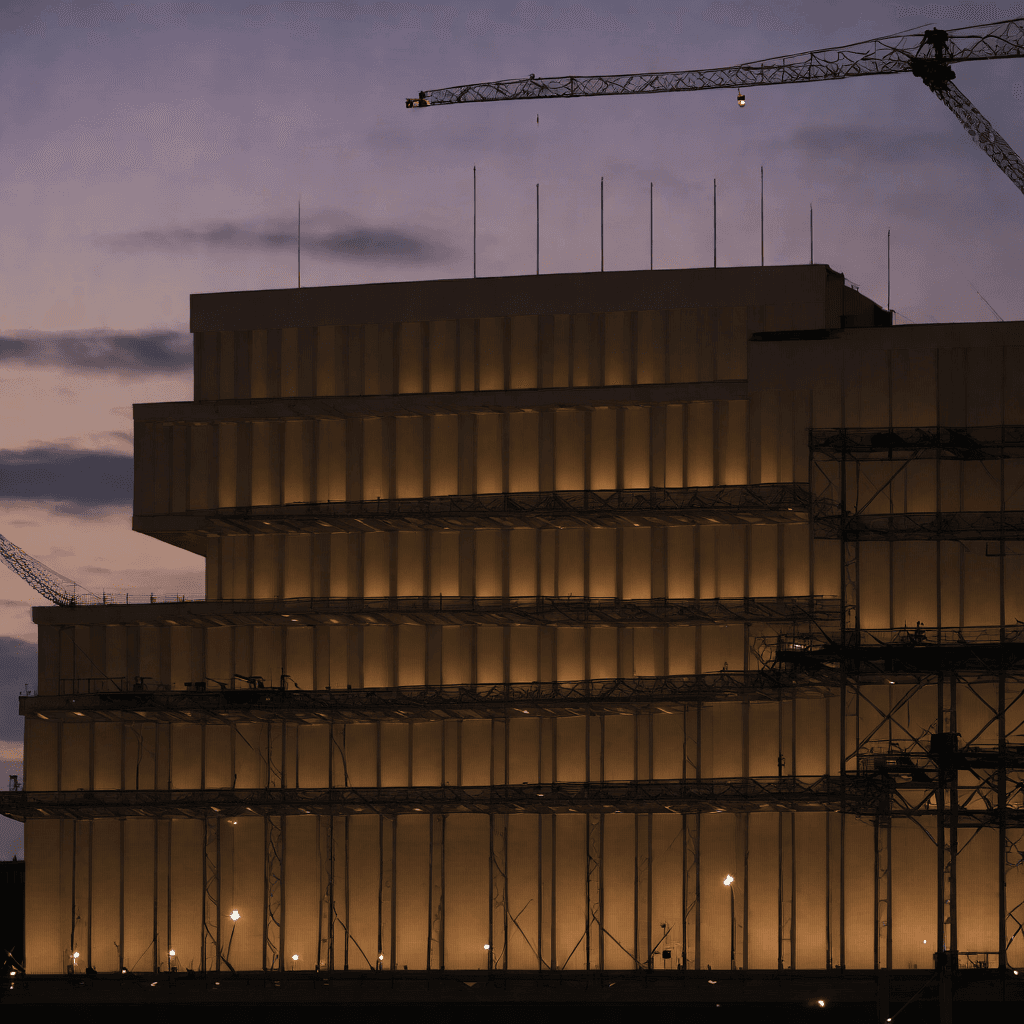
As Washington prepares for the semi-quincentennial celebrations, a profound silence is descending upon the banks of the Potomac. The John F. Kennedy Center for the Performing Arts, long the granite anchor of the capital's cultural life, faces an existential intermission that many fear will become a permanent curtain call. The upcoming July 4, 2026 closure—scheduled to last two years—ostensibly serves the purposes of renovation, yet the timing and the surrounding political rhetoric suggest a far more radical objective. This is not merely a repair of Edward Durell Stone's aging marble facade; it is the opening salvo in a calculated siege against the physical symbols of the old establishment, timed to leave the nation's premier stage dark during its most significant patriotic anniversary.
The administrative justification for this drastic measure rests on a foundation of crumbling balance sheets that the new board has been all too eager to publicize as evidence of systemic failure. The narrative emerging from the White House reframes the Center's struggles not as a failure of arts funding, but as a rejection by the market itself, validating the 'America First' critique of subsidized high culture.
The 'Complete Rebuilding' Directive
The language of "renovation" usually suggests preservation—a careful restoration of what already exists. However, the directive issued on February 1, 2026, by Chairman Donald Trump employs a far more aggressive lexicon: "Construction, revitalization and complete rebuilding." This semantic shift is not accidental. It signals that the impending two-year closure is less about repairing the 1971 brutalist landmark and more about fundamentally overwriting it. By framing the project as a "rebuilding," the administration has effectively categorized the existing structure—and the cultural era it represents—as condemned, clearing the psychological ground for what insiders speculate could be renamed the 'Trump Kennedy Center'.
This perceived financial vulnerability has allowed President Trump, acting in his capacity as the appointed Chairman of the Board, to unilaterally dictate the terms of the Center's future. The controversial proposal to rename the institution serves as the clearest signal of this intent: a branding merger that subsumes the legacy of the Democratic icon into the current administration's architectural aesthetic. The closure, therefore, is not a pause, but a chrysalis phase from which a fundamentally different institution is intended to emerge—one where the programming may be as reconstructed as the concrete.
The Red Ink Mandate
While the scaffolding of the upcoming construction project is steel and concrete, the foundation of the Kennedy Center's crisis is composed of red ink. The justification for this radical intervention rests on a foundation of what the new board describes as catastrophic financial performance. To Washington’s cultural gatekeepers, the closure order felt sudden, but the narrative of insolvency had been carefully curated.
Financial overseers appointed by the new board have painted a grim picture, citing "unsustainable structural deficits" and a sharp erosion in the subscriber base. Rather than seeking traditional congressional gap-funding, these internal assessments have been leveraged to argue that the Center's current operational model is obsolete. By framing the institution as a distressed asset, the administration has effectively stripped the Center of its financial independence, arguing that the old way of doing business—and by extension, the building that housed it—requires a "total reset."
Exile of the Arts
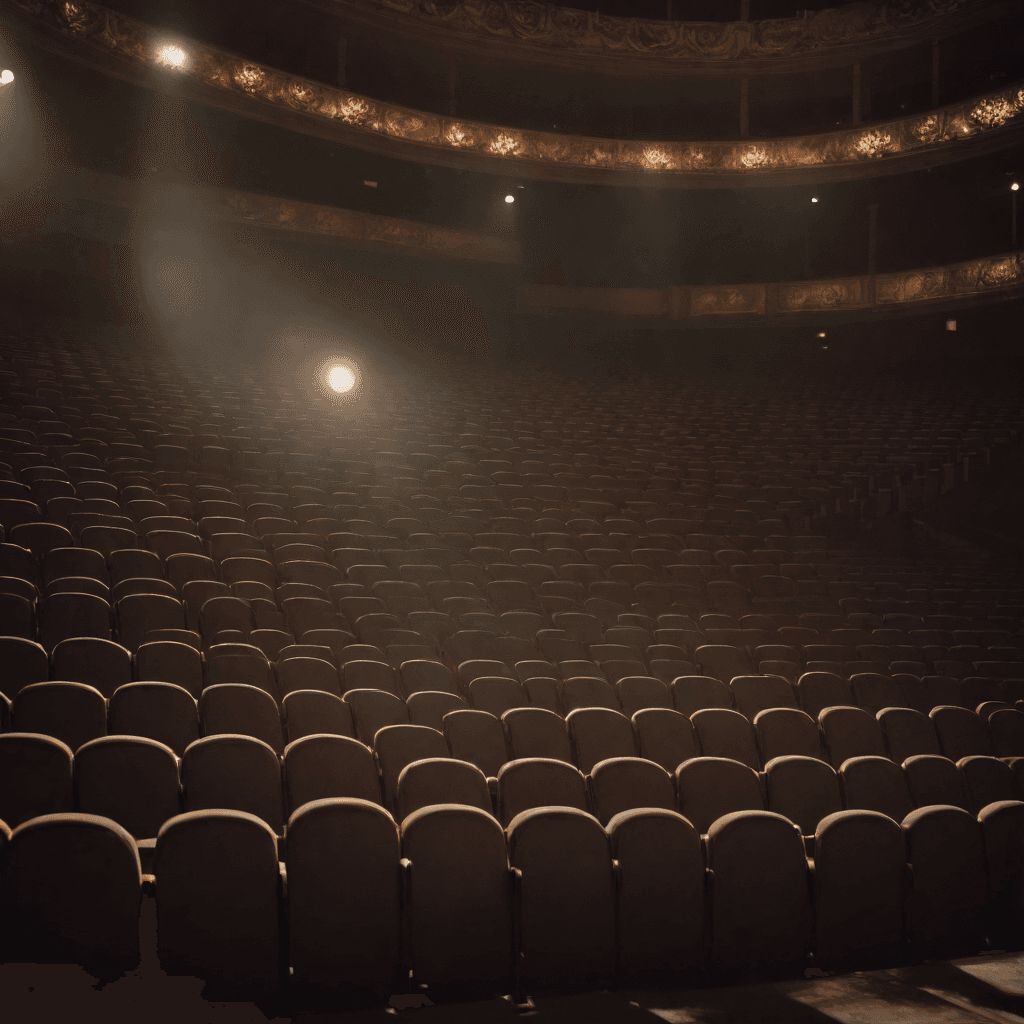
The result is a forced exile of the capital’s artistic soul, displacing institutions like the National Symphony Orchestra into a decentralized wilderness. With the physical stage commandeered for renovation, the "Exile of the Arts" creates a vacuum in the city's social calendar, forcing high-culture performances into church basements and private venues across the District. This fragmentation serves a dual purpose: it dissolves the centralized gathering power of the "old establishment" elite while clearing the deck for a reopening in 2028 that will likely feature a curatorial voice vastly different from the liberal consensus that has governed the Kennedy Center since its inception.
The "complete rebuilding" mandate is therefore a dual-pronged siege: it uses the narrative of financial insolvency to dismantle the programmatic independence of the center, while leveraging the physical closure to drape a new, neoclassical "America First" aesthetic over the bones of the old establishment. The red ink on the ledger has become the primary color in the palette of the center's redesign.
What do you think of this article?