The Border Is Everywhere: Alex Pretti and the End of the American Interior
A War Zone in the Driveway
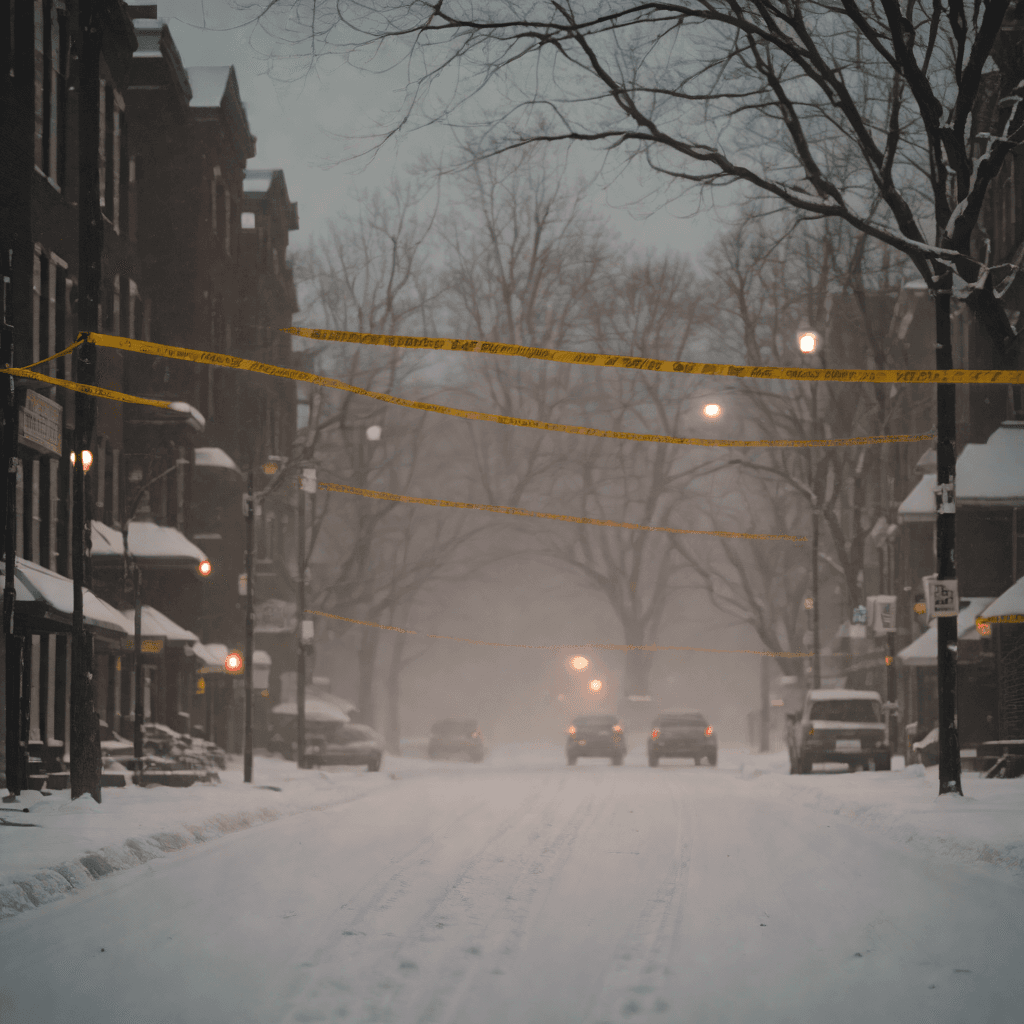
For Sarah Miller (a pseudonym), the sound that shattered the predawn quiet of her Minneapolis cul-de-sac last Tuesday wasn't the familiar revving of snowblowers, but the sharp, alien crack of gunfire. At 6:15 a.m. on January 26, the temperature was hovering near zero—a typically brutal Minnesota morning—when Alex Pretti pulled into his driveway. Still wearing his navy blue scrubs from a twelve-hour shift at Hennepin Healthcare’s ICU, Pretti was not an undocumented fugitive or a trafficker; he was a fatigued medical professional returning to the sanctuary of his home. Yet, within three minutes of his arrival, that sanctuary was designated a federal enforcement zone, and Pretti lay bleeding on the asphalt, the victim of a collision between aggressive border enforcement mandates and failing technology.
The fatal sequence of events began not with a warrant, but with a glitch. According to preliminary police reports filed before today's federal data freeze, the tactical unit from Customs and Border Protection (CBP) had flagged Pretti’s vehicle based on a license plate reader error earlier that morning. When agents initiated the stop in his driveway, their mobile biometric scanners—legacy devices widely criticized by the GAO in a 2025 infrastructure report—failed to connect to the central database. This specific connectivity failure, occurring a full week before the massive "Dark Sunday" identity collapse that has since paralyzed Washington, was not an anomaly but a warning sign of the deep-seated digital rot plaguing federal agencies. In that critical window of digital silence, agents were operating blind, trained by new directives to treat "verification unavailability" as probable cause for high-risk engagement.

The tragedy lies in the asymmetry of the reaction. Witnesses state that Pretti, likely exhausted and confused by the sudden swarm of tactical lights, reached into his vehicle, presumably for the hospital ID that hung from his rearview mirror. For the agents, primed by an administration that has repeatedly characterized the northern border as a "vector of silent invasion," the movement was interpreted as a lethal threat. The subsequent discharge of a service weapon was immediate. There was no de-escalation, no verbal negotiation—only the binary logic of enforcement applied to a glitch. "He wasn't running," Miller told local reporters hours after the incident. "He was just trying to show them who he was. And now, they say the system was down? That’s why he’s dead? Because their internet didn't work?"
Invisible Martial Law: The Border is Everywhere
While the nation’s attention is currently hijacked by the cascading failures of "Dark Sunday," which has left federal identity databases largely offline since this morning, a far more visceral system failure occurred six days ago—one that required no software to execute. The fatal shooting of Alex Pretti did not stem from a glitch in the Department of Homeland Security’s servers alone, but from the efficient, intended functioning of an expanded border enforcement apparatus. The blackout crippling Washington today may be obscuring the investigation, but it cannot be blamed for the raid itself; that operation was the product of a legal architecture constructed long before the servers went dark.
The incident highlights a reality that constitutional scholars have warned about for years: the "100-mile border zone" has effectively swallowed the American interior. Under current federal regulations, reaffirmed by the Trump administration’s "Secure the Core" initiative in late 2025, CBP agents possess extraordinary warrantless search powers within 100 miles of any external boundary. For Minneapolis, situated roughly 150 miles from the Canadian border but home to an international airport designated as a "functional border entry," the distinction has proven lethal. Legal definitions of the border have become elastic, stretching to encompass residential neighborhoods that families like Pretti’s considered safely inland.
For residents of the quiet Twin Cities neighborhood where the raid took place, the abstract debate over jurisdiction became terrifyingly concrete. Miller described a scene more reminiscent of a conflict zone than domestic policing. "They didn't identify themselves as police," she recounts, noting the distinct lack of local precinct markings on the tactical gear. "It was efficient, silent, and overwhelming. We are used to thinking of the border as a line on a map in Texas, not a van parked across from a chaotic front lawn in Minnesota." Her testimony underscores the shift: the "border" is no longer a geographic edge, but a mobile legal status that travels with federal agents.
The Smear Machine vs. The Reality
For seventy-two hours following the shooting, the digital character assassination of Alex Pretti moved faster than the official investigation. While Pretti’s family was still identifying his body at the Hennepin County Medical Examiner’s office, a coordinated wave of anonymous leaks—amplified by bot networks now familiar to any observer of the 2026 information ecosystem—began painting the 24-year-old logistics coordinator as a "high-risk smuggler" and a "known radical." These claims, circulated under the trending tag #SickeningLies, relied entirely on the assertion that the Department of Homeland Security’s predictive threat algorithms had flagged him for cause. The narrative was simple and brutal: the machine does not make mistakes, so the dead man must have been guilty.
However, the forensic reality emerging from the scene tells a story of systemic rot rather than individual criminality. We now know that the "threat flag" that doomed Pretti last Tuesday was not the result of intelligence gathering, but a software hallucination—a "phantom positive" generated by the same decaying biometric infrastructure that would ultimately suffer a catastrophic, nationwide collapse just six days later on 'Dark Sunday.' The tragic irony is that the scanner error which misidentified the phone in Pretti’s hand as a weaponized drone controller was running on the precise legacy code stack that cybersecurity watchdogs have been begging the administration to overhaul for eighteen months. The glitch was not an anomaly; it was a warning shot that the federal government ignored until the entire system crashed this morning.
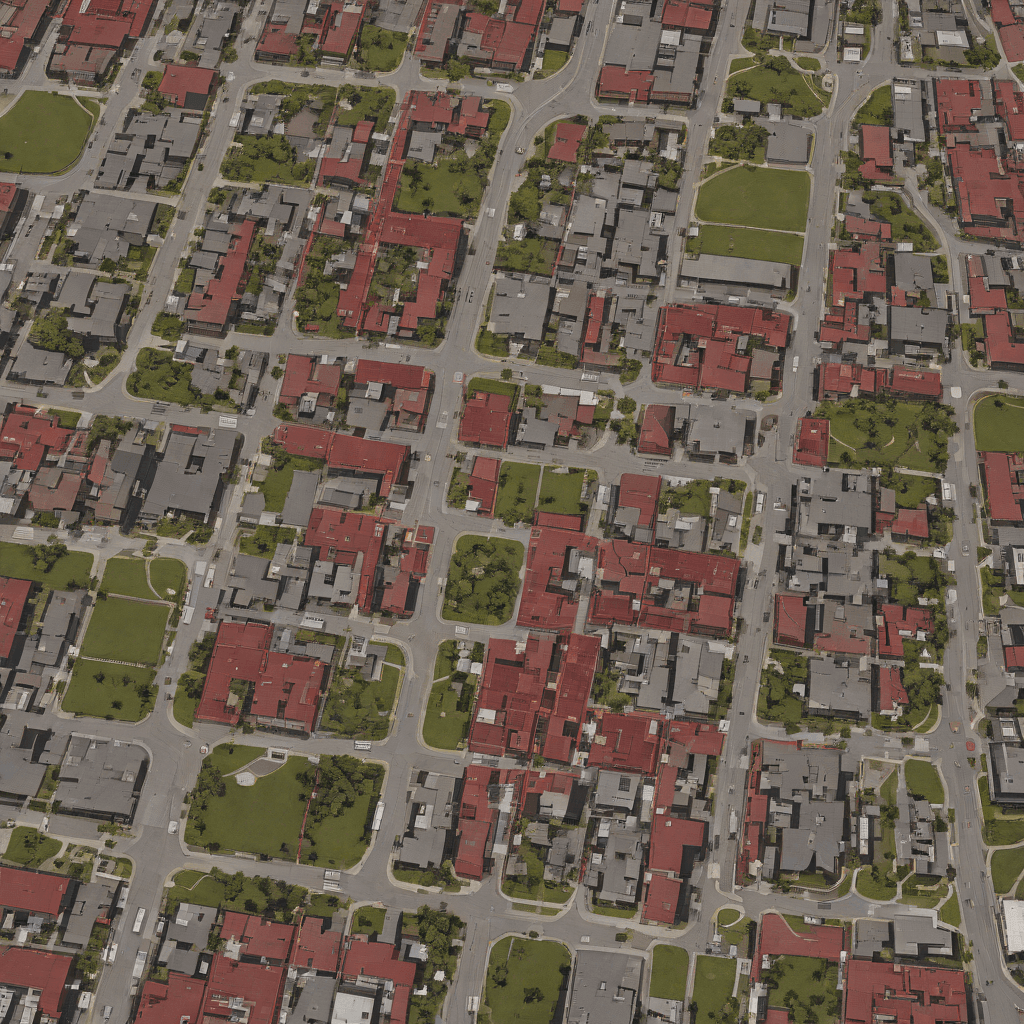
This incident has effectively shattered the theoretical firewall protecting the interior from the border’s legal grey zones. For decades, the ACLU and constitutional scholars warned that the "100-mile zone"—which encompasses nearly two-thirds of the US population—would eventually turn American cities into constitution-free zones. With Pretti’s death, that abstraction has become visceral. We are no longer debating whether Fourth Amendment protections apply to electronic searches at the border; we are facing a reality where domestic police powers are being automated on a platform so unstable that it cannot distinguish a suburban resident from a national security threat. The administration’s push for "frictionless security" has achieved the exact opposite: a surveillance state that is both omnipresent and functionally blind.
Dark Sunday and the Erosion of Trust
The catastrophic failure of federal identity databases this morning—already being termed "Dark Sunday"—has done more than halt passport renewals or freeze Social Security portals. In the context of the widened "100-mile border zone," the blackout has abruptly removed the only objective tether restraining an increasingly militarized enforcement apparatus: the ability to verify who a citizen is. For legal scholars and civil liberties advocates, the timing of this digital collapse is not merely inconvenient; it is terrifying, serving as a force multiplier for the aggressive tactical shifts exposed just days ago.
The lethal consequences of this "shoot-first, verify-later" posture were tragic reality well before today’s screens went black. The death of Alex Pretti signaled that the legal distinction between the border and the interior was dissolving; Dark Sunday has confirmed that the technological safeguards meant to manage that transition are equally fragile. We have entered a period where the enforcement mandate is absolute, but the tools to execute it justly are broken. In this new reality, every unverified citizen is potentially a suspect, and as the Pretti case vividly illustrates, the price of a misunderstanding can be fatal.
What do you think of this article?