Newsom's Gambit: Calculated Vulnerability in the Age of Trump 2.0
Beyond the French Laundry Shadow
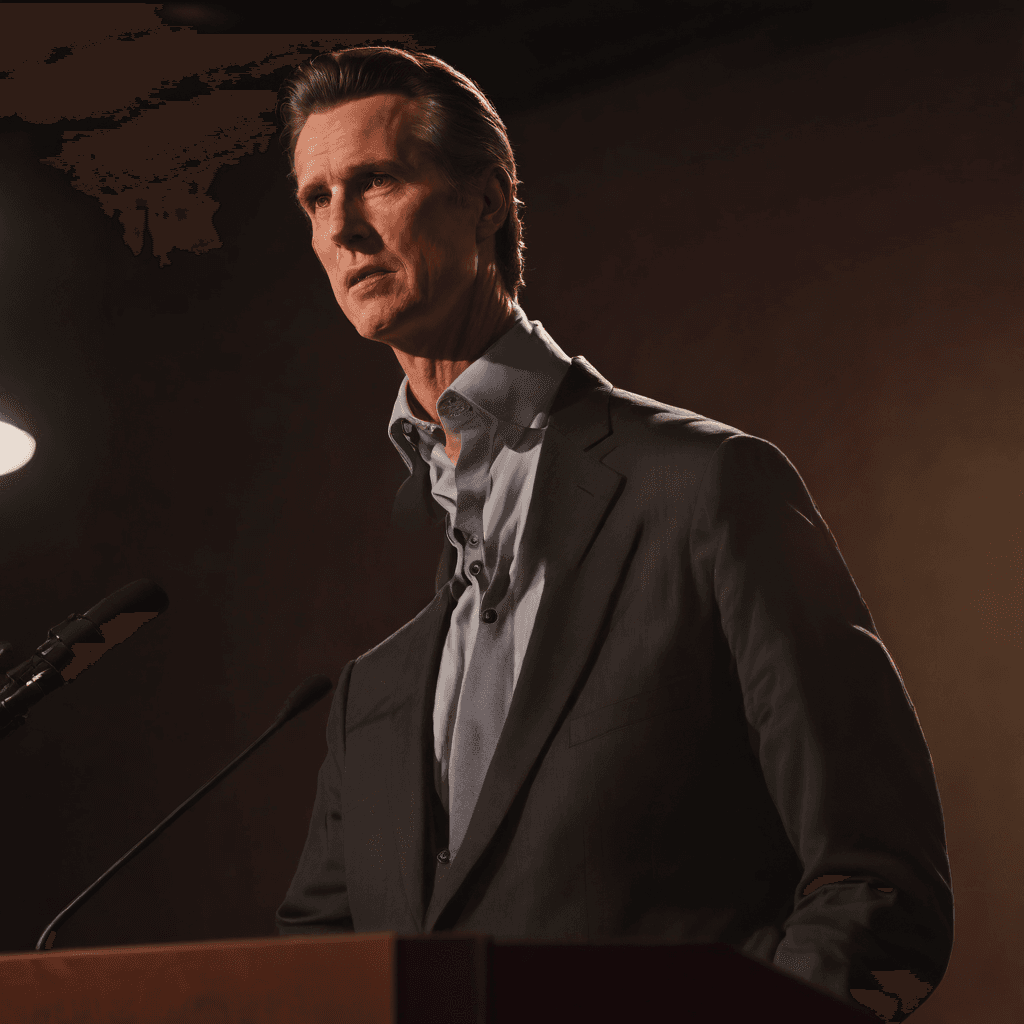
For years, the enduring image of Gavin Newsom has been defined by a single dinner at the French Laundry—a moment frozen in the public consciousness that crystallized the archetype of the "rules for thee, but not for me" coastal elite. In the current political landscape of 2026, where President Trump’s populist "America First" rhetoric continues to dominate the narrative, this lingering perception has served as a potent weapon for the Republican establishment. It effectively frames Newsom as the embodiment of the detached aristocracy.
However, the release of his latest memoir signals a sophisticated, data-driven effort to dismantle this caricature. He is attempting to replace the polished technocrat with a far grittier avatar: the dyslexic son of a struggling single mother who fought his way up from the bottom. This narrative pivot is not merely biographical housekeeping; it is a calculated strategic response to the "relatability gap" that political analysts have long identified as the primary obstacle to his national ambitions.
The Dyslexia Defense
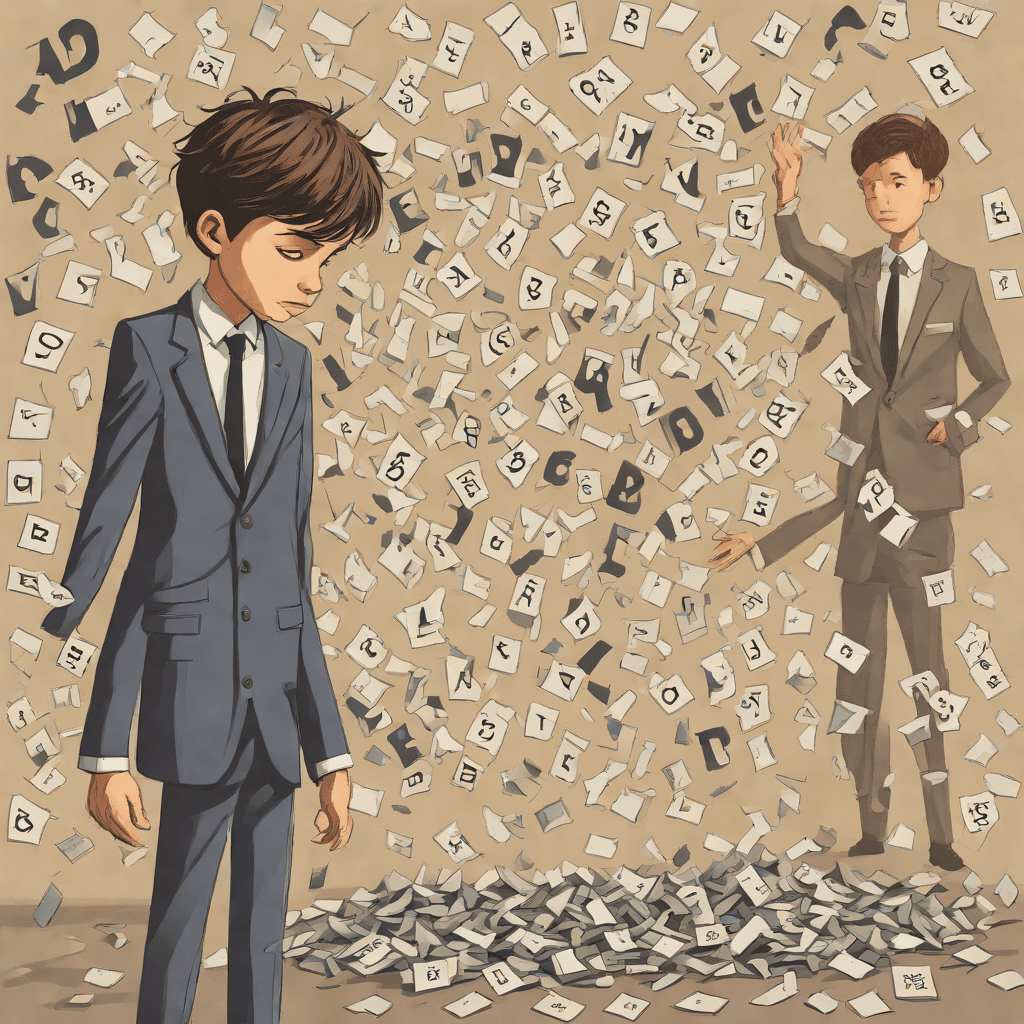
Rather than focusing on his tenure managing the world's fifth-largest economy or his connections to the Getty fortune, the memoir meticulously details his early battles with severe learning disabilities and the financial precarity of his childhood. By emphasizing these themes, Newsom attempts to forge an emotional tether to the working-class voters in the Rust Belt who abandoned the Democratic party for Trump. He suggests that behind the hair gel and tailored suits lies a man who understands the humiliation of systemic failure.
Newsom offers a psychological explanation for his polished exterior: it wasn't born of arrogance, he argues, but of a desperate need to hide a disability he couldn't control. He recounts the terror of being called upon to read in class and the "shame that burns hot enough to weld armor onto a personality." By highlighting his reliance on audiobooks and the sheer cognitive load required to memorize speeches that others read effortlessly from teleprompters, the memoir seeks to reclassify his distinct speaking style not as slick lawyer-speak, but as a survival mechanism.
Weaponizing Humility for 2028
This strategy presents a stark, calculated contrast to the ethos of the Trump 2.0 White House. In an era currently defined by the administration’s projection of unyielding strength and the aggressive dismantling of regulatory frameworks, Newsom is placing a contrarian bet: that the American electorate is becoming fatigued by the performance of invincibility. While the President governs through the lens of dominance—using executive orders to enforce "America First" deregulation—Newsom is auditing for empathy.
He is wagering that by 2028, the pendulum will swing back toward a desire for a leader who acknowledges human frailty over one who claims to embody absolute power. Newsom aggressively pushes back against the narrative that he is a product of the Getty family fortune. Instead, he highlights the reality of being raised by a single mother who worked three jobs, detailing the anxiety of living paycheck to paycheck in a city that was rapidly becoming unaffordable.
The Authenticity Trap
However, this narrative pivot faces a formidable barrier: the deep-seated skepticism of an electorate conditioned to view political evolution as calculated maneuvering rather than genuine growth. For Newsom, the challenge is not merely telling a new story, but overriding the visual memory of the old one. Political analysts note that the transition from the "French Laundry elitist" to the "scrappy defender of the working class" creates a jarring cognitive dissonance.
In the unforgiving attention economy of 2026, where digital archives ensure no past misstep is ever truly buried, this rebranding risks being perceived not as a confession, but as a marketing campaign. For voters like David Chen (pseudonym), a small business owner in Nevada grappling with the economic volatility of the current deregulation era, the pivot feels like a "costume change" rather than a genuine ideological alignment.
Critics argue there is a fundamental disconnect in preaching working-class solidarity while presiding over a state economy defined by extreme wealth disparity and an exodus of middle-income families. When a leader synonymous with Silicon Valley prosperity attempts to co-opt the language of the "forgotten man," the effort can backfire, appearing to voters in the Rust Belt not as empathy, but as performative condescension.

The Verdict: A High-Stakes Gamble
Ultimately, the danger for Newsom lies in the "Uncanny Valley" of political relatability. Much like AI-generated art that feels slightly off, a politician’s attempt to manufacture intimacy can repel voters if the seams show. Focus groups and sentiment tracking throughout the mid-2020s have consistently shown that voters prioritize "rough edges" over "smooth explanations."
If Newsom’s vulnerability feels curated—if the "struggle" feels like a meticulously drafted chapter rather than a lived reality—he risks alienating the very demographic he seeks to court. The memoir may succeed as a literary work, but as a political device, it gambles on the hope that voters are willing to suspend their disbelief and accept the messenger as much as the message. The success of this rebranding hinges on whether Newsom can convince voters that understanding struggle is a prerequisite for ending it, or if they will continue to see the shadow of the French Laundry looming behind the humble facade.
What do you think of this article?