The Optimus Paradox: Why America's Robot Future Beats with a Chinese Heart
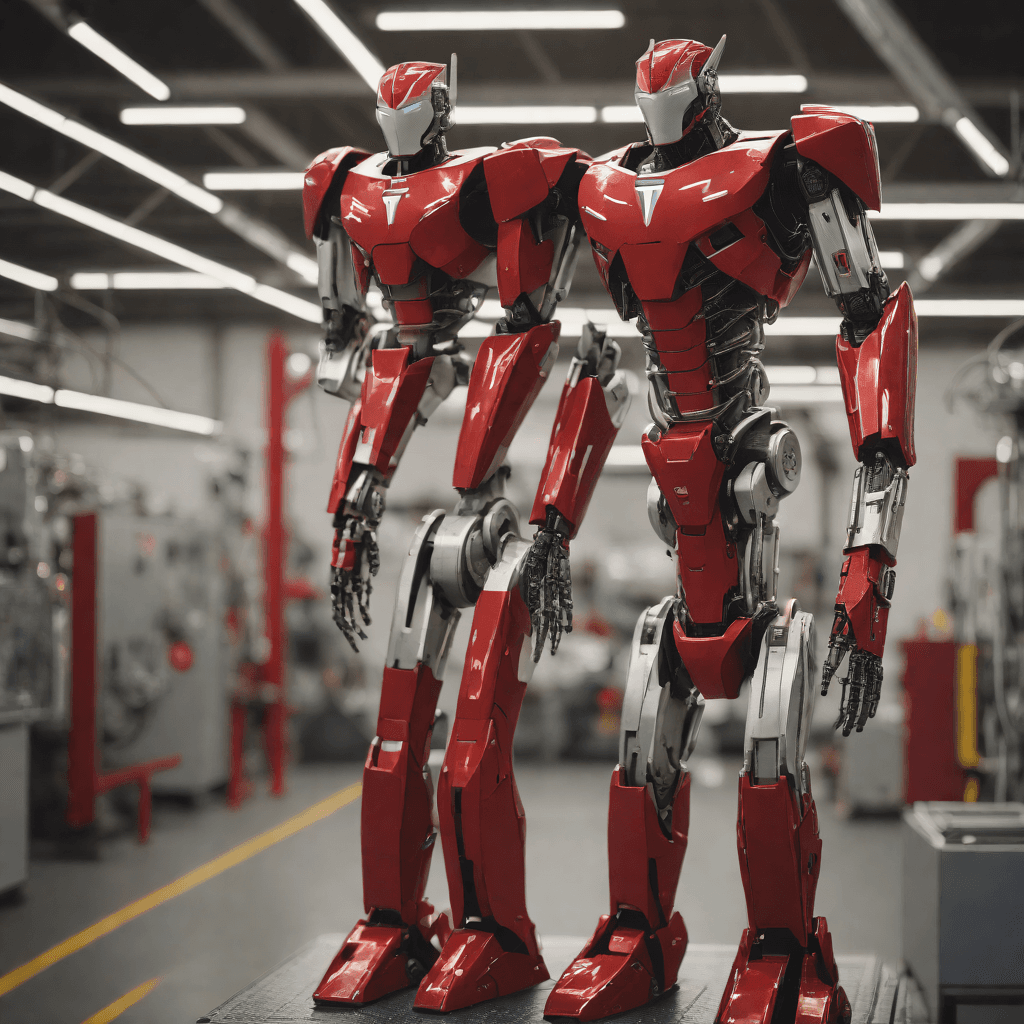
On the surface, the latest iteration of Optimus standing in the Austin Giga-Laboratory represents the zenith of the Trump administration's reindustrialization promise: a sleek, bipedal testament to American deregulation and unbounded innovation. However, beneath the stamped aluminum chassis lies a complex reality that defies the 'America First' narrative dominating Washington in 2026. While the final assembly takes place on Texas soil, the robot’s kinetic soul—its actuators, harmonic drives, and sensory feedback loops—remains stubbornly tethered to the 'Optimus Chain,' a supply network that analysts note is structurally identical to the Apple supply chain of the previous decade: designed in California, but forged in the industrial clusters of Ningbo and Shenzhen.
This friction between political rhetoric and industrial physics is nowhere more visible than in the nervous system of the machine. Industry analysis suggests that nearly 70% of the robot’s core value—specifically the actuators, sensors, and rare earth magnets that allow it to move with human-like fluidity—originates from a dense, irreplaceable industrial cluster in East Asia. The heart of this vulnerability lies in the actuators, the robotic 'muscles' responsible for precise movement. Despite domestic manufacturing incentives, Chinese firms like Sanhua Intelligent Controls and Green Harmonics continue to dominate the sector, holding a global market share exceeding 60% for high-precision harmonic drives. American alternatives exist but lack the scale to meet Tesla’s aggressive volume targets without exploding the unit cost.
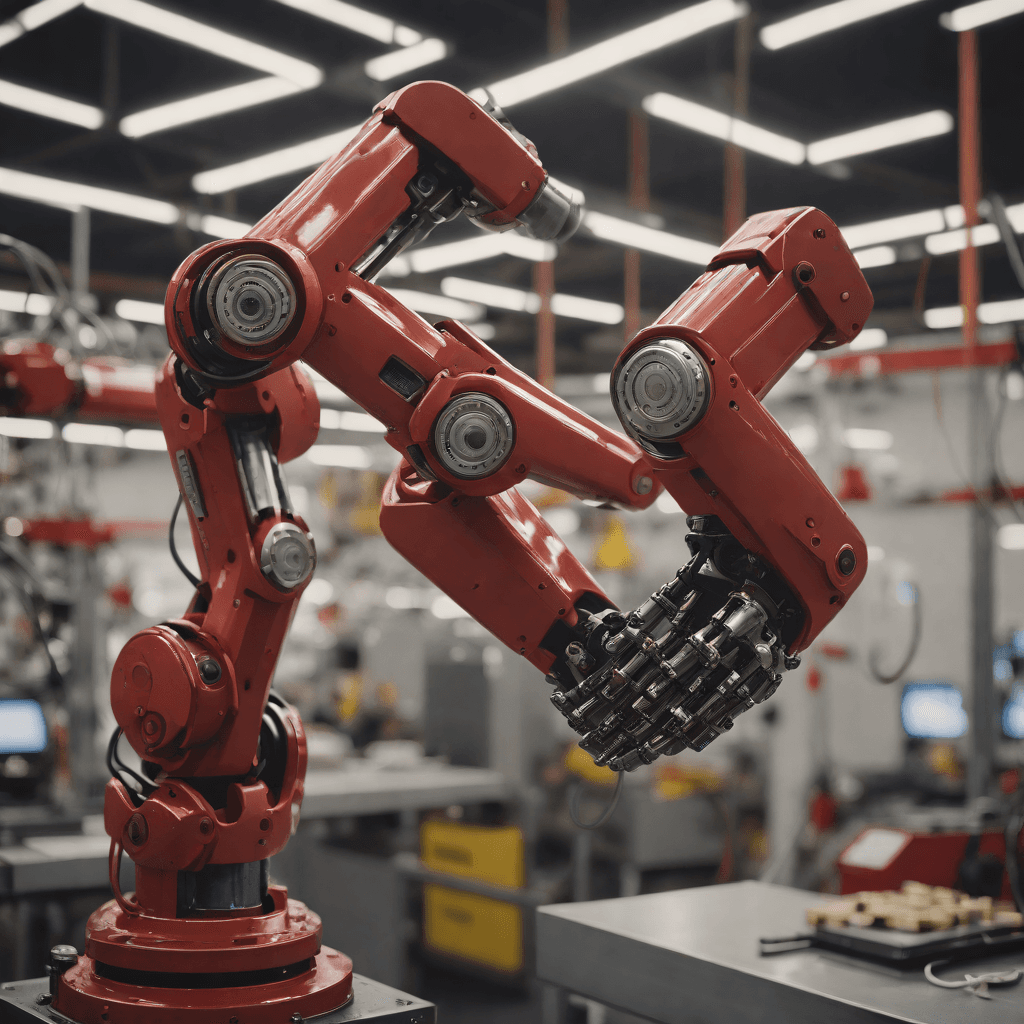
Market analysts have quantified this dilemma. Projections indicate that a full decoupling of the 'Optimus Chain' from established Chinese suppliers could drive the unit production cost towards $65,000, more than double the initial target. This would render the widely publicized sub-$30,000 price point a mathematical impossibility.
The promise of the American android revolution is currently colliding with a geological and geopolitical wall that was erected long before the first Optimus marched off the assembly line. While the Trump administration’s deregulation in 2026 has successfully cleared bureaucratic hurdles for domestic AI testing, it has been powerless to address the physical deficit at the heart of the robotics industry. The high-performance Neodymium and Samarium-Cobalt magnets required for high-torque actuators remain overwhelmingly under the jurisdiction of the 'Iron Cloud,' China’s state-controlled mineral processing monopoly. This dependency is not merely a matter of raw ore, but of the specialized processing ecosystem that the U.S. has neglected for decades.

This reality grants Beijing a 'geopolitical kill switch.' Elon Musk’s candid admission during the Q4 2024 earnings call—that 'the supply chain for humanoid robots does not exist' and must be built from scratch—remains the defining constraint of the industry today in 2026. Despite aggressive production goals, the 'Optimus Chain' has evolved to look less like a Detroit assembly line and more like the Shenzhen-centric ecosystem that built the iPhone. This dominance is the critical vulnerability that no Executive Order can erase.
This leaves the 'America First' agenda in a paradox. To achieve the hyper-productivity promised by the AI revolution, the US must rely on the industrial capacity of its primary strategic rival. The algorithm of global capitalism has rendered its verdict: you can have rapid, affordable automation, or you can have total supply chain sovereignty. In 2026, you cannot have both. For American investors and policymakers, this reality forces a confrontation with the limits of sovereignty. While the software—the 'brain' of Optimus—is trained in Palo Alto and Austin on American silicon, the 'body' is a product of Chinese industrial clusters. A complete severance of these ties would not merely delay the rollout of autonomous labor; it would render the current robotic architecture financially obsolete.
What do you think of this article?