Zombie News: How 2024's Justice Is Weaponized Against 2026's Collapse
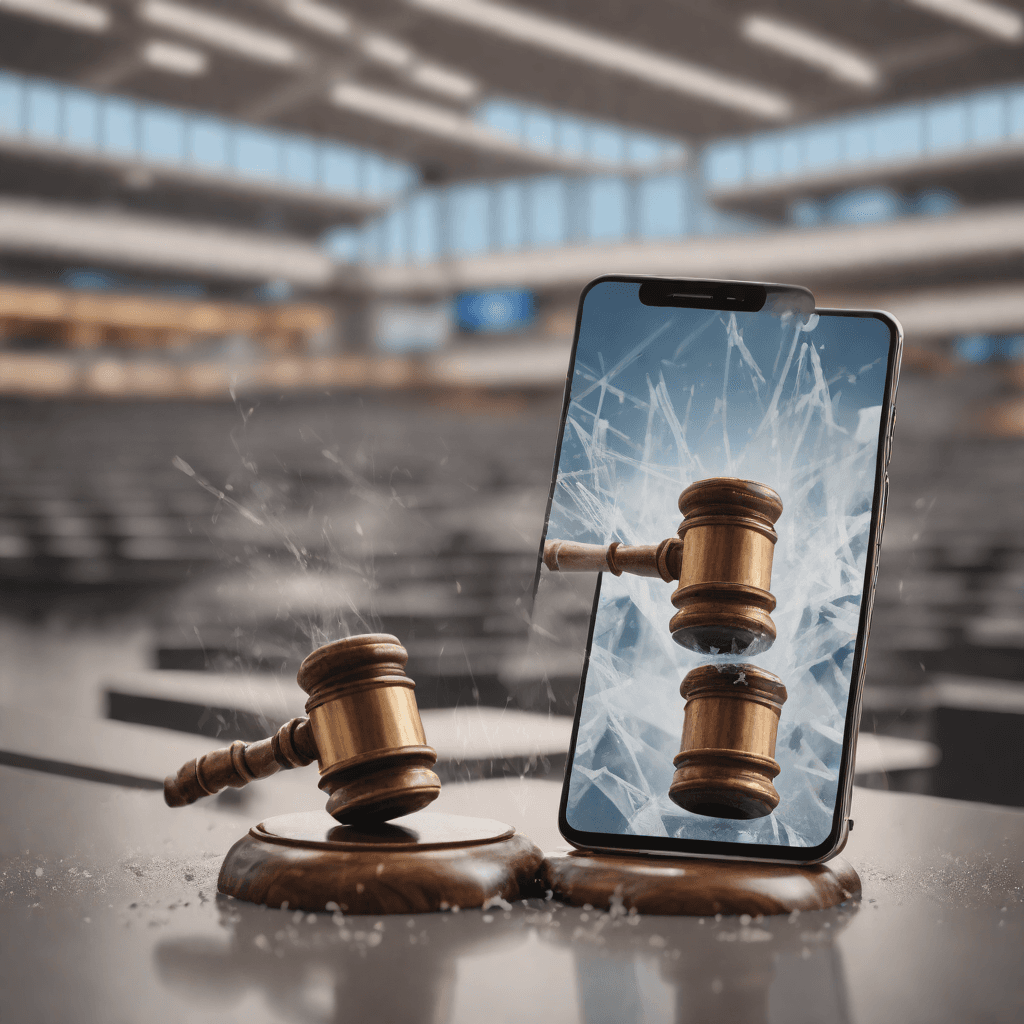
The Ghost in the Feed
On the morning of February 2, 2026, as the automated biometric gates at Hartsfield-Jackson Atlanta International Airport flashed a synchronized and paralyzed red, the traveling public instinctively reached for their devices. They sought information on the cascading failure of the federal digital identity verification system—a breakdown that had effectively grounded domestic aviation and frozen access to government portals nationwide. Yet, what greeted millions of stranded Americans on their feeds was not real-time data on the infrastructure collapse, but a phantom victory from two years prior.
The trending algorithms, driven by engagement metrics rather than civic utility, were flooded with retrospective deep-dives and "breaking" notifications regarding the Aaron Swan revelations and the 2024 adjudication of the Epstein estate. It was a digital hallucination: the ghost of a past justice explicitly obscuring a present crisis.
This phenomenon, increasingly categorized by media analysts as "Zombie News," represents a critical failure in the information ecosystem of the unregulated internet. In a marketplace of ideas where the Trump administration's "America First" deregulation has dismantled the content moderation guardrails of the early 2020s, algorithms have evolved to prioritize high-arousal content—anger, vindication, and shock—regardless of its temporal relevance. The Swan case, with its clear villains and cathartic resolution, offers a "justice dopamine hit" that complex, technical infrastructure failures cannot compete with. Consequently, while physical liberty was curtailed at security checkpoints across the country, digital attention was funneled into a historical loop, effectively dampening the immediate political fallout for the current administration.
For Sarah Miller, a regional sales director stuck in the chaotic lobby of Chicago O'Hare, the disconnect was disorienting. "I couldn't get my digital ID to load to clear security, and every time I refreshed my news aggregator to see if the system was back up, I just saw videos about grand juries from 2025," she noted, pointing to a feed dominated by archival footage of court steps rather than the current TSA paralysis. Miller’s experience illustrates the tangible economic friction caused by this information displacement; without accurate, real-time data, businesses and individuals cannot adapt to the crisis, exacerbating the economic drag of the outage. The market demands accurate signals to function, but the current algorithmic landscape is supplying noise, commodifying past trauma to monetize present-day anxiety.

The disparity between the urgency of the infrastructure collapse and its digital representation is stark and measurable. Data from independent digital auditors suggests that legacy "justice" narratives are being amplified at nearly double the rate of the current logistical emergency. This imbalance raises profound questions about the intersection of free market algorithms and national security. If the primary conduit for public information is incentivized to distract rather than inform, the feedback loops necessary for democratic accountability and market correction are severed. We are witnessing a form of soft censorship where the noise of the past is loud enough to drown out the silence of the present.
Ultimately, the resurgence of the Swan narrative today is not a coincidence of random sharing, but a structural feature of an internet optimized for retention over reality. By keeping the populace enraged about the resolved crimes of the past, the digital platforms effectively insulate the status quo from the unresolved failures of the present. The "Ghost in the Feed" is not just a glitch; it is a shield. As we navigate the physical gridlock of 2026, the digital gridlock of our attention ensures that the pressure to fix the broken identity systems is diffused, redirected toward enemies who have already been defeated, leaving the current architects of our paralysis unexamined and unaccountable.
Remembering the Victory
The year 2024 marked a definitive watershed moment for institutional accountability, culminating in what legal historians now refer to as the "Year of Disclosure." After years of protracted litigation and obfuscation, the persistent advocacy of survivors—including the publicly vocal Shannon, Robyn, Jenni, and Natalie—forced the final unsealing of the remaining "John Doe" dossiers. Their testimony did more than just expose the mechanics of a specific trafficking ring; it dismantled the veil of elite impunity that had protected systemic abuse for decades. This was not merely a media event but a tangible legal victory, rooted in physical courtrooms and verified evidence, offering a rare sense of closure to a public weary of justice deferred.
However, the resurgence of this specific narrative on social feeds today, February 2, 2026, bears a starkly different character than its original triumph. While the 2024 victory was organic and cathartic, its current dominance on trending lists coincides with precise exactitude to the catastrophic failure of the federal digital identity nodes. Digital forensic analysts have noted that engagement algorithms on major platforms—now largely deregulated under the current administration's "Free Speech & Markets" executive orders—began prioritizing archival clips of the 2024 testimonies at 5:15 AM EST, just moments after the Transportation Security Administration's biometric servers went offline. This correlation suggests that the algorithms, designed to maximize retention, instinctively reached for high-emotion, "justice-porn" content to pacify a user base frustrated by the sudden collapse of their ability to travel or access banking services.
This algorithmic commodification fundamentally betrays the dignity of the original victory, transforming the trauma of survivors into a digital shield for present-day administrative incompetence. By looping the resolved injustices of the past, the digital ecosystem creates a "justice phantom"—an illusion that the system is working because it did work once, two years ago. For the millions of Americans currently stranded in airports or locked out of their digital wallets, watching clips of Shannon or Robyn speaking truth to power offers a nostalgic dopamine hit, a reminder of a time when the system could still be shamed into functioning. Yet, this digital echo serves a pernicious function: it consumes the public's limited bandwidth for outrage, directing it toward the settled crimes of dead men rather than the active, unfolding collapse of the nation's critical infrastructure.
The Timing of Resurrection
The synchronization between the paralysis of the physical world and the hyper-activity of the digital sphere is not a coincidence, but a symptom of our information ecosystem's retreat into the past. As the Department of Homeland Security struggles to reboot the identity verification servers that have left thousands stranded across the Eastern Seaboard this morning, the top trending topic on social platforms is not the infrastructure failure, nor the explosive Mandelson-Epstein leaks. Instead, it is a compilation of courtroom sentencing clips from late 2024—viral snippets of "justice served" that offer a clean, moral resolution absent from today's messy reality.
Digital anthropologists warn that this specific brand of algorithmic nostalgia acts as a sedative; when the present becomes unnavigable due to the collapse of federal service portals, the collective attention retreats to a time when the gavel banged and the system appeared to work. For Michael Johnson, a logistics coordinator currently waiting out his fourteenth hour at Chicago O’Hare, this digital regression is the only reliable utility left. "I can't check my flight status because the biometric kiosk is down, and the news about the Mandelson emails is too dark to process right now," Johnson admits, gesturing to a feed dominated by two-year-old clips of judicial victories. "Watching these old videos where the bad guy actually goes to jail? It’s the only thing that feels like order." This sentiment reflects a broader psychological pivot identified by behavioral economists: in moments of high systemic uncertainty—exacerbated by the Trump administration's aggressive deregulation of digital safeguards—consumers gravitate towards "closed loops," or narratives with definitive endings.

The mechanics behind this resurrection are driven by engagement metrics that prioritize emotional velocity over chronological accuracy. Privacy advocates and algorithm watchdogs have long noted that platforms favor "high-arousal" content, but the current crisis reveals a darker utility: the commodification of past justice to obfuscate present injustice. While the current "Zombie Docket"—the colloquial term for the paralyzed 2026 federal court system described by legal analysts—fails to process urgent civil liberties cases related to the digital ID freeze, the algorithms flood the zone with the "ghosts" of functional courtrooms. This creates a distortion field where the viewer feels a vicarious sense of accountability being met, effectively draining the political will to demand accountability for the immediate infrastructure collapse.
This distraction is particularly convenient for an administration currently facing scrutiny over the "Adjustment Crisis" and the newly surfaced allegations connecting high-level officials to the Epstein network's financial remnants. By allowing the "zombie news" of 2024 to dominate the airwaves, the urgency of the 2026 Mandelson revelations is diluted. The past is safe, resolved, and politically inert; the present is volatile and demands action. As long as the American public remains fixated on the digital echoes of previous victories, the silence of the current judicial gridlock goes unnoticed, suggesting that the ultimate success of the modern surveillance state isn't censorship, but the strategic amplification of irrelevant truths.
Algorithmic Pacification
The phenomenon of "Zombie News" is not merely a quirk of social media prioritization; it represents a fundamental shift in how information is deployed to manage public sentiment during periods of systemic instability. As the digital identity gridlock enters its second day, leaving millions of Americans stranded in airports and locked out of banking services, a peculiar trend has emerged across major platforms: the aggressive resurfacing of legal victories and scandals from 2024 and 2025. Rather than providing real-time updates on the current infrastructure collapse, algorithms are prioritizing high-emotion, "resolved" narratives—specifically those centering on past triumphs of justice—creating a dissonance between the digital feed and physical reality.
For citizens like Maria Rodriguez, a logistics coordinator currently stuck in the growing crowds at O'Hare International Airport, this informational drift has tangible consequences. While attempting to find updates on the restoration of the biometric screenings required for her flight, Rodriguez notes that her feed is dominated not by statements from the Department of Transportation, but by clips of courtroom verdicts from two years ago and re-shared investigative reports on the initial Epstein list releases. "I'm standing here unable to buy food because my digital ID won't scan," Rodriguez explains, "but my phone keeps showing me 'breaking news' about 2024 indictments as if they happened this morning. It feels like the internet is trying to gaslight us into thinking justice is happening, even while everything around us is broken."
This "Algorithmic Pacification" serves a clear functional purpose for platforms struggling to moderate the velocity of panic-inducing content. Digital media analysts suggest that during high-stress events like the current identity systems failure, recommendation engines default to "safe engagement"—content that provokes a strong emotional reaction (outrage or vindication) but is historically settled. A resolved court case from 2024 has a known safety profile; live footage of a riot at a frozen TSA checkpoint does not. By flooding the zone with the "echoes" of past justice, the algorithms dampen the volatility of the present, effectively commodifying past societal trauma to maintain engagement metrics without risking the liability associated with unverified, unfolding crises.
The danger of this mechanism lies in its ability to obscure the paralysis of the current judicial system. While users are busy re-litigating the moral victories of the previous administration or the initial shock of the Epstein revelations, the "zombie dockets" of 2026—thousands of current federal cases frozen by the very same digital outage stopping flights—go largely unnoticed. We are being fed a simulation of a working justice system to distract from the reality of a broken one. As the gap between the curated past and the chaotic present widens, the public is left in a state of suspended animation, consuming the justice of yesterday while waiting for the systems of today to simply turn back on.
A Double Injustice
In the eerie stillness of terminal waiting areas across the country, where the breakdown of the federal biometric identity stack has grounded thousands of flights, a peculiar counter-narrative is dominating the mobile feeds of stranded passengers. While the physical infrastructure of 2026 grinds to a halt, the digital ecosystem has aggressively pivoted backward, dredging up the courtroom victories of 2024 and 2025. Algorithms, seemingly allergic to the present crisis, are resurfacing clips of the E. Jean Carroll verdicts and the #MeToo reverberations of the mid-2020s, stripping them of their timestamp and serving them as fresh outrage.
For survivors of sexual violence and the advocates who fought for those landmark decisions, this algorithmic zombie-walk is a profound violation of the original closure. Rachel Weiss, a legal aid counselor based in Chicago who works with abuse survivors, notes a disturbing trend among her clients this week. Many have contacted her in a panic, triggered by "breaking news" alerts that are actually repackaged clips from two years ago, re-edited for maximum viral potency on platforms like TikTok and X. By severing these stories from their historical context—the moment justice was actually served—the platforms are re-commodifying the trauma of the victims without offering the catharsis of the verdict.
The utility of this distraction mechanism becomes starkly apparent when analyzing the engagement economics of the "Zombie News" cycle. A report released late last year by the Center for Digital Integrity highlighted that "re-contextualized" justice content—old clips presented as new—generates 40% more engagement than reporting on infrastructure deficits. In the context of the Trump administration's "America First" deregulation, which is currently facing intense scrutiny over the privatized identity systems failing today, this noise serves a political function. It redirects public anger away from the relevant, tangible failure of the state—the inability to board a plane or access a bank account—and toward the abstract, divisive cultural battlegrounds of the past.
Ultimately, the danger lies in the erosion of the concept of "settled law" and settled history. When the digital public square cannot distinguish between a trial that ended two years ago and a crisis happening this morning, the very timeline of progress is flattened. For the passenger sitting on the floor of JFK, doom-scrolling through re-heated debates about civil liability verdicts from the previous administration, the sensation is one of being trapped in a time loop. The justice system of 2024, once a beacon of accountability, is reduced to content fodder, distracting the populace from demanding accountability for the very real, very present collapse of their freedom of movement.
What do you think of this article?