The Gunma Heist: How 'Disposable' Crime Shattered Japan's Safety Myth
Shattered Silence in Umeta
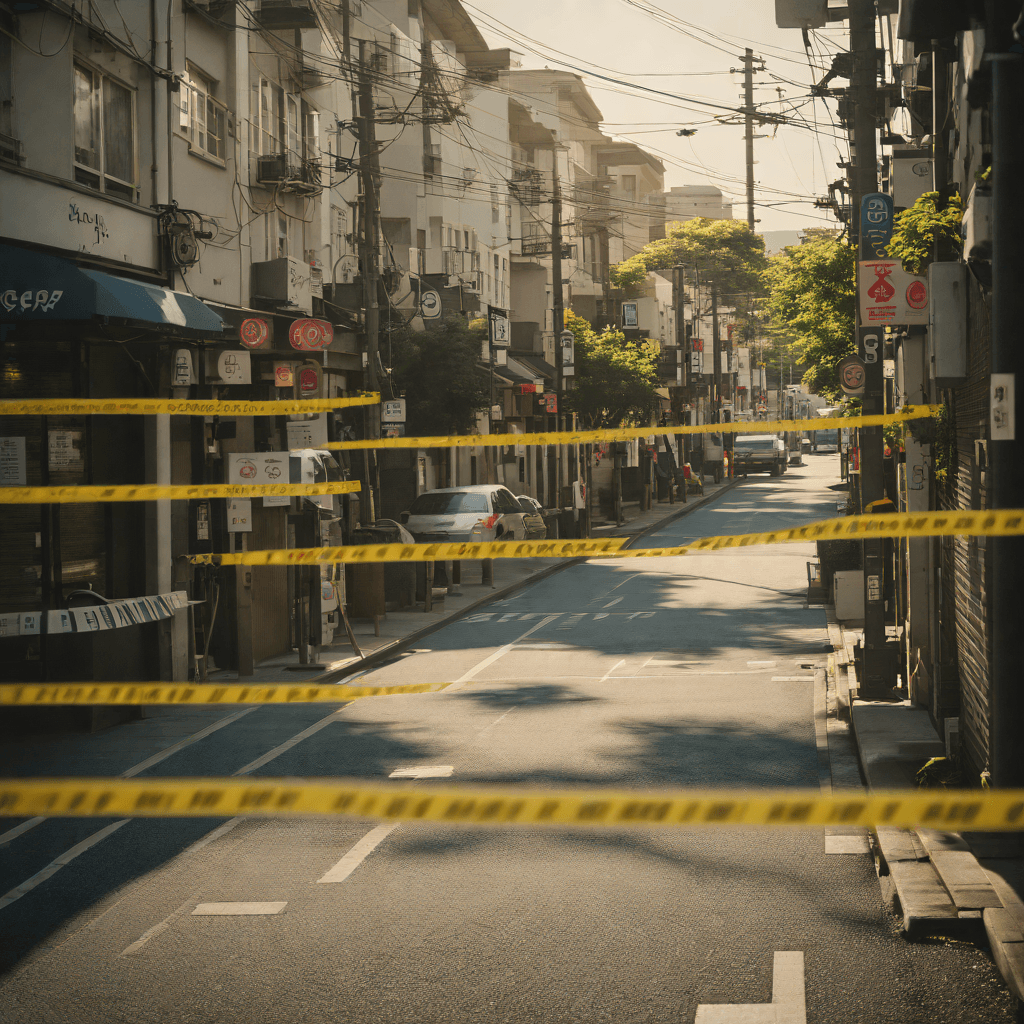
The stillness of Umeta, a quiet residential district in Gunma Prefecture, was violently ruptured on the afternoon of February 2, 2026, when a masked assailant stormed the Umeda branch of the Kiryu Shinkin Bank. Armed with what appeared to be a knife and a handgun, the suspect did not rely on the sophisticated hacking tools or insider connections often associated with modern financial crime. Instead, he utilized the raw, visceral threat of physical violence, demanding "Money, hurry" in broken Japanese—a linguistic anomaly that investigators are now analyzing as a potential signature of the shifting demographic in Japan's criminal underworld. The heist netted approximately 2 million yen (,500), but the psychological toll on the local community far exceeds the monetary loss.
This incident is not merely an isolated act of desperation but a tangible manifestation of the "tokuryū" phenomenon—fluid, anonymous criminal groups that have begun to supplant traditional organized crime. The perpetrator left behind a "suspicious box" before fleeing north in a vehicle, a diversionary tactic designed to freeze law enforcement response times through the threat of explosives. This blend of low-tech weaponry and psychological warfare mirrors the concerns raised by the Gunma Prefectural Police, who issued a joint declaration against "Dark Part-time Jobs" (Yami-baito) in March 2025. Authorities have long warned that these recruitment schemes are funneling amateurs into high-risk felonies, creating a decentralized threat landscape that is far harder to map than the rigid hierarchies of the Yakuza.
The Rise of 'Tokuryu': Crime via Gig Economy
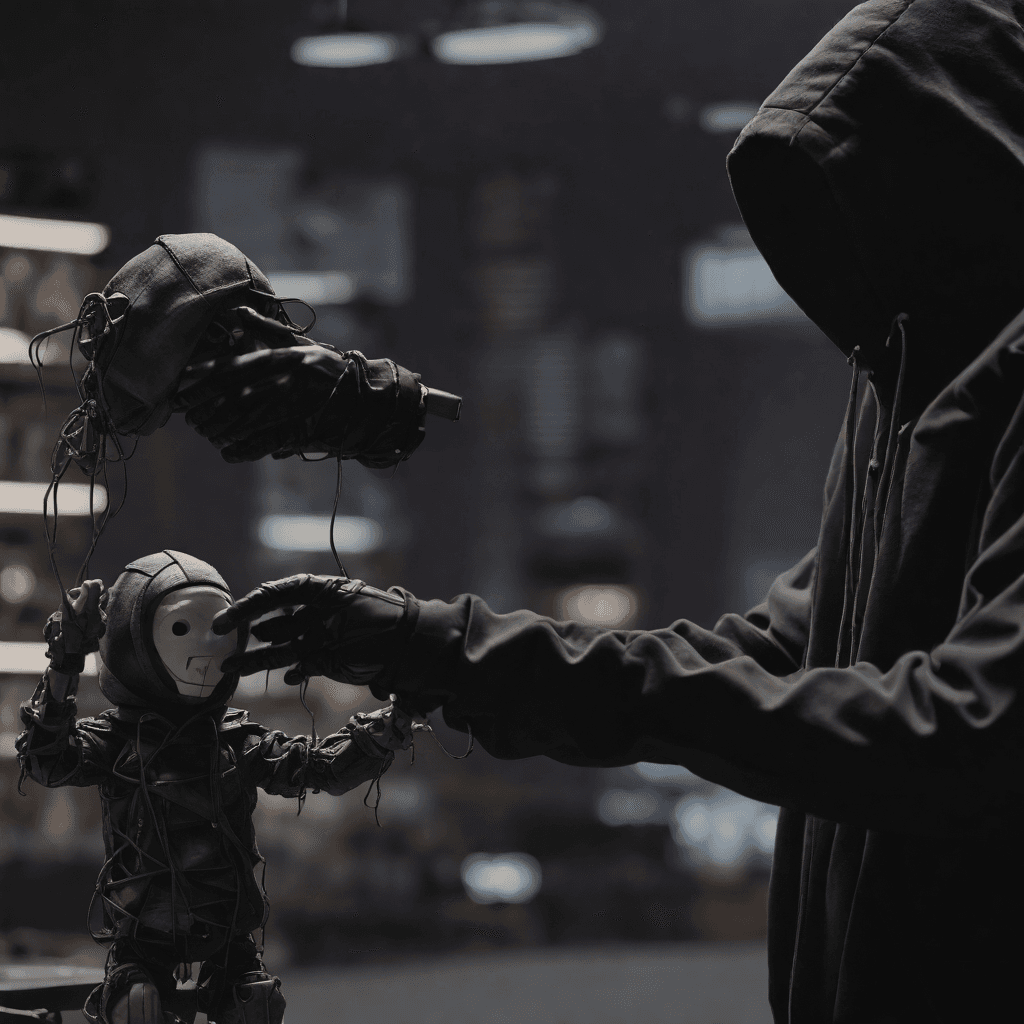
For US observers accustomed to the cinematic precision of organized crime, the amateurish execution of the Gunma robbery might seem trivial. However, security analysts argue this "sloppiness" is the signature feature of a far more dangerous systemic shift: the rise of Tokuryu (anonymous fluid crime groups), where perpetrators are recruited online, deployed like ride-share drivers, and discarded just as easily. This decentralized model represents a fundamental disruption to Japan's postwar criminal ecosystem, traditionally regulated by the strict hierarchies of the Yakuza.
Unlike the Yakuza, who operated with a twisted code of conduct and territorial stability, Tokuryu networks are transient and borderless. They exploit the "gig economy" infrastructure, recruiting "throwaway" labor via social media platforms for high-risk tasks. Makoto Matsuo, a security analyst and founder of Osaka Language Solutions, notes that the sophistication of fraud and these fluid networks has "significantly escalated" entering 2026, creating a threat landscape that is harder to map and impossible to decapitate with a single arrest. "The shift we are witnessing is from career criminals to 'disposable' actors," Matsuo notes. "These individuals are often recruited online with little understanding of the risks, effectively acting as remote-controlled drones for masterminds who remain safely behind a digital curtain."
The Statistical Collapse of Safety
The data supports this grim trajectory, painting a picture of a nation whose famous "safety myth" is buckling under digital pressure. According to the National Police Agency's 2025 Situation Report, total criminal cases in Japan surged by 4.9% in 2024, reaching approximately 737,600 incidents. More alarmingly, violent robbery cases—once an anomaly in Japanese society—spiked to 1,361 in 2023, a year-over-year increase of more than 200 incidents. This statistical trend line has continued upward into early 2026, driven not by professional career criminals, but by the proliferation of Yami-baito that promise quick cash to indebted youth and foreign nationals in exchange for committing felonies.
Local authorities are struggling to adapt their analog policing methods to this digital-first threat. In Gunma Prefecture, police had already issued a "Dark Part-time Job Eradication Declaration" in March 2025, acknowledging the specific pipeline between online recruitment and offline violence. Yet, the persistence of these crimes suggests that declarations are insufficient against the economic incentives of the dark web. As the National Police Agency's Public Affairs Office frankly admitted in a recent statement, the current public safety situation is "extremely challenging," a rare admission of vulnerability from an institution that prides itself on absolute control.
Asymmetric Tactics and the Erosion of Trust
At the heart of the Kiryu Shinkin Bank heist lies a weapon of strikingly low sophistication: a simple, suspicious box left on a counter. While the suspect fled with the cash, the cardboard prop remained behind, effectively paralyzing the immediate response. In a nation still grappling with recent high-profile security lapses, the mere suggestion of an explosive device exploits a paralyzing caution within Japan’s first-responder protocols. This asymmetric tactic highlights a critical vulnerability in Japanese infrastructure: security manuals are written for organized, rational actors, not for the chaotic improvisation of today's desperate gig-economy criminals.

For the average citizen, the cost of this erosion is measured not just in stolen yen, but in the friction added to daily life—a veritable "security tax" on the honest. Banks, once open and accessible community hubs, are increasingly fortifying their physical branches or closing them entirely in favor of digital interfaces, alienating the elderly population that relies heavily on cash. This defensive posture forces a retreat from Japan's celebrated service-oriented culture, replacing the human teller with the cold, hardened efficiency of an ATM, effectively levying a surcharge on trust itself.
The implications for international observers and the U.S. market are stark: Japan’s high-trust society is becoming a high-risk liability for businesses relying on physical security assumptions from a decade ago. If a cardboard box can freeze a financial institution in a G7 nation, one must ask: Is the modern security state actually robust, or is it merely theater dependent on the politeness of the adversary?
What do you think of this article?