Fatal Disconnect: Japan's Snow Tragedy Exposes the Limits of AI
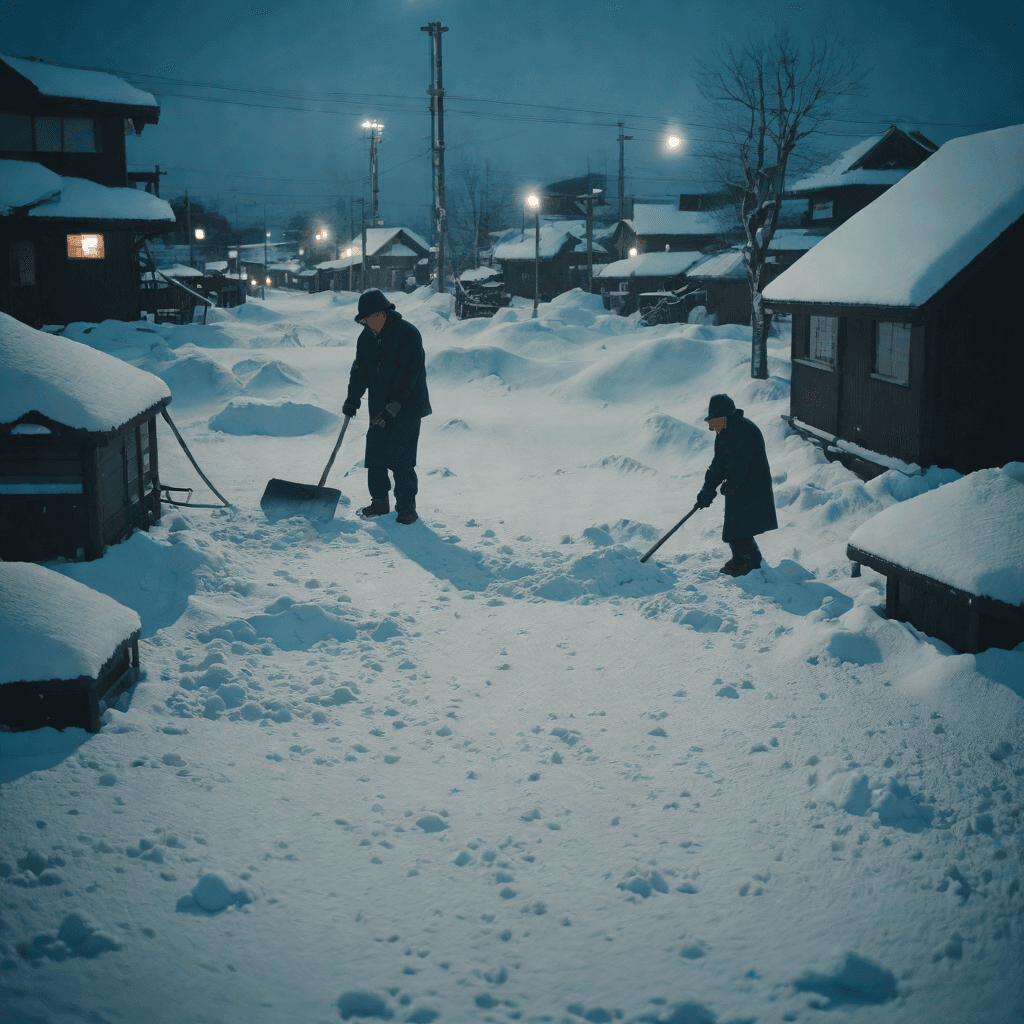
Death in the Snow Country
On February 1, 2026, while American markets were pricing in the efficiency gains of the latest autonomous robotics rollout, the reality of labor in Japan's "Snow Country" offered a stark, fatal rebuttal. In Tokamachi City, deep within the Chuetsu region, the promise of automation had not yet replaced the necessity of human muscle.
Two elderly residents, men in their late 60s and 70s, were not monitoring algorithms; they were engaged in the visceral, high-stakes manual labor of clearing a "flow snow gutter"—an open waterway designed to carry away snow, but which frequently becomes a deadly trap.
The physical conditions on that Monday effectively mocked the notion of a frictionless, digital world. Meteorological observations in the Uonuma and Tokamachi areas reported accumulation levels that tested the limits of regional infrastructure. According to the Ministry of Land, Infrastructure, Transport and Tourism (MLIT), the specific composition of the precipitation had shifted dangerously.
Regional advisories warned that the snow quality had turned heavy and wet, significantly increasing the risk of losing balance near snow gutters and roof edges. This wet snow creates a suction effect and adds massive weight to shovels, turning routine maintenance into a precarious act of balance on slick, freezing concrete.

The Structural Failure of the "Silver Workforce"
The tragic outcome of this labor serves as a grim data point in Japan's demographic crisis. Both men fell into the waterway while attempting to clear a blockage, adding their names to the list of snow-related fatalities recorded by Niigata Prefecture this winter. The mechanics of this accident reveal a fatal disconnect between technological ambition and municipal reality.
The ryusetsuko system—open channels of fast-moving water designed to carry away shoveled snow—is a mid-20th-century solution that demands high-risk human interaction. For the victims, clearing the blockage was a matter of community safety to prevent flooding, a task that required physical strength and balance that fades with age.
Following the incident, local officials reiterated standard safety protocols, emphasizing that snow removal should never be performed alone. These guidelines urge residents to work in pairs and utilize safety lifelines, particularly when operating near waterways or on rooftops. Yet, this bureaucratic directive often collides with the solitary nature of the aging rural population.
In depopulated hamlets, finding a partner for manual labor is often a logistical impossibility. The "buddy system" implies a surplus of labor that simply does not exist in these aging communities. The government’s strategy has effectively devolved into a liability waiver—shifting the burden of safety onto individuals who physically can no longer bear it.
The Optimus Paradox
While the narrative of 2026 is dominated by the "Trump 2.0" push for deregulation and the ascendancy of Silicon Valley’s humanoid robotics, a starkly different reality is unfolding in the heavy snow belts of the Sea of Japan. This incident exposes the "Fatal Automation Gap"—the widening chasm between capital-intensive AI development and the decaying physical infrastructure maintained by the elderly.
While the Trump administration pushes for deregulation to accelerate US dominance in AI and robotics, the Tokamachi tragedy illustrates the stubborn persistence of problems that software cannot solve. The "silver workforce" is not being displaced by robots; they are dying because the robots are not there.
Just as Niigata’s elderly are left to battle massive snowdrifts with shovels because the robotic alternative is economically non-viable, America’s aging Rust Belt infrastructure faces a similar "maintenance cliff." The tragic deaths in Tokamachi are not merely local news; they are a warning that without a strategy to bridge the cost gap, the AI revolution will remain a luxury service, leaving the most dangerous jobs to the oldest hands.
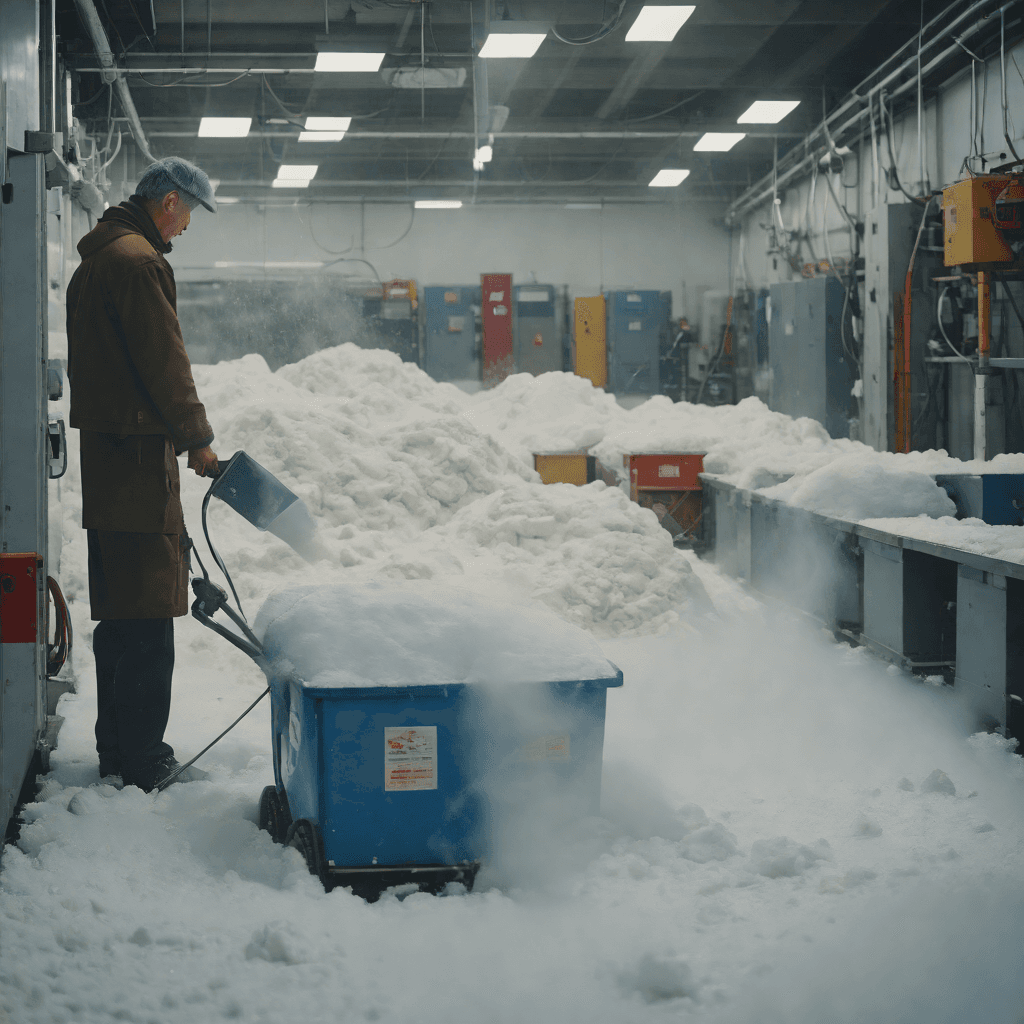
A Warning for the West
For American observers, the "Optimus Paradox" visible in Japan offers a sobering forecast for our own infrastructure revitalization. While the current administration champions a manufacturing renaissance driven by automation, the capital expenditure required to replace human labor in low-margin maintenance tasks remains mathematically impossible for many rural communities.
This policy of benign neglect serves as a grim counter-narrative to the global enthusiasm for labor-saving AI. While US markets speculate on the rollout of Tesla’s Optimus robot and the promise of infinite labor, the technology remains strictly siloed within profitable urban or industrial zones. The death of two men in Tokamachi proves that the "AI Era" is not a universal uplifting of humanity, but a gated community where physical safety is a luxury good.
As the snow continues to fall on the forgotten periphery, the question remains: If our most advanced innovations cannot save two retirees from a frozen ditch, who exactly is this future being built for?
What do you think of this article?