The Silent Avalanche: Japan's Demographic Collapse Buries the Snow Country
A Solitary Battle in Myoko
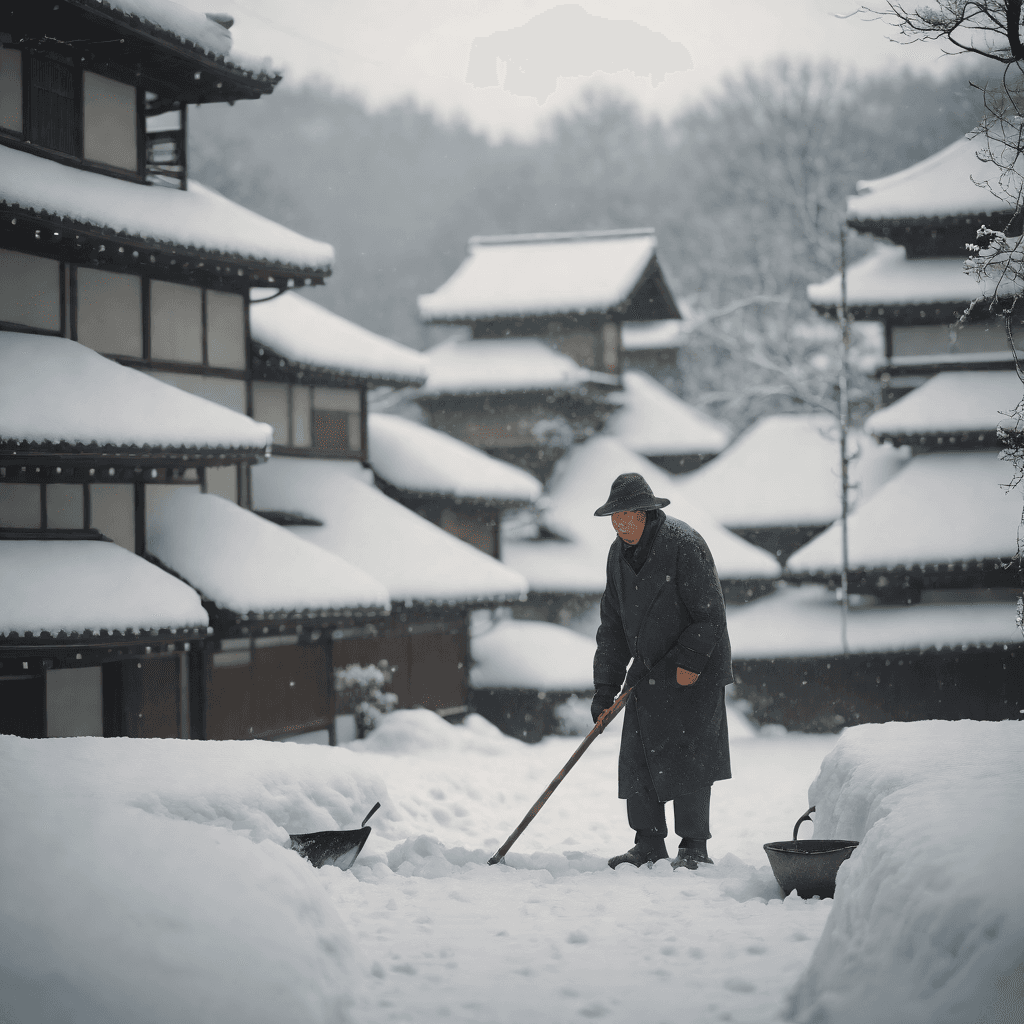
The silence in Yanagida-cho, Myoko City, is deceptive. On February 1, it was broken not by the roar of machinery, but by the quiet discovery of an 81-year-old resident buried beneath the snow he had been attempting to clear from his roof. The Myoko Police Station confirmed the death as suffocation, a tragic punctuation mark to a season that has already claimed too many lives. This individual tragedy serves as a grim data point in a rapidly escalating crisis; he was not a victim of a freak storm, but a casualty of a routine winter maintenance task that the region's aging population can no longer physically sustain.
The sheer scale of this "white disaster" is quantified in the grim ledger kept by the Niigata Prefecture Crisis Management Division. As of January 26, the prefecture had already recorded 64 casualties and 11 confirmed deaths for the 2026 winter season, figures that chill the blood even more than the sub-zero temperatures. Crucially, the data reveals a lethal pattern: 35 of these accidents occurred specifically during snow removal operations. These are not passive victims trapped in their homes, but active residents—predominantly elderly men—forcing their failing bodies to perform heavy labor because there is simply no one else left to do it.
Public health data reinforces the systemic nature of this vulnerability. Research archived by the National Institutes of Health indicates that the epidemiology of snow-removal trauma is starkly gendered and age-specific, with 90% of victims being male and the mean age hovering around 61 years. The injuries are brutal, with fractures constituting 78% of trauma cases, often resulting from falls that transform independent seniors into bedridden patients overnight. In the US, we might view snow clearing as a municipal service issue or a liability for private contractors, but in Japan’s "Snow Country," it has become a desperate, solitary stand for property rights and dignity against the crushing weight of winter.
The Collapse of Mutual Aid
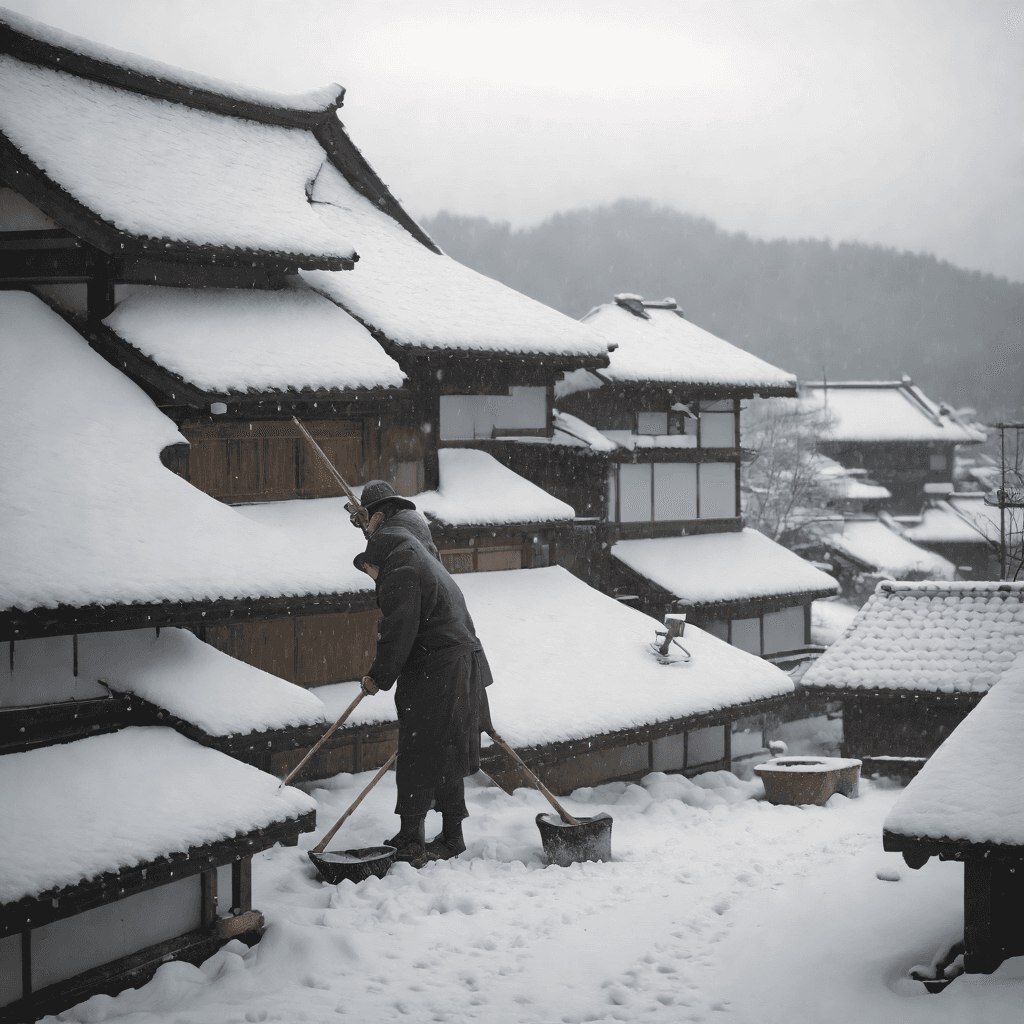
State guidelines have become tragically detached from demographic reality. In response to the surging death toll, officials from the Niigata Prefecture Crisis Management Division issued an advisory emphasizing that "securing a lifeline and working in pairs is critical" for safety. Yet, for residents like the man in Myoko, such advice is a cruel paradox. The traditional "Yui" system of communal labor, which once ensured roofs were cleared by neighbors working in tandem, has evaporated alongside the region's working-age population. When the government mandates a "buddy system" in a village of solitaries, the policy becomes little more than a liability waiver for the inevitable.
For residents like Tanaka Kenji (pseudonym), a 78-year-old retired farmer in the Uonuma region, the choice is purely economic. "Contractors have raised prices by nearly 40% since the inflation spikes of 2024," Tanaka explains, pointing to the unblemished, heavy snowpack on his garage. With pension payouts stagnant and the younger workforce migrating to Tokyo or overseas, the market for snow removal has failed. Tanaka notes that where ten households once shared the burden of clearing a single street, only three remain occupied, turning a collective civic duty into a high-stakes solitary confinement.
Ghost Neighborhoods and Structural Risk
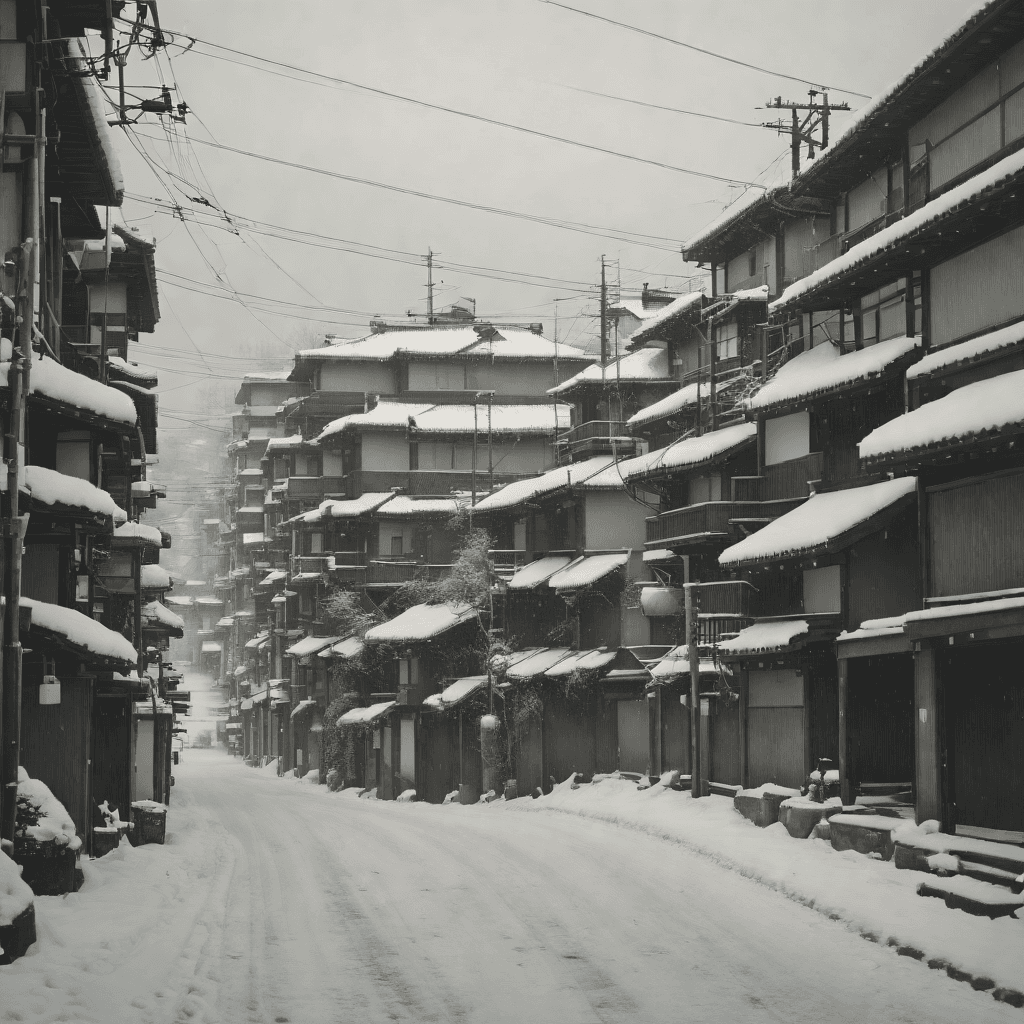
The tragedy in Myoko is not merely a consequence of meteorological extremes, but a grim dividend of a collapsing asset class. This underscores a fatal flaw in rural Japan's contracting housing market: the phenomenon of the Akiya (abandoned house). In neighborhoods hollowed out by depopulation, the physical burden of maintenance does not disappear; it merely shifts onto the shoulders of the few remaining residents, transforming property neglect into a public safety hazard.
When capital flees but the structures remain, the accumulated snow on a vacant roof becomes a kinetic weapon aimed at the community that remains. For Western observers and urban planners, this dynamic presents a challenging paradox regarding property rights and community security. The liberty to hold property indefinitely without occupancy—often defended in US markets—here manifests as a direct physical threat to neighbors. In communities where every third house sits empty, the accumulation of snow on unmanaged structures threatens to trigger localized collapses that can impact adjacent occupied homes.
The False Promise of Automation
For years, Tokyo’s "Society 5.0" initiative promised a future where autonomous snowplows and exoskeleton-equipped workers would seamlessly maintain the country’s aging rural heartlands. Yet, in the freezing reality of Niigata Prefecture, this technological salvation remains a theoretical luxury. The disparity between the digital utopianism preached in the capital and the manual labor required in the mountains was laid bare in late January 2026. While venture capital floods into AI agents and urban robotics, the physical infrastructure of rural Japan is collapsing under the weight of wet, heavy snow, cleared not by machines, but by octogenarians armed with aluminum shovels.
Local authorities are aware of the structural deficit but are limited to behavioral advisories rather than structural solutions. Following the spike in casualties, an official from the Niigata Prefecture Crisis Management Division issued a plea for residents to "secure a lifeline and work in pairs," emphasizing that solo operations are particularly lethal. However, this advice rings hollow in hamlets where "working in pairs" is a logistical impossibility for widows or widowers living alone in "limit villages" (genkai shuraku) on the verge of extinction. The market failure is absolute: high-tech automation is too expensive for municipalities with shrinking tax bases to procure, leaving the most vulnerable demographic to face the harshest season with tools from the last century.
A Warning for the Aging West
For the United States, watching from across the Pacific, Myoko is not a foreign anomaly but an accelerated simulation of its own rural future. As the Trump administration pushes for localized self-sufficiency and deregulation, the question arises: what happens when "local control" meets a complete lack of local capacity? The dynamic seen in Niigata—where the elderly die maintaining infrastructure because the tax base cannot support municipal clearance services—mirrors the trajectory of rural counties in the Dakotas and upstate New York.
When the workforce evaporates, the "liberty" to manage one's own property transforms into a lethal obligation, turning routine weather events into mass casualty incidents for the aged. The death in Myoko demonstrates that without a workforce to maintain infrastructure or a community to support the vulnerable, the snow does not just block roads; it erases lives. The "Silent Avalanche" is not made of snow, but of silence itself—the silence of empty houses, missing neighbors, and a generation left to face the winter alone.
What do you think of this article?