Shadows in the Neon: The Toyoko Crisis and the Failure of Modern Safety Nets
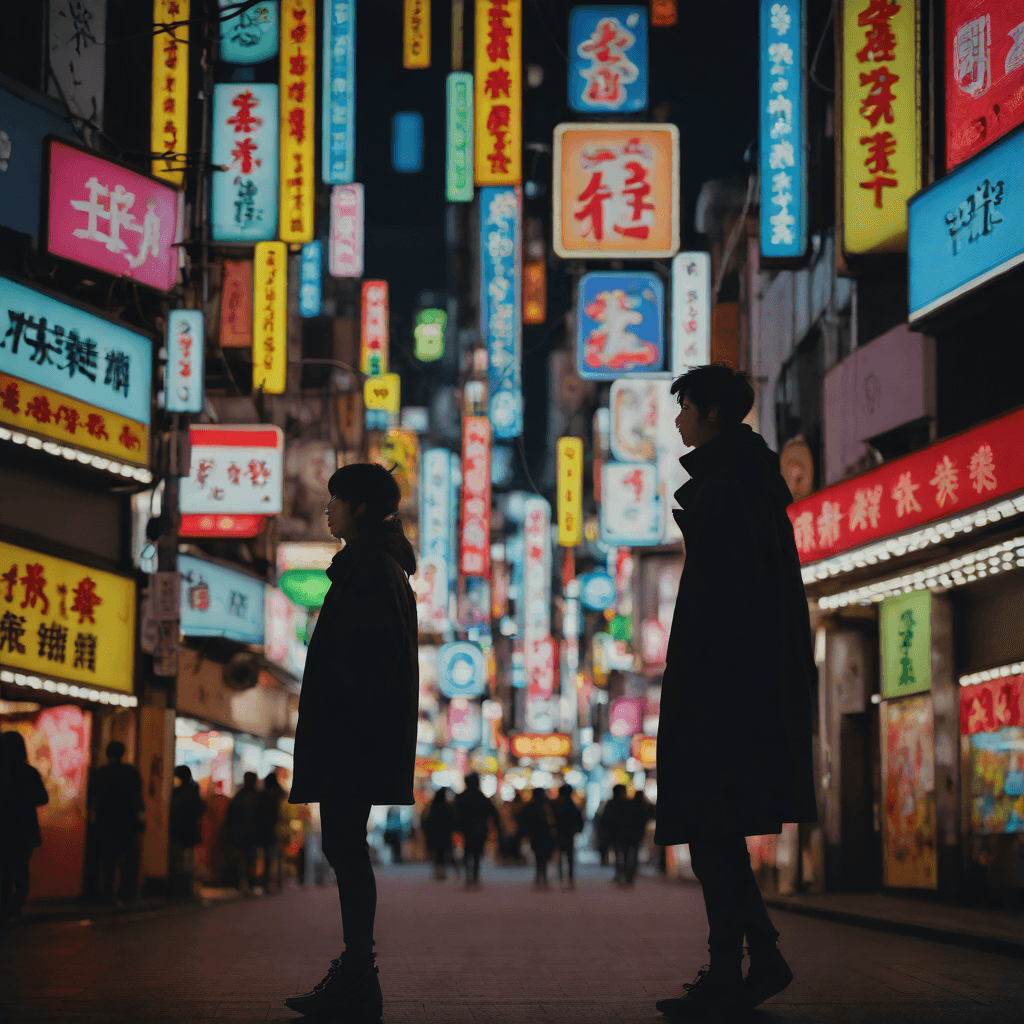
The timeline of the tragedy, now pieced together by a recent Mainichi Shimbun retrospective, places the final collapse of a 14-year-old girl's life in October 2025. It was a Tuesday, lost in the neon glare of Kabukicho, when the safety nets officially failed, revealing a stark disconnect between Japan's structured society and its digitally isolated youth.
According to the investigation, the girl had been living in the "Toyoko" district—the liminal space beside the TOHO Cinema—for weeks, drifting through a landscape of exploitation that the U.S. State Department’s 2025 Trafficking in Persons Report explicitly warned was insufficiently policed. This death was not an anomaly but a statistical inevitability in a country that remains on "Tier 2" watchlist status. The specific failure in October serves as a grim case study for a system paralyzing under the weight of its own rigidity.
Refugees of the Night
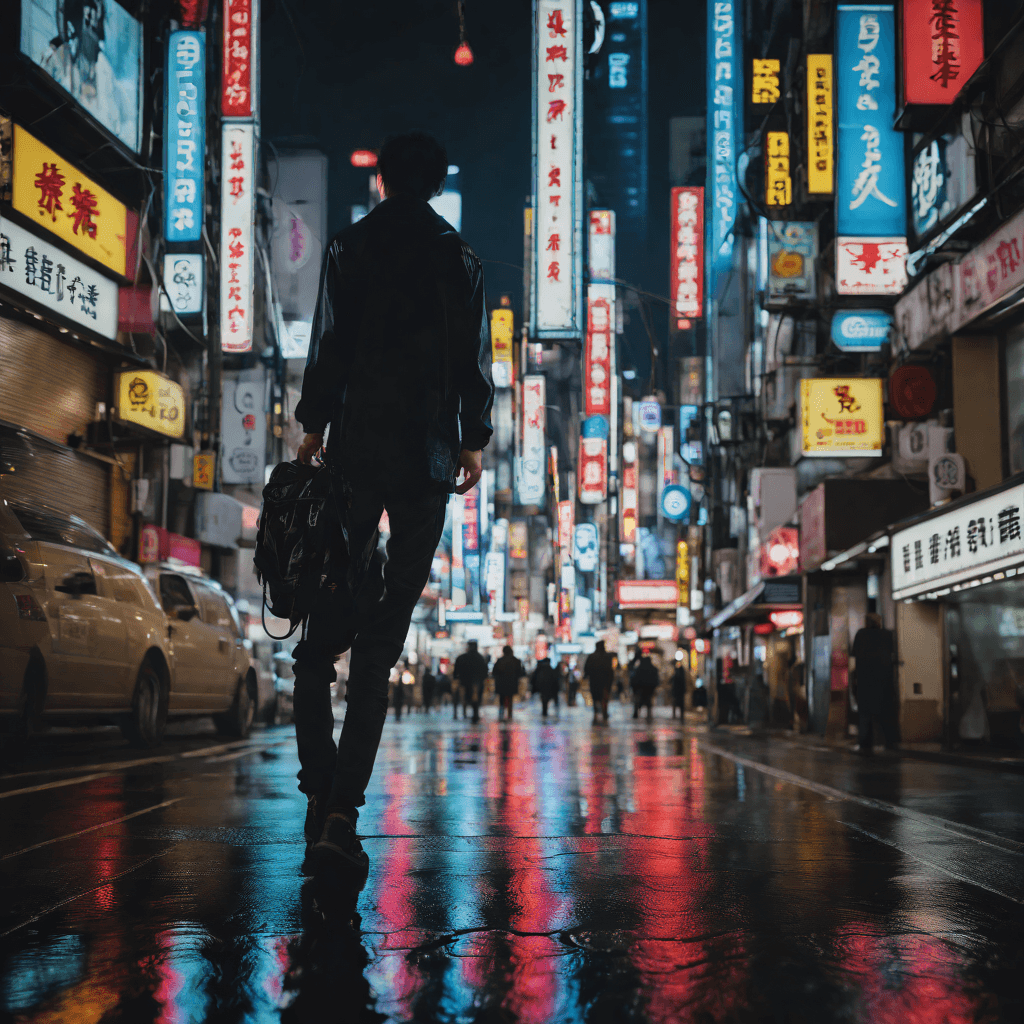
The neon labyrinth of Kabukicho, specifically the plaza adjacent to the Toho Cinemas building, has become a grim sanctuary for Japan’s "Toyoko Kids"—a term describing the runaway youth who congregate in this specific slice of Shinjuku. While the tragic suicide of the 14-year-old girl captured fleeting international headlines, the structural failures that precipitated her death remain largely unaddressed as we move into February 2026. This was not a random act of despair but a calculable outcome of a system that treats vulnerable adolescents as public nuisances rather than victims of exploitation.
For (Pseudonym) Sato Kenta, a 16-year-old frequenting the plaza, the allure of Kabukicho is less about hedonism and more about the search for ibasho—a Japanese concept roughly translating to "a place where one belongs." Unlike the homeless populations familiar to American cities, often driven by economic destitution, many Toyoko Kids are refugees of domestic dysfunction and rigid societal expectations. They coordinate via encrypted messaging apps and social media, forming ad-hoc families in the street. However, this digital connectivity masks a severe lack of physical safety nets.
Systemic Blind Spots
The machinery of the state did not fail in a single moment on that cold night in October 2025; it had been rusting in plain sight for years. For (Pseudonym) Tanaka Ren, a guidance counselor in Shinjuku who attempted to intervene in the weeks leading up to the tragedy, the "safety net" is less of a mesh and more of a chasm. He describes a bureaucratic paralysis where privacy laws and jurisdictional squabbles prevent schools from sharing critical data with child welfare centers until a minor has already vanished from the roll call.
The statistics paint a damning portrait of this invisibility. Human Rights Watch’s World Report 2025 reveals a startling gap: an estimated 8,600 non-citizen children of compulsory education age are currently unenrolled in school. While the victim of the October tragedy was a Japanese national, this figure underscores a broader culture of negligence where "belonging" is treated as a privilege rather than a right.
Kanae Doi, Japan Director at Human Rights Watch, argues that this is a legislative choice, noting that "Japan still lacks a law that prohibits discrimination based on race, ethnicity, religion, sexual orientation, gender identity, or age." Without legal mandates to force integration and protection, schools become gatekeepers rather than sanctuaries, filtering out the "difficult" cases that eventually find acceptance only in the anarchic hierarchy of the street.
The Predatory Ecosystem
This recurring loss of life exposes a predatory ecosystem that thrives on the margins of Japanese society, fueled by regulatory negligence that international observers have long criticized. According to the U.S. Department of State’s 2025 Trafficking in Persons Report, Japan remains stagnant at Tier 2, a ranking that reflects a government struggling to meet minimum standards for eliminating trafficking. The report specifically highlights a critical failure in law enforcement: officers frequently identify minors exploited in the commercial sex industry but fail to screen them for trafficking indicators, treating them as delinquents rather than victims.
The persistence of this crisis challenges the Trump administration's "America First" narrative which often conflates deregulation with economic liberty; here, the unregulated market of vice demonstrates the dark side of minimal intervention. When the free market extends to human vulnerability, the result is not innovation but predation. As Japan grapples with its shrinking population and rigid social structures, the inability to protect its most marginalized youth—both citizen and non-citizen alike—raises a fundamental question about the priorities of a modern state.
A Warning to the World
The neon labyrinth of Kabukicho has long served as Tokyo’s subconscious, but the tragedy that unfolded here in October 2025 remains a stubborn ghost in the machine of the city’s meticulously ordered society. This incident serves as a grim prelude to the upcoming U.S. State Department Trafficking in Persons Report, for which submissions are due on February 27, reminding us that the displacement of digitally native, socially isolated youth is not just a Japanese crisis, but a global warning.
For American policymakers observing from across the Pacific, these numbers mirror the challenges seen in U.S. urban centers, where austerity measures clash with the reality of vulnerable, undocumented youth populations slipping through the cracks of a deregulated educational system. The "Toyoko" phenomenon is a byproduct of an economy that prioritizes efficiency and liquidity over social cohesion. As the U.S. grapples with its own "Restaurant Revolt" and fiscal paradoxes, the lesson from Kabukicho is clear. When the state retreats, predatory environments fill the void, turning urban centers into marketplaces where the currency is not just yen or dollars, but the futures of the next generation.
What do you think of this article?