The Clockwork Coup: Manila Weaponizes the Political Calendar

The Expiration Date on Political Truce
In the high-stakes theater of Philippine politics, the calendar has evolved into a lethal weapon. On February 2, 2026, two separate impeachment complaints were filed against Vice President Sara Duterte—precisely four days before the Supreme Court's mandated "safe harbor" expires. This timing transforms a procedural safeguard into an instrument of constitutional brinkmanship.
The High Court’s July 25, 2025 ruling was unambiguous: the constitutional one-year ban on new impeachment proceedings against the Vice President lifts only on Friday, February 6, 2026. Yet, by formally endorsing complaints on a Monday, Representatives Antonio Tinio and Leila de Lima have effectively challenged the legislature to define whether an impeachment is "initiated" when papers cross a desk, or only when the calendar grants permission for them to be read.
This is not a clerical oversight; it is a calculated assault on the 1987 Constitution’s Article XI, Section 3(5). The provision, originally drafted to shield officials from incessant political harassment by mandating a one-year interval between complaints, has been inverted by the opposition into a precision scheduling tool.
The strategy, led by the militant Makabayan bloc and the civil society coalition Tindig Pilipinas, hinges on a technical distinction between filing and referral. By lodging the complaints early, they aim to queue the proceedings for immediate legislative activation the moment the clock strikes midnight on the 6th, effectively turning the constitution’s "cooling-off period" into a countdown for political liquidation.
Anatomy of a Dynastic Divorce
The legal arguments thinly veil the raw power struggle defining Manila's prelude to the 2028 elections. The "UniTeam" coalition, which swept the 2022 elections with a mandate of dynastic unity, has not merely fractured; it has been systematically dismantled on a schedule dictated by the 1987 Constitution. What was once an unbreakable alliance between the Marcos and Duterte families has devolved into a high-stakes litigation of power.
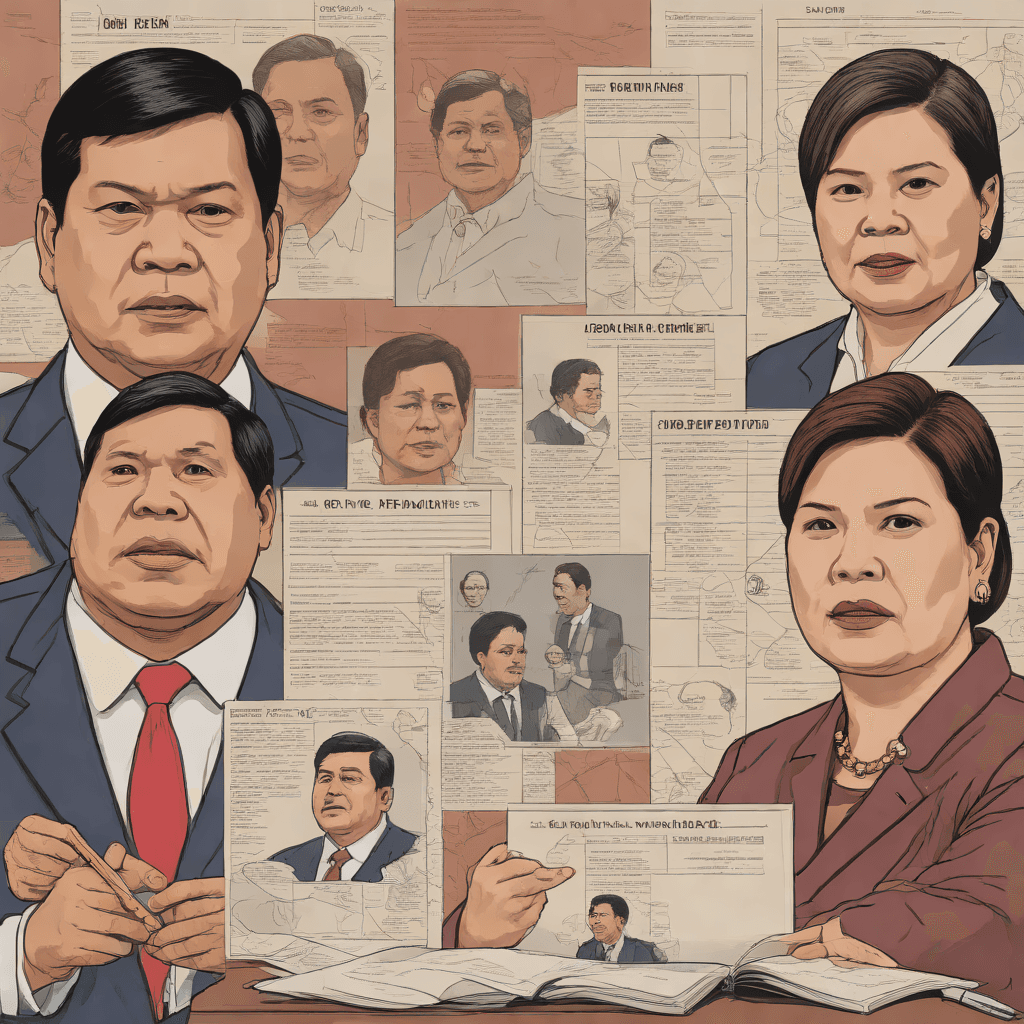
Former Senator and current Representative Leila de Lima, endorsing the complaint led by Tindig Pilipinas, frames this maneuver as a matter of urgent accountability that supersedes procedural waiting periods. However, for the political forces moving against the Vice President, the utility of the complaint lies less in the specific allegations of public fund misuse and more in the paralysis it inflicts on a rival dynastic brand.
The catalyst for this separation was financial opacity, specifically the controversy surrounding the Vice President’s utilization of confidential funds. This dispute, initially a budgetary skirmish, hardened into a constitutional standoff following the dismissal of the first impeachment complaint on February 5, 2025. Rep. Antonio Tinio of the ACT Teachers Party-list has long characterized the misuse of these funds as a betrayal of public trust, but the revival of these charges is now a calculated test of the constitutional "immunization period."
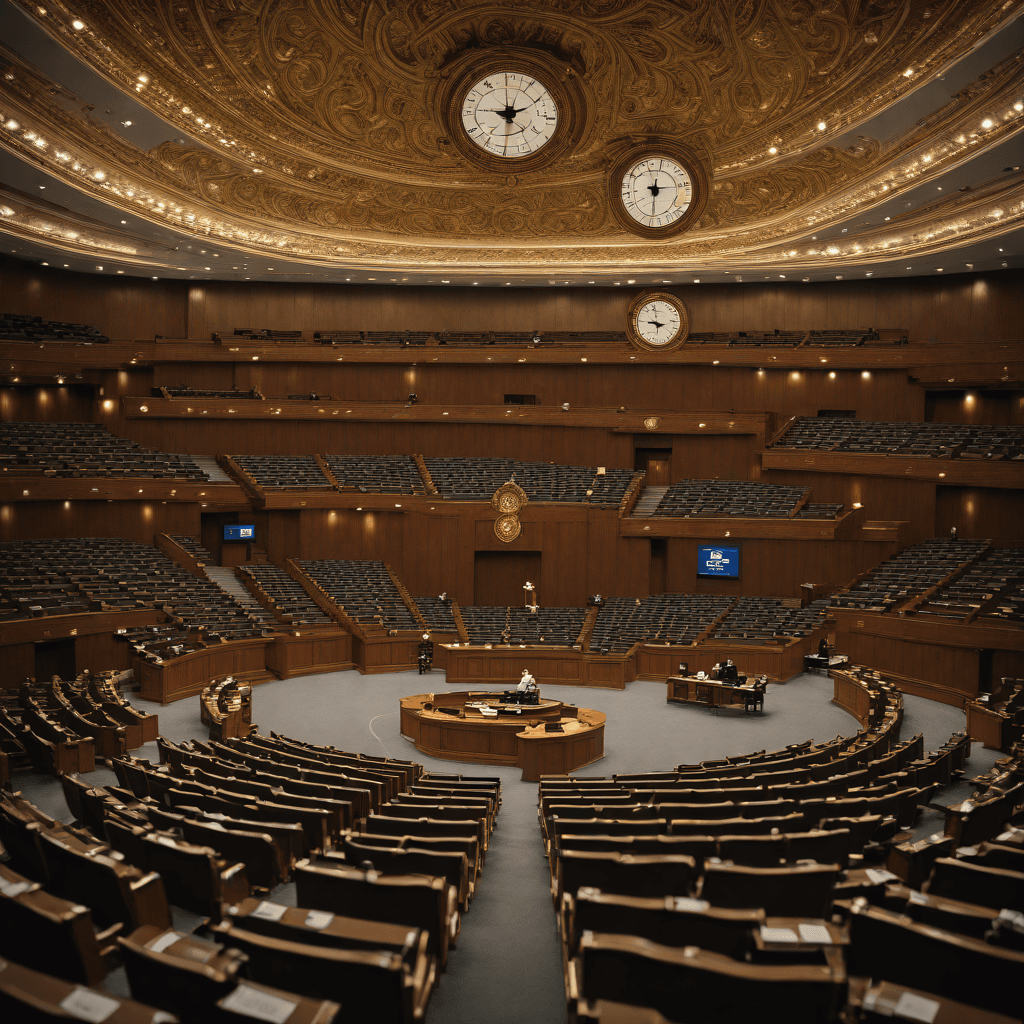
If the House of Representatives accepts these filings before the February 6 threshold, it risks a direct collision with the Judiciary. The Supreme Court’s pre-emptive ruling in July 2025 was designed to prevent exactly this sort of ambiguity, establishing a clear timeline to preserve institutional order. By testing this deadline, the House leadership signals that immediate political objectives may now override judicial interpretation.
The One-Year Shield: Safeguard or Countdown?
In Washington, the concept of "lawfare"—the use of legal systems and institutions to damage or delegitimize an opponent—has become a standard feature of the political lexicon, and nowhere is this dynamic more visible today than in Manila. The premature filing suggests a strategy of procedural provocation rather than mere impatience. By lodging the complaints early, the opposition forces the House leadership into a binary trap: dismiss the complaints on a technicality and appear to be shielding the Vice President, or entertain them and risk a constitutional challenge for violating the one-year ban.
Legal experts are now fixated on the friction between the filing date and the constitutional deadline. This weaponization of the calendar suggests a shifting norm where democratic guardrails are respected only in their technicality, not their spirit, mirroring the "Zombie Dockets" currently clogging US federal courts. By filing early, the opposition risks immediate dismissal on technical grounds, yet they succeed in dominating the news cycle and defining the Vice President as an embattled figure exactly when the ban was meant to offer a reprieve.
The "One-Year Shield" has thus failed in its primary objective. Instead of enforcing a period of stability, it has merely standardized the schedule of instability, converting the Philippine House of Representatives into a theater where justice is measured not by evidence, but by the ticking of a clock.
Washington's Quiet Anxiety
For policy planners in the State Department’s East Asian and Pacific Affairs Bureau, the calendar on the wall has become as significant as any satellite imagery of the South China Sea. While the Trump administration remains publicly committed to the principle of non-interference, private channels suggest a growing unease that Manila’s domestic "lawfare" is beginning to consume the diplomatic bandwidth necessary to sustain the Enhanced Defense Cooperation Agreement (EDCA).
The strategic bifurcation of Philippine politics has created a nightmare scenario for American interests in the Indo-Pacific. On one side stands President Ferdinand Marcos Jr., whose pivot back to Washington represents the cornerstone of the current U.S. containment strategy against China. On the other is the Duterte faction, which has increasingly signaled a desire to dismantle these security guarantees in favor of a renewed détente with Beijing. Washington’s anxiety stems from the realization that the impeachment process is not merely a domestic accountability mechanism; it is a proxy war for the country’s geopolitical soul.
If Marcos is forced to expend his political capital surviving a scorched-earth impeachment battle, his ability to enforce unpopular foreign policy decisions—particularly those involving U.S. troop presence in Cagayan and Isabela—inevitably weakens. This fragility is compounded by the "America First" doctrine guiding the current White House, which demands that allies demonstrate internal stability as a prerequisite for continued security investment.
For a U.S. administration prioritizing clear, transactional outcomes, a Manila bogged down in procedural chaos is a liability. The risk is the emergence of a "Zombie Executive"—a Vice Presidency (and potentially a Presidency) that is legally present but politically dead, stripped of influence by a legislature that has mastered the art of the calendar coup.
The Martyrdom Trap
The precise timing of the latest impeachment filing hands Vice President Sara Duterte a powerful rhetorical weapon that may outweigh the legal charges against her. To the Vice President’s supporters in Davao, the premature filing looks like a trap. The stark mismatch between the filing date and the high court's deadline allows the Duterte camp to frame the proceedings not as a quest for accountability, but as a "clockwork coup" designed to preempt the 2028 election cycle.
History in the Philippines suggests that failed or perceived unjust legal attacks often serve as the most potent campaign launches for populist figures. If these complaints are dismissed by the courts on technical grounds because they were filed four days too early, or if a Senate trial is perceived as a kangaroo court, Sara Duterte could emerge from the process not as a disgraced official, but as the "last opposition standing." This dynamic creates a dangerous paradox for the administration: the accelerated attempt to remove a rival may inadvertently manufacture the very martyr who defeats them in 2028.
What do you think of this article?