The Aegean Toll: Why Aggressive Deterrence Is Failing the Most Vulnerable
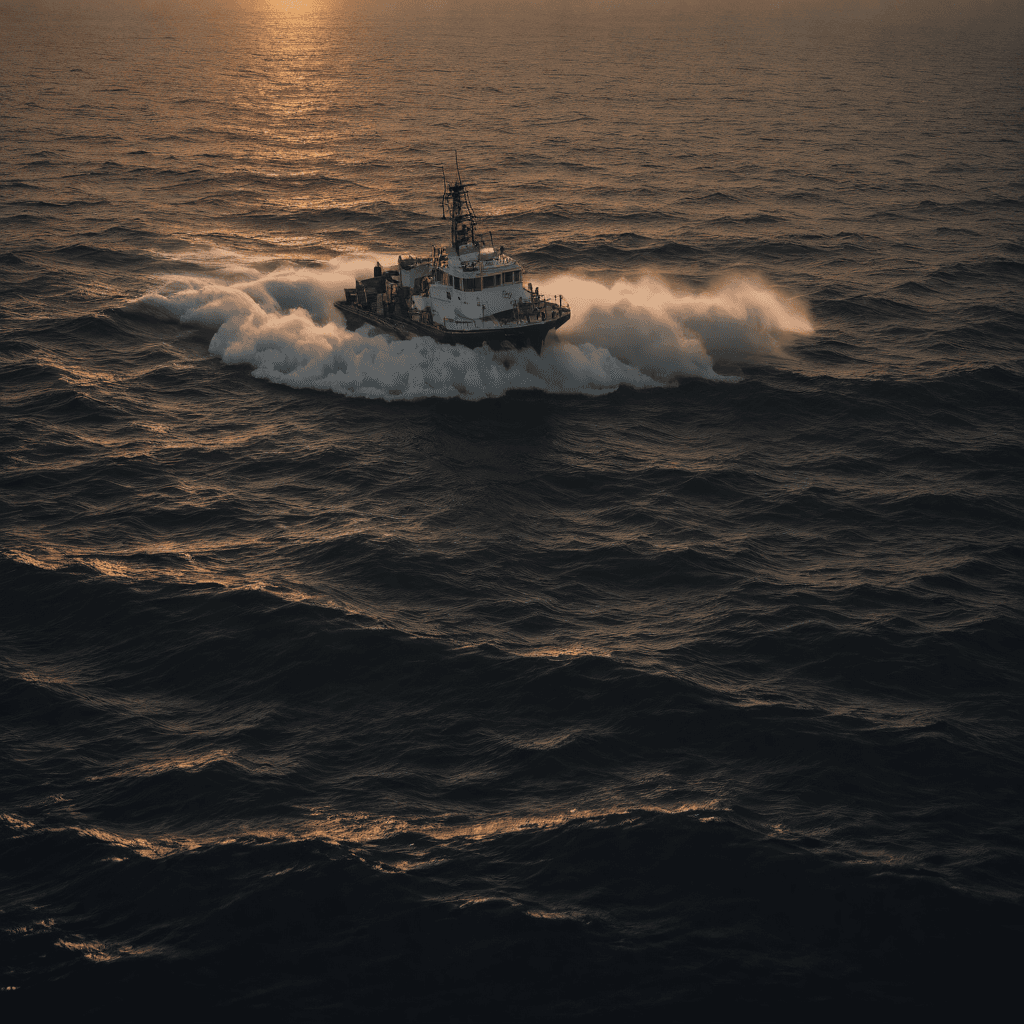
The Silence Broken off Chios
The pre-dawn stillness near Vrontados, Chios, was shattered on February 3, 2026, when a high-speed vessel carrying migrants collided with a Hellenic Coast Guard (HCG) patrol boat. According to an official statement from the HCG, the migrant vessel engaged in "dangerous maneuvers" and ignored repeated signals to stop before the fatal impact occurred. While the HCG initially reported 14 bodies recovered from the Aegean, the death toll rose to 15 on February 4 after a woman succumbed to her injuries at Chios General Hospital. This incident marks a significant escalation in the Eastern Mediterranean, where the intersection of aggressive interception tactics and desperate migration routes has transformed the sea into a theater of high-stakes border enforcement.

The Trauma of the Encounter
The human wreckage of the collision extends beyond the initial body count. Search and rescue teams, supported by helicopters and divers, pulled 24 survivors from the water, including 11 children. However, the medical aftermath at Chios General Hospital revealed a deeper layer of trauma. Medical staff reported that two pregnant survivors suffered miscarriages shortly after their rescue, a direct consequence of the physical and psychological shock of the collision.
For Michael Johnson (pseudonym), a maritime security consultant based in Norfolk, Virginia, who monitors international naval protocols, the incident highlights the inherent risks of high-speed interceptions. "When deterrence becomes the primary objective of a maritime patrol, the margin for error evaporates," Johnson observes. He notes that the equipment used in these interdictions is often designed for combat or smuggling prevention, rather than the rescue of fragile, overcrowded rafts. The physical violence of a steel hull meeting a wooden or inflatable vessel serves as a brutal reminder of the stakes involved in 2026 maritime governance.
The Doctrine of Hard Borders
The tragedy off Chios is a manifestation of a high-risk maritime enforcement strategy where the "deterrence" doctrine is increasingly leading to lethal outcomes. This shift in operational posture mirrors a global trend toward hardened borders, particularly under the second Trump administration’s "America First" influence. The administration's focus on deregulation and absolute sovereignty has encouraged allies to prioritize border integrity over humanitarian corridors.
Adriana Tidona, a migration researcher at Amnesty International, argues that the frequency of these collisions suggests a de facto border policy that prioritizes deterrence over the fundamental right to life. As noted by the International Organization for Migration (IOM) Missing Migrants Project, the Eastern Mediterranean has seen a 12% year-over-year increase in fatalities as of early 2026. This statistic underscores the friction between current enforcement models and the ongoing flow of migration.
The Contested Narrative of Pursuit
The official narrative from the Hellenic Coast Guard frames the tragedy as an unavoidable consequence of smuggler evasion. The state emphasizes the tactical difficulty of the interception, noting that two coast guard officers were also injured during the impact. However, human rights observers point to the lopsided nature of the engagement. The presence of 11 children among the survivors challenges the framing of the vessel as a purely hostile or tactical target.
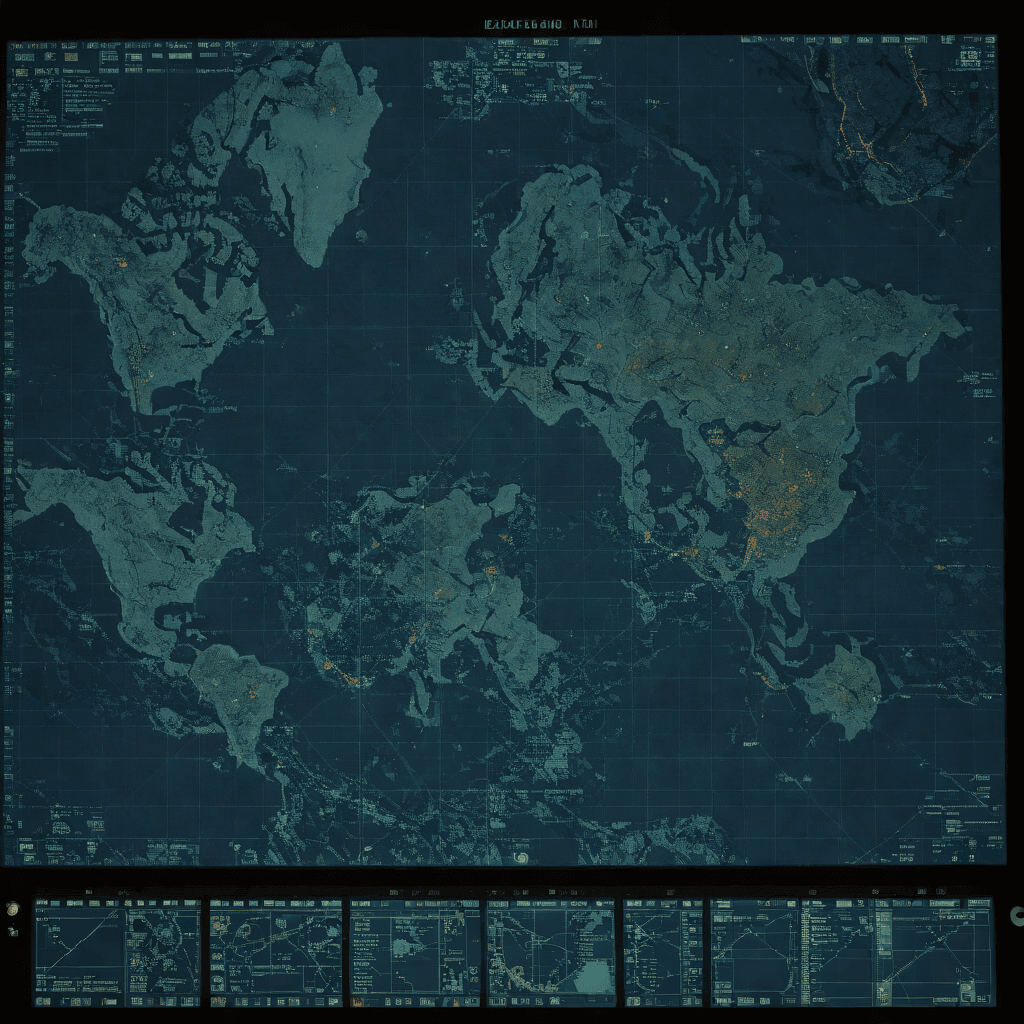
James Carter (pseudonym), a maritime policy analyst based in Washington, D.C., suggests that the Chios collision illustrates a "security-first vacuum." As the US administration pushes for unchecked technological acceleration in border surveillance, allies find themselves mirroring this hardening of physical frontiers. This often occurs at the expense of established maritime safety protocols, such as the Safety of Life at Sea (SOLAS) obligations which mandate the rescue of those in distress regardless of their legal status.
A Search for Moral Accountability
The debate centers on whether the sovereign right to protect territory can supersede the duty of rescue. While proponents of strict enforcement argue that aggressive interceptions are necessary to dismantle smuggling networks, advocates maintain that such tactics violate international law. The Chios incident forces a reckoning: if a border is defined only by the force required to maintain it, the pursuit of security may eventually surrender the claim to a shared humanity.
In an era where technological acceleration allows for surgical precision in tracking, the lack of an ethical "interrupt" to prevent fatal impacts remains a critical failure. As search and rescue operations continue in the Aegean, the 15 lives lost serve as a stark reminder that the cost of deterrence is increasingly measured in human life. Without a neutral body to investigate these impacts, the search for accountability remains submerged under the weight of geopolitical interests.
Sources & References
Hellenic Coast Guard Official Statement on Chios Maritime Incident
Hellenic Coast Guard (HCG) • Accessed 2026-02-04
Official confirmation of a collision between a high-speed migrant vessel and a coast guard patrol boat near Vrontados, Chios. The HCG reported that the migrant vessel performed dangerous maneuvers and failed to stop despite signals. 24 individuals were rescued, and 14 bodies were recovered from the sea.
View OriginalMediterranean Migration Data - February 2026 Update
International Organization for Migration (IOM) Missing Migrants Project • Accessed 2026-02-04
The Central and Eastern Mediterranean routes remain the deadliest migration corridors. Early 2026 has seen a surge in fatalities due to winter storms and increased enforcement activities leading to dangerous evasive maneuvers by smugglers.
View OriginalFatalities from Chios Collision: 15
Hellenic Coast Guard / Chios General Hospital • Accessed 2026-02-04
Fatalities from Chios Collision recorded at 15 (2026)
View OriginalRescued Survivors: 24
Hellenic Coast Guard • Accessed 2026-02-04
Rescued Survivors recorded at 24 (2026)
View OriginalAdriana Tidona, Migration Researcher
Amnesty International • Accessed 2026-02-04
The frequency of these 'collisions' and pushbacks suggests a de facto border policy that prioritizes deterrence over the fundamental right to life at sea. There must be an independent investigation into why a patrol vessel ended up in a fatal impact with a fragile migrant boat.
View OriginalFifteen migrants dead after collision with Greek coastguard boat off Chios
The Guardian • Accessed 2026-02-04
Reports the increase in death toll to 15 after a woman died in Chios hospital. Highlights the ongoing search and rescue operation involving helicopters and divers.
View OriginalGreek coast guard vessel and migrant speedboat collide; 15 dead
Associated Press (AP) • Accessed 2026-02-04
Provides details on the survivors, including 11 children, and the injuries sustained by both migrants and coast guard personnel.
View OriginalTragedy off Chios: Pregnant Women Lose Babies After Coast Guard Collision
Greek Reporter • Accessed 2026-02-04
Focuses on the medical impact, reporting that two pregnant survivors suffered miscarriages at Chios Hospital following the trauma of the collision.
View OriginalWhat do you think of this article?