The Educational Fracture: Class of 2029 Data Confirms a New Campus Segregation
The Empty Chairs at the Ivy Table
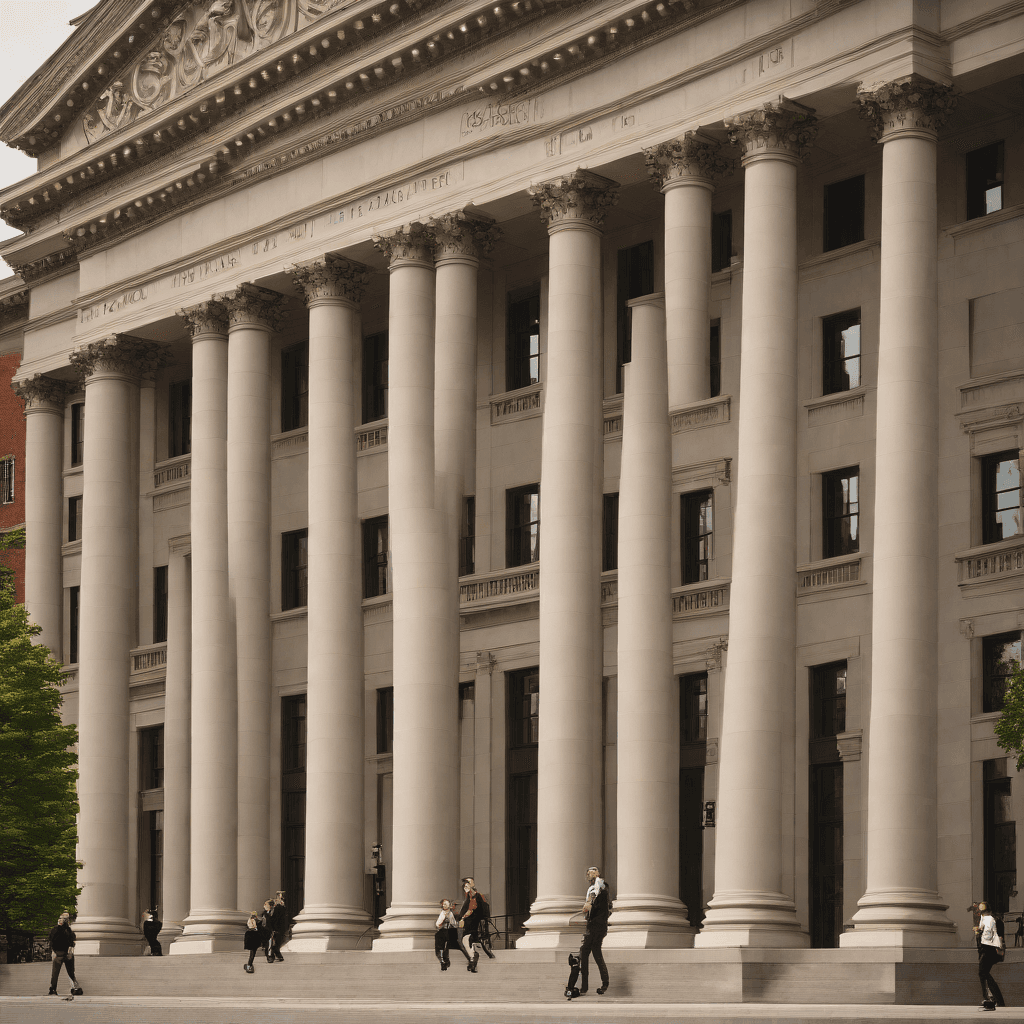
Granular demographic data released for the Class of 2029 has solidified the trends first observed during the chaotic admissions cycle of the previous year. Two years into the strict constraints of the Supreme Court's Students for Fair Admissions (SFFA) ruling, the "homogenization" of elite private institutions is no longer a theoretical risk but a quantified reality in Cambridge and beyond.
At the Massachusetts Institute of Technology (MIT), Black and African American enrollment has settled at 6%, a figure that mirrors the sharp contraction seen in the Class of 2028. This continued depression of numbers signals a profound, long-term reshaping of the STEM talent pipeline. A similar pattern holds at Amherst College, where Black enrollment remains stalled at 6%. These persistingly low figures suggest that the removal of race-conscious admissions has created a systemic vacuum at the nation's most competitive private institutions, challenging the initial hope that "holistic review" could eventually recover pre-2023 diversity levels without explicit legal tools.
While the contraction of Black and Hispanic enrollment—hovering around 13% at MIT—was anticipated following the initial shock of the post-SFFA era, the composition of the Class of 2029 reveals a complex "re-sorting" rather than a simple reversion to a pre-Civil Rights status quo. Asian American enrollment remains robust, reaching 41% at Harvard College. However, at MIT, the Asian American figure stands at 38%. This variance has sparked debate among legal scholars, suggesting that while race has been removed from the checkbox, a new battleground has emerged around "adversity metrics" and essay-based proxies.
The Tale of Two Cities: MIT vs. Harvard
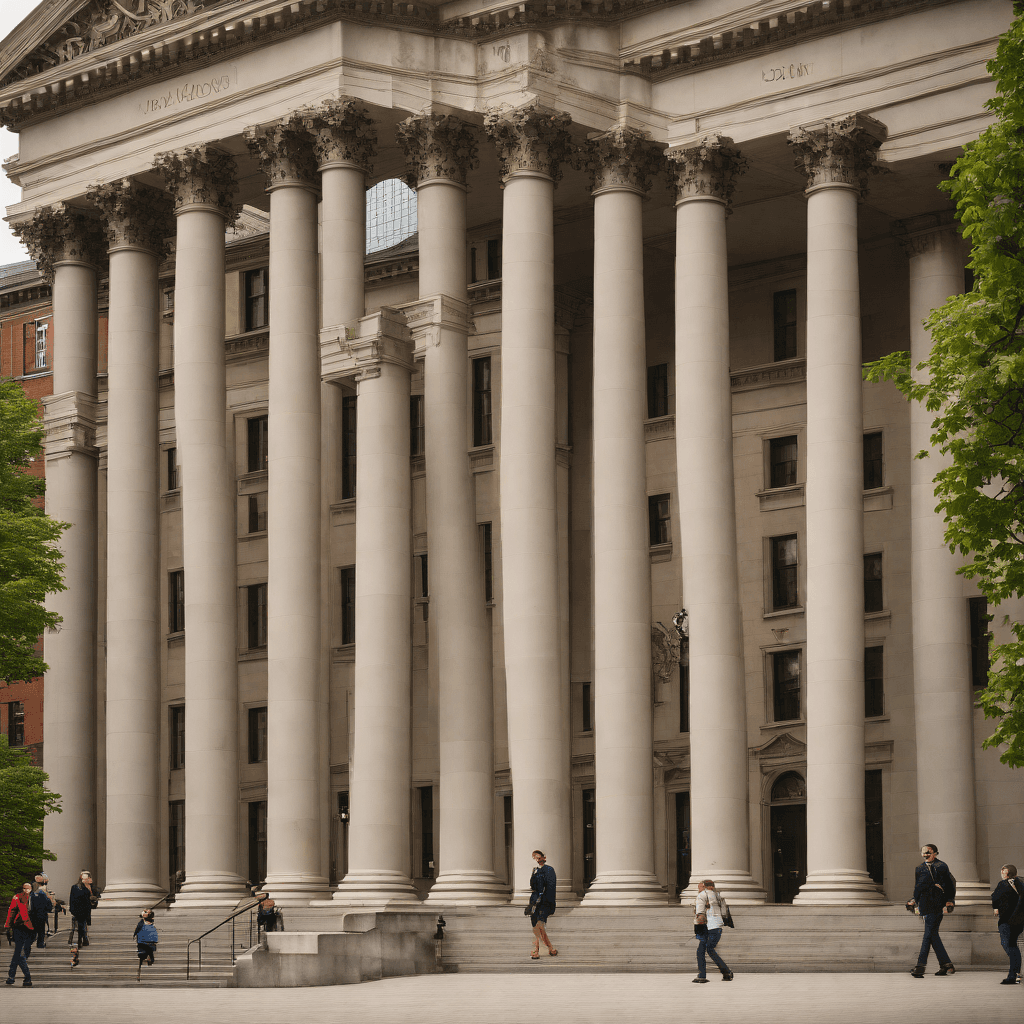
The prediction that the Supreme Court’s 2023 decision would impact all elite institutions equally has proven to be an oversimplification. Instead, a fractured landscape has emerged, defined by how aggressively institutions are willing to leverage socioeconomic "proxies" for race.
Following the ruling, MIT leadership assured the community of their undimmed commitment to diversity. Yet, the data for the Class of 2029 validates the concerns of analysts who warned that without race-conscious admissions, STEM-focused institutions relying heavily on standardized metrics would struggle to maintain demographic breadth.
Just down the river, Harvard College reported a significantly different outcome. While Harvard saw Asian American enrollment climb to 41%, it managed to maintain Black enrollment at 11.5%—nearly double the rate of its peer in Cambridge. This discrepancy has reignited the "proxy war" debate. Legal scholars suggest that Harvard’s heavier reliance on "adversity scores"—metrics that weigh zip codes, family income, and school quality—may be effectively functioning as a race-neutral stand-in for diversity. This practice is already attracting scrutiny from the Trump administration's Department of Justice, which has signaled a renewed interest in enforcing a strict interpretation of the "colorblind" mandate.
The Public Flagship Surge
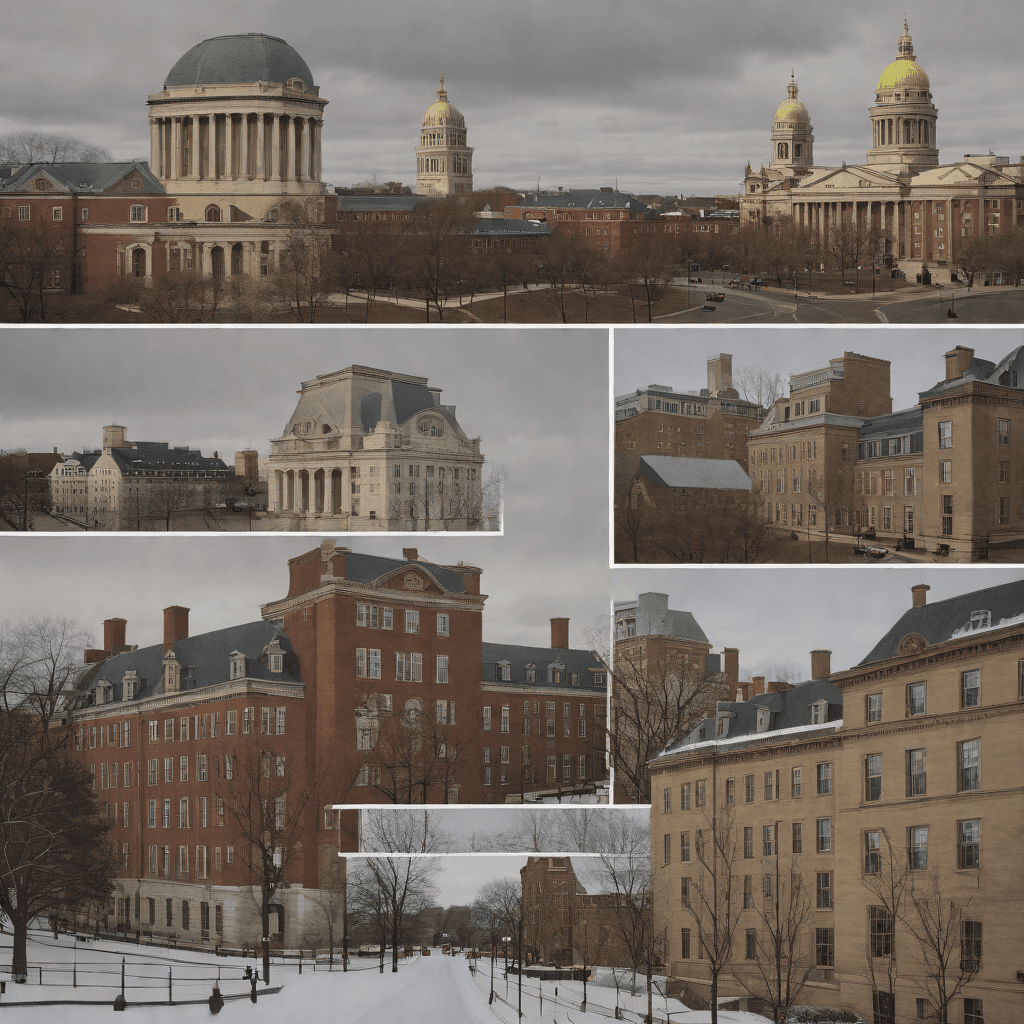
While elite privates grapple with these new demographic ceilings, a massive shift is underway in the applicant pool. A "Great Re-sorting" is migrating minority talent away from the hyper-selective private sector toward public flagships, which are increasingly viewed as the new engines of meritocratic mobility.
Data from the Common App for the current 2026 admissions cycle (Class of 2030) shows a counter-intuitive 7% increase in applications from underrepresented minority students. Rather than being deterred by the statistical "chill" of the Class of 2029, these students appear to be recalibrating their targets. Families are increasingly calculating that the return on investment for a "diversity-challenged" private education is dwindling compared to the broader mandates of state universities.
For students like Marcus Hayes (pseudonym), a high school senior in Northern Virginia, this calculation is purely pragmatic. "My parents saw the drop in Black and Latino students at places like Amherst and worried about the environment I'd be stepping into," Hayes explains. "Why fight to get into a shrinking room at a private college when the University of Virginia is expanding its reach?" This sentiment reflects a growing consensus that the future of diverse leadership in America may no longer be forged in the exclusive halls of the Northeast, but on the sprawling campuses of state universities.
The Resource Reality Check
This migration brings its own set of challenges. As the diversity burden shifts from private endowments to public coffers, the per-student expenditure gap becomes a critical failure point. Private elites, with their multi-billion dollar endowments, have the capital to fund "high-touch" retention programs. Public flagships, frequently operating under fiscal constraints that have only tightened under the current administration's austerity measures, are now tasked with supporting a more diverse student body without a commensurate increase in funding.
David Chen (Pseudonym), a private admissions consultant based in Fairfax, Virginia, notes the tactical pivot in his clientele. "We aren't telling students to hide their race, but we are aggressively documenting their 'lived experience' of hardship," Chen says. "The essay is no longer just a personal statement; it is a legal affidavit of socioeconomic grit." Yet, Chen worries about the support systems waiting for them. "Public universities are welcoming them, but do they have the resources to keep them?"
If the Class of 2029 establishes the baseline, the future of American higher education looks increasingly like a two-tiered system: a hyper-exclusive, less diverse private tier, and an overburdened, diverse public tier. Both are struggling to define "merit" in a legal environment that has stripped them of their sharpest tools.

Sources & References
MIT Class of 2029 Undergraduate Class Profile
MIT Admissions • Accessed 2026-02-03
Black/African American enrollment dropped significantly to 6%. Asian American enrollment stands at 38%. Hispanic/Latino enrollment is 13%.
View OriginalHarvard College Admissions Statistics Class of 2029
Harvard University • Accessed 2026-02-03
Asian American students make up 41% of the class (up from previous years). Black/African American enrollment declined to 11.5%.
View OriginalAmherst College Class of 2029 Profile
Amherst College • Accessed 2026-02-03
Black/African American enrollment fell to 6% (federal reporting). Domestic students of color comprise 44% of the class.
View OriginalMIT Black Student Enrollment (Class of 2029): 6%
MIT Admissions • Accessed 2026-02-03
MIT Black Student Enrollment (Class of 2029) recorded at 6% (2025)
View OriginalHarvard Asian American Enrollment (Class of 2029): 41%
Harvard University • Accessed 2026-02-03
Harvard Asian American Enrollment (Class of 2029) recorded at 41% (2025)
View OriginalURM Applicant Increase (2025-26 Cycle): +7%
Common App / Forbes • Accessed 2026-02-03
URM Applicant Increase (2025-26 Cycle) recorded at +7% (2026)
View OriginalStu Schmill, Dean of Admissions
MIT • Accessed 2026-02-03
Our commitment to a vibrantly diverse and academically excellent MIT remains undimmed.
View OriginalClass of 2029: MIT releases demographic data following affirmative action ruling
The Tech • Accessed 2025-08-21
Detailed breakdown of the first class admitted under the new IPEDS reporting methodology and post-SFFA legal landscape.
View OriginalThe Class of 2029: Admissions Data Released
Harvard Magazine • Accessed 2025-11-05
Analyzes the 41% Asian American enrollment figure and the decline in Black and Hispanic enrollment compared to the Class of 2027.
View OriginalCommon App Data Shows Surge In Minority Applicants For 2026
Forbes • Accessed 2026-01-15
Provides contrasting context: while 2025 enrollment dipped for some groups, 2026 applications from underrepresented minorities are up 7%.
View OriginalWhat do you think of this article?