The Deposition Precedent: Congressional Oversight in the Age of Spectacle
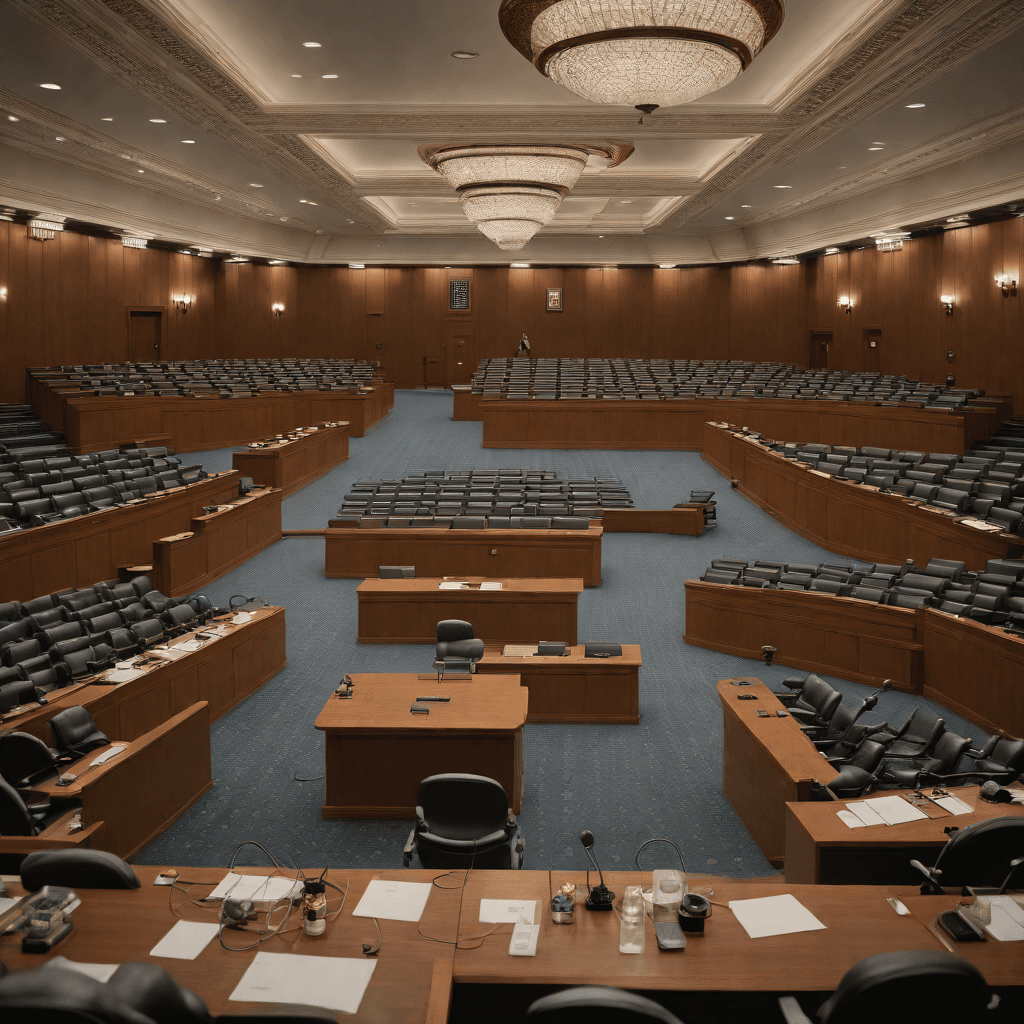
The Architecture of Filmed Contempt
The House Oversight Committee’s successful extraction of filmed depositions from Bill and Hillary Clinton signals a fundamental shift in the geometry of congressional power. The pressure campaign, which intensified in late 2025, has culminated in a high-stakes agreement for the former First Couple to appear for transcribed, filmed testimony. By refusing to accept written testimony or private briefings, the committee has effectively transformed a legal inquiry into a permanent legislative precedent.
This maneuver is not merely an investigation into historical records; it is the legislative branch asserting its right to "show its work" to the public in high-definition. This strategy bypasses the traditional filters of judicial secrecy. While proponents argue this is a victory for transparency, the timing of these developments carries the distinct scent of a strategic escalation designed to dominate a month otherwise defined by global instability and the aggressive deregulation of the Trump administration's second term.
The Weight of Evidence
The current investigation is fueled by a massive evidentiary base that makes procedural evasion increasingly difficult. Central to the inquiry are records that highlight stark discrepancies between historical public statements and recorded travel data. Investigative focus has shifted toward reconciling these gaps, particularly regarding the frequency of associations documented in various flight logs.
Specifically, the committee is examining records suggesting that former President Bill Clinton’s travels associated with certain private aircraft far exceed the number previously acknowledged in public statements. This data-driven approach shifts the burden of proof from the accuser to the accused. The committee maintains that direct testimony is essential to reconcile these discrepancies. Yet, the broader utility of these revelations for the current administration's narrative remains a point of intense debate among policy analysts.
The Geometry of Distraction
The fixation on this "Architecture of Filmed Contempt" serves as a convenient cultural anchor for an administration currently grappling with the systemic collapse of the post-Cold War order. While the nation’s attention is fixed on the deposition schedule, the final major nuclear treaty, New START, officially lapsed on February 5, 2026. This marks a dangerous transition toward an era of unregulated "algorithmic defense" without a formal inspection regime.
Simultaneously, the domestic "Adjustment Crisis" continues to ripple through the American workforce. AI automation is currently displacing white-collar labor at an unprecedented rate, leaving many without a clear federal safety net. For the executive branch, the Clinton-Epstein inquiry acts as a powerful spectacle that occupies the airwaves while the fundamental structures of international security and domestic employment are aggressively overhauled under the banner of deregulation.
The Erosion of the Executive Shield
For the average American citizen, such as David Chen, a mid-level project manager in Chicago whose department was recently halved by autonomous workflow integration, these legal dramatics create a sense of profound disconnect. While Chen follows the investigative leaks with interest, his primary concern remains the lack of institutional support for the "Adjustment Crisis." The spectacle of filmed depositions provides a form of "accountability theater" that is far easier for the public to digest than the complex, structural failures of a global governance system in freefall.
Legal scholars note that while the transparency is significant, the lack of clear enforcement mechanisms for certain related legislations raises the possibility that the February sessions may serve more as a cultural reckoning than a prelude to prosecution. If the precedent is established that any former president can be forced into a filmed, adversarial deposition based on historical associations, the current pivot toward deregulation may inadvertently be creating a new, unregulated branch of investigative governance.
A New Legal Horizon
As the Oversight Committee processes volumes of past scandals, the present administration navigates a world where digital archives are used as political instruments. The Clintons' appearance in late February will undoubtedly provide the transparency many seek, but it may also signal the final erosion of the privacy once afforded to the nation's highest office. This reflects the broader 2026 zeitgeist: a world where historical accountability becomes a primary function of government, while the mechanisms of the future are permanently automated away.
When the theater of historical accountability becomes the primary output of the state, we must ask: are we illuminating the truth, or merely blinding ourselves to the fires burning at the edge of the screen?
Sources & References
Subpoenas Issued to Bill and Hillary Clinton in Epstein Investigation
U.S. House Committee on Oversight and Accountability • Accessed 2026-02-05
Chairman James Comer issued deposition subpoenas to the Clintons on August 5, 2025, following a unanimous subcommittee vote on July 23, 2025.
View OriginalRelease of 3 Million Pages in Compliance with Epstein Files Transparency Act
U.S. Department of Justice • Accessed 2026-02-05
The DOJ released over 3 million pages of investigative records and files on January 30, 2026, fulfilling mandates from the Transparency Act.
View OriginalBill Clinton Flight Discrepancy: 26+ flights vs 4 claimed
Jeffrey Epstein Flight Logs / Index of Epstein • Accessed 2026-02-05
Bill Clinton Flight Discrepancy recorded at 26+ flights vs 4 claimed (2001-2003)
View OriginalEpstein Library Data Volume: 3,033,295 pages
U.S. Department of Justice • Accessed 2026-02-05
Epstein Library Data Volume recorded at 3,033,295 pages (2026)
View OriginalJames Comer, Chairman
House Committee on Oversight and Accountability • Accessed 2026-02-05
The Clintons completely caved and will appear for transcribed, filmed depositions. We need to hear directly from them about their history with Jeffrey Epstein and Ghislaine Maxwell.
View OriginalMark Zaid, National Security Attorney
Mark S. Zaid, P.C. • Accessed 2026-02-05
The Epstein legislation lacked a clear enforcement mechanism... which could make enforcement difficult.
View OriginalClintons to testify on Epstein, avoiding contempt
CBS News • Accessed 2026-02-03
Details the agreement reached between the Clintons and the House Oversight Committee to appear for depositions on February 26 and 27, 2026.
View OriginalClintons agree to testify in Epstein probe, averting contempt vote
The Guardian • Accessed 2026-02-03
Reports on the legal standoff and the role of Clinton spokesperson Angel Ureña in confirming the testimony agreement.
View OriginalClintons cave to Comer, will testify in Epstein probe
Fox News • Accessed 2026-02-03
Detailed coverage of Chairman Comer's refusal to accept written testimony and the subsequent shift in the Clintons' legal strategy.
View OriginalWhat do you think of this article?