The K-Food Paradox: How Global Fame Priced Out the Soul of Korean Street Food
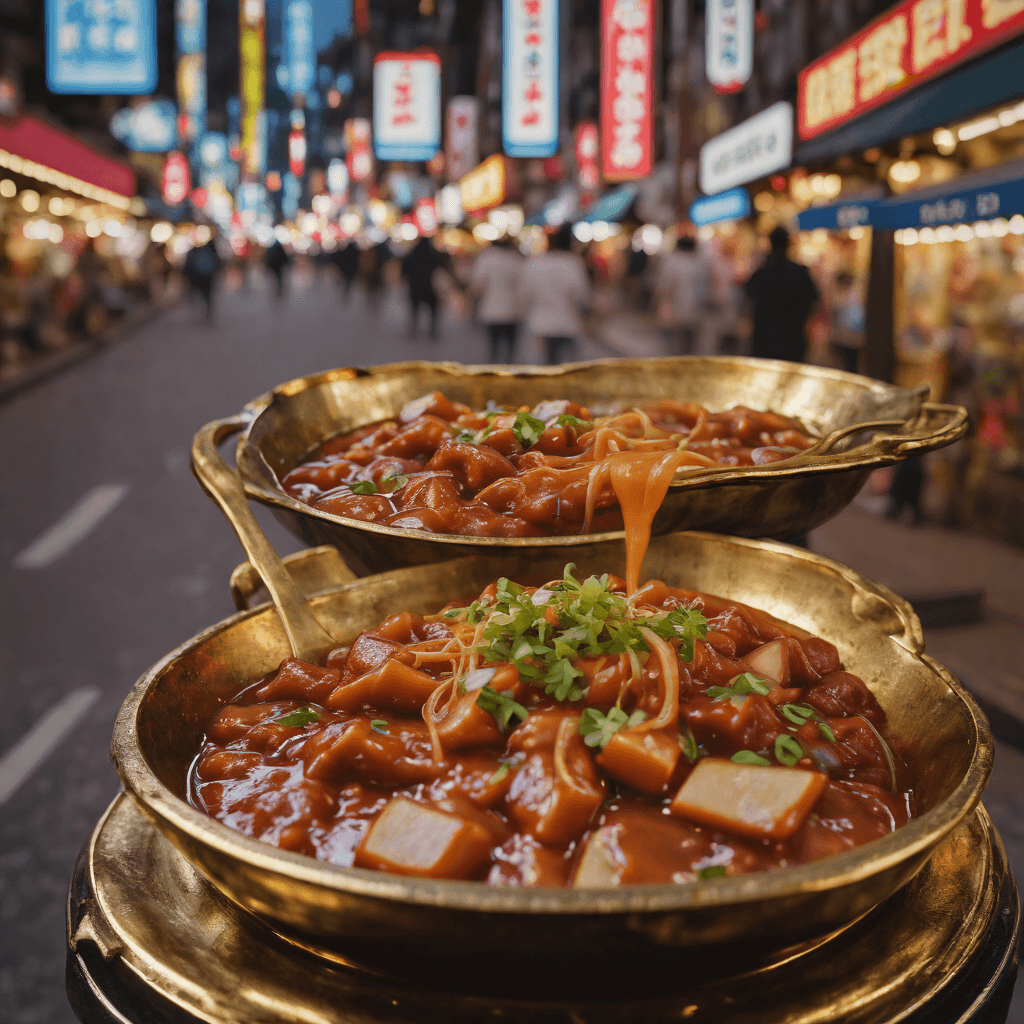
The Globalization of Comfort
In 2026, Korean food is no longer a niche ethnic offering; it is a high-stakes export powerhouse. However, this meteoric rise has triggered a fundamental shift in the economics of global comfort food. According to the Ministry of Agriculture, Food and Rural Affairs (MAFRA), cumulative K-Food Plus exports reached a staggering $11.24 billion by October 2025, with the North American market leading the charge through a 13.9% year-on-year increase.
This surge, totaling $1.675 billion in regional exports alone, signals a decoupling of traditional dishes from their roots as affordable staples. Under the second Trump administration's aggressive "America First" landscape, the very "soul" of these dishes is being repackaged as a premium commodity. As the U.S. now commands a 17.5% share of total Korean agri-food exports, a market distortion has emerged where cultural heritage is increasingly sold to the highest bidder, sacrificing the accessibility that once defined the immigrant experience.
The Ten Billion Dollar Milestone
The global appetite for Korean cuisine has officially graduated to a multi-billion dollar economic engine, altering the price floor of what was once considered "survival food." Processed rice products and snacks have transitioned from the back shelves of ethnic grocery stores to the front aisles of major American retailers, carrying a premium price tag that reflects their new status as global cultural currency.
For the American consumer, the accessibility of Korean comfort food is being squeezed. While the USDA Food Price Outlook for 2025 projects a modest 0.8% increase in grocery prices, it anticipates a much steeper 3.5% climb for restaurant prices. This divergence is particularly painful for the "K-Food" sector; as processed rice exports to the US hit record levels, the transition from street-side snack to "premium" export has effectively decoupled these foods from their low-cost origins. For consumers like Sarah Miller, a marketing assistant in Chicago, frozen gimbap and tteokbokki kits that were once affordable weeknight staples are now rare indulgences priced significantly higher than domestic alternatives.
The Supply Chain Drain and the Tariff Wall
The aggressive pivot toward international markets has rewired the Korean food supply chain, prioritizing high-margin exports over domestic affordability. This export-oriented model is the silent engine behind a 23% domestic price hike in South Korea, as local vendors struggle to compete with the purchasing power of international distributors. As K-snack exports maintain a blistering 32.3% monthly growth rate, raw materials once destined for humble street stalls are diverted to high-tech processing plants.
This "premiumization" faces a new, more rigid barrier under the current administration’s trade posture. Christopher Meisner, Professor of Economics at the University of California, Davis, warns that proposed 25% tariffs on South Korean imports will leave no room for price stability. Meisner observes that these products will definitely be priced much higher in the near future, creating a geopolitical paradox: while domestic deregulation aims to lower costs, protectionist barriers are taxing the cultural diversity of the American plate.
Marketing the Soul to the Highest Bidder
The industrialization of the "K-Snack" market illustrates how authenticity is being sacrificed for global scalability. With the US Asian food market now valued at $23.1 billion, Korean brands are increasingly incentivized to cater to high-margin luxury segments. By moving Korean food from the lunchbox to the tasting menu, the industry is effectively pricing out the very diaspora and budget-conscious enthusiasts who first championed the cuisine.
In cities like Los Angeles and Chicago, the "street" in street food is becoming a relic of the past, replaced by sanitized, high-margin replicas designed for the few who can afford the 2026 tariff surcharges. When the flavor of the common people becomes a luxury of the elite, the original meaning of the meal risks being lost, consumed merely as a status symbol or a cultural "vibe" rather than a shared, accessible experience. Maintaining the equilibrium between commercial expansion and cultural integrity requires a reimagining of success for the K-food brand beyond quarterly export reports.
Sources & References
K-Food Plus Exports Report (October 2025)
Ministry of Agriculture, Food and Rural Affairs (MAFRA), Republic of Korea • Accessed 2026-02-05
Cumulative K-Food Plus exports reached USD 11.24 billion by October 2025. Exports to North America saw a 13.9% year-on-year increase, totaling USD 1.675 billion, driven by high demand for processed rice products and snacks.
View OriginalFood Price Outlook 2024-2025
U.S. Department of Agriculture (USDA) • Accessed 2026-02-05
USDA projects an overall food price increase of 2.3% for 2024 and 1.9% for 2025. Restaurant prices (food away from home) are expected to climb by 3.5% in 2025, impacting the affordability of Korean street food establishments.
View OriginalKorean Rice-based Processed Food Exports to US: $169.8 million
Ministry of Agriculture, Food and Rural Affairs (MAFRA) • Accessed 2026-02-05
Korean Rice-based Processed Food Exports to US recorded at $169.8 million (2024)
View OriginalMonthly K-Snack Export Growth: 32.3%
KED Aicel • Accessed 2026-02-05
Monthly K-Snack Export Growth recorded at 32.3% (2024)
View OriginalUS Asian Food Market Valuation: $38.1 billion
Persistence Market Research • Accessed 2026-02-05
US Asian Food Market Valuation recorded at $38.1 billion (2025)
View OriginalChristopher Meisner, Professor of Economics
University of California, Davis • Accessed 2026-02-05
Those products will definitely be priced much higher in the near future due to those tariffs; I don't see any other way around it.
View OriginalK-snack exports hit record high in February on Hallyu popularity
KED Global • Accessed 2024-03-18
Reports on the first-time breach of $40 million in monthly snack exports, highlighting the direct link between K-pop influence and snack consumption.
View OriginalWhat do you think of this article?