The Windsor Eviction: Why Prince Andrew’s Royal Lodge Exit Was Expedited
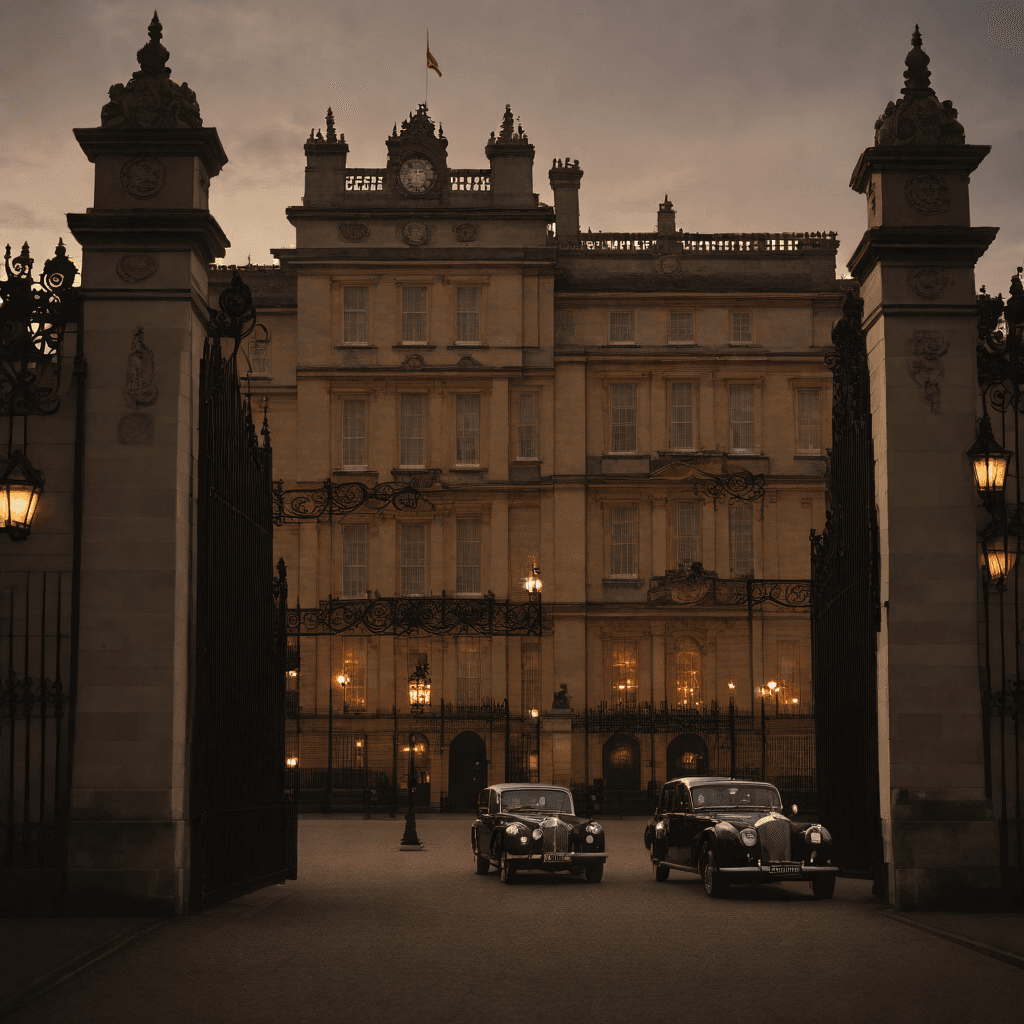
The Windsor Pivot: A Tactical Retreat from Royal Lodge
Under the cover of a moonless Windsor night on February 2, 2026, the long-tenured resident of Royal Lodge finally vacated the premises. This sudden departure marked a significant acceleration from the previously announced spring 2026 timeline. While official statements remained sparse, reports of a late-night convoy exiting the estate indicate a decisive shift in King Charles III's strategy to compartmentalize the monarchy’s reputational risks.
By advancing the timeline, the Palace has effectively neutralized the residence as a focal point for protesters and investigative journalists following the latest release of documents related to the Jeffrey Epstein investigation. The move to Wood Farm on the Sandringham estate represents a significant downsizing, yet the true story lies in the speed and secrecy of the transition. Analysts suggest this urgency stems from a need to insulate the "Firm" from imminent legal developments in the United States.
In an era where the second Trump administration has prioritized institutional transparency and the dismantling of legacy elite protections, the British Monarchy appears to be scrubbing its social graph of toxic nodes with unprecedented clinical precision. This is not merely a logistical shift; it is a calculated effort to distance the sovereign from the escalating scrutiny of past associations.
The Financial Leverage: Lease Technicalities as a Weapon
The financial underpinnings of this eviction reveal a complex web of 2003 lease agreements that the Crown Estate recently defended before the Public Accounts Committee (PAC). According to a National Audit Office (NAO) report, the 75-year lease originally required a £7.5 million ($9.45 million) initial refurbishment commitment alongside a £1 million ($1.26 million) premium payment. While the lease allowed for a termination payout of approximately £488,342, recent disclosures to the PAC indicate that the property's dilapidated state likely negates any such compensation.
This "soft eviction"—as described by royal commentators—highlights the unique leverage the Crown exerts when its symbolic integrity is at stake. The Duke of York's failure to maintain the Grade II listed property according to the rigorous standards of the 2003 contract provided the legal mechanism for his removal. For American observers accustomed to rigid real estate contracts, this represents a masterclass in using contract law to solve a public relations crisis. The Crown Estate effectively turned a potential golden parachute into a bill for repairs, leaving the Duke with little bargaining power.
The Epstein Catalyst: Accountability in the Trump 2.0 Era
The strategic timing of this move coincides with a heightened era of global transparency. David Chen (Pseudonym), a US-based private wealth manager, observes that the expedited exit is a classic "de-risking" maneuver. In a global market defined by the Trump administration's aggressive pivot toward deregulation and accountability, even the British monarchy must prove its fiscal and moral prudence to maintain its standing. This move ensures that the headlines of 2026 remain focused on the King’s modernization efforts rather than historical scandals.
The urgency is directly tied to the deteriorating PR environment created by early 2026 document unsealings, which provided new context for the Duke of York’s historical travels. By physically removing the Duke from the Windsor estate—a symbol of core sovereign proximity—the King is attempting to draw a definitive line between the private failures of a family member and the public integrity of the Crown.
This institutional distancing follows a pattern of accountability that began years ago. While the removal of 'HRH' styling and military titles occurred in January 2022, the physical vacancy of Royal Lodge serves as the final, visual confirmation of a legacy's termination. This distancing is critical as the US legal system continues its scrutiny of past sex-trafficking rings, where public tolerance for "protected status" has reached a historic low.
A Slimmed-Down Monarchy: Brand Over Blood
King Charles III’s vision for a "slimmed-down" monarchy is increasingly revealing itself to be a sophisticated exercise in risk management. The move to Wood Farm is a calculated symbolic downgrade designed to move a controversial figure from a high-profile Windsor asset to a secluded private perimeter. This ensures that as the US Department of Justice continues its scrutiny of past digital records, the British monarchy has already physically and legally distanced itself from the epicenter of the scandal.
Speculation regarding the Lodge’s next occupant now serves as a litmus test for the future hierarchy of the House of Windsor. While the Prince and Princess of Wales are the most logical successors, a debate is surfacing over whether the Lodge should be leased to a high-paying private citizen to generate non-taxpayer revenue. This shift suggests that the monarchy is moving toward a model where royal status is no longer a permanent shield against the economic realities of asset management.
When the walls of a 20-year residency crumble in a single night of logistics, the message is clear: in the modern era, the "divine right of kings" has been replaced by the "corporate right of the brand" to distance itself from toxic assets. Reassigning the Lodge will signal whether the monarchy intends to remain a relic of history or transform into a streamlined, accountability-focused institution.
Sources & References
Formal Statement on the Status of Andrew Mountbatten-Windsor
Buckingham Palace • Accessed 2026-02-04
Buckingham Palace initiated the formal process to remove royal titles and honors and ordered the surrender of the Royal Lodge lease on October 30, 2025.
View OriginalCrown Estate Disclosure to Public Accounts Committee (PAC)
The Crown Estate / UK Parliament • Accessed 2026-02-04
The Crown Estate confirmed that while the 2003 lease included a provision for nearly £500,000 in compensation for early termination, the property's dilapidated state likely negates any payout.
View OriginalLease Duration: 75 Years
Crown Estate / Wikipedia • Accessed 2026-02-04
Lease Duration recorded at 75 Years (2003-2078)
View OriginalInitial Refurbishment Commitment: £7.5 Million
National Audit Office (NAO) • Accessed 2026-02-04
Initial Refurbishment Commitment recorded at £7.5 Million (2003)
View OriginalLease Premium Payment: £1 Million
Crown Estate Records • Accessed 2026-02-04
Lease Premium Payment recorded at £1 Million (2003)
View OriginalHilary Fordwich, Royal Commentator
Independent Expert • Accessed 2026-02-04
The move was expedited under immense pressure, essentially a 'soft eviction' that turned into a swift exit following the latest document releases.
View OriginalPrince Andrew Moves Out of Royal Lodge Under Cover of Darkness
People Magazine • Accessed 2026-02-03
Provides details on the timeline of the move and the temporary relocation to Wood Farm on the Sandringham estate.
View OriginalPrince Andrew 'unlikely' to receive £500k Royal Lodge payout
The Independent • Accessed 2025-12-03
Details the financial implications of the lease termination and the Crown Estate's communication to MPs.
View OriginalAndrew Mountbatten-Windsor vacates Windsor residence
CNN • Accessed 2026-02-04
Confirms the completion of the move and the broader context of the Epstein investigation's impact.
View OriginalWhat do you think of this article?